REVIEW · HILO
Hilo: Mauna Kea Summit, Sunset, & Stargazing Experience
Book on GetYourGuide →Operated by hawaii island holidays · Bookable on GetYourGuide
A Mauna Kea sunset can feel unreal. This evening tour lines up Mauna Kea’s summit views with telescope time, warm drinks, and guides who explain both the astronomy and Hawaii’s sky stories. I especially like the way it’s built around comfort at altitude, not just sightseeing.
I also like the free night photos taken for you during the stargazing, then emailed after the tour. It’s a practical add-on here because at 14,000 feet your hands and phone batteries don’t always cooperate, and a guide with the camera means you still get crisp shots.
One consideration: the night starts high. You’ll be at about 14,000 ft with reduced oxygen, and the tour is not for people with certain health conditions or anyone who’s likely to struggle with altitude.
In This Review
- Key highlights to plan around
- Mauna Kea sunset at altitude: what makes this night special
- Getting from Hilo to the summit: timing, comfort, and the reality of thin air
- Cold-weather gear that actually helps: parkas, gloves, and hot drinks
- Observatories, telescopes, and the black hole photo connection
- Telescope time: what you can actually see when conditions cooperate
- The photo service: why it’s worth paying attention to nighttime results
- Price and value: is $289 fair for this kind of night
- Who should book this, and who should skip Mauna Kea tonight
- Should you book this Mauna Kea summit sunset and stargazing tour?
- FAQ
- How long is the Mauna Kea summit sunset and stargazing experience?
- Where does pickup happen?
- What’s included with the tour?
- Is dinner included?
- Do I need to bring warm clothes?
- Is telescope viewing guaranteed?
- Is this tour safe for everyone?
Key highlights to plan around
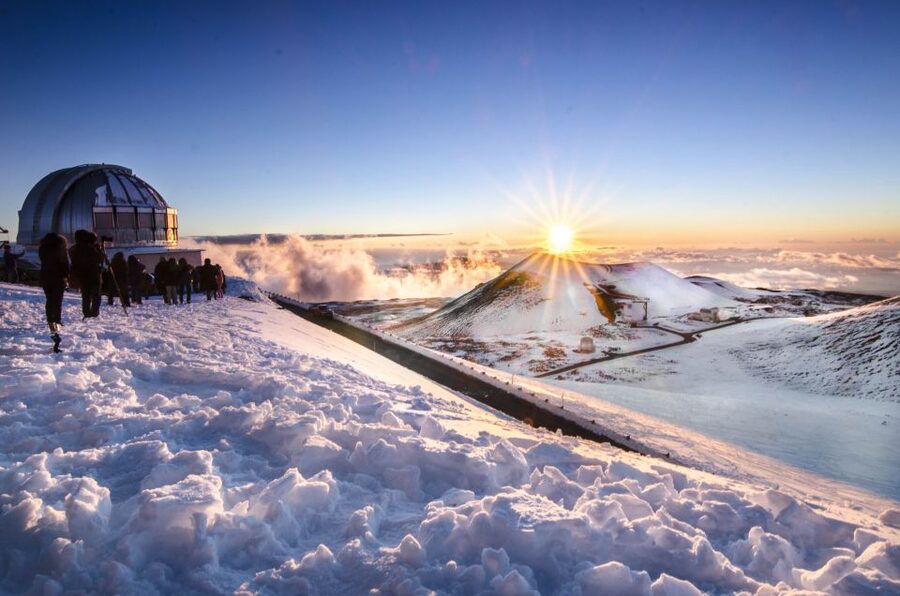
- Sunset above the clouds on Mauna Kea (highest point in the Pacific)
- Hot chocolate, snacks, and provided parkas and gloves for summit cold
- An observatory-focused experience, including where key black hole imaging originated
- Telescope viewing up close at night (weather permitting)
- Your own star-photo set emailed after the tour
- Guides who connect astronomy with Hawaiian constellation stories
Mauna Kea sunset at altitude: what makes this night special
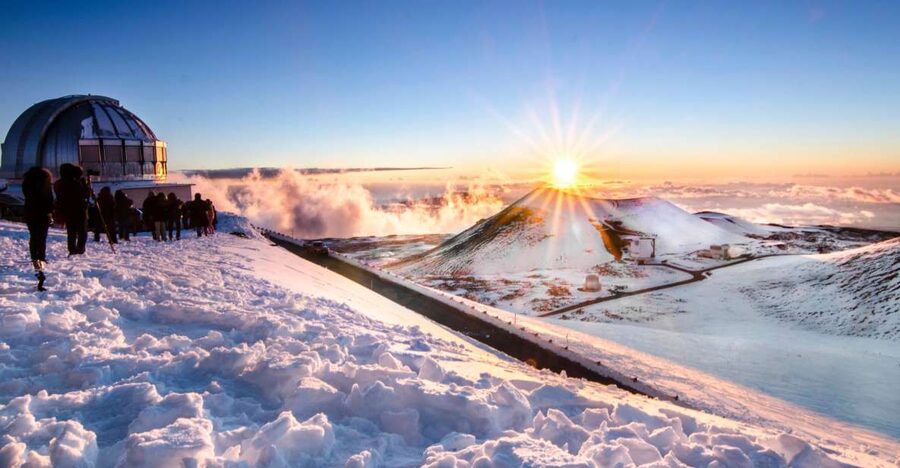
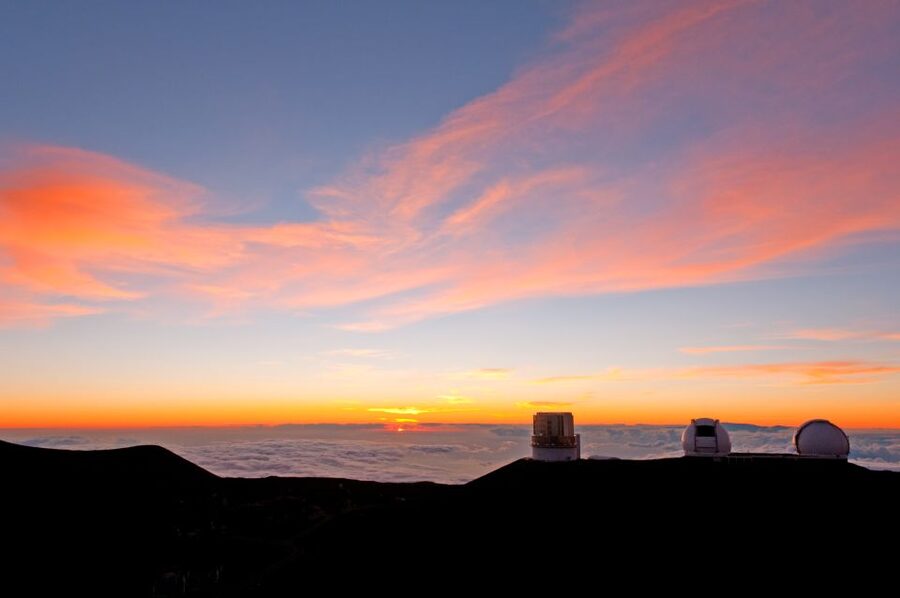
Mauna Kea isn’t just a big mountain. It’s a whole different sky experience, and doing it at sunset is the easiest way to feel that shift fast. You get the dramatic moment when the horizon glows, then the air goes still and the stars start to sharpen one by one.
What I like about this tour is that it doesn’t treat sunset as a quick photo stop. It’s part of a longer flow that builds into stargazing, so you’re not rushing from one location to another with cold toes and no time to settle in. The summit setting also means you often see views from above the cloud layer, which turns the “is it really that high?” moment into something you can actually see.
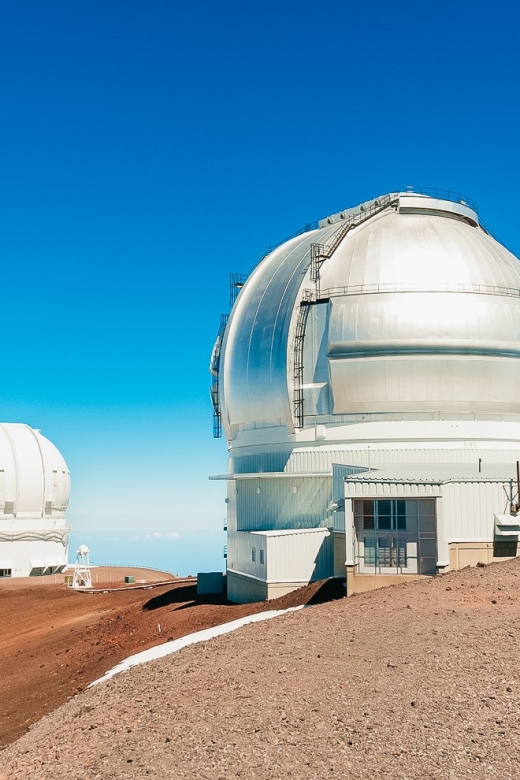
And because you’re surrounded by research telescopes at the top, the whole evening has a sense of place. You’re not only looking up. You’re seeing the infrastructure behind why people care so much about this specific mountain.
You can also read our reviews of more tours and experiences in Hilo.
Getting from Hilo to the summit: timing, comfort, and the reality of thin air
The tour runs about 390–450 minutes, and that length matters. You’re not just driving; you’re also allowing time for the body to adjust, then time for the sunset and the dark-sky viewing. Most people underestimate how long “a couple hours at the top” really takes once cold weather, group pacing, and altitude are in the mix.
Pickup is designed to be easy in Hilo, with options at places like the Bank of Hawaii, Starbucks, and the Grand Naniloa Hotel Hilo (a DoubleTree by Hilton). You’ll also have drop-off back at select locations. Meeting points can vary by the option you book, so plan to arrive a bit early and don’t cut it close.
Altitude is the main practical challenge here. The summit is around 14,000 ft, where oxygen is about 40% less than at sea level. That’s why this tour comes with parkas and gloves, plus a guide-led pace. Supplemental oxygen is available if needed, which is a big reassurance if you’re worried about feeling lightheaded.
If you’re someone who gets winded easily, this is the part where you should take the rules seriously. The tour notes are clear: it’s not for people with certain heart/lung conditions, it’s not for pregnant travelers, and it’s not for people who’ve had altitude sickness before. Don’t “tough it out” with altitude just because you’re excited.
Cold-weather gear that actually helps: parkas, gloves, and hot drinks
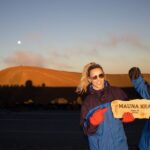
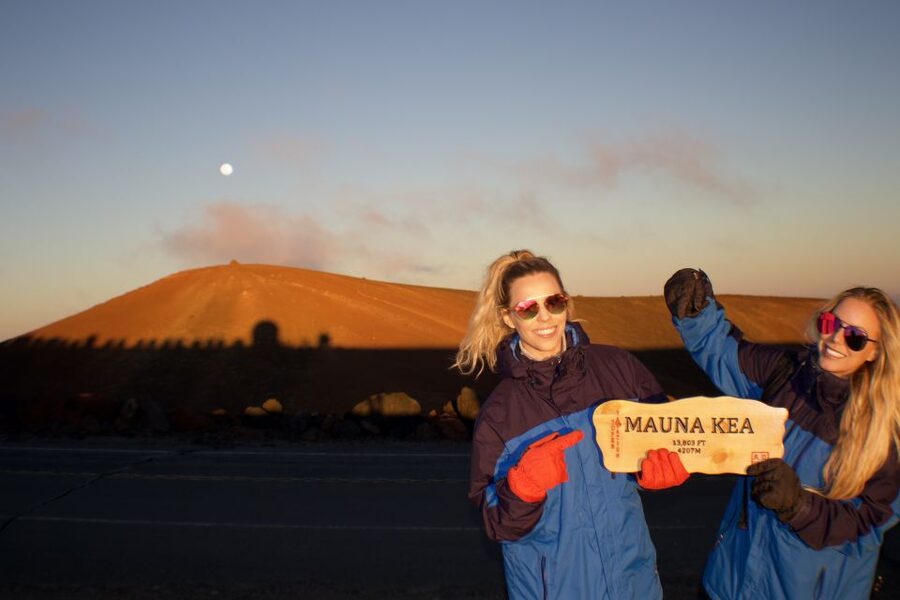
Mauna Kea nights can get brutally cold. The good news is the tour doesn’t make you guess what to wear. You get parkas and gloves included, plus snacks and hot chocolate during the evening.
This matters more than it sounds. Cold hands ruin photos and it kills your ability to sit still and look up. Several people mention warmth from the provided jackets and that the gloves help a lot once the temperature drops after sunset. The tour also encourages long pants and comfortable shoes, which is smart because the summit environment can make your legs stiff if you’re wearing something too light or slippery.
My practical tip: layer like you expect it to be cold and windy. Even with gear provided, you’ll enjoy the night more if you’re not shivering through the stargazing. Wear shoes you trust on uneven, dark ground. Bring the kind of socks you’d normally save for winter.
Observatories, telescopes, and the black hole photo connection
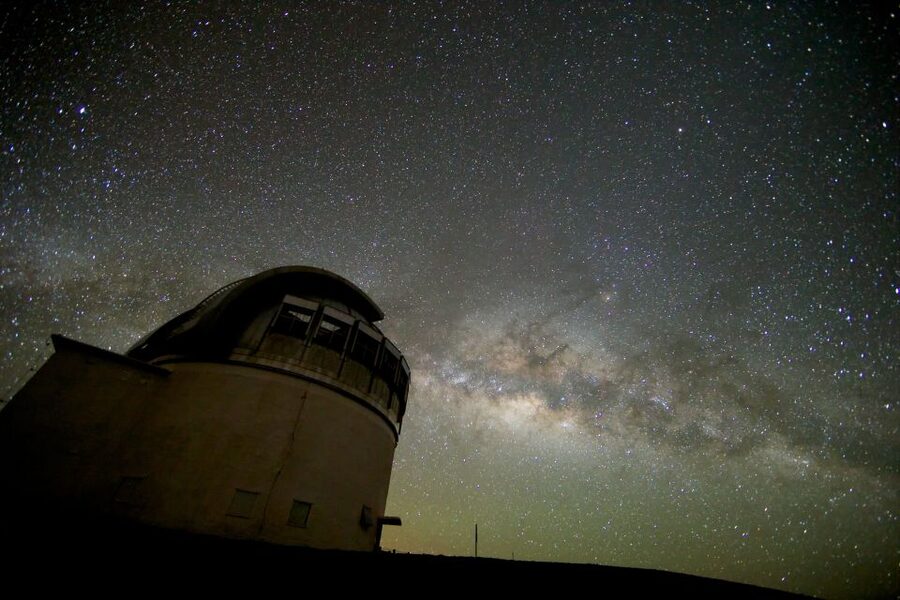
This is where the tour feels more “special” than a basic star tour. At Mauna Kea, you’re walking into the world’s most famous telescope area, a place built for research rather than casual viewing.
You’ll stand among the world’s largest collection of research telescopes, and the experience includes seeing two of the eight telescopes involved in taking the first photo of a black hole. That one detail changes the vibe. You’re not only learning about stars. You’re learning why this specific mountain is on the map for cutting-edge imaging.
Guides also share context on what you’re looking at and why it matters. Some nights include scientific talks through the telescopes that pair observations with myths and cultural navigation stories. The result is a mix that works even if you’re not a science person.
If you’re curious about “where does this all happen, physically?” this tour answers that. You see the equipment. You hear the reason behind it. Then you get to use a telescope yourself for a close-up look at the sky.
Telescope time: what you can actually see when conditions cooperate
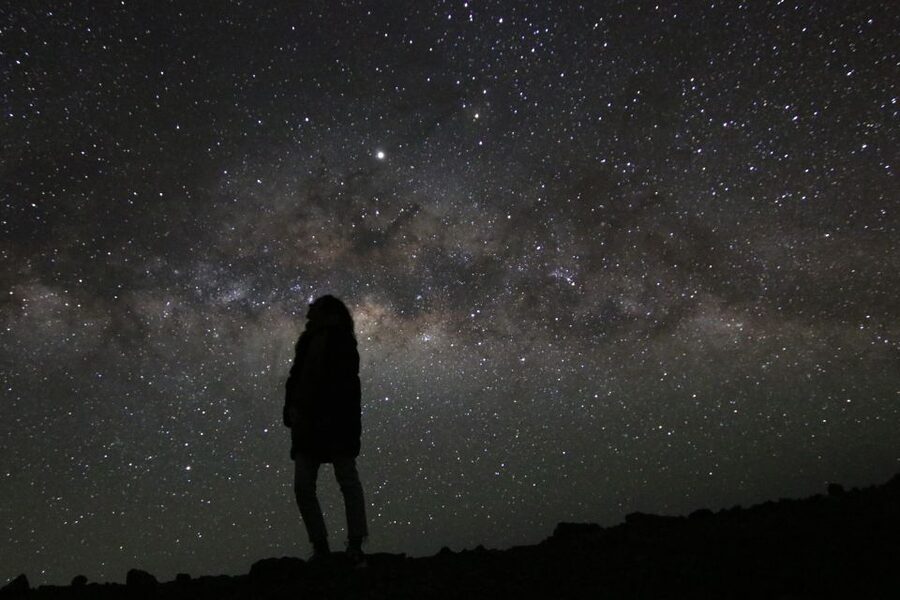
Stargazing here is the main event, and the tour is straightforward about one thing: telescope viewing depends on weather. When the sky cooperates, the dark conditions make a huge difference, and the telescope shows detail your naked eye simply can’t pull out.
You get your own private star show with a professional telescope, weather permitting. In practice, that means you’ll spend time looking, listening to what the guide is pointing at, and then switching from “where is that?” to “I see it.”
People mention seeing things like Orion’s Nebula, star clusters, and galaxies through the telescope. Others note the Milky Way stretching across the sky in a way they’ve never seen before. Some nights include a lucky bonus like shooting stars, which is always worth hoping for even though you can’t schedule it.
One more thing I appreciate: this tour is structured so you’re not trying to figure out the sky from scratch while you’re also freezing. The guide’s pointing and explanations make it easier to learn constellations in real time. That’s where the whole experience clicks from pretty pictures to real understanding.
The photo service: why it’s worth paying attention to nighttime results
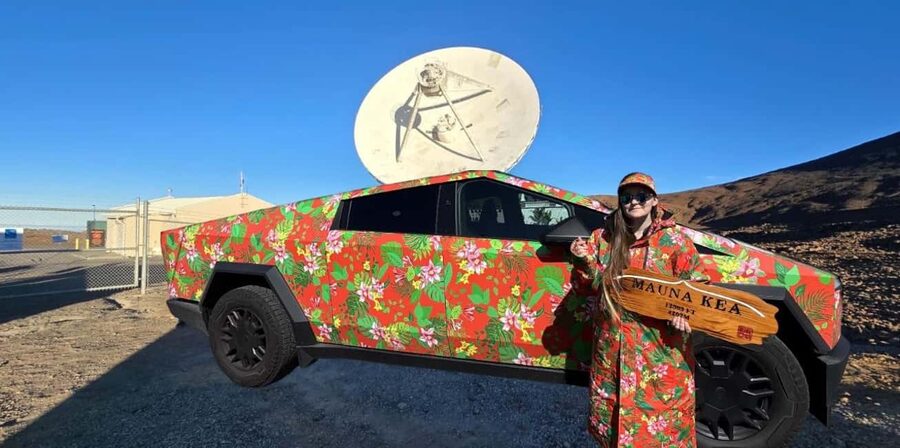
Even if you’re a confident photographer, night sky imaging is tough at altitude. Cameras don’t always behave well in cold, and it’s easy to miss the moment while you’re fighting settings.
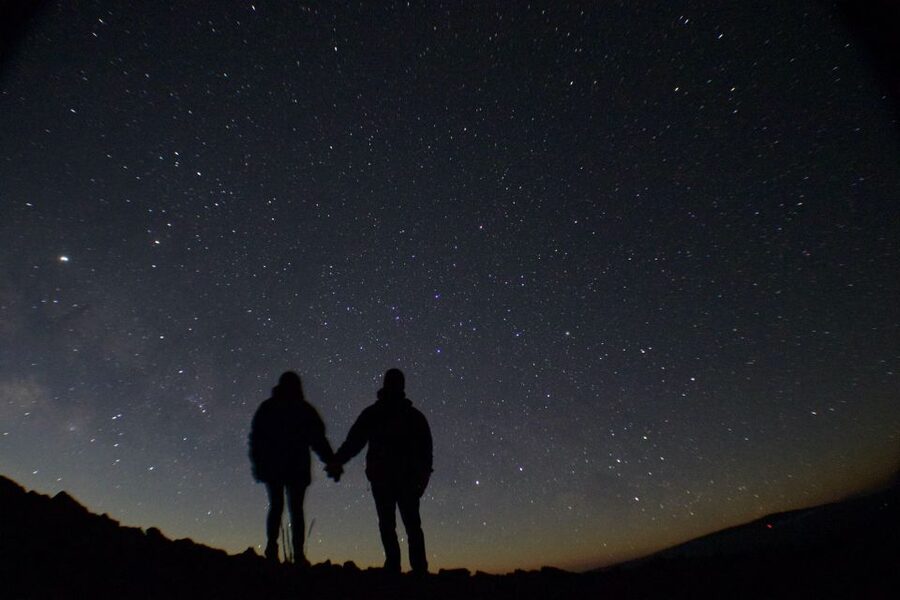
This tour includes free night photos taken by your guide, and you’ll get them by email after your experience. You’re also likely to get images with the night sky in the background during key moments, including stargazing and the darker sky scene.
This is one of those value points that isn’t just a perk. It changes how the evening feels. You can focus on looking and listening instead of constantly switching between holding the camera and trying to stay warm.
Price and value: is $289 fair for this kind of night
At $289 per person, it isn’t a budget add-on. But the value stacks up in a way that makes sense for this specific experience.
Here’s what you’re paying for, beyond the view:
- Transportation with pickup and drop-off in Hilo area locations
- Time-efficient access to the summit area as part of a guided group experience
- Provided parkas and gloves (not a small thing at 14,000 ft)
- Snacks and hot chocolate during the evening
- A guide to orient you in a place where self-navigation is hard
- A telescope session (weather permitting)
- Professionally taken photos emailed after the tour
If you tried to do this independently, you’d still need the right clothing, the right timing, and a way to manage the logistics of getting up there after dark. And unless you have strong astronomy experience, you’d still lose the guided “what am I seeing and why” part.
The best way to decide: ask yourself whether you want the astronomy talk and telescope pointing, not just a dramatic sunset. If that’s what you want, the price starts to look like you’re buying access, guidance, gear, and results.
Who should book this, and who should skip Mauna Kea tonight
This is a serious altitude evening, not a casual stroll. It suits you best if you:
- Can handle cold, wind, and dark conditions
- Feel comfortable with basic walking and standing for long stretches
- Want a guided mix of astronomy plus Hawaiian constellation storytelling
- Like the idea of telescope time, not just looking at stars
It’s not suitable for:
- Children under 13 and adults over 80
- Pregnant people
- Anyone with certain heart/lung conditions
- People with back problems or mobility impairments
- People with respiratory issues
- People who have scuba dived within 24 hours prior
- Anyone who has had altitude sickness issues in the past
My honest take: if you’re on the edge physically, follow the health guidance. Mauna Kea is magical, but it’s also physically demanding. The guides and the gear help, but the altitude rules are there for a reason.
Should you book this Mauna Kea summit sunset and stargazing tour?
If you want the classic Mauna Kea experience done with structure, warm gear, and real telescope time, I’d book it. The standout value is the combination: sunset above the clouds, then guided stargazing that connects what you see with why it matters, plus the convenience of photos emailed afterward.
If you’re the type who hates cold, doesn’t do well with altitude, or needs a fully gentle pace, this might not be the right fit. In that case, you’ll likely be happier with a lower-elevation experience where the body strain is less.
My decision shortcut: book if you’re excited to look, listen, and learn under real night skies. Skip if you’re worried about altitude or you’re traveling with health limitations that match the tour’s “not suitable” list.
FAQ
How long is the Mauna Kea summit sunset and stargazing experience?
The duration is 390–450 minutes, and you can check availability for your specific starting time.
Where does pickup happen?
Pickup is offered at selected locations including Bank of Hawaii, Starbucks, and the Grand Naniloa Hotel Hilo (a DoubleTree by Hilton). Meeting point can vary depending on the option booked.
What’s included with the tour?
You get pickup and drop-off (select locations), snacks and hot chocolate, free night photos sent by email, a guide, plus parkas and gloves.
Is dinner included?
No, dinner is not included.
Do I need to bring warm clothes?
The tour provides parkas and gloves, but you should still bring comfortable shoes and long pants. The summit is high and cold, so plan for layers.
Is telescope viewing guaranteed?
Telescope time is weather permitting. If conditions aren’t good, the stargazing portion may be affected.
Is this tour safe for everyone?
It has strict limits: ages 13–80 only, and it’s not suitable for pregnant people or those with certain heart/lung conditions, plus other health and recent diving requirements. Supplemental oxygen is available if needed.