REVIEW · DENVER
Guided Hike to Alpine Lakes
Book on Viator →Operated by Amazing Adventures · Bookable on Viator
Denver’s alpine lakes feel like a secret. This guided hike is built around snow-adapted planning, so the tour chooses the best trail and lake for the day’s conditions—many higher routes stay snow-covered well into June. You start at Union Station at 9:30am, then ride 1 to 1.5 hours into the Rockies for a classic alpine day: elevations around 9,000–12,000 feet, about 3 hours on the trail, and sweeping views that make the drive feel worth it fast.
What I like most is the way the guide keeps the hike enjoyable even when plans change. You get the feel of a smart, outdoorsy day with warm snacks and a real lunch moment overlooking the water, plus frequent short micro-breaks to keep everyone moving comfortably. The second big win is the human side: in the day-to-day flow, you’re not just shuttled to a trail—you’re with a guide like Jeremy, who talks terrain and also fills the ride with local context about Denver, Boulder, and the Rockies.
One possible consideration: this isn’t a stroll. You should have moderate fitness for a 4–6 mile round trip hike at high elevation, and in late spring the snow can mean extra work underfoot even when you switch to a lower-elevation lake.
In This Review
- Key things to know before you go
- Choosing Alpine Lakes When Colorado Still Has Snow on the Ground
- The 9:30am Union Station Pickup: Simple Start, Real Mountain Time
- How the Day Works: From Lake Trailheads to Lunch With Views
- Silver Dollar, Lost Lake, Lake Isabelle, and Crater Lakes
- Silver Dollar Lake: Ridgeline drama with big alpine payoff
- Lost Lake: Tranquil, forested, and calmer in feel
- Lake Isabelle: Wildflowers and a basin setting
- Crater Lakes: Secluded twin lakes under rugged cliffs
- The Guide Makes It: Jeremy’s Way With Terrain, Snacking, and Small Moments
- Route flexibility when conditions shift
- Warm snacks and a lunch that feels intentional
- Conversation beyond the trail
- Pace, Altitude, and What Moderate Fitness Means in Real Life
- Value Check: Why $120 Can Be a Good Deal for a Guided Alpine Day
- What to Bring (and What to Expect) for Snow-Ready Hiking
- Quick FAQ: Alpine Lakes From Denver
- FAQ
- Where does the hike start?
- What time does the tour begin?
- Is pickup offered?
- How long is the tour?
- How far do you hike?
- What elevation will we reach?
- Which lakes might we visit?
- How does the guide choose the destination?
- How fit do I need to be?
- Is the tour in English, and is it small-group?
- Should You Book This Alpine Lakes Hike?
Key things to know before you go
- Small group size (max 6) means you’re less likely to feel lost in a crowd on the trail.
- Trail choice follows the snow—higher lakes may be replaced by lower options when conditions demand it.
- Hiking time is focused: about 3 hours on the trail within a ~6-hour total day.
- Multiple destination options: Silver Dollar Lake, Lost Lake, Lake Isabelle, and the Crater Lakes.
- Comfort is part of the plan: warm snacks/drinks and a lunch stop with lake views show up in the day.
Choosing Alpine Lakes When Colorado Still Has Snow on the Ground
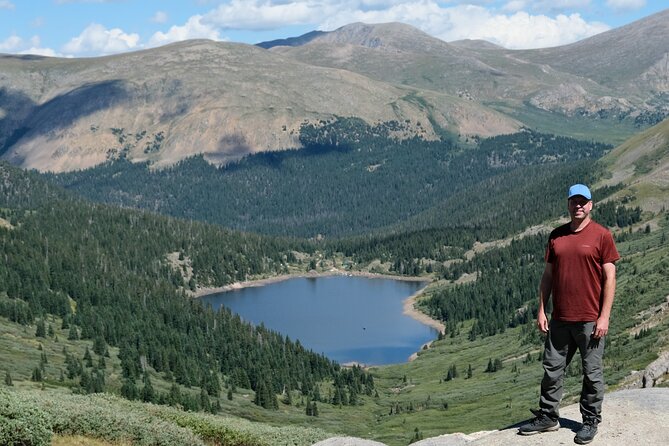
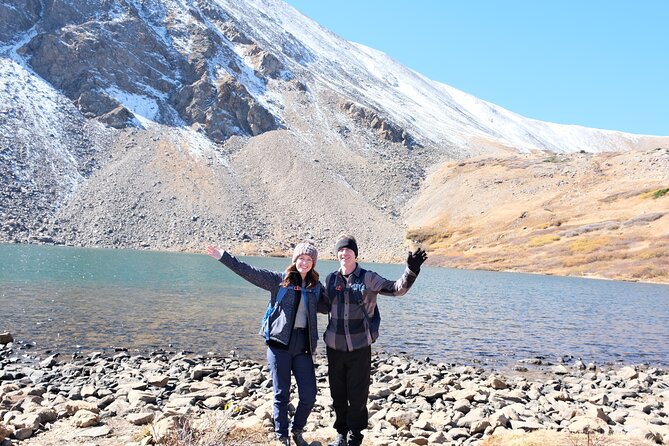
Colorado in spring can be confusing. One day you’re walking through wildflowers; the next day, the trail looks like it belongs in winter. This hike is designed for that reality. The guide picks the best lake based on current trail and snow conditions, and when the higher routes are still blocked (often well into June), the tour shifts you to a gorgeous lower-elevation option.
That snow-aware approach matters for two reasons. First, it keeps the day from turning into a disappointment when a higher trail is unsafe or simply too snowy. Second, it changes the kind of hike you’ll get. A snowy basin hike feels different than a summer-like walk, and that difference is usually the point—because alpine lakes still look stunning even when they’re framed by lingering snowbanks and bold mountain ridgelines.
You’ll also notice a pattern in the kinds of lakes offered. Some are dramatic and exposed; some are tucked into forest; some are bright with wildflowers in the basin. That variety is what makes “alpine lakes” feel more like a mini-alpine trip across the region instead of one single trail you might walk on your own.
You can also read our reviews of more tours and experiences in Denver.
The 9:30am Union Station Pickup: Simple Start, Real Mountain Time
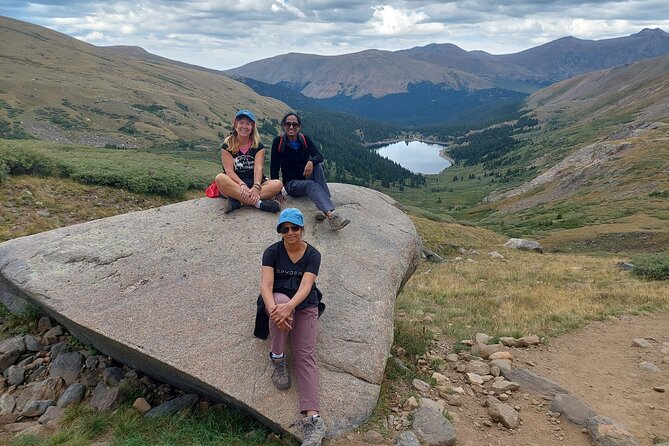
This experience is built around a clean start point. You meet at Union Station, Denver (80202) at 9:30am, and pickup is offered by a grey minivan (listed as Crwa99). The tour ends back at the same meeting point, which keeps logistics easy if you’re basing yourself in downtown Denver.
The drive to the trailheads is typically 1 to 1.5 hours from Denver. That timeframe is important because it frames the day’s pacing. You’re not spending hours commuting and waiting around—you’re using that time to get altitude-ready and settle in before the hike begins. It also gives the guide space to set expectations: what the terrain is like, how the day will likely run, and what to watch for on the trail.
Also, this is a mobile-ticket style experience, and the tour runs in English. For a guided outdoor day, that helps you spend less time figuring out logistics and more time paying attention to the hike.
How the Day Works: From Lake Trailheads to Lunch With Views
Plan for a ~6-hour total day. The core hiking block is typically about 3 hours on the trail, and the route is usually 4 to 6 miles round trip. Elevations generally land between 9,000 and 12,000 feet, which is high enough to feel it—especially if you’re not used to altitude hiking.
Here’s the flow you can expect:
- Pickup and drive from Union Station toward the day’s chosen trailhead.
- Guided hike that’s paced for comfort, with short breaks to regroup.
- Lunch overlooking a lake, timed as a high-point moment rather than an afterthought.
- Return to the meeting point after the hike wraps up.
One detail that shows up in how these trips run: the guide doesn’t just keep you moving; they manage the day. Short micro-breaks help you keep steady energy on a high-elevation trail. And when weather or snow shifts the route, the guide adapts without turning the day into chaos.
Silver Dollar, Lost Lake, Lake Isabelle, and Crater Lakes
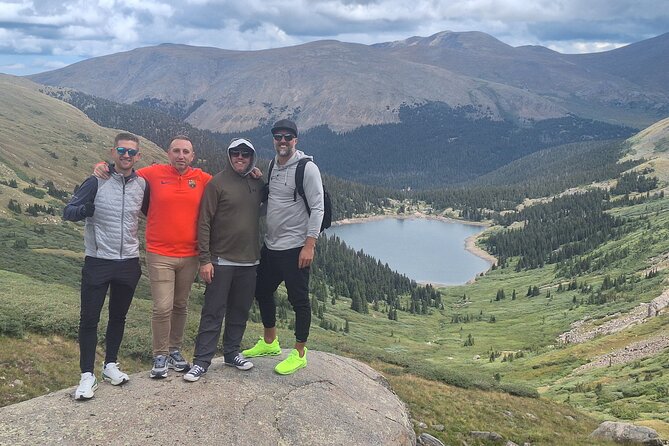
The tour isn’t limited to one hike. It’s a menu, and the guide selects what fits the day’s conditions. Here are the destinations listed—and what each tends to offer based on the descriptions and the way people talk about their experience.
Silver Dollar Lake: Ridgeline drama with big alpine payoff
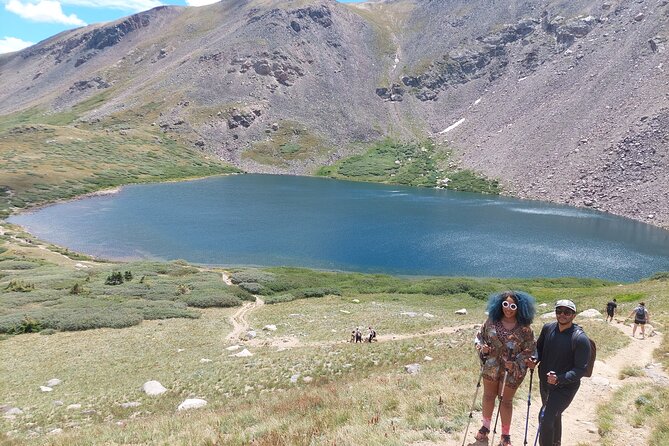
Silver Dollar Lake is known for a sparkling lakeside experience and a dramatic ridgeline feel. If you want the classic “Rockies photo” moment—open views, striking mountain silhouettes, and a lake that looks like it belongs on a postcard—this is a great choice.
It also tends to be the kind of trail where you’ll notice the scenery changing as you gain elevation. That’s one reason the drive time feels worth it: you’re earning views without needing to spend all day climbing.
Lost Lake: Tranquil, forested, and calmer in feel
Lost Lake is described as tranquil and forested. That matters because not every alpine hike needs to feel exposed and windy. A forested setting can feel cooler, quieter, and more forgiving for your body—especially if you’re managing pacing at altitude.
Lake Isabelle: Wildflowers and a basin setting
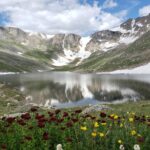
Lake Isabelle is listed as wildflower-filled. A basin hike tends to feel like you’re walking into a bowl of scenery—mountain views on multiple sides and a strong sense that the lake is the destination you’ve been working toward.
If you’re visiting Denver in late spring and you’re hoping to catch wildflower season, this is one of the names you’ll want on your shortlist.
Crater Lakes: Secluded twin lakes under rugged cliffs
The Crater Lakes are described as secluded, tucked beneath rugged cliffs, and offered as twin lakes. This is the “slow down and look” option. Even with the same general hike length, a cliffy, secluded setting changes the mood of the day.
And because the guide chooses routes based on snow and safety, you might find the crater experience feels more accessible on certain dates than others—another reason to book for the conditions you’ll actually be there.
The Guide Makes It: Jeremy’s Way With Terrain, Snacking, and Small Moments
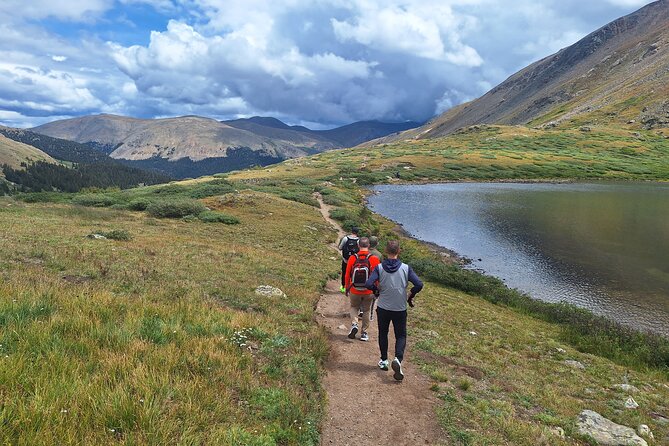
In the best versions of this trip, the guide doesn’t just lead the route—they handle the details that make a half-day feel like a full experience.
Route flexibility when conditions shift
Colorado weather can write a new plan. On days when a higher trail is blocked (snow, warnings, or unsafe bridges), the guide switches to an alternative lake with similar scenery. That’s not a small thing. It keeps you from losing the whole day to one closed stretch of trail.
Even when a snow bridge gives way in spring, the day can still turn into something special: you’ll still hike into real mountain terrain, just with a different rhythm.
Warm snacks and a lunch that feels intentional
One of the most repeated positives is the food. People mention snacks, hot chocolate, and sandwiches, plus a lunch package that tastes extra good after time on the trail. That matters because alpine hikes can drain energy fast—especially near 10,000 feet—and a warm drink is both practical and morale-boosting.
Conversation beyond the trail
Another standout in the day’s feel is conversation. The guide is happy to explain the local area—Denver, Boulder, and the Rockies—and that background helps the scenery make sense while you’re walking through it.
Pace, Altitude, and What Moderate Fitness Means in Real Life
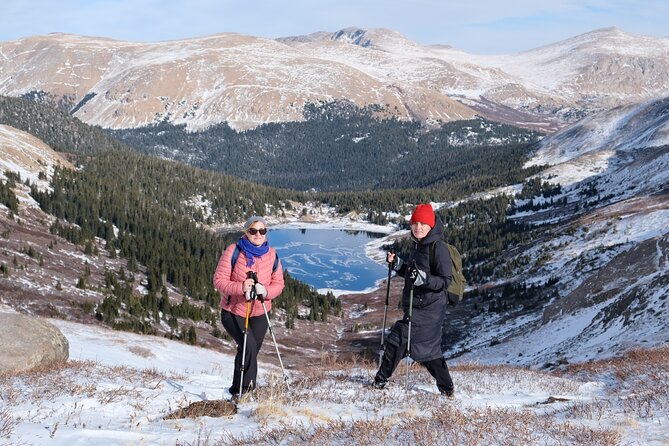
“Moderate physical fitness” is the right phrase here, because you’re not doing technical climbing. But you are hiking at altitude. Between 9,000 and 12,000 feet, even a steady walk can feel like a workout—especially if you arrive from sea level and your legs haven’t adjusted yet.
The route is typically 4–6 miles round trip, taking about 3 hours on the trail. That’s not extreme distance, but it adds up when the ground is uneven and the air is thinner. If you’re comfortable with day hikes and you can walk at a steady pace, you’ll likely be fine.
If you’re the kind of traveler who gets winded easily on stairs, you might still manage it, but go slower, use the micro-breaks, and keep your expectations realistic. The guide’s job is to manage the day for the group size and conditions—not to turn it into a race.
Value Check: Why $120 Can Be a Good Deal for a Guided Alpine Day
At $120 per person, this isn’t a bargain-basement outing. But it has built-in value that adds up quickly in mountain time.
Here’s what you’re paying for, beyond “a guide”:
- Pickup and drop-off from Denver at Union Station.
- Transportation to trailheads 1 to 1.5 hours away.
- A small group experience with a maximum of 6 travelers.
- A guide who handles snow/route changes, so you’re more likely to still hike even when conditions are tricky.
- Food support that includes snacks and warm items like hot chocolate, plus a lunch package.
- A day designed for the outdoors, not just a quick walk.
When you add all that together, the price starts to look more reasonable—especially if you’d otherwise pay for transportation, trail timing, and a bunch of trial-and-error trying to match the “best lake” to current snow conditions.
Also, this tour tends to be booked about 27 days in advance on average. If you know your dates and you want a slot, booking sooner can help you avoid missing the window.
What to Bring (and What to Expect) for Snow-Ready Hiking
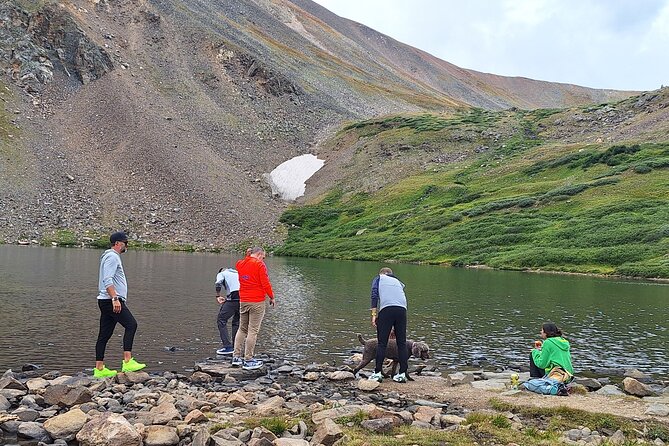
The tour selects the destination based on snow conditions, and that’s the real clue: your day may start like spring and end with winter-style footing. You’ll want to be ready for that.
Keep these practical points in mind:
- Expect altitude between 9,000 and 12,000 feet.
- Expect conditions that can stay snowy into June on higher trails.
- Wear shoes with decent traction. Even on “lower elevation” options, the mountain surface can still be slick or uneven.
- Bring layers. Mountain weather can shift fast.
- Plan to move at a steady pace. The day has structure: about 3 hours on the trail, with breaks.
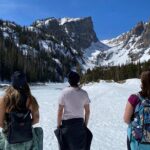
If snow is deep, you might use equipment appropriate for the conditions (one trip described working through deeper snow with snowshoes). Don’t assume it will happen every time—but do assume your guide is watching the ground carefully and making smart calls.
Quick FAQ: Alpine Lakes From Denver
FAQ
Where does the hike start?
You start at Union Station, Denver, CO 80202, USA.
What time does the tour begin?
Start time is 9:30am.
Is pickup offered?
Yes. Pickup details list a grey minivan (Crwa99).
How long is the tour?
The duration is about 6 hours.
How far do you hike?
Most hikes are about 4 to 6 miles round trip.
What elevation will we reach?
The hikes typically reach elevations between 9,000 and 12,000 feet.
Which lakes might we visit?
Popular destinations include Silver Dollar Lake, Lost Lake, Lake Isabelle, and the Crater Lakes.
How does the guide choose the destination?
It depends on current trail and snow conditions; if higher elevation trails are still snow-covered, the tour goes to a lower-elevation lake.
How fit do I need to be?
The tour says you should have a moderate physical fitness level.
Is the tour in English, and is it small-group?
Yes, it’s offered in English, and the maximum group size is 6 travelers.
Should You Book This Alpine Lakes Hike?
If you want a guided Rocky Mountains hike that’s designed for real Colorado conditions—snow, trail variability, and altitude—this is a strong bet. I’d book it if you value small-group attention, a plan that adapts when trails are blocked, and a day that includes more than just walking (like warm snacks and a lunch with lake views).
I’d think twice if you’re looking for an easy, flat stroll or if high-elevation hiking is outside your comfort zone. This is moderate hiking at altitude, and the snow factor means you should be ready for mountain terrain that changes quickly.
One last practical nudge: because it’s commonly booked about a month in advance, if your dates are fixed, book early and stay flexible on the lake choice. That’s the whole point of a snow-aware alpine day.