REVIEW · DENVER
Hiking in the Rockies – Group hike tour near Denver
Book on Viator →Operated by Hiking in the Rockies · Bookable on Viator
Short, guided hikes in the Rockies can be surprisingly hard to plan on your own. This one is built for stress-free mountain time: you meet in Denver, get a carpool to the trail, then spend the morning or afternoon learning what you’re looking at while a guide sets the pace.
I love that you get real trail guidance without the usual guesswork. The guide matches the day’s hike to the group, shares flora and fauna along the way, and even builds in enough breaks for photos and recovery.
One thing to consider: altitude. Even when the hike is “easy to moderate,” the route can reach 6,000 to 12,000 feet, so if you don’t exercise regularly (or you’re new to hills), you’ll feel it more than you’d expect.
In This Review
- Key things that make this hike worth your time
- Rockies hike near Denver, minus the planning headache
- How the hike pace really works at 6,000 to 12,000 feet
- The guides make this feel like a small adventure, not a bus-and-trail day
- What you’ll learn: wildflowers, trees, and animal clues along the way
- Trail time: sunshine, views, and a flexible route west of Denver
- Possible add-on stops around Denver: from Red Rocks to Dinosaur Ridge
- Winter hiking with Yak Traks: traction beats bravado
- What’s included (and how to think about the $65 price)
- How to prepare so the day feels fun, not rough
- Who this Rockies group hike is best for
- Should you book this Rockies hike near Denver?
- FAQ
- How long is the hike experience?
- Where do I meet the group?
- How hard is the hike?
- Do you hike inside Rocky Mountain National Park?
- What elevations should I expect?
- What do you provide in winter?
- Is water or lunch included?
Key things that make this hike worth your time
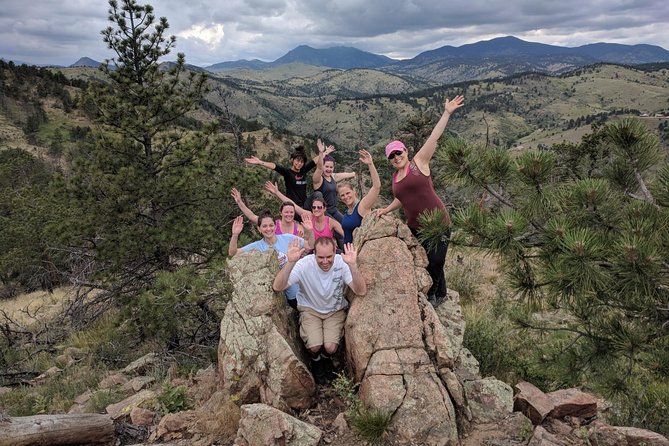
- Small group (max 12) means more attention and a less chaotic trail experience
- Carpool within about an hour of Denver saves you the rental-car hassle
- Wildlife and plant spotting with your guide turns scenery into something you can name
- Two-to-four hour hike window works well for a half-day in Colorado
- Winter traction help with Yak Traks when the snow and ice show up
- Trail choice adapts to your group so beginners aren’t stuck doing too much
Rockies hike near Denver, minus the planning headache
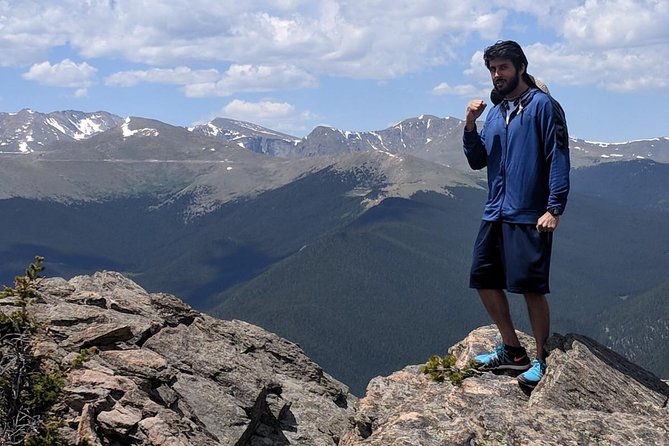
If you’re visiting Denver, you probably want two things from a mountain day: good views and less logistics. This tour delivers both. You start at Huckleberry Roasters in Denver (4301 N Pecos St), then you’re off to the Rockies within about an hour, where the day becomes mostly walking, breathing, and looking around.
The format is simple. You carpool to the trailhead, hike for about 2 to 4 hours depending on the route, and then return to your starting point. In that window, guides also plan snack breaks so you don’t end up rationing energy with a mile left to go.
You can also read our reviews of more tours and experiences in Denver.

How the hike pace really works at 6,000 to 12,000 feet
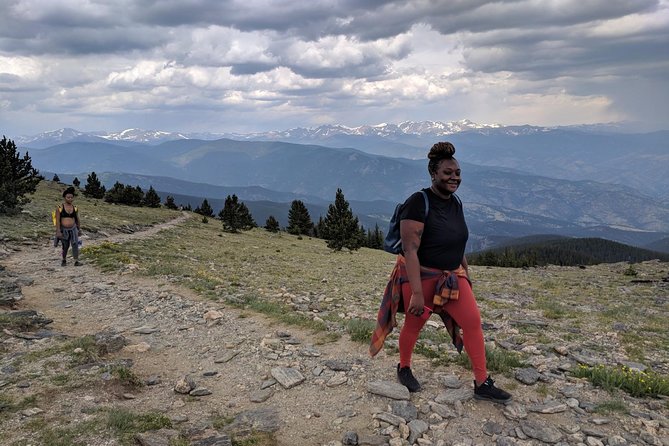
The biggest factor isn’t just distance. It’s altitude, weather, and how your body handles effort. The tour’s elevation range can land anywhere from 6,000 to 12,000 feet, and that’s why the hike is described as easy to moderate for people in good physical shape but can be challenging if you don’t hike or aren’t used to altitude.
Here’s the practical part: you should expect to move slower than you would at sea level. Even when the grade looks manageable on paper, the air can feel thinner. The guides in the reviews also talk about adjusting the route and making sure everyone feels safe, including giving you breathing breaks when needed and encouraging a steady pace instead of a fast push.
If you’re coming from a flatter state, plan for extra water and extra patience with your breath. The tour includes snacks, but it’s still on you to hydrate well and pace yourself.
The guides make this feel like a small adventure, not a bus-and-trail day
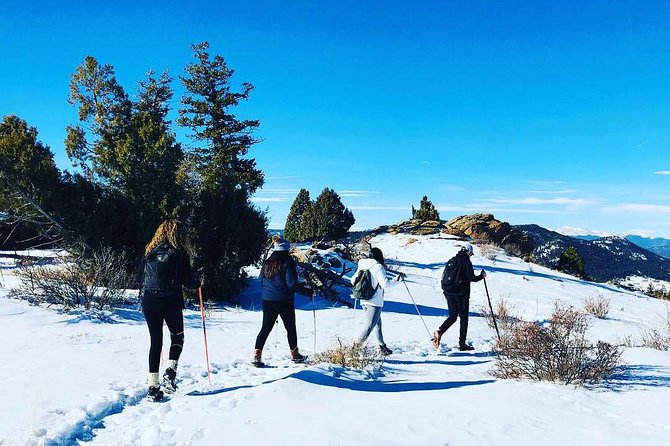
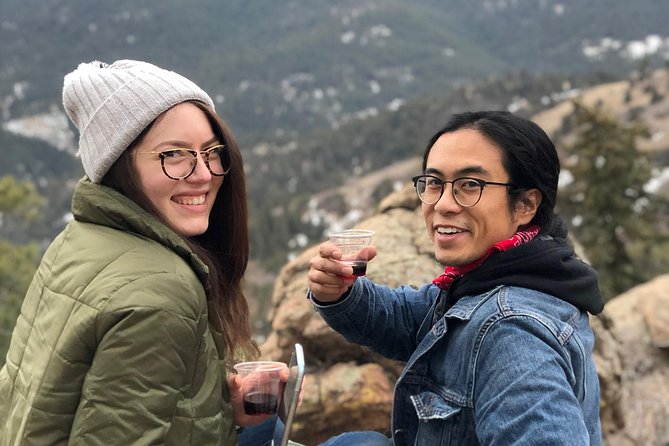
A guided hike can be either a lecture or a conversation. This one leans toward fun and connection, and the reviews give you a clue why. Multiple hikers rave about guides like Brian and Adrienne, plus others such as Madison, Ryan, and Cody, for being upbeat and matching the group’s energy.
What stood out across the feedback:
- Guides often give you options for different hike styles and let the group choose.
- They keep the day flowing with jokes and friendly conversation, not silence and staring at the ground.
- They help with comfort and safety, including route selection when weather changes.
One traveler even noted that Brian takes strong group photos and doesn’t rush you for pictures. Another mentioned moose-and-bear safety tips, which is the kind of real-world guidance that makes wildlife spotting feel exciting instead of stressful.
If you’re traveling solo, this matters. A good guide helps you feel like you’re with people, not just passing through.
What you’ll learn: wildflowers, trees, and animal clues along the way
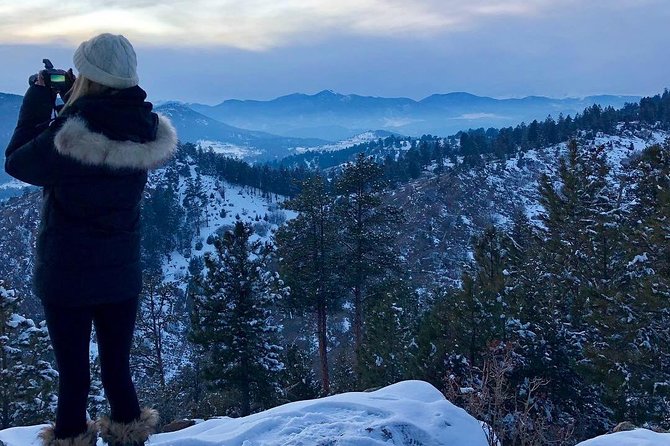
The tour is designed around more than step counts. You’ll learn about wildflowers and trees you pass, plus general flora and fauna details so your brain has something to latch onto besides elevation.
You shouldn’t expect a textbook, though. The style described in the reviews sounds practical: quick context, interesting observations, and answers to the kinds of questions you naturally ask while stopping to look. That makes the views more satisfying because they feel connected to something real, not just pretty from a distance.
And yes, wildlife is possible. The guides also prepare you for wildlife behavior so you know what to do if you see something out of the ordinary. You’ll likely come away more alert on the trail, which is a nice side effect for a half-day outing.
Trail time: sunshine, views, and a flexible route west of Denver
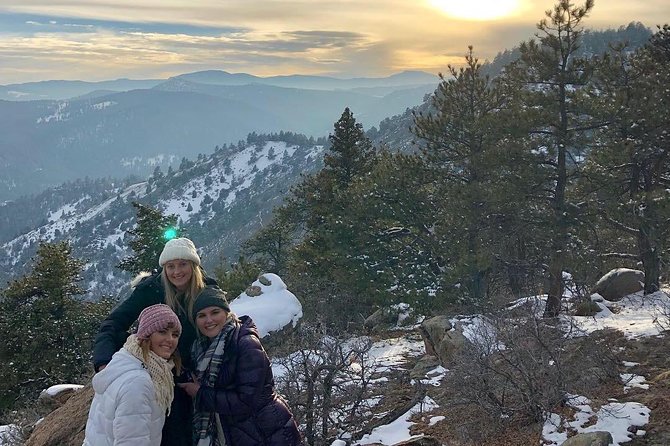
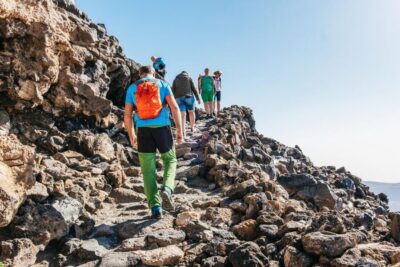
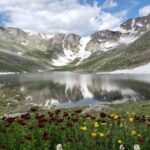
This hike happens in the Rocky Mountains west of Denver, and specifically not in Rocky Mountain National Park. That matters because it usually keeps the day grounded in the Denver-accessible area while still giving you big-mountain scenery.
The itinerary is flexible, with the route picked based on what the group wants. In real terms, that means:
- If you’re chasing panoramic viewpoints, you’re more likely to get a route that fits that goal.
- If the group leans beginner or just wants comfort, the guide can shorten or simplify.
- If weather threatens, the guide can adjust the route to avoid the worst of it.
You’ll hike with breaks for snacks and water. Those pauses are not just for eating; they’re also when the guide points things out and helps you slow down enough to actually enjoy what you’re seeing.
Possible add-on stops around Denver: from Red Rocks to Dinosaur Ridge
Even though the main event is the hike, the day can include extra stops depending on the route and group. The tour lists a few “potential stops,” which is your cue that not every stop will happen every day.
Here’s what each one means for your experience:
Denver (as a setup and photo context)
You’ll start in Denver, so the “Denver” stop is mostly about getting oriented and getting you moving without stress. If you’re new to the city, the guide’s local perspective can help you understand what you’re seeing on the way out.
Morrison (close-to-the-mountains attitude)
Morrison sits right in that Denver-to-rockies corridor. If your day includes this stop, it can add variety beyond just trail time. The potential drawback is simple: every extra stop eats a little into your hike window or meal timing.
Dinosaur Ridge (a quick nature-history hit)
Dinosaur Ridge is a real, specific place. If your day includes it, you’ll probably get a short diversion that makes Colorado feel deeper than just scenery. The tradeoff is time—if you’re hoping for maximum hiking miles, a detour can reduce that.
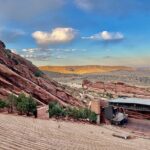
Red Rocks Park & Amphitheatre (big views, iconic setting)
Red Rocks is dramatic even when you’re only passing through or stopping briefly for photos. If your day includes it, you’ll likely get an easy win for viewpoints. The possible drawback is crowding and the temptation to spend too long staring upward instead of staying on schedule.
The key here: because the route is flexible and chosen for your group, you shouldn’t treat these stops as guaranteed. Think of them as possible bonuses, not the core promise.
Winter hiking with Yak Traks: traction beats bravado
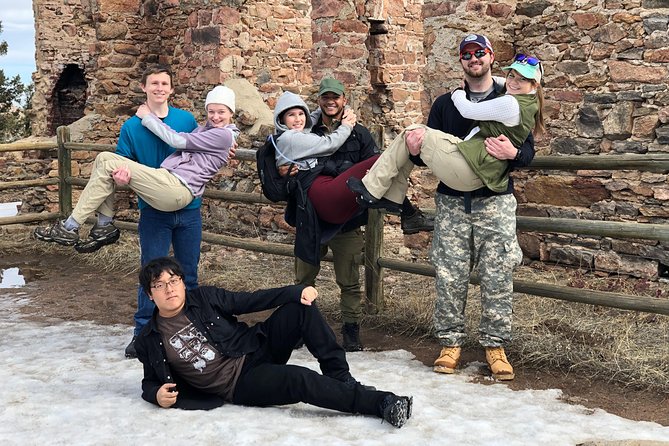
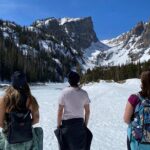
In winter months, the tour provides Yak Traks (traction devices you put on your shoes). That’s a big deal because ice and packed snow can turn an easy trail into a slip-and-save situation fast.
If you’ve never worn traction gear before, you’ll appreciate two things:
- You’re not guessing what to buy. The spikes are part of the plan.
- Your guide helps you use them correctly so you can walk with confidence.
Reviews also mention winter gear help. If you ask ahead of time, they can bring an extra layer, hat, or gloves. That’s useful if your trip gear is slightly off for cold mountain weather.
If you’re visiting in shoulder season, expect variable conditions. The guide can also choose the safer route if rain or bad weather rolls in.
What’s included (and how to think about the $65 price)
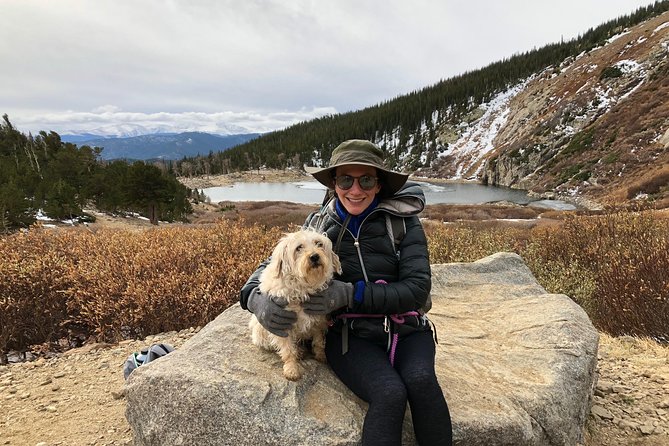
At $65 per person for roughly 5 hours, the value is mostly about what you’re not doing: not driving yourself in winter, not figuring out a trail choice alone, and not trying to interpret plants and wildlife without help.
Here’s what’s included:
- Snacks
- Spikes/Yak Traks in winter
- Help from your guide (including, when requested ahead, extra warm items like an extra layer, hat, or gloves)
- A small-group experience with laughs and new connections
What’s not included:
- Bottled water (you’re encouraged to bring a reusable bottle)
- Lunch is flexible: the day’s hike length can determine whether you grab sandwiches on the way and eat on the trail, eat lunch together after, or handle it on your own
The practical way to judge the cost: if you’re paying for a rental car, parking, and trail research time, the guided structure starts to look like a bargain. Even if you don’t, the guide’s flexibility and the winter traction equipment can save you real headaches.
How to prepare so the day feels fun, not rough
If you want this to feel like a rewarding half-day and not a struggle, pack and plan like you’re hiking in Colorado, not just visiting Colorado.
Do this:
- Bring a reusable water bottle (bottled water is not included)
- Wear trail shoes that work well on rock and in snow/ice
- Dress in layers, since the elevation can change how you feel
- If you’re sensitive to altitude or hills, take it slower at the start
Useful mindset: trust the guide when they choose a shorter or easier path. Reviews repeatedly mention that guides adapt to different experience levels, including letting groups pick between hike options.
If you’re short on winter gear, ask ahead for the extra layer/hat/gloves. And if you’re prone to cold hands, bring gloves even if you think Yak Traks alone will handle it.
Who this Rockies group hike is best for
This tour fits best when you want:
- a guided way to get steps in with big mountain views
- someone else handling trail selection and pace
- a social-but-not-stuffy group hike
- an outing that works even if you don’t rent a car
It’s also a great solo option. One solo traveler described feeling completely at ease, with the guide creating a relaxed vibe and helping with comfort the whole time. Families and groups can also work well since the guide can tune the route to the skill mix.
Who might find it less ideal:
- If you want a totally flat walk, the 2 to 4 hours and elevation range can be too much.
- If you don’t exercise regularly, altitude may make the moderate parts feel harder than you planned.
Should you book this Rockies hike near Denver?
Yes, you should book it if you want a guided mountain day that feels like a shared experience, not a checklist. The small group size, carpool convenience, and winter Yak Traks make it a strong value for Denver visitors, especially if you’re short on time or don’t want to research trails for hours.
Skip it (or choose a gentler option if offered) if you know you’re very sensitive to altitude or you’re craving an easy, low-elevation stroll. And if winter traction is a concern for you, this tour already covers it—so that alone might tip the scale.
If you’re deciding on timing, remember: this is a popular half-day and books up. If you can, lock in your date early so you’re not stuck with a rainy or snowy day.
FAQ
How long is the hike experience?
It runs about 5 hours total, with actual hiking time typically around 2 to 4 hours.
Where do I meet the group?
You meet at Huckleberry Roasters, 4301 N Pecos St, Denver, CO 80211, and the tour ends back at that same meeting point.
How hard is the hike?
It’s described as easy to moderate for people in good physical shape, but it can be challenging for people who do not exercise regularly and for those not used to altitude.
Do you hike inside Rocky Mountain National Park?
No. The hike takes place in the Rocky Mountains west of Denver, not in Rocky Mountain National Park.
What elevations should I expect?
The elevation during the hike can be somewhere between 6,000 and 12,000 feet.
What do you provide in winter?
In winter months, the tour provides Yak Traks to improve traction on icy and snowy conditions.
Is water or lunch included?
Snacks are included, but bottled water is not. Lunch depends on the hike length: you may grab sandwiches on the way and eat on the trail, eat lunch together after, or do your own thing after the hike.