A peak hike with real Lofoten payoffs. This guided trek toward Kleppstadheia is built for real walking time in the mountains, with a helpful guide and walking poles if you want them.
I like the mix of wilderness effort and practical guidance, so you know what to do before the trail asks more of you.
Two things I especially love are the small group limit and the way guide Timea handles different hiking styles. The only drawback to plan around is that the hike depends on good weather, so you’ll want flexibility if conditions are rough.
In This Review
- Key points at a glance
- Kleppstadheia: Why This Lofoten Peak Hike Makes Sense
- From GimsøystraumenE10 to the Peak: How the 3–4 Hour Plan Works
- Guide Timea: Patient Pacing and Peak-Target Encouragement
- Footing, Wind, and Layers: What to Pack for Lofoten Weather
- What the Small Group of 8 Really Changes on a Mountain Trail
- Value Check: Is $139.48 for This Wilderness Hike a Smart Deal?
- Weather-Dependent Hiking: When You Should Book and When You Should Think Twice
- Meeting Point and Start-to-Finish Flow (So You Don’t Waste Time)
- Who This Lofoten Hiking Tour Fits Best
- Should You Book This Kleppstadheia Hike?
- FAQ
- How long is the hike in Lofoten?
- Where does the tour start and end?
- Is there an admission fee for the mountain peak?
- What is included in the price?
- What should I bring with me?
- What hiking level is required?
- How large is the group?
- Is the tour in English, and do I need a physical ticket?
Key points at a glance
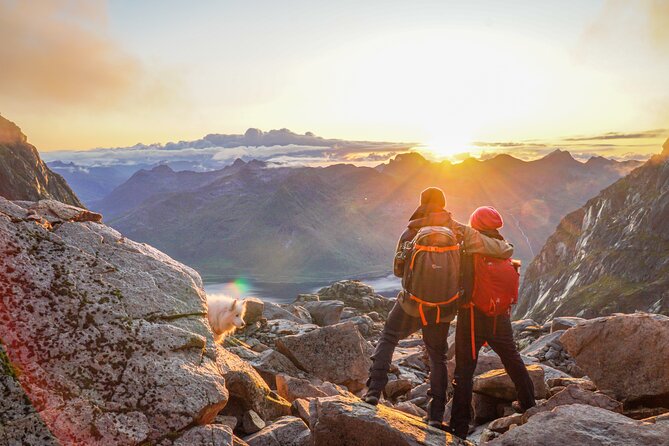
- Kleppstadheia mountain peak hiking for a focused 3–4 hour wilderness outing
- Small group of max 8 means more attention and a calmer pace
- Walking poles provided if you need a pair
- Guide Timea is noted for patience, kindness, and pacing people to their level
- Bring wind-and-waterproof layers because mountain weather can change fast
- Admission at the mountain peak is free, so you’re paying for the experience, not extra entry fees
Kleppstadheia: Why This Lofoten Peak Hike Makes Sense
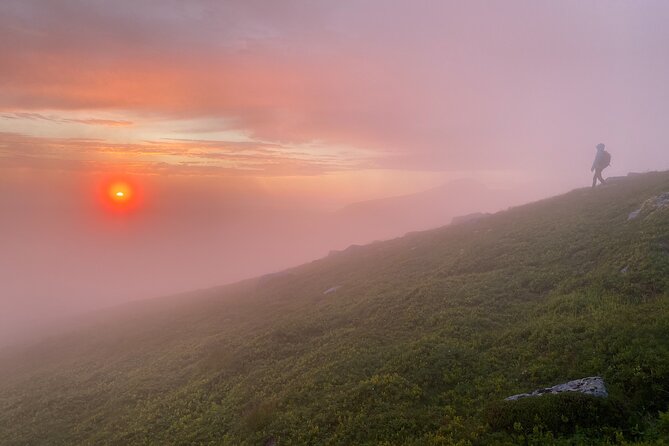
Lofoten gets famous for its dramatic cliffs and fishing villages, but the payoff here is the hiking version of that magic. This experience takes you toward a mountain peak at Kleppstadheia, giving you a chance to earn big views without committing to a full-day trek.
What I like about this setup is that it feels balanced. You’re not just walking on a flat path; you’re going uphill enough to feel the mountains. At the same time, the tour is described as a moderate-fitness hike, which makes it more approachable than some of Lofoten’s more serious backcountry routes.
Another reason this is a strong choice is the timing. Around 3 to 4 hours is long enough to feel like you escaped the roads, but short enough to still enjoy the rest of your day. In Lofoten, that matters because you’ll often want to pivot your plans around weather, light, and how tired you feel.
You can also read our reviews of more tours and experiences in Lofoten.
From GimsøystraumenE10 to the Peak: How the 3–4 Hour Plan Works
The tour is scheduled for about 3 to 4 hours, and it starts and ends back at the meeting point: GimsøystraumenE10, 8313 Kleppstad, Norway. That round-trip structure is underrated. You don’t have to solve transport logistics or worry about where you’ll be dropped off after the climb.
You’ll have one main hiking stop: Kleppstadheia, the mountain peak area. The time budget is set at about 4 hours, and the mountain peak entry is listed as free. Translation for your trip planning: you’re paying for a guided hike and the mountain time, not extra access costs.
Here’s what you should expect on the ground. You’ll start at the trailhead area with your guide, get set with the essentials, and then hike as a group toward the peak. The exact pace isn’t described, but the guiding style is, and it matters: Timea is described as patient and respectful of different hiking abilities, while still encouraging people to reach the peak they’re aiming for.
Also, because this is wilderness hiking rather than an urban stroll, you should plan your pre-hike routine. Arrive ready to move, not to shop or search for layers. If you come with comfortable shoes and a loaded backpack, the hike feels smooth. If you show up unprepared, it turns into work fast.
Guide Timea: Patient Pacing and Peak-Target Encouragement
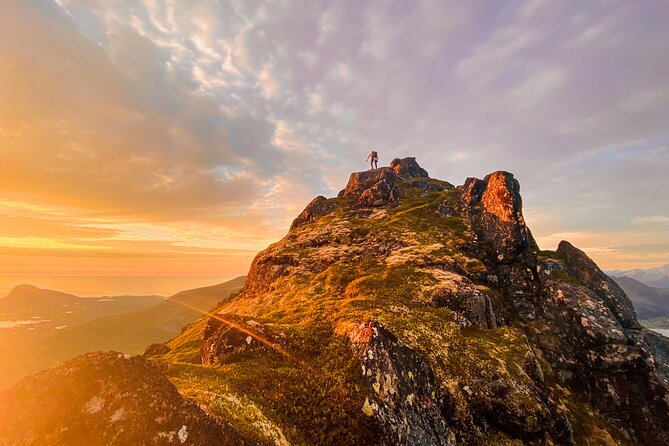
The biggest “value lever” on this hike is the guide. The reviews emphasize a person named Timea, and the themes are consistent: she’s kind, patient, and good at reading the group.
In practical terms, that means you’re not treated like you either can keep up or you can’t. Timea is described as respectful of all hiking abilities, while still motivating you to reach the peak you’re aiming for. I take that to mean the experience is designed for real humans, not fitness robots.
This is exactly what you want on a mountain hike in changing weather. On trails, the most common frustration isn’t the view; it’s pacing. If someone pushes too hard, people slow down and morale drops. If someone goes too slow, you feel like you missed the point. A guide who adjusts and encourages helps you get the best outcome: you end the hike tired in a good way, with the view you came for.
If you’re the type who likes to ask questions, this kind of guide also helps you understand what you’re looking at. Even when the route is simple, the mountain teaches through details like wind direction, footing, and how the trail changes.
Footing, Wind, and Layers: What to Pack for Lofoten Weather
This is where you win or lose the hike. The tour information is straightforward: dress according to the weather, and come equipped for changes. Lofoten can be brisk, breezy, and wet even when it looks friendly from town.
Here’s the practical checklist they suggest, and how I’d think about it:
- Wear comfortable hiking shoes. Not sneakers that feel fine on pavement. You need grip for uneven ground.
- Bring a backpack with water and snacks or a sandwich. A peak hike is still a physical effort, and you’ll want fuel.
- Bring a cap, sunglasses, and sunscreen. Even in cooler climates, sun and wind can still get to you.
- Pack extra layers, plus wind-and waterproof layers in your backpack. Windproof matters because it can drain warmth fast.
I also recommend you think in terms of “remove layers, not add layers.” If you start the hike already sweaty and you stop later when you’re cold, you’ll feel miserable. Starting with layers you can manage while moving is the safer move.
One more small point: walking poles can help with balance and reduce stress on knees. If you need them, the tour provides walking poles. If you’re already used to poles, bring yours anyway, since you’ll know exactly how you like to set them.
What the Small Group of 8 Really Changes on a Mountain Trail
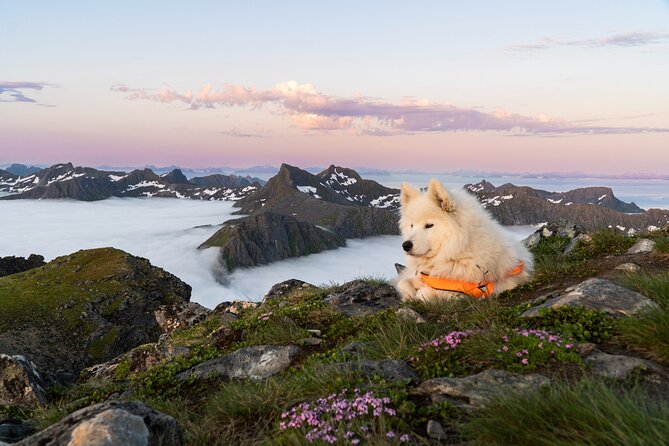
The tour caps at maximum 8 travelers, and it shows. On smaller hikes, you get a trail experience that feels more personal without getting precious.
With a group this size:
- You’re less likely to get stuck behind a slow line.
- Your guide can check in on footing and energy level without rushing.
- You can still hike at a pace that matches your comfort, which matters on steep or uneven parts.
It also makes the hike feel more flexible. Timea’s style is described as encouraging and patient, and smaller groups make that easier to put into action. Instead of one tempo for everyone, the guide can nudge people toward the peak they want, not just the pace that’s fastest.
Another plus for comfort: this is offered in English, and the structure includes a mobile ticket, which helps you keep your focus on the hike rather than paperwork.
Value Check: Is $139.48 for This Wilderness Hike a Smart Deal?
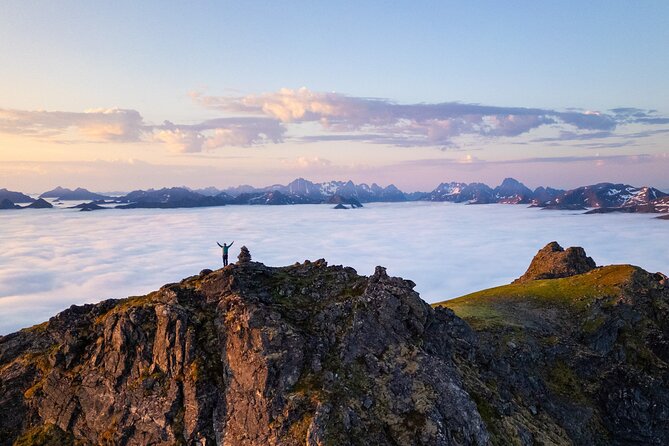
At $139.48 per person, this isn’t a bargain-bin outing. But it also isn’t priced like a premium luxury day. The value comes from what’s included and what’s not.
Included:
- All fees and taxes
- A guide
- Walking poles if you need a pair
Not included:
- You supply weather-appropriate hiking gear and your own food and water.
So you’re paying for a guided peak hike that runs about 3–4 hours, with a small maximum group size and practical gear support. In the Lofoten context, where trail access and mountain weather can make DIY plans a gamble, paying for a guide can be worth it. You’re buying fewer uncertainties: a plan, a pace, and someone who knows how to manage hikers safely through changing conditions.
If you’re traveling with limited flexibility, a guided hike also helps because it compresses decision-making. You don’t need to figure out the route details on the fly. You do need to show up prepared, but the hard work of coordination is handled.
For many people, the biggest “value test” will be this: do you want help on the mountain, or do you want to figure everything out yourself? If you want help, this price starts to make sense.
Weather-Dependent Hiking: When You Should Book and When You Should Think Twice
This experience requires good weather. That line matters because it impacts your plans more than almost any other detail. If conditions are poor, the tour can be canceled and you’ll be offered a different date or a full refund.
What I’d do with that information: if your schedule is tight, try not to book this as your only outdoor plan. Book it on a day you can shift your other activities around. If you have extra slack, this is easier because you can roll with weather.
Also, the tour expects moderate physical fitness. That’s not a “go anytime” label, but it is a friendly one. If you can handle a couple of hours of uphill walking on uneven ground, you’re likely in the right zone.
One more factor: it’s service-animal friendly. If that’s relevant to your travel, it’s good to see this is allowed.
Meeting Point and Start-to-Finish Flow (So You Don’t Waste Time)
The start is at GimsøystraumenE10, 8313 Kleppstad, Norway, and the activity ends back there. That gives you a clean beginning and a clean end, which I always prefer for mountain hikes.
You’ll also receive confirmation within 48 hours of booking, subject to availability. So if you book close to your travel dates, you should still expect a quick turnaround for the details you need.
The tour is also issued as a mobile ticket, offered in English. That helps keep the experience light on admin and heavy on mountain time.
When you arrive, treat the meeting point like your warm-up moment. Use it to check that you have water, snacks, sunscreen, and the layers you packed in your backpack. Once you’re moving, it’s annoying to stop to fix what you forgot.
Who This Lofoten Hiking Tour Fits Best
This hike fits well if you want:
- A guided mountain peak hike in Lofoten without turning it into a full day
- A small group experience where your guide can adjust to different hiking levels
- A practical setup with walking poles available
- An English-speaking guide experience
It might be less ideal if you:
- Hate the idea of weather-based change and possible rescheduling
- Don’t like uneven ground or uphill effort, even at a moderate level
- Arrive without the basics like waterproof layers, shoes with grip, and a plan for snacks and water
Should You Book This Kleppstadheia Hike?
If you’re looking for a genuine Lofoten wilderness hiking taste—focused, guided, and manageable—this is an easy yes. The combination of small group size, a guide like Timea who’s described as patient and encouraging, and practical inclusions like walking poles makes the whole thing feel more dependable than a solo plan.
My only hesitation for some people is the weather dependence. If you can’t handle that, don’t schedule this as the one moment your day absolutely must go perfectly. But if you can be flexible, you’ll likely appreciate how much you get from a half-day window.
So, I’d book it if you want guided mountain effort, clear practical prep, and the kind of hike where reaching the peak is the goal, not the obstacle.
FAQ
How long is the hike in Lofoten?
The experience runs about 3 to 4 hours.
Where does the tour start and end?
It starts at GimsøystraumenE10, 8313 Kleppstad, Norway and ends back at the same meeting point.
Is there an admission fee for the mountain peak?
The mountain peak stop lists admission as free.
What is included in the price?
The price includes all fees and taxes, a guide, and walking poles if you need a pair.
What should I bring with me?
Bring comfortable hiking shoes and a backpack with bottle of water and snacks or a sandwich. The tour also recommends a cap, sunglasses, sunscreen, and extra layers including wind-and waterproof layers.
What hiking level is required?
You should have a moderate physical fitness level.
How large is the group?
The tour has a maximum of 8 travelers.
Is the tour in English, and do I need a physical ticket?
The tour is offered in English, and it uses a mobile ticket.