REVIEW · POKHARA
Pokhara: Annapurna Foothills Day Hike with Transfers
Book on GetYourGuide →Operated by Snow Peak Tours and Travels pvt. ltd. · Bookable on GetYourGuide
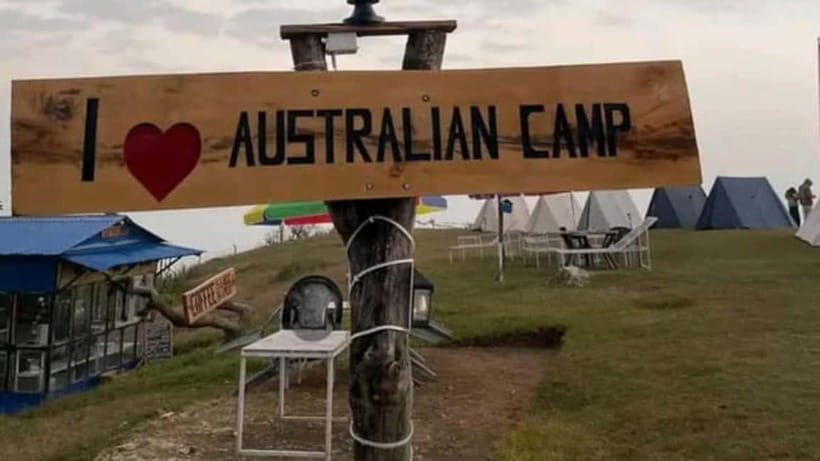
The Annapurnas feel close on this one-day hike. I like the Australian Base Camp views and I also like the way you get real Dhampus village culture in the same day.
It’s a practical choice when you want mountains and walking without committing to a multi-day trek. The hike still includes some uphill steps early on, so a slow start can save you from feeling wrecked.
In This Review
- One thing to consider
- Key things you’ll remember
- Kande to Australian Base Camp: your low-commitment entry to Annapurna foothills
- Australian Base Camp viewpoint: Annapurna and Machhapuchhre when the sky cooperates
- Dhampus village: Gurung culture with time to slow down
- The descent to Phedi/Ghattekhola: forests, farms, and a calmer feel
- Why the guide makes or breaks your day
- Transfers and timing: how the 8 hours actually feel
- Price and value: what $42 covers and why it’s fair
- What to pack: keep it simple and practical
- Weather and mountain views: how to plan for clouds
- How suitable is this hike for you?
- Should you book this Pokhara day hike?
- FAQ
- How long is the hike?
- Where do pickup and drop-off happen?
- What’s included in the price?
- Do I need permits for this hike?
- What languages will the guide speak?
- What should I bring?
- Is it suitable for wheelchair users or limited mobility?
- Is cancellation flexible?
One thing to consider
If the weather is cloudy, you may get limited mountain views. That said, the route through forests, terraced fields, and villages still holds up as a full-day experience.
Key things you’ll remember
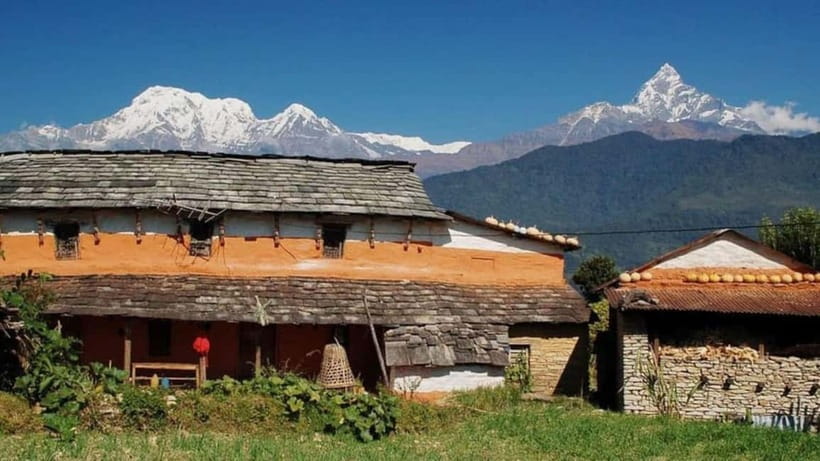
- Australian Base Camp is the main photo stop, with views toward Annapurna and Machhapuchhre (Fishtail) when skies are clear
- Dhampus village brings a Gurung feel, with time to talk, eat, and soak up local life
- Your guide’s pace matters a lot, and many guides (like Moti Thapa) are praised for adapting to different walkers
- A guided, step-by-step flow keeps the day organized, including breaks and scenic stops
- Forest + terraced farms give you variety beyond just one continuous climb
You can also read our reviews of more tours and experiences in Pokhara.
Kande to Australian Base Camp: your low-commitment entry to Annapurna foothills
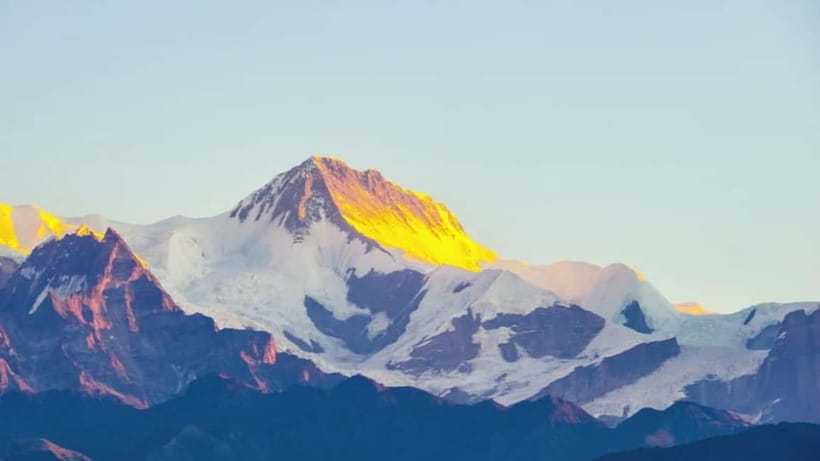
This is the kind of day hike I recommend when your time in Pokhara is tight but you still want that unmistakable Himalayan feeling. The route starts with a drive from Pokhara up to Kande, then shifts into walking with a steady rhythm rather than a steep, scary push.
The early trail climbs through forests and terraced areas, so it feels more like moving through working hills than “just another viewpoint trail.” Expect steps and short stretches of uphill, especially before you reach the main payoff.
Also, because your day is guided, you’re not guessing where to stop for photos, where to take breaks, or what you’re looking at. Several guide names show up repeatedly in real-world experiences, including Moti Thapa and Jeet Bhadur.
Australian Base Camp viewpoint: Annapurna and Machhapuchhre when the sky cooperates
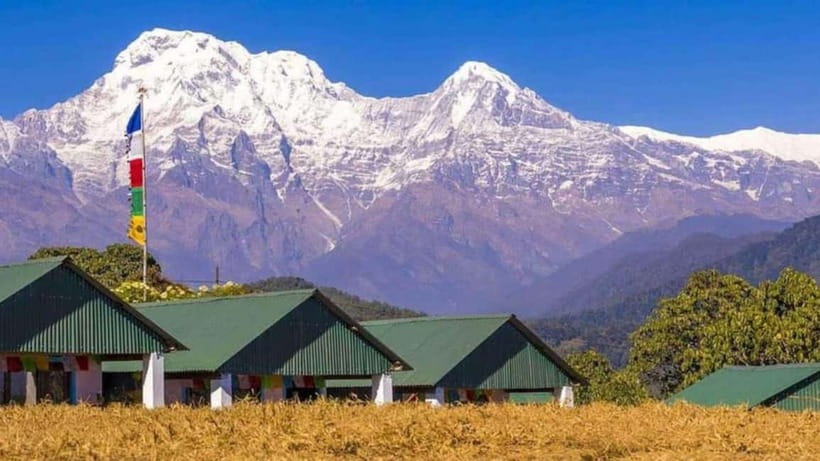
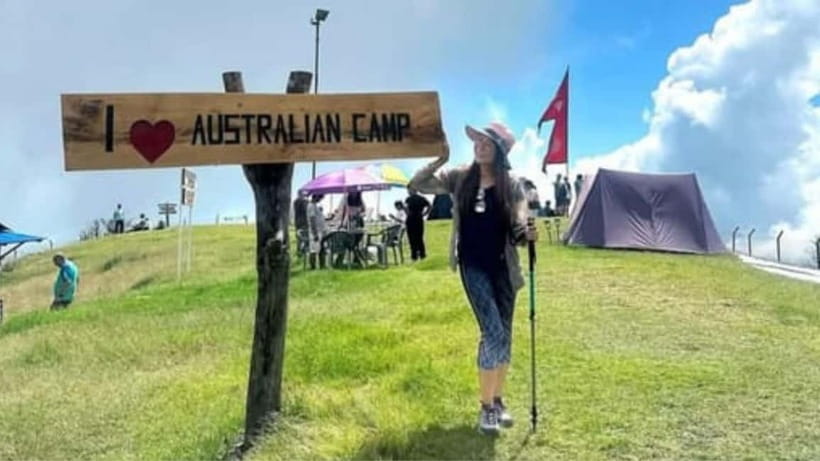
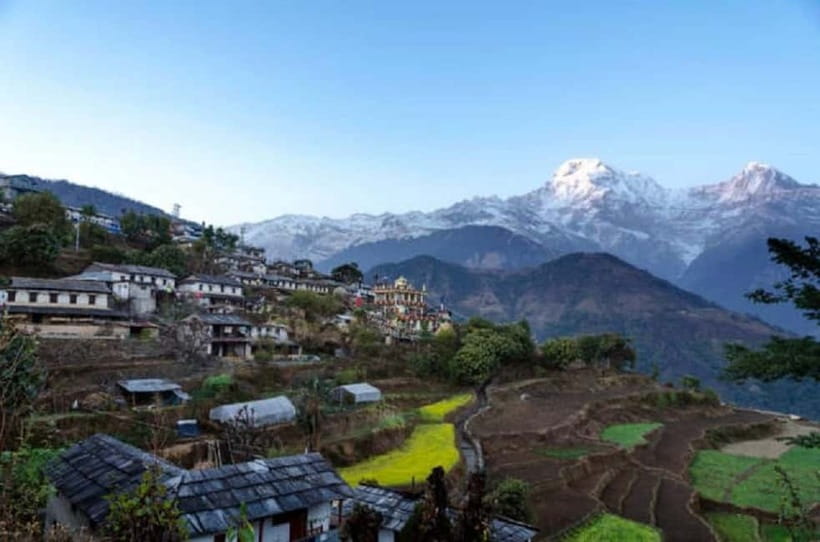
The big moment comes around Australian Base Camp, a well-known viewpoint where you can look out toward the Annapurna range and Machhapuchhre (Fishtail). When the weather is good, it’s the kind of sight that makes your legs feel lighter on the way up.
When it isn’t clear, it’s still not wasted time. One common theme in past experiences is that even with clouds limiting the mountain view, you still get great scenery on the hike, plus wildlife you might spot along the way.
How long you stay varies by group and conditions, but you’ll have time to pause, take photos, and reset before continuing. Guides often use this stop to explain what you’re seeing and how the terrain changes as you move on.
Dhampus village: Gurung culture with time to slow down
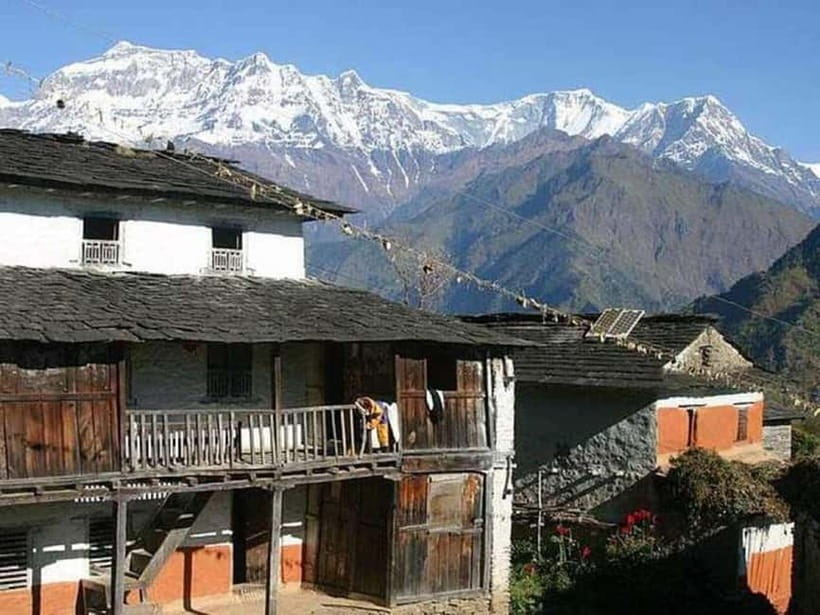
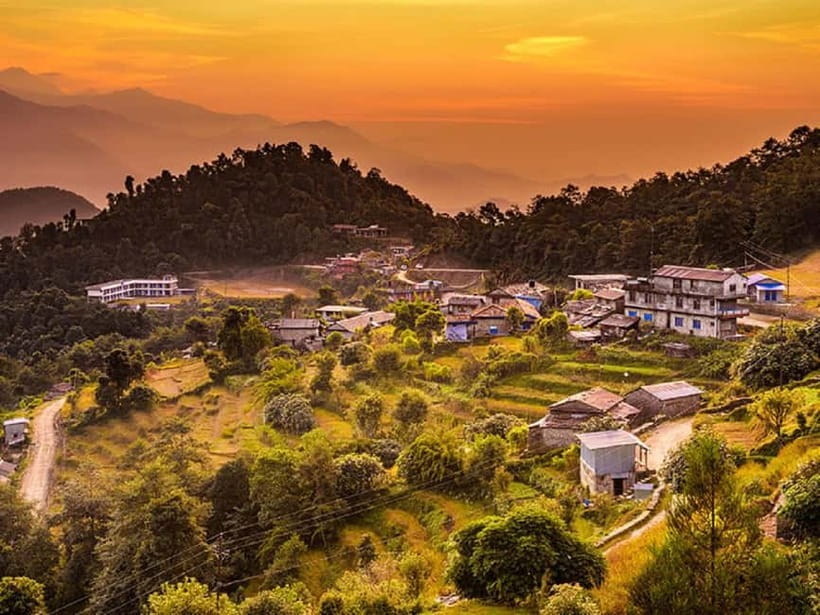
After Australian Base Camp, the hike moves toward Dhampus, a village with a strong Gurung presence. This part of the day is important because it adds culture and human scale, not just scenery.
On the trail, you’ll typically get gentle up-and-down sections, which can feel kinder to your body after the first climb. Dhampus also gives you a chance to interact with locals, explore at an easy pace, and take a real break.
If you like your travel to include conversations, this is where the day becomes memorable. Several experiences highlight how guides shared village context—how people live, what grows nearby, and how the local rhythm fits into the mountains.
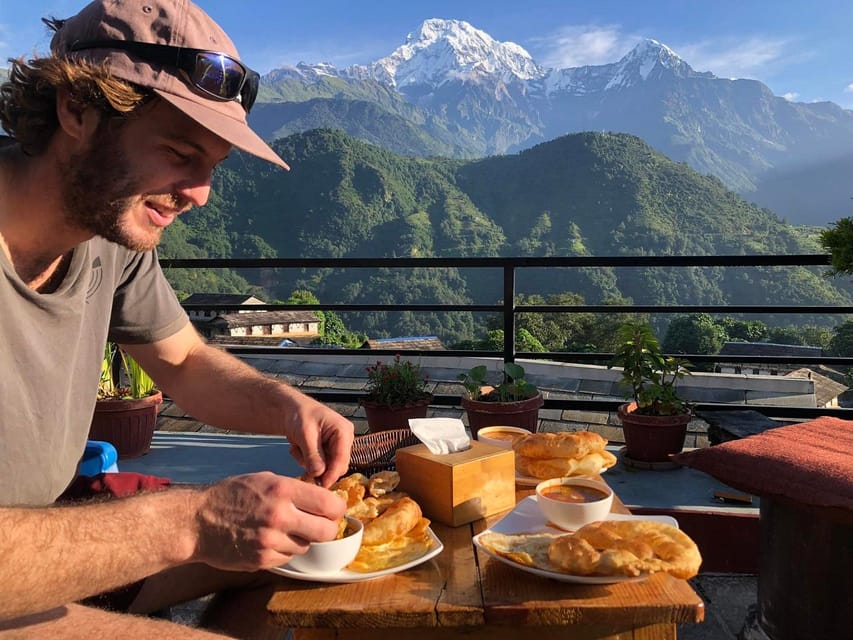
And yes, you’ll likely enjoy a proper meal here. One review-style theme you can count on: lunch is often a highlight, not an afterthought, especially when the guide knows good spots.
The descent to Phedi/Ghattekhola: forests, farms, and a calmer feel
After Dhampus, you start descending toward Phedi/Ghattekhola. This section shifts the mood. Instead of chasing altitude, you’re reading the trail like a moving photo gallery: forests, terraced fields, and local farmland patterns appear as you drop down.
Descending is easier than uphill on paper, but don’t underestimate your knees. Good shoes matter here, and your guide can help by adjusting pace and choosing sensible stops.
The final payoff is that once you reach Phedi/Ghattekhola, a vehicle takes over for the ride back to Pokhara. That makes this hike feel like a full day without the stress of managing a long return walk at the end.
Why the guide makes or breaks your day
This hike is built around a guided experience, and the guide quality shows up again and again in real feedback. English-speaking guides are part of the package, and language coverage can include English, Hindi, and Nepali, depending on who you’re assigned.
The most praised guide style is simple: clear explanations, patient pacing, and frequent photo or rest stops. Moti Thapa gets named a lot, often for being careful with timing and for helping people who walk slower than the group pace.
A few examples from the pattern of feedback:
- Guides often talk through what you’re passing, from villages to vegetation and wildlife.
- Many people say the first uphill stretch can feel tiring, but support and breaks make it doable.
- Several experiences mention guides taking time so you don’t feel rushed while shooting photos or videos.
So when you’re deciding whether this is worth it, think beyond the route. The route is great, but the guide is what turns it into a smooth day instead of a stressful scramble.
Transfers and timing: how the 8 hours actually feel
The listed duration is about 8 hours, with pickups and drop-offs made around Pokhara Lakeside and Sarangkot areas. You also get private transport for the key legs: Pokhara to Kande, and Phedi to Pokhara after the hike.
A small detail that can matter: the driver and guide typically arrive a few minutes early and use a sign with your name and booking details. That reduces the usual chaos you sometimes get in Nepal when meeting points are vague.
Inside the hike, you’re not walking nonstop. You’ll have guided time at the viewpoint area, guided time around the trail sections, and breaks such as the stop in Dhampus. In other words, the day is structured for humans, not race schedules.
One bonus is that you’re in a private group, so if your group is two people or three, you won’t feel like you’re stuck behind strangers moving at a different speed. That private pacing is a big reason many people describe the day as comfortable and organized.
Price and value: what $42 covers and why it’s fair
At $42 per person, the value comes from what’s included—not just the hike itself. You’re paying for:
- Hotel pickup and drop-off in the Lakeside and Sarangkot zones
- A local, government-certified guide who speaks English (and often can work in Hindi/Nepali too)
- Private vehicle transfers to and from the trail starting point and final drop point
- Permits and fees, plus government taxes
- A bottle of water for each participant
- A first aid kit
- Meals only if you choose the meal-included option
When you price this against the cost of just hiring a guide plus arranging transport on your own, it starts to look like a smart deal. You’re also reducing friction: permits, timings, and route clarity are handled for you.
If your goal is a “taste of the Annapurna region” with low planning effort, this price makes sense. It’s not a bargain if you’re only thinking about the hike time, but it’s good value when you factor in guided context and all-day logistics.
What to pack: keep it simple and practical
This is an easy day hike, but comfort depends on the basics. Here’s what you should bring based on the provided packing list:
- Comfortable shoes (hiking shoes are recommended too)
- Hat (sun and light rain can happen)
- Camera (you’ll want it at Australian Base Camp and Dhampus)
- Comfortable clothes and hiking pants
- Cash (useful for small purchases like snacks or drinks)
I’d also suggest carrying a light layer. Even in the daytime, mountain air can shift quickly, and you’ll stand still longer at viewpoints than you think.
Also, since you’re walking on mixed surfaces—steps, forest paths, and terraced farmland—your shoes should have grip. That’s the difference between enjoying the descent and watching every footstep like a hawk.
Weather and mountain views: how to plan for clouds
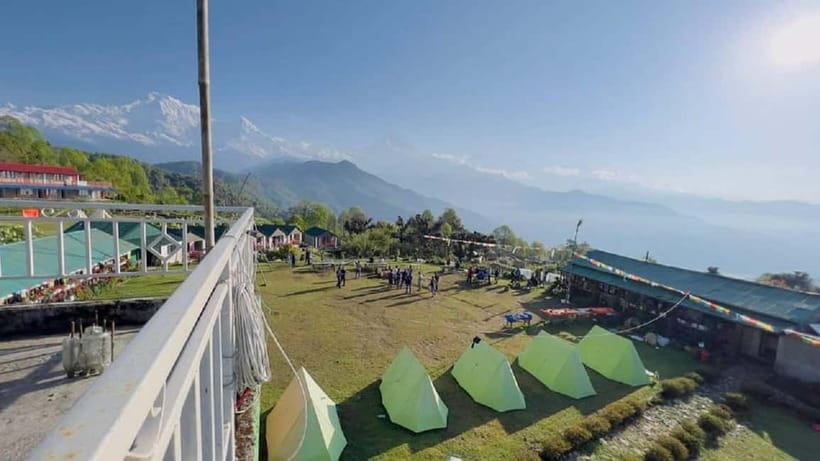
This hike is famous for Annapurna and Machhapuchhre views, but you can’t control the sky. Past experiences include days where clouds blocked the full range, and the best advice is mental, not technical: go for the day even if the mountains hide.
Here’s the practical angle. Start early when possible to reduce the chance of heavy cloud build-up later in the day. If the morning is clear, your Australian Base Camp stop becomes the star. If not, you can still enjoy forests, village life, and the changing textures of the trail.
So I’d plan your expectations like this: you’re buying a hike through the Annapurna foothills with a viewpoint payoff, not a guaranteed panorama.
How suitable is this hike for you?
This activity is not suitable for people with mobility impairments or wheelchair users. It involves walking with uneven ground and steps, plus a longer day of movement with limited flexibility to avoid the trail.
If you’re fit enough to handle a moderate climb at the start, you’ll likely enjoy it. Several experiences describe it as approachable for beginners, with pacing support from the guide.
A helpful detail: one past experience measured the hike roughly around 9 to 12 km with about 400 meters of elevation gain (depending on the exact route and breaks). That’s not extreme, but it is enough that your legs will feel it by the end of the day.
Should you book this Pokhara day hike?
Book it if you want an organized one-day intro to the Annapurna foothills: mountain viewpoints, Gurung village culture, and a straightforward return to Pokhara. It’s also a great pick if you’re not ready for a multi-day trek but still want a real hiking day with a guide who knows the route.
Skip it only if you need a mostly flat walk, or if mobility limits make steep steps and uneven paths a bad match. If your schedule allows flexibility and you want the best chance of clear mountain views, choose this earlier in the day and keep a backup attitude for clouds.
If you do book, I’d recommend asking for your guide by name when possible—Moti Thapa comes up again and again for pacing and for making the day feel like a friendly walk with context, not a rushed checklist.
FAQ
How long is the hike?
The total experience duration is about 8 hours, including transfers and guided stops.
Where do pickup and drop-off happen?
Pickup and drop-off are offered in the Pokhara Lakeside area and Sarangkot area, with multiple specific hotel options listed.
What’s included in the price?
The tour includes private vehicle transfers, hotel pickup/drop-off within the areas listed, a government-certified English-speaking guide, permits and fees, a first aid kit, and a bottle of water per participant. Meals are included only if you select the meal-included option.
Do I need permits for this hike?
Permits and fees are included as part of the activity.
What languages will the guide speak?
The guide can speak English, Hindi, and Nepali.
What should I bring?
Comfortable shoes (hiking shoes recommended), a hat, camera, comfortable clothes, hiking pants, and cash.
Is it suitable for wheelchair users or limited mobility?
No. It’s not suitable for people with mobility impairments or wheelchair users.
Is cancellation flexible?
Yes. You can cancel up to 24 hours in advance for a full refund.