REVIEW · POKHARA
7 Days Nepal Tour (Kathmandu – Pokhara – Australian Camp Easy Hiking)
Book on Viator →Bookable on Viator
Temple mornings and mountain nights, all in one week. I love how this route stitches Kathmandu and Bhaktapur UNESCO highlights with Pokhara scenery and an overnight at Australian Camp. I also like the private-car sightseeing feel, with airport and hotel transfers that keep the busy days from turning into a guessing game. The catch: Day 5 includes a long return drive to Kathmandu, and entrance fees plus meals aren’t included.
You start with a meet-and-greet at the international airport in Kathmandu, then head to Pokhara early at 6:30 am. In Kathmandu and Pokhara city time, you’ll have an English-speaking guide, which helps a lot when you’re seeing temples and World Heritage details up close.
This trip works for people who want an easy hiking taste without going full trek mode. I especially like that Australian Camp sits at about 2000 meters, so the sunrise/sky payoff feels real, and the team is known for friendly, clear support—names like Mr Shambhu and guide Bisham come up in feedback.
In This Review
- Key highlights that matter on the ground
- Day 1 in Kathmandu: meet-and-greet, then sleep in real comfort
- 6:30 am to Pokhara: a long drive that sets the tone
- Kahun Hill sunrise and the Pokhara “best-of” city day
- Dhampus to Australian Camp: the hike with the big payoff
- Day 5’s double travel day: Pokhara hike down, then 7 hours back to Kathmandu
- UNESCO Kathmandu and Bhaktapur Valley in one solid day
- Nagarkot sunrise over Everest: early start, then airport drop
- Price and value: what you get for $462.73 and what costs extra
- Who this tour fits best (and who should reconsider)
- Practical tips to make the week smoother
- Should you book this Kathmandu–Pokhara–Australian Camp tour?
- FAQ
- What is included in the 7-day tour price?
- Are entrance fees included?
- Are meals and drinks included?
- How hiking-heavy is the Australian Camp part?
- Do I get an English-speaking guide throughout the entire trip?
- Is airport transfer included on the last day?
Key highlights that matter on the ground
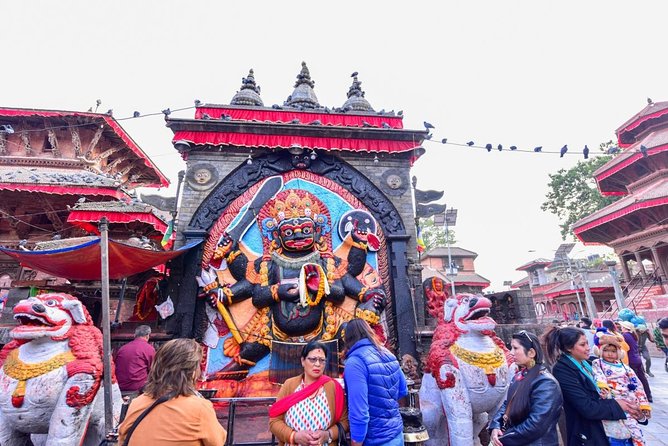
- Australian Camp overnight (about 2000 meters): sleep in a mountain setting, not just a day hike.
- Two sunrise setups: Annapurna-view time from Kahun Hill (Danda) and Everest-view time from Nagarkot.
- Real UNESCO day: Kathmandu + Bhaktapur Valley stops are packed into one focused day.
- An easy-hike approach: Dhampus is moderate, then you continue to Australian Camp, followed by a downhill walk back.
- Transfers keep you sane: airport pickup/drop-off and hotel transfers reduce logistics stress.
Day 1 in Kathmandu: meet-and-greet, then sleep in real comfort
Your week begins gently: you’re met at the international airport in Kathmandu and transferred to your hotel. That first night matters. Nepal can feel fast and loud on arrival, so having someone handle the handoff helps you get your bearings quickly.
The tour also includes hotel pickup and drop-off, which is a big practical deal in Kathmandu. You avoid the common headache of figuring out transport and timing after a long flight. For me, that’s part of the value: you’re paying for peace of mind on day one, not just sightseeing.
By the end of Day 1, your job is simple—rest. You’ll likely have an early start on the next morning, so this first night is your buffer against jet lag.
You can also read our reviews of more tours and experiences in Pokhara.
6:30 am to Pokhara: a long drive that sets the tone
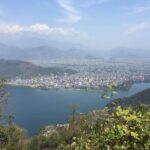
Day 2 is all about movement: at 6:30 am you head from Kathmandu to Pokhara by road, then transfer to your hotel on arrival. It’s an efficient way to flip from city temples to lake views without wasting time on extra stops.
What I like about this structure is that it sets clear expectations. You know the day has one main mission—get to Pokhara—so you’re not bouncing between half-finished activities. It also means the real Pokhara sightseeing can happen the next day, when you’re less rushed.
One practical note: that route is a road journey, so the ride can be tiring. If you’re sensitive to motion or long travel days, pack for comfort and plan to take it easy when you arrive.
Kahun Hill sunrise and the Pokhara “best-of” city day
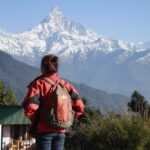
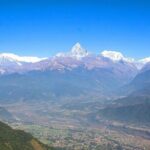
Day 3 starts with a sunrise tour over Mt. Annapurna from Kahun Hill (Danda). This is the kind of start that makes the early wake-up feel worth it. Sunrise viewpoints in this region are often about timing and sky conditions—when clouds cooperate, the views can be excellent.
After breakfast, you’ll explore a classic Pokhara mix:
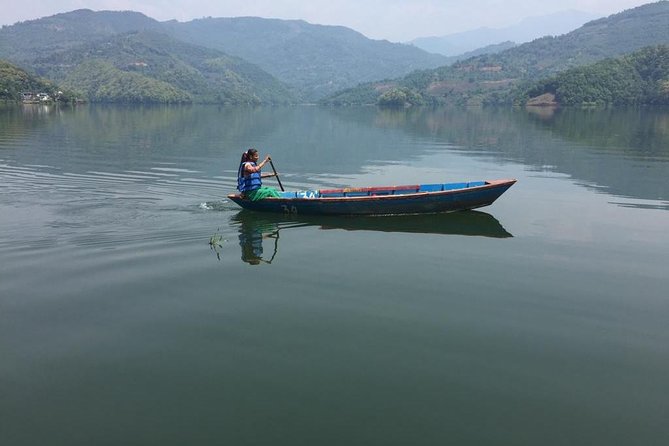
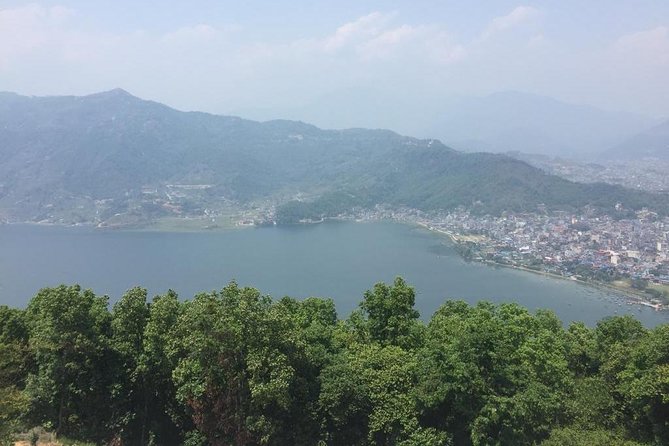
- Phewa Tal (Phewa Lake): the lake that defines Pokhara’s vibe.
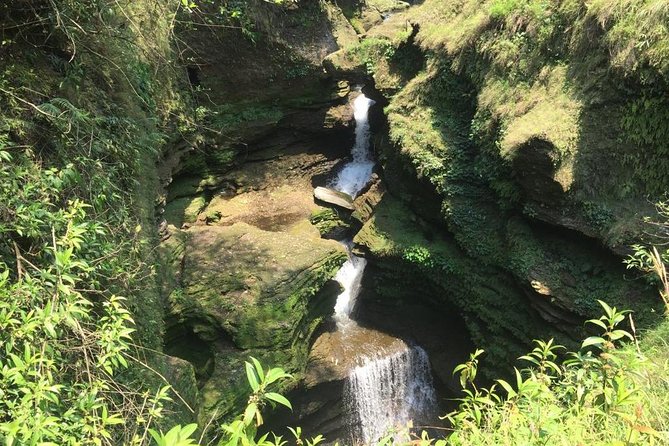
- Devi’s waterfall
- Cave
- Mountain Museum
- Suspension bridge
- World Peace Stupa
This is a smart day for first-timers because it gives you variety in a single flow. You’re seeing lakeside views, a spiritual landmark, and a few natural and cultural stops. The stops are varied enough that you won’t feel like you’re repeating the same scenery over and over.
The only downside is also the usual one for a “best-of” day: it can be full. Day 3 lists 9 hours, and admission tickets aren’t included, so you’ll want to keep a bit of cash/budget ready for entry fees.
Dhampus to Australian Camp: the hike with the big payoff
Day 4 is your easy-to-moderate hiking highlight. First you drive about 40 minutes from Pokhara to Dhampus. The hike is described in two parts: around 2 hours of moderate hiking, then about 1.5 hours continuing up to Australian Camp at roughly 2000 meters. Total hiking time is listed as about 5 hours.
What makes this day work is pacing. You’re not being pushed into a long, steep climb straight away. Dhampus acts like a gradual ramp, then the final push to Australian Camp gives you that “we actually went somewhere” feeling.
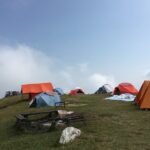
Once you reach Australian Camp, you stay overnight (guest house accommodation is included). That overnight is key. Day trips can offer views, but sleeping up high often gives you more time to enjoy the morning sky.
Two considerations:
- It’s labeled easy, but one segment is moderate. Wear proper shoes and go slow.
- Weather can shift quickly in the hills. If you’re traveling during rainy season, plan for rain chances and bring a rain layer—team support during rougher weather is something people have noted in feedback.
Day 5’s double travel day: Pokhara hike down, then 7 hours back to Kathmandu
Day 5 is where the schedule gets serious. You hike down to the main highway for about 1.5 hours, then you drive back to Pokhara for another 1.5 hours. After that, you head to Kathmandu by drive for about 7 hours and sleep in Kathmandu.
So you get both: the mountain step-down (active but manageable) and then a long ride day. This is the one day I’d flag most clearly as the possible drawback. Even if the hikes are shorter, the total time on the move is heavy.
That said, it’s also efficient. You don’t spend the week doing “extra transfers” on random days. Your week is built so the big cultural day in Kathmandu happens on Day 6, without you needing to reposition again later.
What to do if you’re booking:
- Keep your energy for the evening. After the 7-hour drive, you’ll want an easy night, not a long list of errands.
- If you’re prone to motion sickness, it’s worth thinking ahead for the drive.
UNESCO Kathmandu and Bhaktapur Valley in one solid day
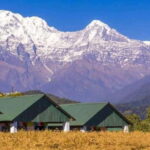
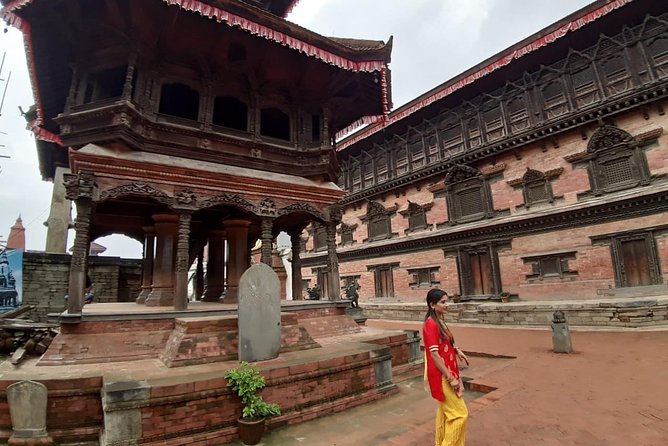
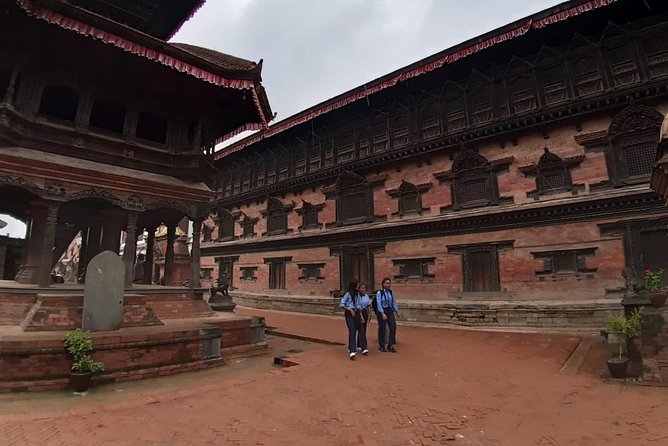
Day 6 is the cultural centerpiece: you explore major UNESCO World Heritage sites across Kathmandu and Bhaktapur Valley. It’s listed as 7 hours, and entrance fees are not included.
Key stops are:
- Swayambhunath Stupa (Syambhunath)
- Boudhanath Stupa
- Pashupatinath Temple
- Durbar Square
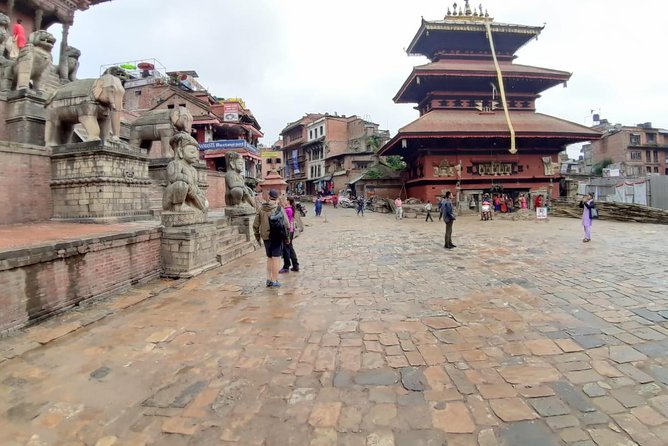
- Bhaktapur Heritage City
This lineup covers multiple “sacred looks” of the Kathmandu Valley: Buddhist stupas with their iconic structure, a major Hindu temple complex, then the dense, historic feel of Bhaktapur’s preserved core.
I also like that the tour includes an English-speaking guide for the city tour portion. When you’re looking at sacred sites, a guide can help you understand what you’re seeing—how the spaces work, what to notice, and why these places matter.
A practical note: you’ll want to dress respectfully for temples. Also budget for entrance tickets since they’re not included.
Nagarkot sunrise over Everest: early start, then airport drop
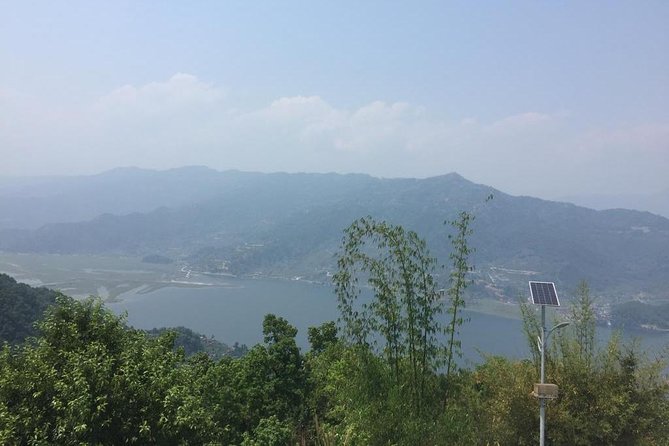
Your final morning is about a dramatic viewpoint. Day 7 begins early with a drive to Nagarkot to see sunrise with a view of Mt. Everest (8848 meters). After spending some time there, you drive back to your Kathmandu hotel (about 1.5 hours) and then get dropped at the airport to catch your flight.
This is one of those “time matters” experiences. Sunrise viewing is all about getting there early and hoping for clear sky. When visibility is good, it’s memorable. When weather isn’t cooperative, you still get the hill-morning atmosphere, but you shouldn’t expect miracles.
The timing is also tidy: you’re not trying to fit in extra sightseeing on Day 7. You end the trip where you started—at the airport—so your last day stays clean and stress-free.
Price and value: what you get for $462.73 and what costs extra
At $462.73 per person for a 7-day Nepal tour, the real question is value versus what you’d otherwise pay if you arranged everything yourself.
Here’s what’s included:
- Airport pickup and drop-off
- Hotel pickup and drop-off
- English-speaking guide during Kathmandu and Pokhara city tour only
- Hike to Australian Camp for overnight stay
- All sightseeing in Kathmandu and Pokhara by private car
- Hotel accommodation in Kathmandu and Pokhara
- Guest house accommodation in Australian Camp
- Round-trip transfers
- Breakfast (3)
What’s not included:
- Meals and drinks
- Entrance fees at sightseeing spots
- Optional gratitude
For value, the big anchors are the transport and accommodation. Private car sightseeing in Kathmandu and Pokhara, plus overnight lodging in Australian Camp, isn’t cheap to recreate on your own—especially with airport coordination and early starts.
Still, be honest with your budget. Two parts will add costs:
- Entrance fees for heritage sites and attractions
- Your meals and drinks (none are included)
If you’re the type who buys meals all day, your total will rise. If you plan simple breakfasts and choose one or two paid lunches, it stays more manageable.
Who this tour fits best (and who should reconsider)
This itinerary is best for you if:
- You want Kathmandu + Bhaktapur UNESCO sites plus Pokhara nature and lakeside time in one package
- You want an easy hiking experience with a real overnight at altitude
- You prefer having transfers and transport handled (airport-to-hotel and back again)
- You’re okay with early starts for sunrise viewpoints
Consider another style of trip if:
- You hate long driving days—Day 5 includes a 7-hour road segment after hiking
- You want fully guided experiences during the hike itself. The English-speaking guide is explicitly for the Kathmandu and Pokhara city tour portion, while the hike day focuses on the hiking plan and overnight arrangement.
- You’re strict about minimizing extra costs. Entrance tickets and meals are separate.
Practical tips to make the week smoother
A few things help this trip go from good to genuinely comfortable:
- Start with comfortable shoes. You’ll do moderate hiking on Day 4 and a downhill walk on Day 5.
- Plan for early mornings. Sunrise at Kahun Hill and sunrise at Nagarkot both require waking up early and being ready on time.
- Carry a rain layer during wetter months. One set of feedback points out rain can be common in rainy season, and the team still handles it well, but you’ll feel better prepared.
- Budget for entrance fees and meals. The day lists admissions as not included, and breakfasts are only three in total.
Also: hydrate and pace yourself. The itinerary is active, even if the hike is described as easy.
Should you book this Kathmandu–Pokhara–Australian Camp tour?
I’d recommend booking if you want a week that mixes big cultural highlights with a real Himalayan overnight—without committing to a multi-day trek. The combination of UNESCO days, Pokhara variety, and the Australian Camp sleep is a strong match for first-time Nepal visitors and for people who enjoy walking but don’t want to go hard.
I wouldn’t book if your main priority is a relaxed schedule with minimal driving. Day 5 is the stress test. If you can handle that one long transit day, the rest of the week is well-paced around two sunrise experiences and an easy-hike finish.
If you want the best match, ask yourself one simple question: can you handle early starts and long road time on a tight schedule? If the answer is yes, this tour is a solid way to see a lot of Nepal with less hassle.
FAQ
What is included in the 7-day tour price?
The tour price includes airport pickup and drop-off, hotel pickup and drop-off, an English-speaking guide during the Kathmandu and Pokhara city tour only, the hike to Australian Camp with overnight stay, private-car sightseeing in Kathmandu and Pokhara, hotel accommodation in Kathmandu and Pokhara, guest house accommodation in Australian Camp, round-trip transfers (type depends on the chosen option), and breakfast for 3 days.
Are entrance fees included?
No. Entrance fees for sightseeing spots are not included.
Are meals and drinks included?
No. All meals and drinks are not included. You can purchase food and drinks separately.
How hiking-heavy is the Australian Camp part?
Australian Camp involves hiking on Day 4 from Dhampus to Australian Camp (about 2 hours moderate hiking plus about 1.5 hours to reach Australian Camp around 2000 meters). Day 5 includes a downhill hike of about 1.5 hours back toward the main highway. The tour is described as easy hiking overall, and most people can participate.
Do I get an English-speaking guide throughout the entire trip?
No. The English-speaking tour guide is included only during the Kathmandu and Pokhara city tour portion. The rest of the plan includes guiding/support as part of the tour, but the English-speaking guide coverage is limited to city tour time.
Is airport transfer included on the last day?
Yes. On Day 7 you’ll be driven from Nagarkot back to Kathmandu and then dropped off at the airport to catch your flight.