REVIEW · POKHARA
Pokhara: Day Hiking from Sarangkot to World Peace Stupa from Lakeside
Book on Viator →Operated by Couch Adventure Nepal (CAN) · Bookable on Viator
A sunrise hike beats sitting in a cafe. This Pokhara day outing strings together Sarangkot views and the World Peace Pagoda without committing to a multi-day trek. I like how it’s early, structured, and active, with a steady progression from viewpoints to villages to forest paths. One heads-up: the trail can feel steep, and if your knees are picky, you’ll want to hike smart and move slowly.
What makes this feel like good value is that you get real logistics handled: pickup and drop-off within the Lakeside area, an English-speaking trekking guide, and even a rowing boat across Fewa Lake. You’ll also spend enough time at the top to actually take in the Pokhara valley and the Annapurna views when weather cooperates. Weather can shift fast in the hills, so if the Himalayas hide behind clouds, you should still expect rewarding scenery.
This is a private experience for your group, so you’re not stuck moving at someone else’s pace. It’s best for people with moderate fitness who like walking, climbing, and short sightseeing detours. If you want a totally flat, leisurely stroll, this one will probably feel too much.
In This Review
- Key things that make this outing work
- Sarangkot at 5am: the timing that turns a walk into a viewpoint day
- The Fewa Lake boat crossing and the hike to the World Peace Stupa
- World Peace Stupa views: when clouds open, you feel it
- Devi’s Fall and Mahadev Cave, then Gupteswar Gupha: caves add a different kind of Pokhara
- How steep is the hike, and what pace should you use?
- Price and value: what $130 covers in a short, guided day
- Who should book this hike from Sarangkot to the World Peace Stupa?
- Should you book? My call
- FAQ
- What time is pickup from the Lakeside area?
- How long does the full experience take?
- Is this tour private?
- Is there a boat ride included?
- What entrance fees are included?
- Are meals included in the price?
- Do I get water during the hike?
- How fit do I need to be?
- Is free cancellation available?
- What language is the guide?
Key things that make this outing work
- 5am Sarangkot start: you’re positioned for sunrise from a top Pokhara viewpoint
- Rowing boat on Fewa Lake: you don’t just walk around the water
- Steep-but-manageable hike: steep sections, but it’s a day, not a trek
- World Peace Stupa time built in: enough hours to reach the top and linger for views
- Caves and Devi’s Fall add variety: you get more than one kind of sight in the same day
- Private guide with flexible pacing: customized to your needs, with an English-speaking guide
Sarangkot at 5am: the timing that turns a walk into a viewpoint day
The day begins early. Your guide comes to pick you up from your hotel within the Lakeside area of Pokhara around 5am, then it’s about a 40-minute drive uphill to Sarangkot. From there, the plan is simple: arrive, catch sunrise, and soak in the Annapurna range views if skies allow.
Sarangkot is popular for a reason. You get a high vantage point over the Pokhara region, and that “morning light” thing is real even when the clouds roll through. The schedule gives you roughly two hours at Sarangkot, so you’re not rushing through it in ten minutes. That matters. At viewpoint spots, the best moment might come and go, and the extra time helps you avoid feeling like you missed it.
What I like here is the balance between effort and payoff. Yes, you’re up early. Yes, you’re going uphill. But you’re also getting a full morning anchored by one of the most famous perspectives in the area, and that makes the rest of the day feel purposeful.
Possible drawback: sunrise viewing is weather-dependent. If fog or rain pushes in, you may not get clear Himalayas, and the view may turn into soft clouds over hills instead. You can’t control that. What you can control is your readiness: bring a light rain layer, wear supportive shoes, and keep your expectations flexible. When the weather cooperates, the payoff is big. When it doesn’t, you still get a dramatic mountain-morning atmosphere.
You can also read our reviews of more tours and experiences in Pokhara.
The Fewa Lake boat crossing and the hike to the World Peace Stupa
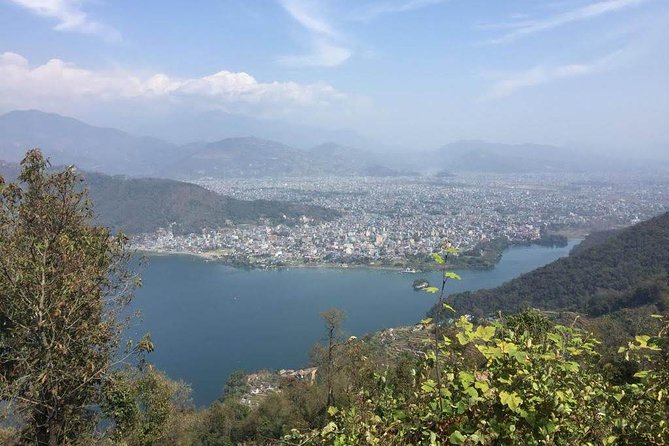
After Sarangkot, the day shifts from viewpoint energy to movement. You’ll head toward Fewa Lake, then cross it by boat. This is not a generic “transfer” stop. The experience includes a rowing boat crossing, which breaks up the route and changes the vibe from walking uphill to gliding across water for a bit.
Once you’re across, the hike starts to feel more like a real trail day. The route ascends through village areas and forests, which is important for two reasons:
1) You get a sense of how Pokhara’s hills connect to daily life, not just tourist viewpoints.
2) The vegetation and shade can make the climb more comfortable than a fully exposed hillside.
You’re hiking with a guide, and that helps with pacing. This tour is marked as best suited to active travelers because the trail can be steep. That doesn’t mean it’s a technical mountain climb, but you should expect uphill sections and the need to place your feet carefully on uneven paths. If you have knee issues, this is where slow steps and frequent short pauses become your best friends.
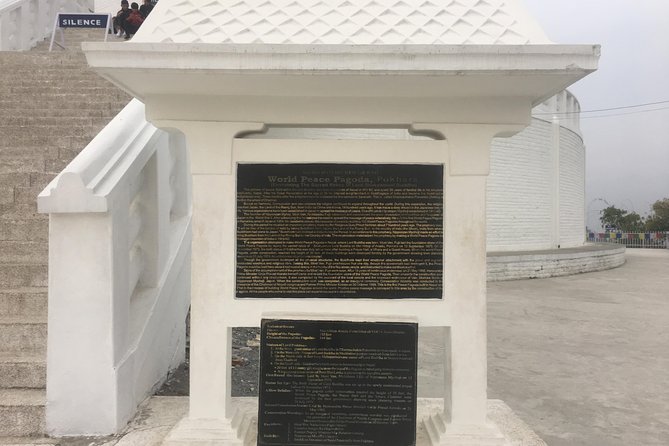
You’ll spend around three hours on the World Peace Stupa portion (including the climb and time at the top). That timing is thoughtful: it gives you a chance to reach the viewpoint without feeling rushed, and it leaves room to enjoy the scene rather than just snap photos and sprint back down.
World Peace Stupa views: when clouds open, you feel it
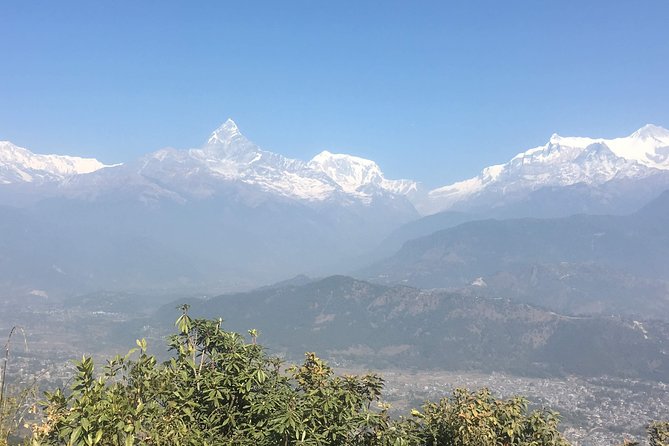
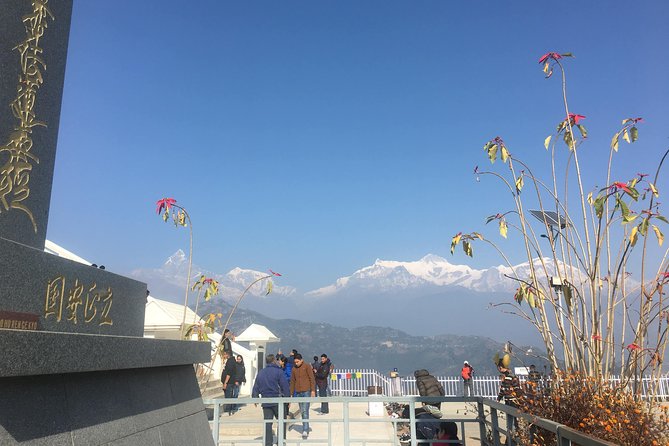
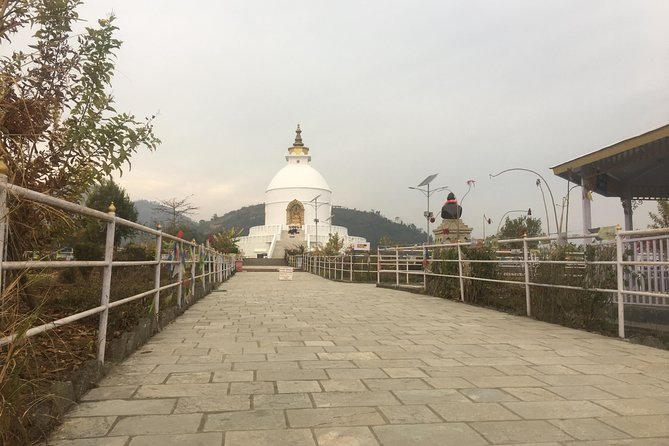
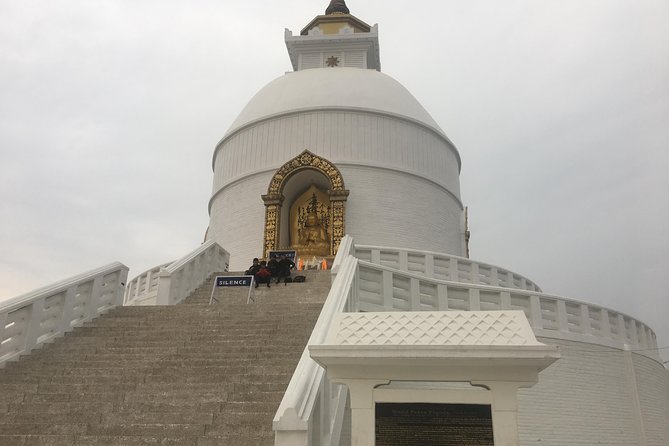
The main destination is the World Peace Pagoda / World Peace Stupa. The big promise here is sweeping views: the Pokhara valley, the Annapurna mountain range, and the surrounding hills.
Here’s the part you should plan emotionally for: the views aren’t only about altitude; they’re about visibility. On clear mornings, you can see far. When skies are hazy, the stupa still delivers because you get layered hills and atmosphere. Even if the Himalayas don’t show crisply, being up there at morning-to-late-morning light usually gives a satisfying panorama.
Spending time at the top is more than a bonus. It’s what turns the steep hike into something worth it. If you only had a quick look, you’d be paying the effort cost without fully using the viewpoint. With the time included, you can pause, switch between wide views and closer scenery, and let the conditions change a bit.
Another good detail: this is a guided experience, so you’re not figuring out the route alone or guessing where the best angles are. I also like that this segment is framed as learning time. The guide is positioned to share context about Pokhara and the Himalaya while you’re walking and when you’re looking out over the valley.
One consideration: admission fees related to Sarangkot and the World Peace Stupa are included, which reduces surprise costs. You still have other attractions later where entry fees are not included, so it helps to keep a small budget buffer in mind.
Devi’s Fall and Mahadev Cave, then Gupteswar Gupha: caves add a different kind of Pokhara
After the stupa portion, the day gets more varied. You’ll stop at Devi’s Fall and also explore the Mahadev Cave. This segment is shorter, around 20 minutes, so think of it as a quick, meaningful detour rather than a long exploration.
The key idea here is variety. The stupa hike is all about altitude and views. Devi’s Fall shifts you into water-and-rock territory, and it’s a good “reset” after steep walking. Also, the guide helps you move efficiently between sights without you needing to do map math.
Then comes Gupteswar Gupha, the cave stop that adds both scenery and story. You’ll spend about 40 minutes here, and it’s described as historic because a Hindu temple dedicated to Lord Shiva is located at about 40 meters depth. The route then goes another 100 meters to reach a river, where water falling from Devi’s Fall continues into the cave system.
That description matters because it gives you a mental picture before you go in. Instead of seeing a cave as just a cool concrete room, you understand there’s a linked water path behind it. It also makes the time feel more justified. You’re not only sightseeing; you’re connecting two parts of Pokhara’s water flow.
Cost note: entrance fees for Devi’s Fall and the cave experiences are not included. The tour includes Sarangkot and the stupa admissions, plus the boat crossing, but you’ll want to pay separately for these water/cave stops.
How steep is the hike, and what pace should you use?
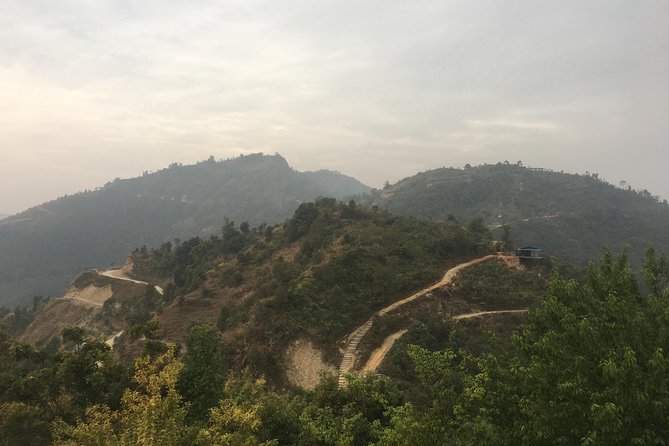
This outing is for active people. The route includes steep trails, so you’re not looking at a flat sightseeing day. But it’s still a day hike, not a long-distance trek, which is exactly why it works for more fitness levels than a full trek would.
Here’s what to expect in practical terms:
- You start early, which means you’ll be walking before the day warms up too much.
- You’ll have steep trail sections, especially during the climb toward the stupa.
- You’ll have a guide to pace you and help if you slow down. One account specifically noted how a guide (Shambhu) offered the kind of support that helped with knee discomfort.
If you have any knee or ankle sensitivity, plan to protect yourself. Wear shoes with grip, use careful foot placement on uneven ground, and don’t try to “power through” steep bits. Short breaks are not cheating. They keep you steady and reduce the risk of overstraining.
Also, remember this is a private tour. That helps in one way: your group only competes with your own pace. If you need to pause more often, your guide can adjust.
Finally, bring basic comfort items even though the tour includes water. A light rain layer is smart, because weather is unpredictable in the hills. And if you’re out early, a warm layer can be useful too.
Price and value: what $130 covers in a short, guided day
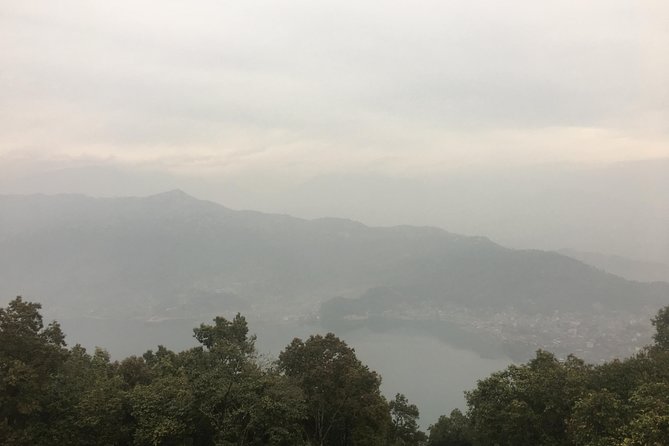
At $130 for a 5–6 hour outing, you’re paying for more than a ticket. You’re buying time savings and reduced hassle in Pokhara’s hills.
Here’s the value breakdown based on what’s included:
- English-speaking trekking guide
- Hotel pickup and drop-off within Lakeside
- Bottle of water for each person
- Entrance fees to Sarangkot
- Rowing boat crossing on Fewa Lake
- Private trip for your group
Meals are not included, so you’ll likely want to grab something before or after your hike. Entrance fees for Devi’s Fall and the caves are also not included, so budget a bit more if you don’t want to think about it on the day.
What you’re really getting is a guided plan that strings together sunrise, a hike, a boat crossing, and multiple Pokhara sights into one morning-to-afternoon flow. If you tried to piece this together on your own, you’d spend extra time coordinating transport and getting the right guide for the trail timing. Sunrise days are where coordination matters most, because you can’t easily “redo” the morning if you miss the light.
One more point: the tour is marketed as customizable, and that’s meaningful. In a private setting, you can usually adjust pace and focus without derailing the whole schedule.
Who should book this hike from Sarangkot to the World Peace Stupa?
Book this if you:
- want a short day hike with big viewpoint payoff
- like active walking but don’t want a multi-day trek
- are staying in Lakeside and want pickup and drop-off handled
- want a guide for route flow and local context
- want more than one type of sight, combining stupa views with water and caves
You might skip it if:
- you need a mostly flat walk
- you dislike steep trails even in a short window
- you want a full meal plan included in the price
This works especially well as a Pokhara highlight early in your stay, because you see viewpoints and understand the geography quickly.
Should you book? My call
If your idea of a great Pokhara day includes sunrise views, a real hike portion, and a guided route that keeps you from juggling tickets and transport, this is a strong pick. The included boat crossing, Sarangkot entry, and World Peace Stupa admission cut down on friction. Plus, the private setup means you can hike at a pace that fits your body.
The only real reason to hesitate is if your knees or comfort level can’t handle steep trail sections. If that’s you, use slower pacing from the start and consider how you’ll manage uneven ground. With the right shoes and a supportive guide, the day still has plenty to offer.
FAQ
What time is pickup from the Lakeside area?
Pickup is around 5am from your hotel within the Lakeside area of Pokhara.
How long does the full experience take?
The tour runs about 5 to 6 hours total.
Is this tour private?
Yes. It’s a private trip, and only your group participates.
Is there a boat ride included?
Yes. The tour includes a rowing boat crossing on Fewa Lake.
What entrance fees are included?
Entrance fees to Sarangkot and World Peace Pagoda / Stupa are included. Entrance fees for Devi’s Fall and Gupteswar Gupha are not included.
Are meals included in the price?
No. Meals and drinks are not included and are available for purchase.
Do I get water during the hike?
Yes. You get a bottle of water for each participant.
How fit do I need to be?
The hike is best for people with moderate physical fitness, since the trails can be steep.
Is free cancellation available?
Yes. You can cancel for a full refund up to 24 hours in advance of the experience’s start time.
What language is the guide?
The tour includes an English speaking trekking guide.