REVIEW · POKHARA
Easy Day Hiking to Australian Camp from Pokhara
Book on Viator →Operated by CAN Travels · Bookable on Viator
Australian Camp is a one-day mountain fix. This hike pulls you out of lakeside Pokhara and up to big viewpoints, with an English-speaking guide and sweeping Annapurna-area panoramas waiting at the end of the climb. It’s the kind of day trip that feels like you did more than you actually did.
I also like how the route mixes scenery and culture without making the day feel chaotic. You’ll hike up from Kande, reach Australian Camp for a break with major mountain views, then head down through Dhampus, where Magar and Gurung communities live.
One thing to plan for: food and drinks aren’t included. You’ll be able to buy what you need, but you should budget and carry some snacks just in case your hunger shows up early.
In This Review
- Key highlights to know before you go
- Australian Camp from Pokhara: what you’re really signing up for
- The early pickup from lakeside Pokhara (and why breakfast matters)
- Kande to Australian Camp: the uphill you’ll feel (in a good way)
- Australian Camp: views, lunch timing, and photo strategy
- Down to Dhampus: village life after the viewpoint
- Dhampus to Phedi and the drive back to Pokhara
- Guides make the day: English help and real explanations
- Price and value: does $100 make sense for this route?
- Who this easy day hike suits best
- What to pack (so your day feels smooth, not stressful)
- Timing, comfort, and how to avoid a tired-knee ending
- Should you book this Australian Camp day hike?
- FAQ
- What time does the hiking trip start?
- How long is the Australian Camp and Dhampus day hike?
- Is hotel pickup and drop-off included?
- Do I need to buy entrance tickets?
- Is there a guide, and is English available?
- Is food included?
- Is this tour private or shared?
- Are there group discounts?
- Optional: cancellation in plain words
Key highlights to know before you go
- Pickup and private car transfers from lakeside Pokhara to Kande, and from Phedi back to Pokhara
- English-speaking guide you can actually ask questions to, with guides like Biru and Amrit mentioned in past trips
- Uphill-to-Australian-Camp route that’s labeled easy but still works up your legs
- Australian Camp + warm lunch stop opportunity, plus time to enjoy views before the descent
- Dhampus village time in Magar and Gurung country, with a slower pace than the trail
- Private tour for your group, so it’s not a cattle-car day
Australian Camp from Pokhara: what you’re really signing up for
Let’s be honest: most day hikes around Pokhara are either short and underwhelming, or long and a bit too serious for a single day. This one aims for the sweet spot. You’ll start early, drive a short distance, hike uphill to a viewpoint, then come back down through village country. The goal is simple: mountain views and a sense of walking in real-life Nepal—not just a scenic bus stop.
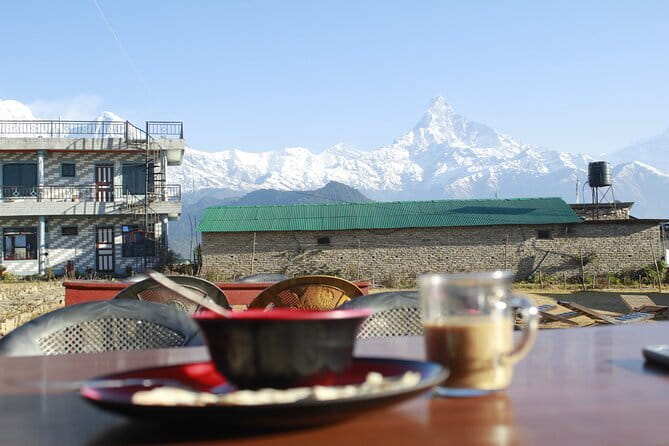
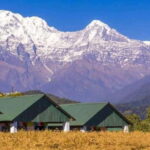
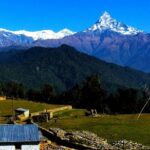
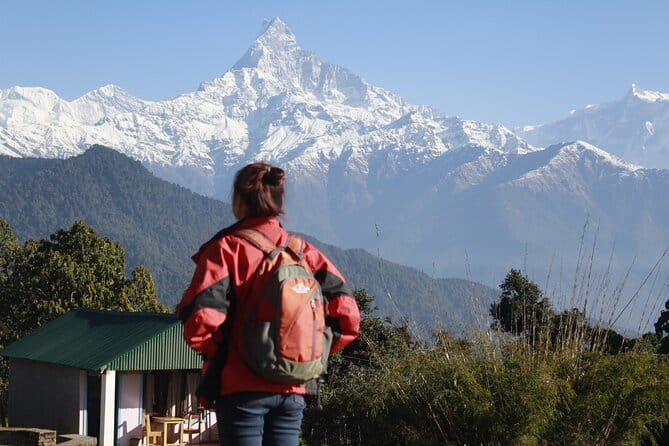
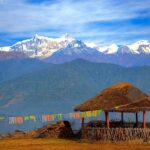
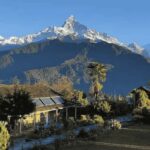
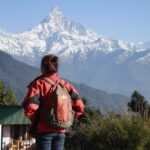
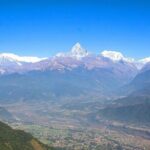
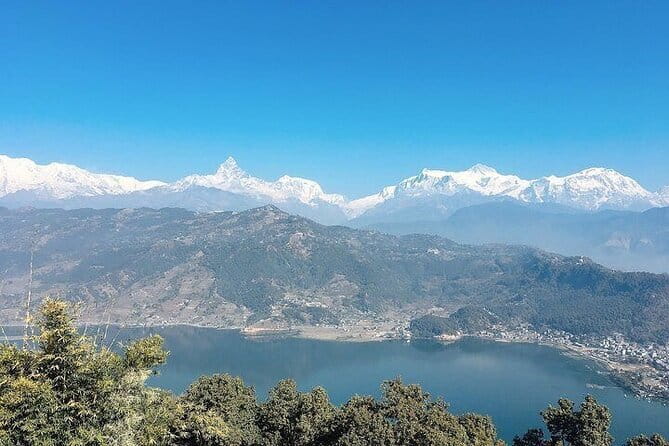
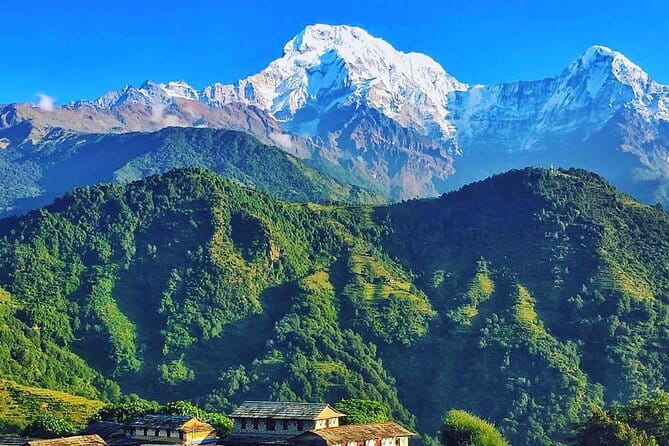
The big selling point is Australian Camp. It gives you a strong set of views over the Annapurna region. From there, you’re meant to enjoy sights including the Annapurna range, Macchapuchre (Machhapuchhre/Fishtail), Hiunchuli, Dhaulagiri, and Lamjung Himal. That’s a lot of names for one day, and it’s a good reason this route keeps getting booked.
Because it’s an easy day hike, you don’t need trekking-season fitness or special gear. But you do need to respect that the trek from Kande is uphill most of the way. This is “easy” in time and distance more than it is “flat and effortless.”
You can also read our reviews of more tours and experiences in Pokhara.
The early pickup from lakeside Pokhara (and why breakfast matters)
Your day starts with pickup from lakeside Pokhara. The plan is an early morning departure, with pickup described as around 8am. In your booking confirmation, you’ll see the exact details, so I’d treat confirmation time as the truth.
Before you go, the route asks you to have breakfast before 8am. That’s not just a suggestion. On an uphill walk, skipping breakfast can turn a manageable climb into a cranky climb. If you’re the type who runs on tea and vibes, at least add something small and filling.
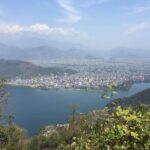
The drive time is said to be under 1 hour to Kande. That matters because it means you don’t spend your whole morning bouncing around in a vehicle before your legs even wake up.
Kande to Australian Camp: the uphill you’ll feel (in a good way)
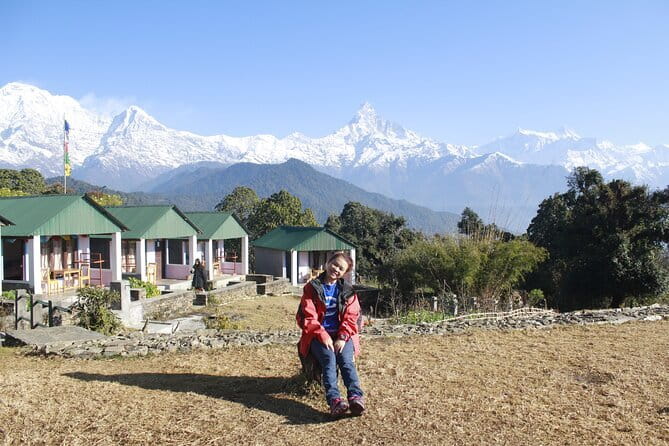
After arriving in Kande, the trek starts. The route is described as uphill all the way to Australian Camp. That’s the main physical story of the day.
What I like about this setup is that it’s straightforward. No complicated navigation. No surprise zigzags. You just keep moving upward, and you’ll be able to break your effort into small chunks: step, breathe, look, repeat.
Along the climb, you’ll pass through changing scenery. The trip is positioned as moving through things like lush forest areas and mountain views as you gain height. That means you’re not staring at the same view for eight hours. You’re walking through Nepal’s scenery as it shifts.
Practical note: “easy” doesn’t mean “fast.” Give yourself time to stop for photos and to catch your breath. Your guide can pace you based on how you’re feeling.
Australian Camp: views, lunch timing, and photo strategy
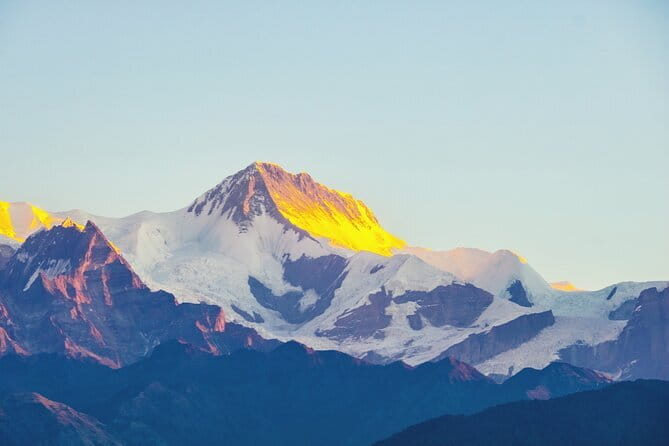
Reaching Australian Camp is the payoff moment. This is where you settle in and enjoy those named peaks—the Annapurna range, Macchapuchre (Fishtail), Hiunchuli, Dhaulagiri, and Lamjung Himal.
The itinerary also includes time for eating at the camp, described as a warm lunch stop. Since food and drinks are not included, expect that lunch is an option you purchase on-site. I’d treat that as part of your budget. Having warm food after an uphill morning can feel like a reset button.
Photo strategy that actually works: don’t just aim for one big hero shot. Walk a little, find a spot where you can see multiple peaks layered in the distance, then spend a few minutes without moving. Views can shift with haze and cloud cover, and waiting for a clearer moment is often better than sprinting from spot to spot.
Down to Dhampus: village life after the viewpoint
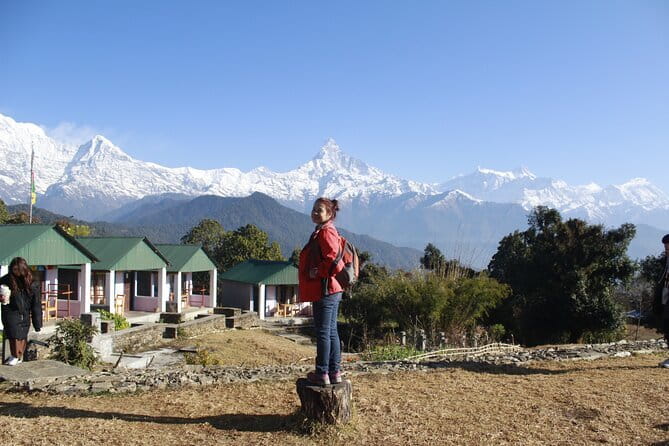
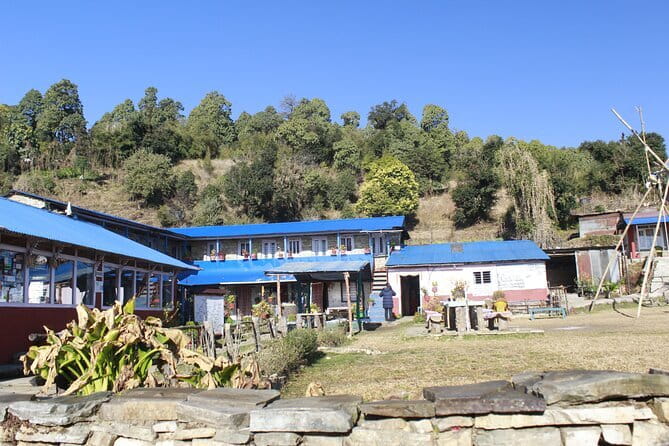
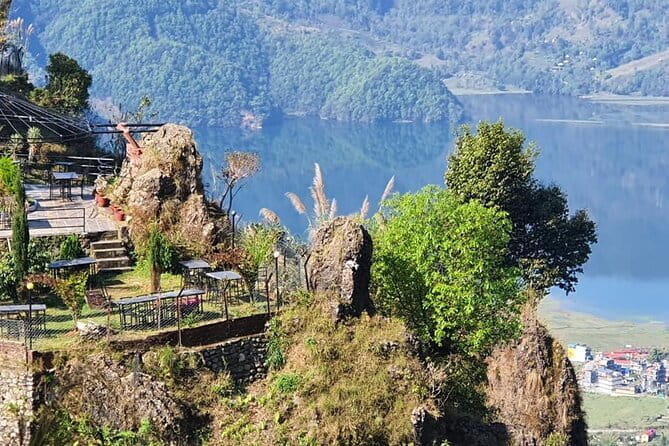
Once you’ve had your mountain time, you’ll start trekking down to Dhampus. Dhampus is described as a scenic village inhabited by Magar and Gurung communities.
This part of the day is where the hike changes flavor. Up top, you’re earning your views. Down here, you get more of the human scale—houses, pathways, and everyday village rhythms. It’s a good balance for a day trip: after the effort, you get to slow down.
You’ll also get time to spend in Dhampus before continuing the route. That stop matters because it turns this from pure sightseeing into something more grounded. You’re not just moving from viewpoint to viewpoint. You’re walking through a living community.
A small consideration: village paths can be uneven. Wear shoes you trust. If your footwear is more fashion than traction, save that for the city.
Dhampus to Phedi and the drive back to Pokhara
After Dhampus, the route continues trekking down to Phedi, and then you’ll be picked up for the return drive back to Pokhara.
This final leg is usually when legs start arguing with you. The good news is that it’s a downhill day from the camp onward, and you’ll likely feel less strain than during the climb. Still, descending can be tough on knees. If you have sensitive knees, take short steps and don’t rush.
Once you reach Phedi, the day ends with the private car ride back to Pokhara. That transfer is part of what makes this hike feel like a true day trip instead of a mini trek. It’s not a “walk forever, then figure out transport” situation.
Guides make the day: English help and real explanations
A day hike lives or dies by the guide. This one includes an English-speaking trekking guide, and past trips highlight how helpful and supportive guides were—names like Biru and Amrit show up in feedback.
What matters isn’t just language. It’s the ability to answer the questions you naturally have when you’re looking at the mountain panorama. You’ll want to know what you’re seeing, why the valleys look the way they do, and what village culture looks like along the route. Having a guide who can explain makes the views stick in your memory longer.
Also, good guides keep you comfortable. Some feedback notes guides being prompt, checking in, and keeping the vibe friendly rather than stiff. That’s exactly what you want when you’re walking uphill and still trying to enjoy your day.
Price and value: does $100 make sense for this route?
At $100 per person, you’re not buying a bare-bones hike. You’re getting a package that includes:
- hotel pick up and drop off
- private car transfers (Pokhara → Kande, and Phedi → Pokhara)
- an English-speaking guide
- entrance fees and official documents
- private tour setup for your group
For a value check, ask yourself what you’d pay if you did this on your own. A guide plus transport plus permissions/fees will usually add up fast. The $100 price can make sense because it bundles the day into one plan with less hassle.
The main trade-off: meals and drinks aren’t included. So your real cost is $100 plus whatever you spend on lunch/snacks and optional tips. If you plan ahead and budget for food, it stays good value for a smooth, full-day experience.
Who this easy day hike suits best
This tour is a solid fit if you want:
- a one-day Annapurna-region hike from Pokhara
- mountain views without multi-day trekking logistics
- an English-speaking guide who helps you make sense of what you see
- a route that includes both viewpoint time and village time
It’s also well-suited for people who want a guided day that still feels like a real hike. You’ll be walking uphill for part of the day and then working your way down through Dhampus.
If you’re someone who needs everything flat and easy, you might find the uphill climb tiring. And if you hate thinking about meals, you’ll need to bring snacks or plan to buy food.
What to pack (so your day feels smooth, not stressful)
You’re only out for about 8 hours (approx.), but you’ll move from uphill to downhill and stop for lunch. Pack like it’s a real hike day:
- sturdy shoes with decent grip
- a small daypack
- water (you might find yourself thirsty on the climb)
- a light layer (early morning can feel cooler)
- sunscreen and basic sun protection
- some cash or card for food and drinks you’ll purchase
If you’re prone to feeling tired when you’re hungry, grab a snack to eat during the morning. Even though breakfast is suggested before departure, having a backup keeps you relaxed.
Timing, comfort, and how to avoid a tired-knee ending
The rhythm is: early pickup, short drive, uphill trek to Australian Camp, lunch break, downhill to Dhampus, continue down to Phedi, then drive back.
Your main “work” portion is the uphill segment from Kande. Your main “body complaint” portion is the downhill segment later. If your knees get cranky on descents, use slower steps and take advantage of any natural stopping points for views.
The best mindset for this kind of day hike: treat it like a guided walk with a viewpoint reward, not like a race. When you pace yourself, the whole day feels easier.
Should you book this Australian Camp day hike?
I’d book this if you want a confident, guided day that delivers mountain views and a real taste of village life without the commitment of a longer trek. The combination of English-speaking guide support, transport that’s handled for you, and a route that includes Dhampus time makes it a strong choice for first-timers and casual hikers.
Don’t book it if you absolutely need meals fully included, or if you’re looking for a fully flat walk. The food gap is real, and the uphill climb is real too.
If you’re okay planning for lunch and taking it at an easy pace, this is the kind of Pokhara day that gives you photos, stories, and a sense you actually got out on the trails.
FAQ
What time does the hiking trip start?
Pickup is planned for early morning from lakeside Pokhara, with the schedule described as around 8am. Your exact pickup time should be confirmed in your booking details.
How long is the Australian Camp and Dhampus day hike?
The duration is approximately 8 hours.
Is hotel pickup and drop-off included?
Yes. Hotel pick up and drop off are included.
Do I need to buy entrance tickets?
All entrance fees and official documents are included.
Is there a guide, and is English available?
Yes. You’ll have an English-speaking trekking guide.
Is food included?
Food and drinks are not included, though you can purchase them during the day.
Is this tour private or shared?
This is a private tour/activity. Only your group will participate.
Are there group discounts?
Group discounts are available.
Optional: cancellation in plain words
Free cancellation is offered up to 24 hours in advance for a full refund, based on local time.