REVIEW · POKHARA
Day Hike at Annapurna Foothills
Book on GetYourGuide →Operated by Alliance Treks & Expedition P. Ltd · Bookable on GetYourGuide
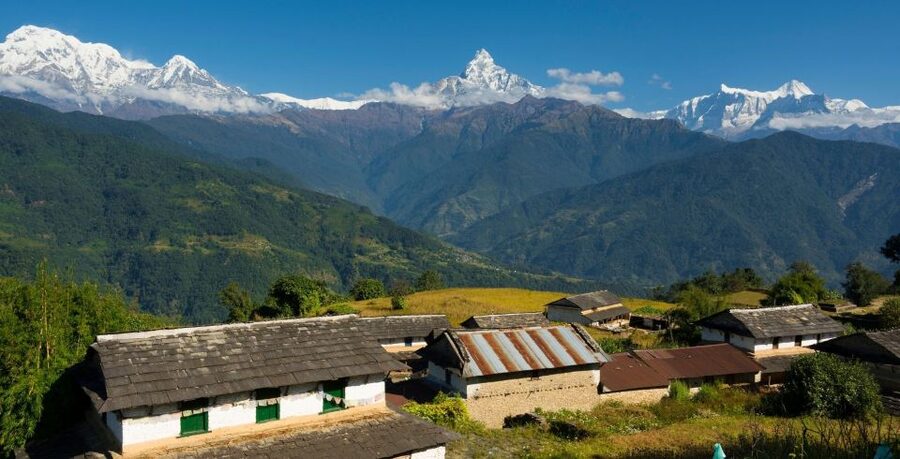
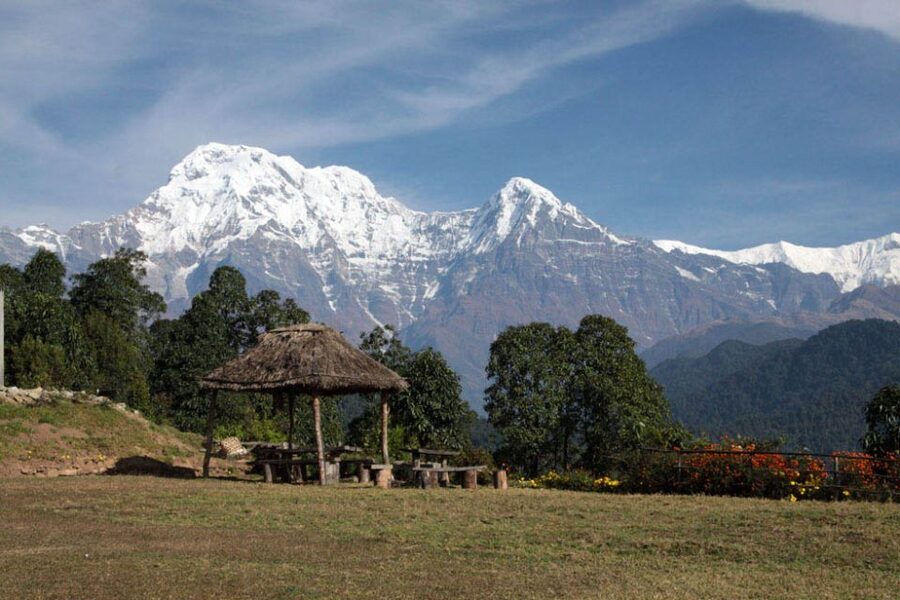
One ridge, three villages, big views. This easy-to-moderate Annapurna foothills hike links Kande with Australian Camp and Dhampus, with the reward of clear sightlines toward Annapurna South and Machhapuchhre (Fishtail).
What I like most is the mix of scenery and people: you walk through forest trails and then step into everyday Gurung life in Dhampus, with guides like Dipak, Deepak, and Moti sharing stories and translating so you can actually connect. The other big plus is that the day feels doable at a relaxed pace, yet you still get those mountain-photo moments before the view fades. One thing to plan around: meals are not included, so you’ll need to handle food yourself during the 5 to 6 hours on foot.
In This Review
- Key Things I’d Prioritize Before You Go
- Starting in Pokhara: The Smooth Setup for a Real Hill Day
- Kande to Australian Camp: Where the Views Earn the Climb
- The Ridge and the Descent: A Day That Feels Like Progress
- Dhampus Village: Gurung Culture Without the Big-Crowd Feel
- Down to Phedi: Terraces, Forest Air, and a Clean Ending
- How Worth It Is $98: What You’re Really Paying For
- Guide Power: English Explanations That Make the Walk Make Sense
- How Long and How Hard: Timing That Works for Beginners
- Weather and Mountain Views: How to Read the Day
- What to Bring (and What Not to Bring) for a Day Hike
- Who This Day Hike Fits Best
- Should You Book This Kande to Dhampus Day Hike?
- FAQ
- Where does the day hike start and end?
- How long is the hike?
- How difficult is this trek?
- What route does the hike follow?
- Is there an English guide and how big is the group?
- What is included in the $98 price?
- Are meals included, and can I cancel?
Key Things I’d Prioritize Before You Go
- Kande → Australian Camp → Dhampus → Phedi is a clean day route with steady time blocks and no need to sleep on the trail
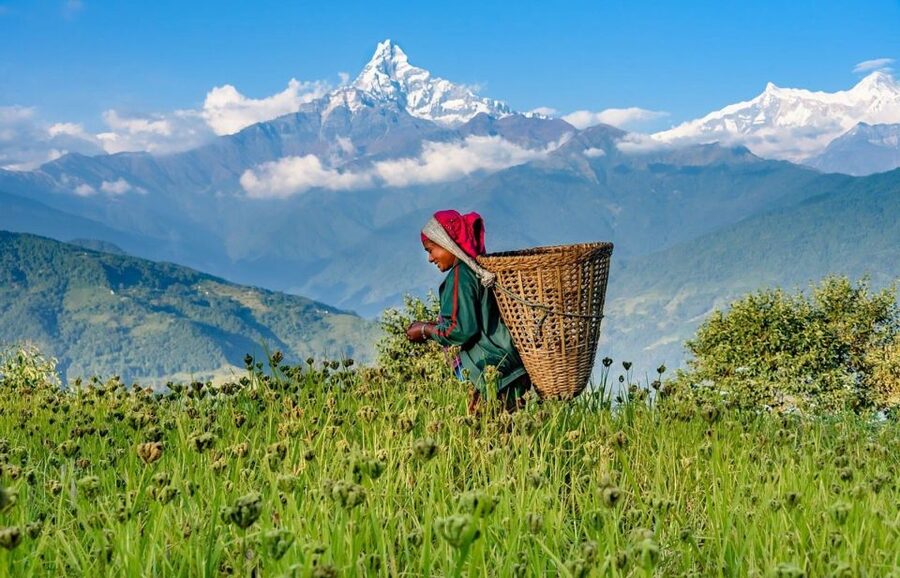
- Close-up mountain views are the goal, especially for Annapurna South and Machhapuchhre (Fishtail)
- Dhampus is the culture stop where you can observe Gurung village life and traditions
- Small group size (up to 10) keeps the hike feeling personal rather than rushed
- Professional local guides in English (often Dipak, Deepak, or Moti) help you understand what you’re seeing
Starting in Pokhara: The Smooth Setup for a Real Hill Day
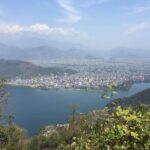
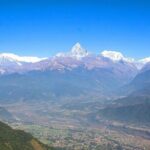
Pokhara is the smart base for an Annapurna foothills day hike because you get the mountains nearby without having to commit to days of accommodation logistics. You meet your English-speaking guide and driver at your hotel on the lakeside, then ride to Kande with panoramic glimpses over the Pokhara Valley and toward the Annapurna range.
This part matters more than it sounds. A large chunk of the experience depends on light and cloud cover, and an early start is the difference between crisp views and the kind of misty peaks that look great only on postcards. In at least one case, Dipak picked guests up about an hour early specifically to catch the mountains before clouds rolled in.
You can also read our reviews of more tours and experiences in Pokhara.
Kande to Australian Camp: Where the Views Earn the Climb
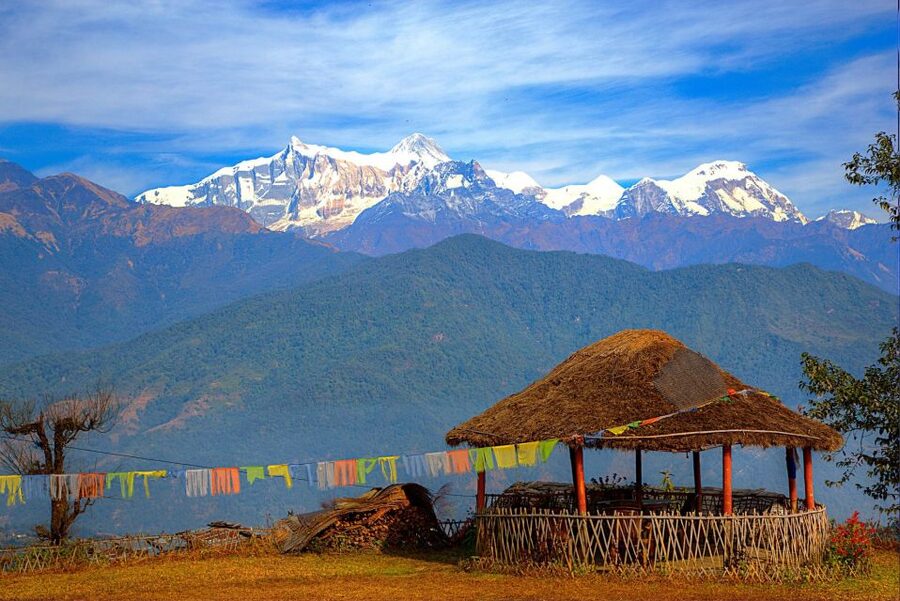
From Kande, the hike begins with a guided trek through forest paths. The route to Australian Camp takes about 1.5 hours, and the effort feels reasonable because it’s paced for a day-hike rhythm rather than a hard training session.
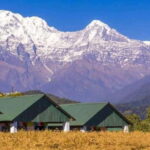
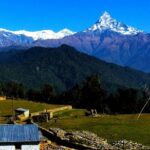
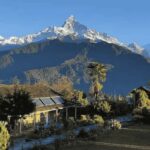
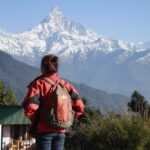
Australian Camp is the payoff point. This viewpoint is where Machhapuchhre (Fishtail) and Annapurna South show up with the kind of closeness that makes you stop taking pictures and start just looking. It’s also a spot where your guide’s explanations can change your experience: instead of staring at “pretty mountains,” you start seeing names, ridgelines, and why this area is so famous for trekkers.
If you want the best odds for clear sight, pay attention to timing. One of the most memorable details from guide-led hikes in this region is that they try to position you for the view before weather shifts. Even if the day isn’t perfectly sunny, you’ll still be walking in the thick of the Annapurna foothills rather than watching from a distance.
The Ridge and the Descent: A Day That Feels Like Progress
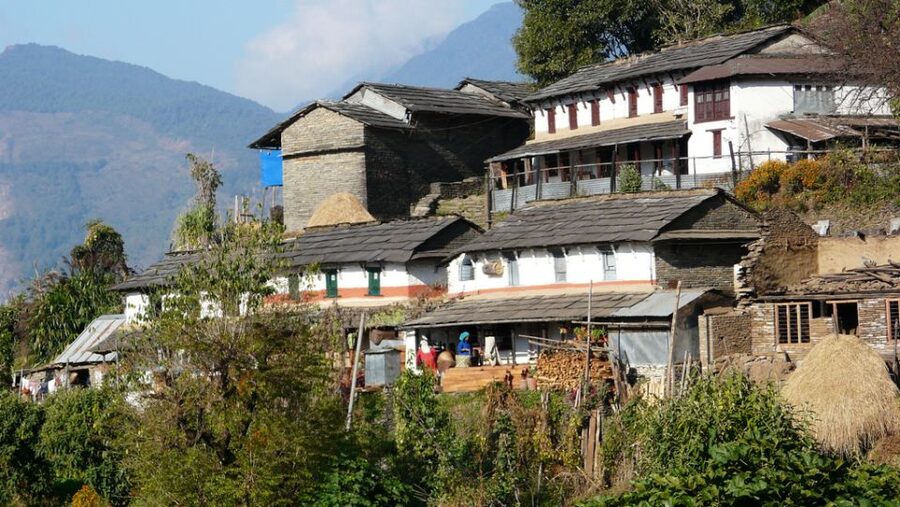
After Australian Camp, you continue along the ridge and then start descending toward Dhampus, again taking about 1.5 hours to reach the village. The ridge section helps you feel that you’re moving forward, not just going uphill and then quitting.
Descending is where many people learn whether they’re truly comfortable hiking for hours. Foot placement matters more going downhill, and terraces and forest shade change how your legs feel as the day passes. The good news is that this is described as easy to moderate, so for most first-time hikers with decent footwear, it’s a fair challenge.
I like how this segment keeps the day balanced: you get view time, then you get movement through real terrain, then you drop into a place where life isn’t organized for tourists.
Dhampus Village: Gurung Culture Without the Big-Crowd Feel
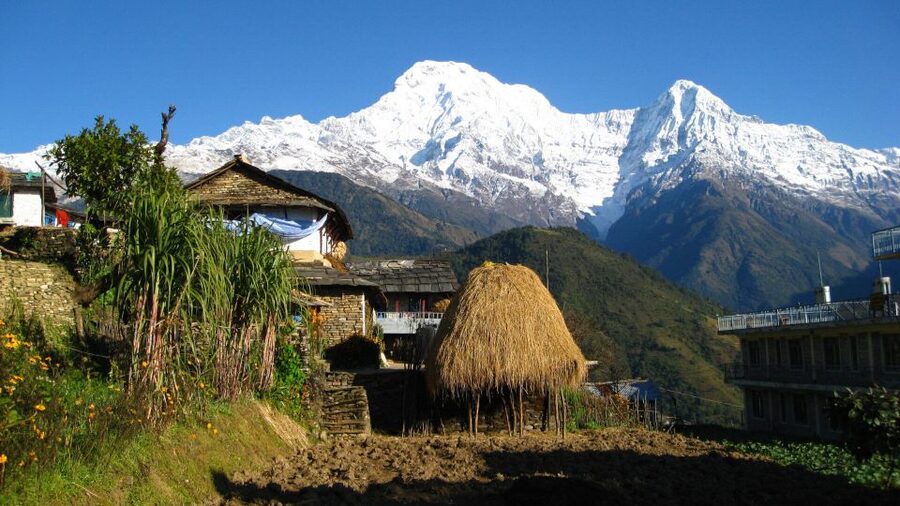
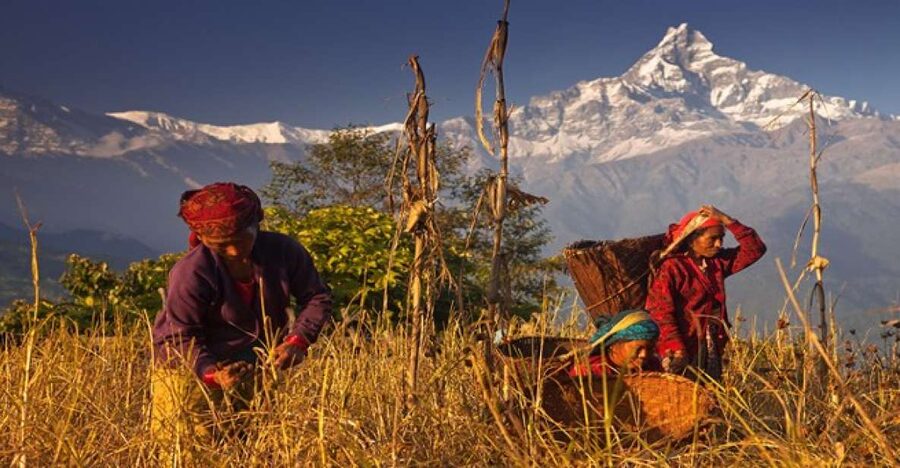
Dhampus is the culture anchor of the hike, and it’s not just a photo stop. Once you arrive, you spend time exploring the village and observing rural Gurung traditions alongside mountain scenery. This is where the walk turns into a human experience.
What makes Dhampus especially valuable is how it lets you slow down. You’re not just passing through; you’re being guided to notice daily life and local customs in a place that still feels like a working community. If your guide is Moti, you can get an extra layer of understanding because he’s known for translating between locals and visitors so you aren’t left with guesses.
In one guided day hike, Dipak and others were also praised for keeping the trail engaging with interesting stories, so the Dhampus time tends to feel like conversation, not a checklist. If you care about culture and not just scenery, this is the segment that delivers.
The practical drawback is also clear: Dhampus isn’t a lounge stop with amenities listed on a brochure. You’re out in the hills, spending real walking hours on a real schedule. Bring the right mindset, and you’ll enjoy the authenticity.
Down to Phedi: Terraces, Forest Air, and a Clean Ending
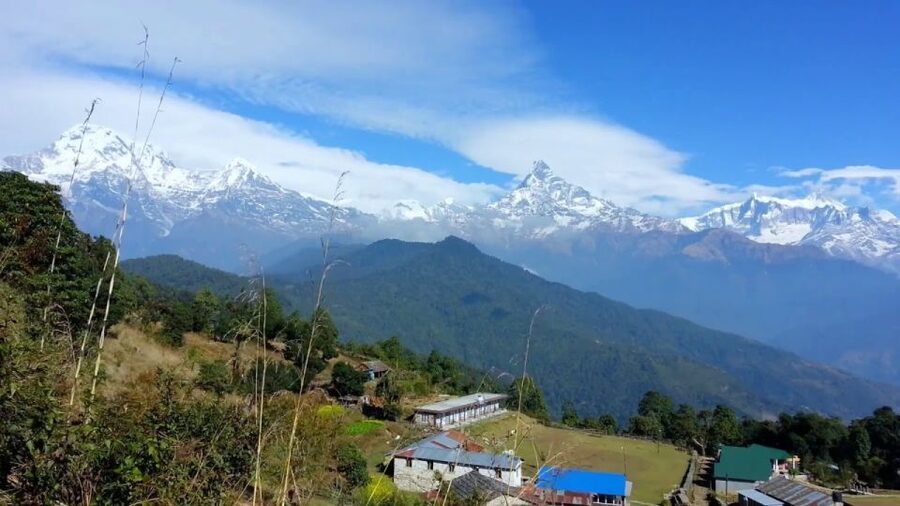
After Dhampus, the day heads downhill to Phedi, which takes about 2 hours. This stretch runs through lush forest and terraced farmlands, so it’s visually calmer than the ridge-and-view section, but it’s still active enough to keep you focused.
Terraced farmlands matter here because they explain how people live in steep terrain. You’ll likely notice how farming shapes the hillsides, turning steep slopes into workable steps. It’s a reminder that the Annapurna region is not only about peaks, but about sustained life around them.
When you reach Phedi, your vehicle is waiting and you drive back to Pokhara, ending the experience at your hotel. This “walk hard, then get collected” structure is one of the reasons day hikes work well for people who want a trek feel without the need to plan overnight gear or extra transport.
How Worth It Is $98: What You’re Really Paying For
At $98 per person for a day, this price can feel high if you compare it to doing a hike on your own. But when you break it down, the value starts making sense.
What’s included is a lot of what typically costs time and headache:
- A professional local guide for the day hike
- Private vehicle transfers from Pokhara to Kande and from Phedi back to Pokhara
- Vehicle-related expenses
- Government taxes as applicable
What’s not included is equally important:
- Meals (breakfast, lunch and dinner)
- Personal expenses
So the real comparison isn’t just “$98 vs free.” It’s “$98 vs spending extra time coordinating transport and finding a guide you can communicate with in English.” If you want the route to be smooth, explained, and guided by someone who knows how to keep the group moving at the right pace, this pricing structure is doing its job.
One extra note: some guides help you find a good lunch option in a nearby village. Since meals are not included, you should still plan to pay for food yourself, but having a guide help you choose saves time and avoids awkward meal-location guesswork.
Guide Power: English Explanations That Make the Walk Make Sense
The experience is strongly shaped by the guide. In the set of guide styles linked to this hike, English support comes up again and again, especially for explaining what you’re looking at and translating interactions with locals.
You’ll hear names like Dipak, Deepak, and Moti associated with this route. Across these guide mentions, the themes are consistent:
- Clear explanations about Pokhara and the mountains you pass
- Storytelling that keeps a day hike from feeling monotonous
- Translation that helps you talk with locals instead of only photographing them
This matters because the Annapurna foothills can look like “just hills” until someone connects what you see to how the region works. Once your guide provides that context, the same trail becomes more meaningful, and you tend to remember it longer.
How Long and How Hard: Timing That Works for Beginners
The hiking time is typically 5 to 6 hours, and the difficulty is described as easy to moderate. That’s a helpful range because it signals you won’t need technical climbing skills or a rare fitness background.
Still, you should treat it as real walking. The activity includes a significant amount of walking, and it’s not suitable for everyone. If you have mobility constraints, or if you’re pregnant, this hike is not recommended.
For first-time hikers, this route is well chosen because it mixes:
- A gentler climb to viewpoints
- A ridge section that builds a steady effort
- A descent into village life
- A downhill finish to Phedi
If you’re comfortable walking for most of a day with breaks, you’ll likely handle it.
Weather and Mountain Views: How to Read the Day
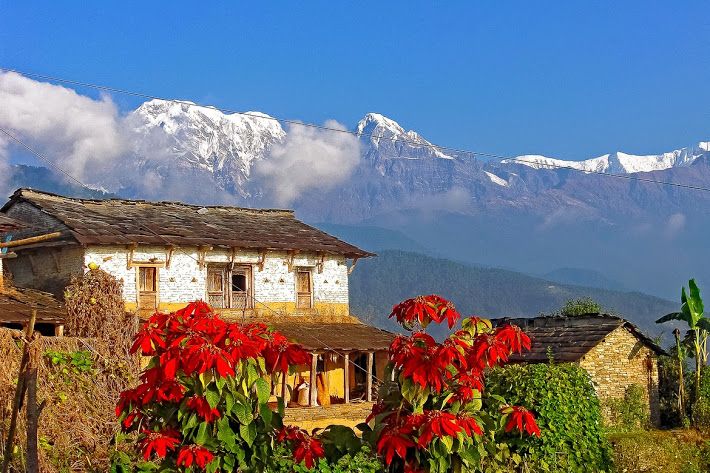
In the Annapurna foothills, weather changes fast. The most consistent tip you can take from guide-led hikes here is simple: mornings often matter. One guide took guests earlier to increase the chances of seeing the mountains before clouds moved in, which is exactly what you want if the goal is Annapurna South and Machhapuchhre views.
Season also affects the feel of the hike. One example from late December described pleasant, sunny conditions, which makes the uphill feel more comfortable and the viewpoint session easier. You can’t control weather, but you can choose to be flexible with expectations and ready to enjoy the trail even if the peaks are partly hidden.
If clouds roll in, you can still enjoy the forest, terraces, and village moments. The day is not only a view hunt.
What to Bring (and What Not to Bring) for a Day Hike
The practical packing rules here are straightforward.
Bring:
- Comfortable shoes
- Comfortable clothes
Plan around the restrictions:
- No luggage or large bags
This matters for two reasons. First, it keeps the group moving without bulky items slowing you down. Second, it nudges you toward traveling light, which is exactly what you want on uneven downhill sections.
Because meals are not included, think about how you’ll handle food during the day. Some guides may help you locate lunch options, but the hike itself doesn’t provide breakfast or lunch.
Who This Day Hike Fits Best
This is a strong fit if you want:
- A guided taste of the Annapurna foothills without overnight trekking
- Gurung village culture time at Dhampus
- English explanations and a smooth transport plan from Pokhara
It’s also ideal for people who like nature and photos, but who don’t want the full commitment of a multi-day itinerary.
If you need step-by-step mobility accommodations, this route isn’t described as suitable. If you’re pregnant or have certain medical conditions, it also isn’t recommended.
Should You Book This Kande to Dhampus Day Hike?
I’d book this day hike if you’re basing yourself in Pokhara and want one solid day where the effort leads to both mountains and real village life. The route is structured for beginners who still want a meaningful hike, and the guide factor is a major reason it works. When your guide is helpful and communicative, you stop thinking of the day as walking and start thinking of it as understanding.
Skip it if you’re looking for a fully catered experience with meals provided, or if you need a lighter walking schedule than 5 to 6 hours of easy to moderate hiking. Also, respect the restrictions for pregnancy and mobility needs.
If you can travel light, wear comfortable shoes, and show up with weather-flexible expectations, you’ll likely come away feeling like you saw the Annapurna foothills the way they actually feel on the ground.
FAQ
Where does the day hike start and end?
You’ll start and end in Pokhara, with pickup and drop-off at a hotel located on the lakeside.
How long is the hike?
The hiking portion is about 5 to 6 hours.
How difficult is this trek?
The hike is described as easy to moderate and is best for first-time hikers and nature lovers.
What route does the hike follow?
The day route goes from Kande to Australian Camp, then to Dhampus Village, and finally down to Phedi.
Is there an English guide and how big is the group?
Yes. The live tour guide speaks English, and the group is limited to 10 participants.
What is included in the $98 price?
Included are a professional local guide, private vehicle transfers (Pokhara to Kande and Phedi to Pokhara), vehicle-related expenses, and government taxes as applicable.
Are meals included, and can I cancel?
Meals are not included (breakfast, lunch and dinner are on you). Cancellation is free up to 24 hours in advance for a full refund, and there’s also a reserve now and pay later option.