REVIEW · POKHARA
Hiking to Sarangkot
Book on Viator →Operated by Swami Narayan Travels Pvt Ltd · Bookable on Viator
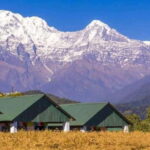
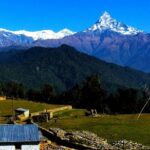
Sunrise over the Annapurnas starts with a climb. This is a moderate uphill walk to Sarangkot from the north side of Fewa Lake, passing forests and rural village paths on the way up, then landing at Pokhara’s best-known viewpoint for mountain panoramas.
What I like most is the payoff: you get a serious sunrise perspective from Sarangkot, and you’re also treated to the way Fewa Lake sits below the viewpoint. The experience feels simple, guided, and scenic without turning into a complicated expedition.
One consideration: this hike depends on weather, and the viewpoint timing matters. Also, the route notes an admission ticket at Sarangkot while other parts say entrance fee is included, so it’s smart to confirm what you’ll be asked to pay on the day.
In This Review
- Key Highlights Worth Waking Up Early For
- From Fewa Lake to Sarangkot: Why This Hike Works
- The Trail Details You’ll Actually Care About
- Sunrise at Sarangkot: Getting the Best Light Without Overthinking It
- What Each Part of the Experience Looks Like on the Ground
- Pickup and transfer in lakeside Pokhara
- The hike up
- Arrival at Sarangkot
- Price and Value: Why It’s a Smart Deal for Pokhara
- Included vs Not Included: The Simple Checklist
- Group Size and the Private-Trip Feel
- Weather Rules: How to Think About Plan B
- Tips to Make Your Sarangkot Morning Smoother
- Who This Tour Is Best For
- Should You Book the Sarangkot Hike?
Key Highlights Worth Waking Up Early For
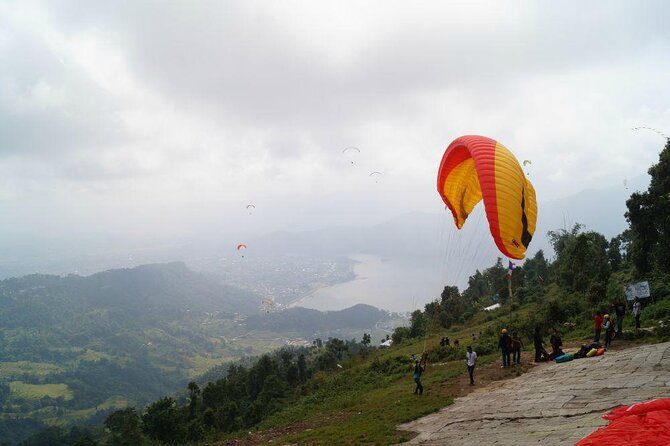
- Sarangkot sunrise viewpoints above Pokhara with classic Annapurna-range views
- Moderate uphill from the north side of Fewa Lake through forests and local village scenery
- English-speaking trekking guide to keep the route smooth and explain what you’re seeing
- Hotel pickup and drop-off within lakeside Pokhara plus a private-car shuttle
- Private trip feel: only your group participates, even with a shared tour format in mind
- High satisfaction with many hikers praising the view and the friendly help on the walk
From Fewa Lake to Sarangkot: Why This Hike Works
Pokhara does sunrise right, and Sarangkot is the stage. The magic is how quickly the setting changes as you climb: you start near the energy of Fewa Lake, then the trail angles upward into greener, quieter terrain. By the time you’re near the viewpoint, the world feels bigger, calmer, and more dramatic.
This trip is built around one main goal: giving you the best chance to enjoy Annapurna-range views from a viewpoint that hikers constantly come back to. The walking part is intentionally manageable, described as moderate uphill over about 4 to 5 hours total, so you spend your effort where it pays off: at the top.
And it’s not just about the mountains. The route passes through forests and rural village areas, so you’re not only walking through scenery-land. You’re also moving through daily-life geography—small paths, local rhythms, and that in-between feeling you don’t get from a car ride alone.
You can also read our reviews of more tours and experiences in Pokhara.
The Trail Details You’ll Actually Care About
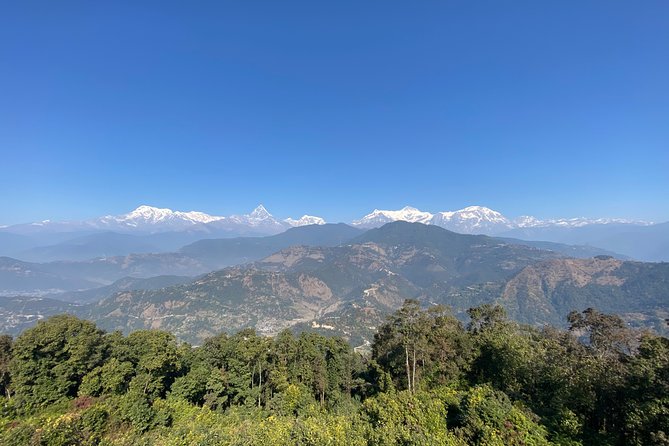
The hike goes from the north side of Fewa Lake up to Sarangkot. “Moderate uphill” is the key phrase. I read that as: expect steady effort, not a vertical scramble, and plan on pacing yourself instead of trying to win a race to the summit.
Here’s what you can expect from the terrain and route description:
- You’ll start near the Fewa Lake side area and then gradually gain elevation.
- The trail runs through forested sections, which is helpful when you’re dealing with sun and heat.
- You’ll also pass through rural village areas, where the path may feel less uniform than a paved walkway.
Because the total time is listed as 4 to 5 hours, the pace matters more than distance. You’re probably looking at a hike that feels like an active morning or early outing, not a full-day trek. If you’re the type who enjoys walking with breaks for photos and breath recovery, this should land nicely.
One practical thought: sunrise hikes come with time pressure. You’ll want a calm mindset and not treat it like a quick hit. The best views often require you to be there, settled, and ready when the light shifts.
Sunrise at Sarangkot: Getting the Best Light Without Overthinking It
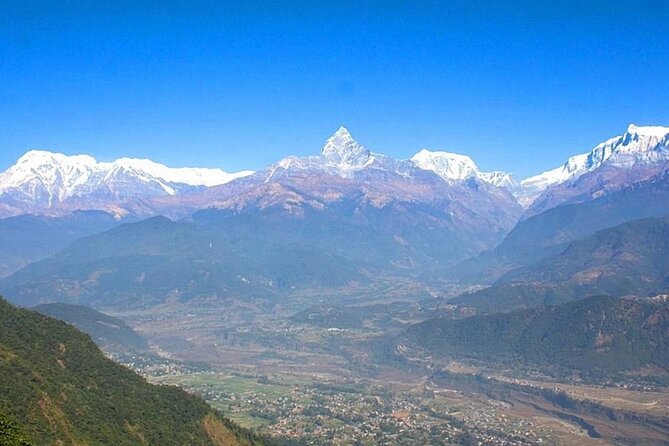
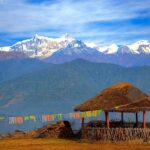
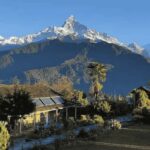
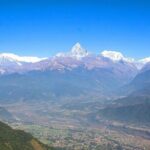
Sarangkot is specifically framed as the best viewpoint to explore sunrise over Pokhara, with the Annapurna range visible from that higher vantage. In plain terms, you’re going for early light and clearer air that can make the mountains pop.
What makes this timing work is that you’re guided, and you’re not arriving randomly. The tour includes a trekking guide and shuttle support, which helps reduce the usual chaos of figuring out transport, trailhead timing, and where to stand once you arrive.
A subtle but real benefit: many hikers in the experience feedback highlight the overall feeling of the place—fresh air, big mountain views, and the way the lake looks just beneath you. That means the “wait for sunrise” phase isn’t only about chasing a peak. It’s also about enjoying the viewpoint itself once you get there.
If you’re worried about sunrise logistics, treat it like this: show up with patience, keep your phone/camera charged, and accept that weather can change the schedule. This experience is weather-dependent, so flexibility is part of the deal.
What Each Part of the Experience Looks Like on the Ground
Even though the day’s core “destination stop” is Sarangkot, the experience is more than simply arriving at a viewpoint. Here’s the flow in a way you can picture.
Pickup and transfer in lakeside Pokhara
You’re picked up from hotels within the lakeside area of Pokhara. That matters because it reduces time wasted on finding meeting points across town. Then you use a necessary shuttle by private car, which implies you’ll cover at least part of the route efficiently before you start walking.
Why this is valuable: it lets you spend more of your energy on the hike itself, instead of wasting your limited morning time on local transit.
The hike up
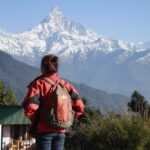
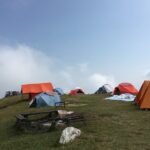
You walk from the north side of Fewa Lake toward Sarangkot. The experience description highlights forests and rural villages along the way. That gives you variety: some green shade, some open viewpoints during the climb, and small local scenery that feels grounded.
This is where your guide helps most. Even when the route feels straightforward, a good guide keeps the walking smooth, helps you manage pacing for the group, and can point out what’s worth watching along the way.
Arrival at Sarangkot
Sarangkot is the “stop” built into the schedule, with time allocated to take in the sunrise viewpoint. The entry time might feel short on paper, but the point is clear: you reach the top, orient yourself, and enjoy the view when conditions are right.
One detail worth noting: the trip information says an admission ticket is not included at Sarangkot in one place, but it also lists entrance fee as included. Because of that mismatch, I’d treat Sarangkot entry cost as something to confirm the day you go, so you’re not surprised when you arrive.
Price and Value: Why It’s a Smart Deal for Pokhara
At $41.14 per person, this hike sits in a very reasonable range for Nepal viewpoint experiences, especially because the day includes real support rather than just a route map.
Here’s what you’re effectively paying for:
- Hotel pickup and drop-off within lakeside Pokhara
- An English speaking trekking guide
- Entrance fee (but confirm the Sarangkot ticket question)
- A private-car shuttle as needed
- A private trip feel: only your group participates
- Mobile ticketing for smoother confirmation
For many visitors, the value isn’t just the cost. It’s the reduction in stress. You get a planned sequence, local guide assistance, and transport that fits into a morning schedule. In Pokhara, that’s often the difference between a relaxed view day and a chaotic scramble.
Also, the “group discounts” note can matter if you’re booking with friends. If you’re traveling in a small cluster, that can help you stretch your budget.
Included vs Not Included: The Simple Checklist
To avoid surprises, here’s the clearest way to think about it.
Included:
- Hotel pickup and drop-off (within lakeside Pokhara)
- English speaking trekking guide
- Entrance fee
- Necessary shuttle by private car
- Private trip format (only your group)
Not included:
- Meals and personal expenses
- Optional gratitude
That means you should plan to handle your own breakfast and snacks unless your schedule already covers it. The hike is long enough that you’ll likely want water and a small energy snack, even if the tour doesn’t provide meals.
And since gratitude is listed as optional, you can decide what feels fair after you’ve seen your guide’s help.
Group Size and the Private-Trip Feel
This is described as a private tour/activity, with only your group participating. That usually means you won’t be lumped into a huge herd. For sunrise hikes, that’s a big deal. Crowded viewpoints can turn a peaceful moment into constant repositioning.
Even with a private setup, you’ll still want to move as a group so you don’t create delays in timing. The guide’s role is mainly keeping the pacing friendly and the path manageable, so you’re not left trying to figure out what’s next.
Weather Rules: How to Think About Plan B
The experience states that it requires good weather. If it’s canceled due to poor weather, you’ll be offered a different date or a full refund.
So treat this as a weather-sensitive sunrise plan. That doesn’t mean it’s unreliable. It means the operator is taking the viewpoint seriously. If clouds roll in or conditions don’t cooperate, your best bet is to follow the guidance you’re given and be ready to shift dates if needed.
Practical move: don’t overbook your schedule the same morning. Keep a little buffer around the sunrise window so a change doesn’t derail the rest of your Pokhara plans.
Tips to Make Your Sarangkot Morning Smoother
I like sunrise hikes most when people prepare like it’s a real morning adventure, not a casual walk. Here are a few things you can do to keep it easy.
- Wear shoes with grip. Even without “technical” terrain, uphill paths can be uneven.
- Bring a light layer. Sunrise can feel cooler at elevation.
- Have a charged phone or camera. You’ll want photos when the light starts changing.
- Carry water. The day doesn’t mention meals being provided.
- Keep expectations flexible. If weather shifts, the best value is in rolling with the plan.
From the feedback people shared, the most praised part was the view and the overall experience of climbing up to reach it. That only happens if you’re comfortable enough to enjoy the walk instead of counting minutes the whole time.
Who This Tour Is Best For
This is a solid choice if:
- You want Annapurna-range views without committing to a multi-day trek
- You enjoy a moderate hike and want something you can finish in about half a day
- You’d rather have a guided, organized morning than self-navigate transport and timing
- You care about sunrise and want to reach Sarangkot with the right support
It’s also a good fit for first-time hikers to Nepal who want a managed experience. The tour says most travelers can participate, which lines up with the moderate uphill style.
If you’re someone who dislikes early starts or hates walking uphill at all, you might find the effort part of the trade-off. But if you’re okay with steady hiking in exchange for big views, this checks the boxes.
Should You Book the Sarangkot Hike?
I think you should book this hike if your top priority is a guided path from Fewa Lake to Sarangkot with the best shot at sunrise and mountain views. The combination of pickup, private-trip setup, an English speaking trekking guide, and a timed viewpoint stop is built for stress-free sightseeing.
Before you click confirm, do two quick checks:
- Confirm what you’ll pay on arrival regarding the Sarangkot admission ticket question.
- Plan your morning around weather. If conditions aren’t good, flexibility is part of the deal.
If you want a memorable Pokhara morning that mixes local scenery with serious viewpoint payoff, this is a strong, practical choice.