REVIEW · MARRAKECH
2-Day Toubkal Trailblazer: From Souks to Summit
Book on Viator →Operated by Marocco Trekking · Bookable on Viator
Toubkal starts in souks, ends in thin air. This 2-day trek takes you from Marrakech to the Atlas base at Imlil, then up through Mizane Valley villages and the Chamarouch shrine on day one, before a summit push to the highest peak in North Africa. You get a real sense of how Moroccan mountain life threads into the hike, not just a straight line to a viewpoint.
I love how the climbing is handled with Mohamed’s kind of organization and attention—multiple people mention he adapts the plan to the group’s pace and keeps everything feeling safe. You also get the kind of overnight you want after a hard day: refuge accommodation, dinner, and breakfasts included, so you spend less time planning and more time moving.
One thing to consider: at altitude, things feel harder fast. Water is limited to one 1.5 liter bottle, and you’ll be walking about 4–5 hours each day while gaining to roughly 4,167 m at the summit, so you’ll want a solid fitness baseline and a steady head.
In This Review
- Key highlights worth your time
- Why This Toubkal Trek Feels Local: Imlil, Aremd, and Chamarouch
- Day 1: Marrakech to Imlil and Up to the Toubkal Refuge (around 3,200 m)
- Day 2: The Summit to 4,167 m and the Return to Imlil
- Refuge Night, Meals, and the Real Comfort Level You Should Expect
- Guide Team and Pace Control: Mohamed, Youssef, and the Mountain Crew
- Price and Value for $201.67: What This Includes (and What It Doesn’t)
- Getting Ready: What to Pack for a 2-Day Summit Trek
- Who Should Book This Tour (and Who Might Want a Different Plan)
- Should You Book the 2-Day Toubkal Trailblazer?
- FAQ
- What time does the trek start?
- Where do you travel from before the hiking begins?
- How long is the walking on each day?
- How long are the driving parts?
- Does the tour include meals and a place to sleep?
- How much water is included?
- What’s the maximum group size?
- What equipment should I bring or plan to rent?
Key highlights worth your time
- Mizane Valley + Aremd + Chamarouch stops turn the climb into a cultural route, not only a workout
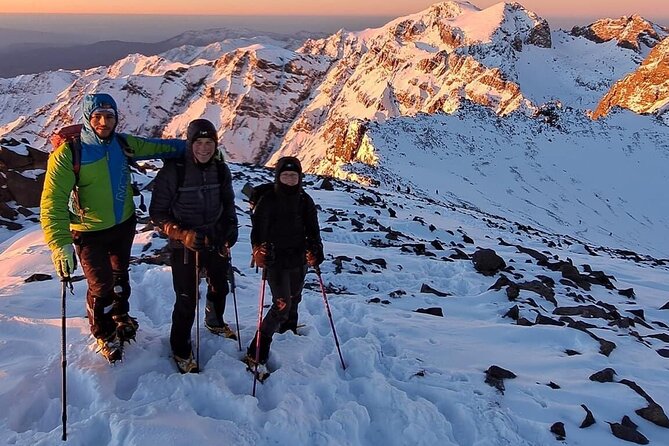
- Summit day to 4,167 m brings big, high-altitude views and a real sense of achievement
- Small group size (max 15) keeps the hike feeling controlled and personal
- Refuge night means you’re not scrambling for shelter after a long first day
- Guide support that adjusts pace is a recurring theme, including help for tired hikers
Why This Toubkal Trek Feels Local: Imlil, Aremd, and Chamarouch
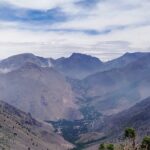
Most Toubkal trips are sold as a summit mission. This one also gives you the in-between moments where the Atlas stops being scenery and becomes a living place. You begin at Imlil, around 1,450 m at Toubkal’s base, so you’ll feel the mountains right away—air gets cooler, trails get steeper, and the village rhythm becomes part of your walk.
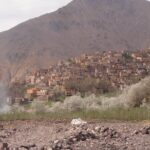
As you move through the Mizane Valley, you’ll pass by Aremd, then head toward the Shrine of Chamarouch. That shrine stop matters because it breaks up the physical grind with something meaningful and visibly Moroccan. Even if you’re not chasing culture as a separate activity, it adds texture to the trek: less like a ladder to a top, more like a route through community.
The cultural stops also give your guide a natural way to explain what you’re seeing and why it’s there. In the stories people share, guides like Mohamed are praised for local knowledge and keeping the group comfortable while still pushing toward the goal.
You can also read our reviews of more tours and experiences in Marrakech.
Day 1: Marrakech to Imlil and Up to the Toubkal Refuge (around 3,200 m)
You start with pickup from Marrakech and travel up to Imlil. The day is a mix of driving and walking: about 2 hours of driving and roughly 4–5 hours of walking. The walking time sounds manageable on paper, but day one tends to feel like the warm-up for altitude and steep trail sections, especially once the path turns steeper on approach to the refuge.
From Imlil, you’ll weave through the Mizane Valley and pass the Aremd village area. Then the trail heads toward Chamarouch, where the route becomes steeper. This is where good footwear and a steady pace pay off. I like starting the climb earlier rather than trying to sprint; it keeps your breathing under control when the air starts getting thin.
By the time you reach the Toubkal Refuge, you’re living at about 3,200 m. That altitude shift is not just a number—it affects appetite, sleep, and how quickly you feel winded. The good news: your evening is built in. You get refuge accommodation, dinner, and the next morning’s breakfast, so you’re not trying to solve meals and shelter after you’re already wiped out.
A small but important practical detail: water is limited to one 1.5 liter bottle for the experience. That means you should treat sipping strategically on day one. Don’t save it all for the steep sections; take small amounts before you feel thirsty.
Day 2: The Summit to 4,167 m and the Return to Imlil
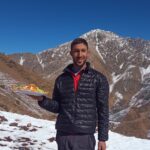
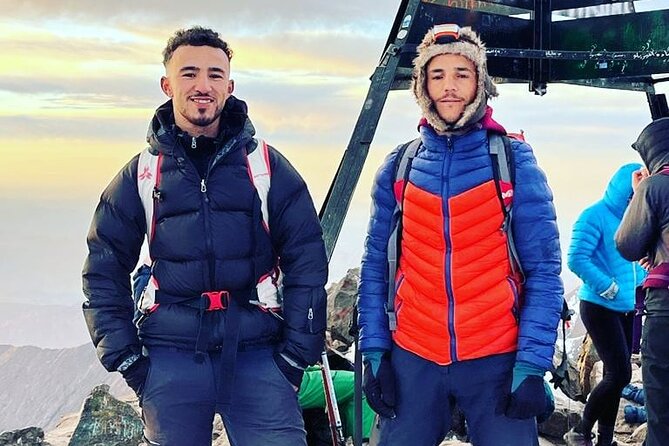
Day two is the moment most people came for: the push to the summit point of Toubkal at 4,167 m. The day includes about 4–5 hours of walking plus roughly 2 hours of driving back to Marrakech. Total time can run long (some schedules list around 9 hours), mainly because timing matters at altitude—when you start, how fast you move, and how much time you need for a safe descent.
The hike up follows the same general route pattern back toward Imlil, which helps. You already know what the terrain is like from day one, so you can focus on rhythm instead of guessing what comes next. Still, the summit day is harder than day one for one reason: once you’re high, every step asks more from your body.
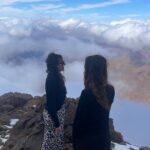
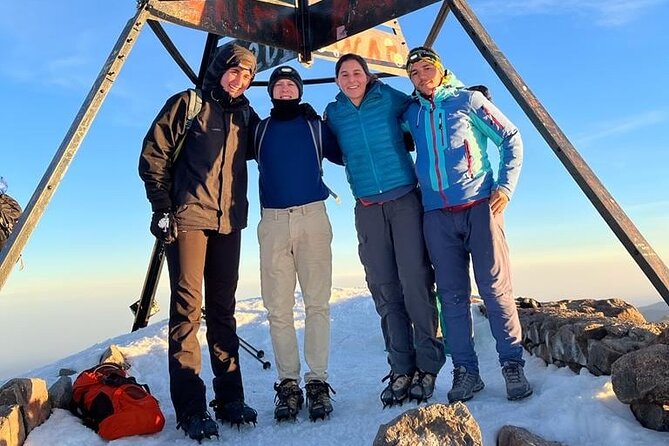
What makes the summit special isn’t only the height. It’s the feeling of being above the Atlas valleys and the sense that the trail has been building to this moment since Imlil. Some people also mention a chance at sunrise from the peak, depending on timing. If you’re the type who gets excited by early light, you’ll likely love that angle of the summit day.
Then you descend back toward Imlil. Descents can be tough on knees and energy. With a guide who understands pacing, you’ll be less likely to overdo it on the way down. In multiple accounts, Mohamed and his team are described as patient and helpful, even when someone is tired or needs a hand with belongings.
Refuge Night, Meals, and the Real Comfort Level You Should Expect
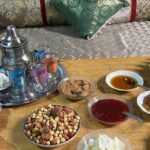
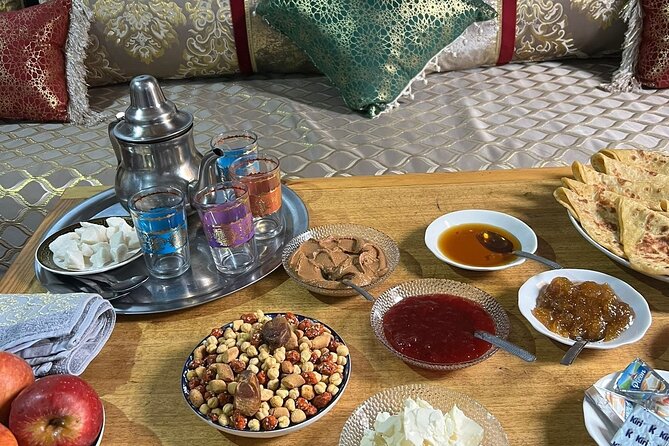
This trek includes dinner, breakfast (2), and lunch (2), which is a big deal. On high-altitude hikes, buying food on the fly can turn into a hassle. Here, meals are part of the plan, so you can focus on the next step instead of the next snack.
The refuge accommodation is also included, and that matters because you’ll arrive at the end of a long day without needing to chase lodging. People mention the overnight stay as comfortable enough for recovery, and the food is often described as good after the climb.
That said, refuge nights in the High Atlas are not the same as a city hotel. Expect basic mountain comfort and the usual realities of altitude. You’ll likely want to bring warm layers for the evening and early morning, because temperatures can drop fast at elevation.
Another practical point: water limitation means you may want to carry your own extra if you have a personal drinking style that doesn’t match one bottle. The tour includes one 1.5 liter bottle, but your comfort on summit day may depend on how you personally handle hydration.
Guide Team and Pace Control: Mohamed, Youssef, and the Mountain Crew
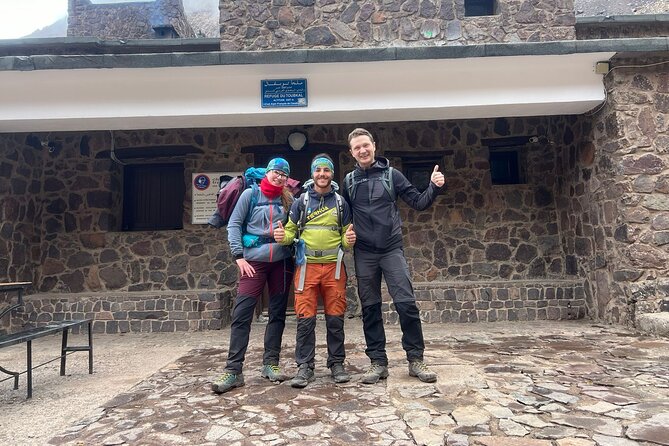
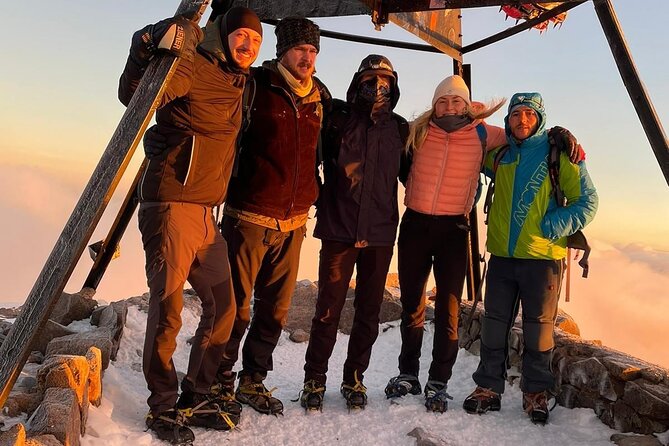
A trek like Toubkal lives or dies by the guide’s ability to manage pace and safety. The clearest theme across people’s experiences is that Mohamed runs a structured ascent without losing the human side. Many accounts praise his professionalism, humor, and calm support—especially for groups with mixed fitness.
Some stories mention Youssef as an additional local guide who helped with tips and support during the hike. Others reference a wider team that includes people like Sabil/Sebil and Ermush (muleteer/cook) who helped take care of the group and ensured the trip ran smoothly.
If you’re wondering what that means for you, it usually shows up in small ways:
- You don’t feel abandoned when you slow down.
- The plan can adjust to the group’s pace and preferences.
- You get help with details that matter at altitude, from warm-up rhythm to staying steady on steeper parts.
One account even describes a guide carrying an exhausted hiker’s bag on top of his own. That kind of effort is what turns a hard trek into a safe-feeling trek.
English communication is also mentioned positively in the experiences shared, which helps if you want clarity about route expectations and effort management.
Price and Value for $201.67: What This Includes (and What It Doesn’t)
At $201.67 per person, you’re paying for a full 2-day package built around logistics and risk management. The price includes hotel pickup, an experienced driver, an expert Atlas Mountains guide, refuge accommodation, dinner, two breakfasts, and two lunches. You also get the major hiking infrastructure: a prepared schedule, organized ascent/descent, and guided cultural stops.
For me, the value is strongest when you consider what can go wrong on a self-planned Toubkal trek: transportation timing, coordinating refuge logistics, meal planning, and not having someone experienced with the mountain’s tempo. This tour hands you those moving pieces.
What’s not included is mainly personal expenses. Gear needs can be partly personal too. In one set of experiences, people mention bringing some equipment while others can be rented, including items like crampons, sleeping bags, gloves, and headlights. Your exact options will depend on season and what you already own, so I’d treat that as a helpful sign, not a guarantee.
Also remember the water limit. Even with meals included, you should plan for the hydration reality of the mountain.
Getting Ready: What to Pack for a 2-Day Summit Trek
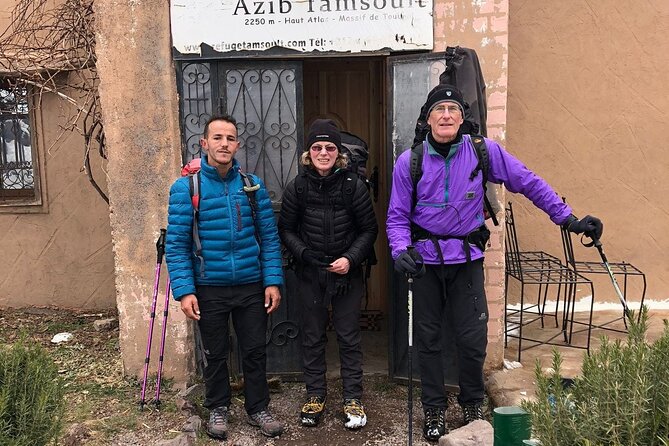
You’ll be walking steep trails and reaching very high elevation, so pack like you’re climbing, not sightseeing. The tour includes meals and refuge, but it doesn’t mean you’ll be comfortable if you underpack.
In practice, I’d plan for:
- Warm layers for early morning and late afternoon at altitude
- Good hiking boots with grip for rocky trail sections
- Gloves and a hat for colder summit temperatures (especially if you go early)
- A headlamp, since you’ll likely start hiking with low light at some point
If you’re relying on rentals, there’s mention that crampons, sleeping bags, gloves, and headlights can be rented. If you don’t see those items offered for your date, don’t assume they’ll be available at the last minute.
Also, bring cash for personal needs if you like buying a snack or drink on your own. The tour covers core meals, but it doesn’t cover everything you might want.
Finally, pace yourself. Even if you feel strong on day one, summit day is where the altitude really shows.
Who Should Book This Tour (and Who Might Want a Different Plan)
This trek is listed for moderate physical fitness. That’s the sweet spot for people who hike regularly and want a challenge without turning the trip into an all-day suffer-fest with no structure. If you’re comfortable hiking for several hours and can handle steep sections, you’ll likely enjoy it.
You’ll also enjoy it if you care about more than just the view. The route through Aremd and the Chamarouch shrine gives you context for how the Atlas is lived in, not just looked at from above.
I’d be cautious if you:
- Have trouble with long hikes and sustained uphill walking
- Know altitude usually hits you hard
- Prefer a trip with less physical risk and less time on your feet
That said, the guides’ focus on adapting pace is a real plus. If you’re determined and you communicate honestly about your limits, this type of guided climb can feel doable.
Should You Book the 2-Day Toubkal Trailblazer?
I think you should book if you want a guided, organized Toubkal experience where the details are handled: pickup, meals, refuge, and a guide team that keeps the ascent under control. The cultural route through Mizane Valley, Aremd, and Chamarouch adds meaning to the hours on your feet, and the summit experience at 4,167 m is the kind of goal that actually changes how you remember the trip.
Skip it if you’re looking for a gentle walk, or if you know you struggle with altitude and long trekking days. This is a real mountain challenge, and it rewards steady effort.
If you’re on the fence, pick it when your schedule allows you to commit fully. Toubkal is better when you show up ready to walk, eat well, and let the guide manage the tempo.
FAQ
What time does the trek start?
The experience starts at 9:00 am.
Where do you travel from before the hiking begins?
You meet your tour guide in Marrakech, and you travel by vehicle to Imlil, where the trek begins.
How long is the walking on each day?
Day one is about 4–5 hours of walking. Day two is also about 4–5 hours of walking, followed by the return travel.
How long are the driving parts?
Day one includes about 2 hours of driving. Day two includes about 2 hours of driving as well.
Does the tour include meals and a place to sleep?
Yes. It includes dinner, two breakfasts, two lunches, and refuge accommodation for the night.
How much water is included?
Water is limited to one 1.5 liter bottle for the experience.
What’s the maximum group size?
The group size is limited to a maximum of 15 travelers.
What equipment should I bring or plan to rent?
You should plan to bring your own hike-ready gear, and there are mentions that some items like crampons, sleeping bags, gloves, and headlights can be rented.