REVIEW · MARRAKECH
2 Days 1 Night Hike Mount Toubkal Tour
Book on Viator →Operated by Toubkal Hiking · Bookable on Viator
Cold air, early start, big payoffs. This 2-day Mount Toubkal hike is a well-run trek from Marrakech through the High Atlas, with English-speaking Berber guides and a real overnight at Refuge du Toubkal. You’ll spend day one working your way up from Imlil to the Toubkal base area, then wake super early to aim for the summit views.
Two things I like a lot. First, the guiding really matters here: guides like Mohamed are known for patient pacing, so the hike doesn’t turn into a forced march for slower hikers. Second, you’re not just passing through mountains—you sleep in a hut and eat proper meals, including a warm dinner and breakfast at altitude near 3,200m at Refuge du Toubkal.
One drawback to consider: the second day starts around 4:30am, and the summit can be cold, especially in winter. Also, mountain equipment is not included, so you’ll want to plan for essentials like layers and a headlamp if conditions are dark or snowy.
In This Review
- Key highlights worth planning for
- Why Mount Toubkal in 2 Days is a smart bet
- Day 1: Marrakech to Imlil and up to the refuge
- Day 2: 4:30am breakfast, summit effort, then back by mid-afternoon
- Mohamed and the guide-led pace that makes the trip work
- Hut-to-summit logistics: what the overnight stay changes
- What to pack (because equipment isn’t included)
- Group size and the feel of a max-15 trek
- Value check: is $162.84 worth it?
- Weather reality: the trip depends on conditions
- Who this hike is best for
- Should you book Mount Toubkal in 2 Days from Marrakech?
- FAQ
- How long is the Mount Toubkal hike?
- What time does the tour start?
- How do I get from Marrakech to the hiking area?
- Where do we stay overnight?
- Are meals included?
- Is mountain equipment provided?
- What happens if the weather is bad?
Key highlights worth planning for
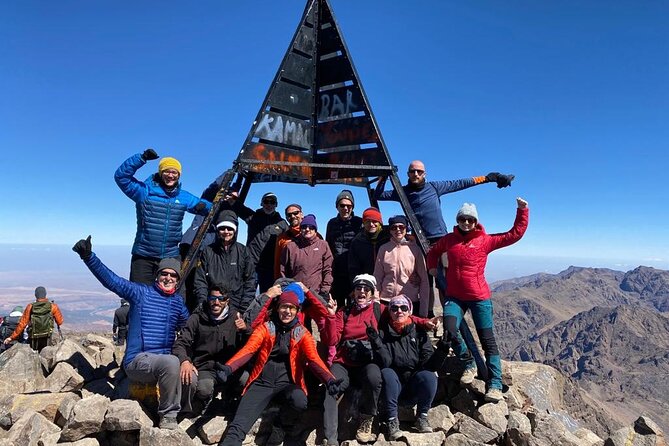
- A hut stay near 3,200m at Refuge du Toubkal keeps you comfortable and fueled for the summit push
- English-speaking Berber guides can set a pace that works for your group
- A tight early-morning schedule aims to get you to the summit in good light
- Pickup and round-trip transport from your Marrakesh accommodation removes a lot of hassle
- Meals are included end to end (2 lunches, 1 dinner, 1 breakfast)
- Small group size (max 15) helps the day feel coordinated without being cramped
Why Mount Toubkal in 2 Days is a smart bet
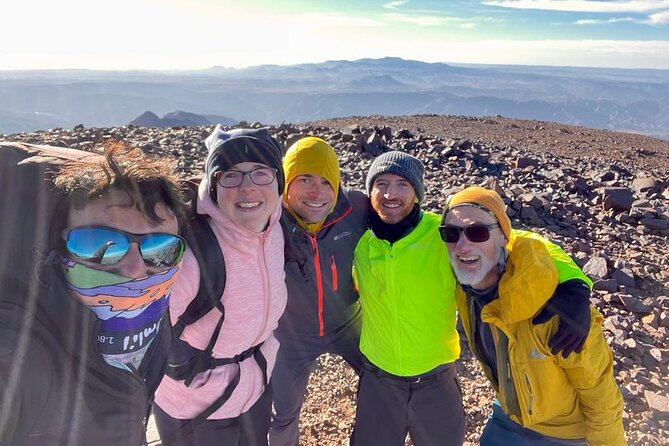
Mount Toubkal (the High Atlas giant) is the kind of hike that gives you instant bragging rights, but it also has real altitude and steep sections that demand respect. The two-day format is a good balance for people who want a summit attempt without turning the trip into a week-long endurance test.
What makes this setup feel practical is how it’s built around timing. You drive out from Marrakech, hike up to a base area on day one, then sleep close enough to 3,200m that the summit day starts with fewer logistical hurdles. That overnight hut stop is also why the meals matter so much: you’ll eat lunch on the way up and then dinner and breakfast near the altitude zone, so you’re not scrambling for food after a long climb.
The cost, at $162.84 per person, is easiest to judge by what you don’t have to organize: you get round-trip transportation, an overnight hut, English-speaking guides, and meals. If you tried to piece this together yourself, you’d spend time coordinating transport and a guide—plus you’d still need a place to sleep and the right food timing for an early summit start.
You can also read our reviews of more tours and experiences in Marrakech.
Day 1: Marrakech to Imlil and up to the refuge
You start around 8:30am, then you’re looking at about 1 hour 30 minutes of driving from Marrakech to Imlil, the classic jump-off village in the High Atlas. This transfer is more than just travel time. It’s the built-in warm-up period where you shift from city rhythm to mountain rhythm.
Once you reach Imlil, you meet your guide and start hiking for about 5 hours toward the Toubkal base camp area around 3,207m. This first day tends to feel like a steady “get your legs working” climb rather than pure wall-of-steepness. You’ll also notice the route isn’t one-note: as you rise, the trail and conditions can change enough that you stay focused on footing and pacing instead of just staring at the same view.
Lunch comes during the hike, which is huge. At altitude, you don’t want to rely on snack-only energy. The plan includes a proper meal before you head to the overnight hut.
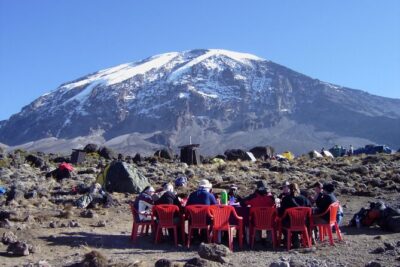
That overnight stop is at Neltner Mountain hut Refuge du Toubkal. You’re sleeping in the altitude zone around 3,200m, and the rhythm there helps you recover. Dinner and breakfast are served at the hut, so you can stop thinking about where to eat and start thinking about sleep and hydration. In the mountains, that mental shift is half the battle.
Practical note: the day ends with the real payoff of “I’m actually up here now.” Even before summit day, you’ll feel the altitude and the quiet. And yes, the hut stay makes the second day less chaotic.
Day 2: 4:30am breakfast, summit effort, then back by mid-afternoon
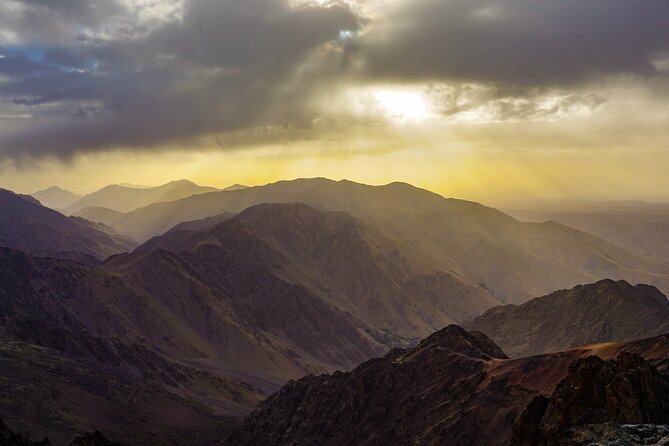
The summit day starts early: breakfast at 4:30am. I know that sounds like a cruel joke, but it’s exactly why a summit attempt is even possible in a 2-day window. Early starts reduce the risk of bad weather later and give you a better chance of strong visibility.
After breakfast, you begin the ascent to the Toubkal summit. The climb is described as initially steep, then more gradual. That pattern matters. You’ll likely feel that first push right away, then get moments where you can settle into a steady rhythm and manage altitude effects by staying hydrated and moving at a pace that feels sustainable.
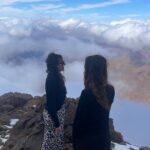
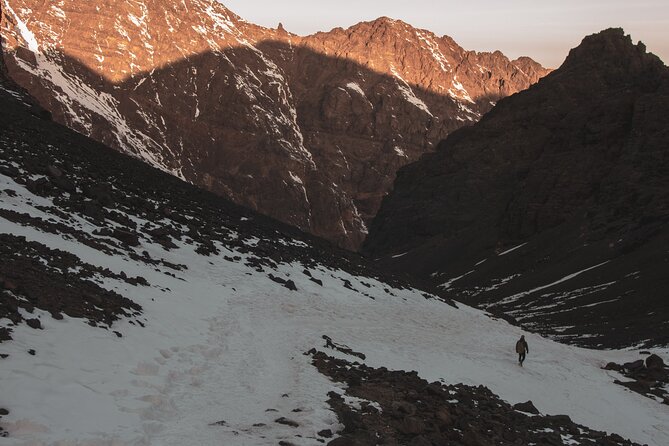
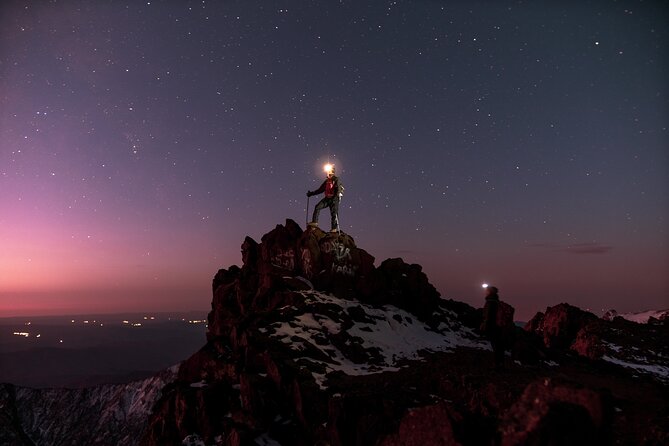
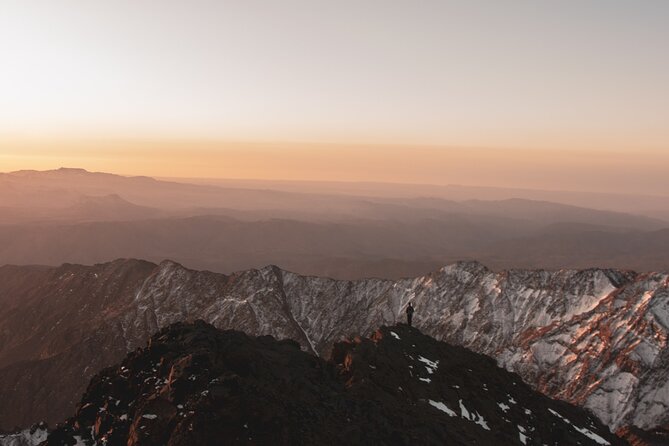
The summit climb takes about 3 hours, and then you get the views you came for. Expect a cold feeling up top even if you warmed up lower down, especially in winter conditions. One of the best practical bits from real-world experiences is this: layers are not optional. It’s also smart to have a plan for headlight time. If you’re hiking in low light, a headlamp helps you keep your footing calm and controlled.
From the summit, you descend the same route back to the refuge. After that, lunch is served on the road, and by about 4:00pm you’re back with the driver heading for Marrakech. That end-of-day timing is a real advantage. You don’t arrive home too late, and you can actually process the experience instead of collapsing instantly.
Mohamed and the guide-led pace that makes the trip work
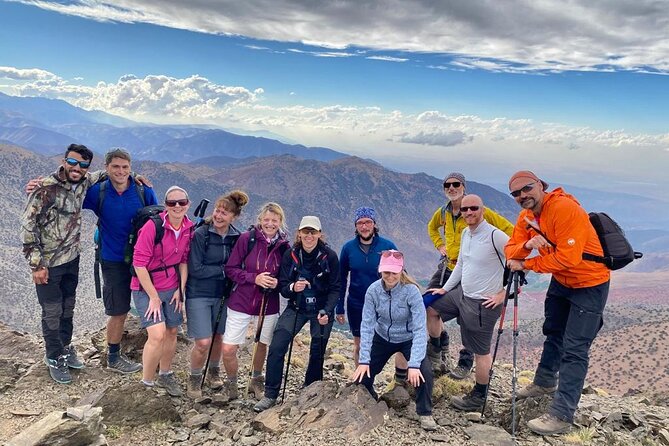
For a summit hike, the guide isn’t just there for directions. They manage your pace, your energy, and the small choices that stop a hike from going sideways.
Names you’ll hear in the experience include Mohamed, praised for being patient and not rushing hikers. That’s a big deal on Toubkal. The most common problem on hikes like this isn’t always “too hard,” it’s that people go out too fast, then altitude and fatigue start stacking up.
A guide who can adjust pace means you’re more likely to:
- Keep a steady cadence on the early-steep section
- Arrive at key moments feeling better, not worse
- Stay confident in dark or icy spots
It also helps that the guides are described as English-speaking and Berber mountain guides. In practice, that language piece improves safety and comfort because you can ask questions, get clearer guidance, and understand what to expect next without guessing.
Hut-to-summit logistics: what the overnight stay changes
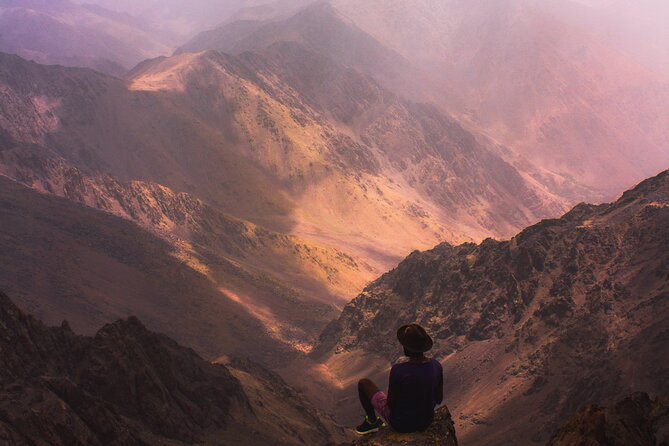
Refuge du Toubkal is more than a place to sleep. It’s what makes the 2-day summit plan feel doable.
Without an overnight, you’d have to drive, hike longer in one day, and risk arriving too tired to attempt the summit. With the hut, you get:
- A fixed place to recover between long walking blocks
- Dinner and breakfast at the right times
- A calmer start on day two around 4:30am
- Fewer “where do we eat” decisions
The hut also affects how you pack. You’ll want to bring what you need for cold conditions because you’re at real altitude overnight. And since mountain equipment isn’t included, you should treat this as a trip where you bring your core gear—then the guide takes care of route support and pace.
What to pack (because equipment isn’t included)
The biggest practical detail: mountain equipment isn’t included. That means you should plan your packing list like you’re responsible for your own comfort and safety.
Here’s what I’d treat as essential for this exact style of hike:
- Layers for the summit and early morning chill
- Headlamp (useful for early starts in dark conditions)
- Hydration plan (the climb is long and day two starts early)
- Energy snacks like energy bars (they matter when mornings are steep and cold)
- Foot traction plan if winter conditions bring snow or ice. Some hikers in cold-season conditions choose crampons or rented traction, so thinking about traction ahead of time is smart.
If you’re unsure what “mountain equipment” means for you personally, build your kit around traction, warmth, visibility, and steady endurance—not just a casual hiking daypack.
Group size and the feel of a max-15 trek
This tour runs with a maximum of 15 travelers. That’s small enough for you to feel supported, but big enough that you’re not stuck one-on-one with a guide unless the group needs it.
In a group this size, what you gain is coordination. You’ll likely move together on main sections, with your guide managing timing so nobody gets lost and the group stays safe on early steep segments. It also means if you’re slower, you can still finish without the vibe turning into pressure.
And if you’re faster, you don’t need to sprint the entire way. The guide’s pacing helps keep the day from turning into a race you didn’t sign up for.
Value check: is $162.84 worth it?
Pricing is always personal, but here’s how I’d judge the value for this specific package.
You’re paying for:
- A mountain guide (English-speaking) through two days
- Round-trip transportation from your Marrakesh accommodation
- Accommodation in a mountain hut
- Meals: 2 lunches, 1 dinner, and 1 breakfast
- A structured plan for the summit day timing (early breakfast and early ascent)
If you had to price those out separately—especially the guide and the hut—you’d likely end up with a similar total once you account for time and logistics. Also, the trip is booked about 34 days in advance on average, which suggests it’s popular. Paying for a bundled plan can save you stress when dates are in demand.
So yes, $162.84 per person can feel fair for what’s included—especially if you don’t want to spend your vacation time bargaining for transport and figuring out where to sleep at altitude.
Weather reality: the trip depends on conditions
This experience requires good weather. If it gets canceled due to poor weather, you’re offered a different date or a full refund. That matters because summit hikes aren’t about courage alone; they’re about safety and visibility.
A smart approach is to pack mentally for two possibilities:
- You get clear conditions and a smooth summit push
- Or weather changes the plan, and you adjust with a new date
Either way, the setup is designed around being weather-responsive rather than pretending every day is a guaranteed summit.
Who this hike is best for
This is a great fit if you want:
- A real, guided challenge up to Mount Toubkal with a summit attempt
- An English-speaking guide and a structured, low-chaos plan
- A hut overnight so you can recover for a tough early morning
It’s also for you if you appreciate pacing and support. The guide style described around Mohamed—patient, not rushing people—suggests the experience doesn’t punish slower hikers.
You should think twice if:
- You’re not comfortable with early mornings and cold conditions
- You don’t have traction/warmth gear and you’d rather not plan
- You want a relaxed walk. This hike is work, even when it’s well organized.
Should you book Mount Toubkal in 2 Days from Marrakech?
I’d book this if you want a focused mountain experience with real structure: transport from Marrakesh, a hut night near 3,200m, meals handled, and a summit day planned with an early start. The guide-led pacing and the small group size make it feel more manageable than DIY.
Don’t book it if you hate cold mornings, aren’t willing to bring your own equipment, or you’re looking for a casual stroll. Also, go in expecting a tough hike, not a sightseeing day.
If you do book, your best move is simple: pack layers, plan for a headlamp, and bring energy bars. Then let your guide set the pace so you finish feeling proud, not wrecked.
FAQ
How long is the Mount Toubkal hike?
It runs for 2 days (approximately), with pickup and transport from Marrakech, hiking on day one, and an early summit effort on day two.
What time does the tour start?
The start time is 8:30am.
How do I get from Marrakech to the hiking area?
The tour includes round-trip transportation between your accommodation in Marrakesh and the trek area.
Where do we stay overnight?
You stay in a mountain hut at Refuge du Toubkal (Neltner Mountain hut) near the altitude zone around 3,200m.
Are meals included?
Yes. Meals included are 2 lunches, 1 dinner, and 1 breakfast.
Is mountain equipment provided?
No. Mountain equipment is not included, so you’ll need to bring what you require.
What happens if the weather is bad?
The experience requires good weather. If it’s canceled due to poor weather, you’ll be offered a different date or a full refund.
If you want, tell me when you’re going (month matters for cold and snow) and your hiking comfort level, and I’ll suggest a practical packing checklist tailored to that timing.