REVIEW · MARRAKECH
Berber villages : Atlas Mountains Day Hike from Marrakech
Book on Viator →Operated by Amazouz Morocco Tours · Bookable on Viator
You trade Marrakech noise for mountain life. This Atlas Mountains day trip takes you past the Asni and Imlil valleys and into real Berber villages, with mint tea, a stop for women-made argan oil, and a traditional lunch in a local home. I especially love the way the day mixes scenery with people you can actually talk to, not just look at.
Two big wins for me: the women-run argan oil cooperative stop (breakfast included) and the Berber home lunch with tajine, couscous, or vegetarian options. One possible drawback: this is more of a cultural day with short, gentle walking than a long, hardcore hike, so if you’re training for something sweaty, you may want a more challenging trek.
In This Review
- Key things that make this Atlas day trip worth it
- Leaving Marrakech: pickup, timing, and the real pace
- Tahanaout weekly market and the women-run argan oil co-op stop
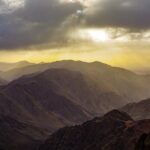
- Moulay Brahim Gorges: a quick photo break with real mountain drama
- Asni Valley and the Saturday souk option
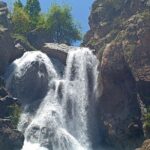
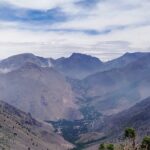
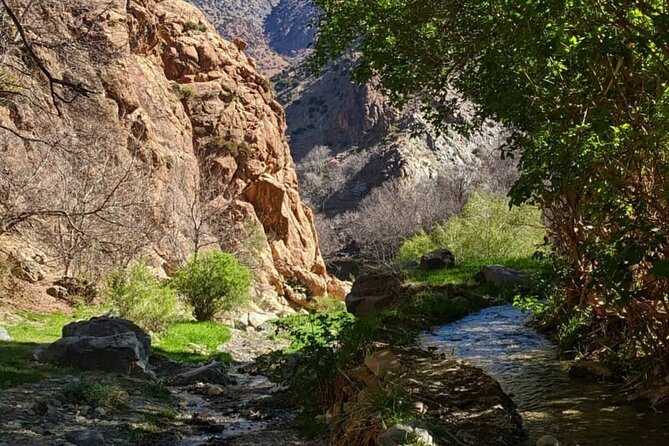
- Imlil village at the foot of Mount Toubkal: gentle walking and waterfall views
- Aroumd: lunch in a Berber home and the mint-tea rhythm
- Guides, group size, and how the day stays smooth
- Price and value: why $15 can feel surprisingly fair
- Who should book this Berber villages Atlas day hike
- Should you book Amazouz Morocco Tours for this day trip?
- FAQ
- How long is the Atlas Mountains day trip from Marrakech?
- Do I get hotel pickup?
- Is there a group size limit?
- What’s included for meals?
- Will I see weekly souks?
- Where is lunch served?
- Is the walk difficult?
- Do I get time for photos?
- What is the cancellation policy?
Key things that make this Atlas day trip worth it
- Small-group feel (max 16 travelers), so you’re not lost in a crowd.
- Weekly souks in Tahanaout and Asni offer a real look at rural market life.
- Women-run argan oil cooperative with breakfast, plus a practical view of how oil is made.
- Imlil at the base of Mount Toubkal with an easy village walk and a nearby waterfall.
- Lunch served in a Berber home, usually tajine/couscous, with mint tea and hospitality.
- Photo stop at Moulay Brahim Gorges for dramatic views without a full detour.
Leaving Marrakech: pickup, timing, and the real pace
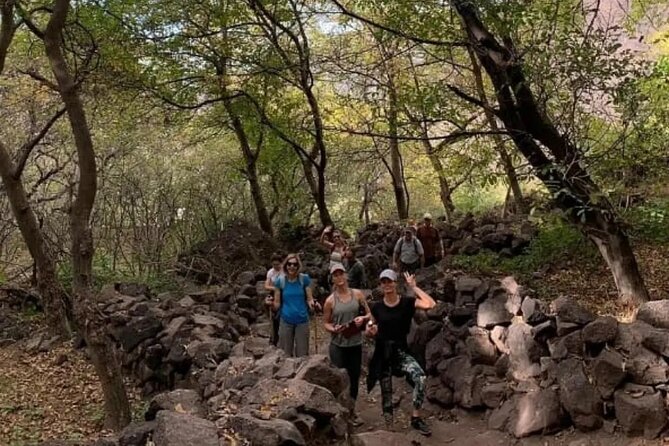
This tour is built for a full day away from the city without turning it into a marathon. Expect about 7 hours 30 minutes total, and a return to Marrakech around 5:00 PM. Pickup is included from your hotel or riad, which matters in Marrakech because finding the right meeting point on your own can be a small circus.
The day is also paced in a smart way. You get several “anchor” stops—market, cooperative, mountain village, home lunch—then enough travel time to see how the region changes as you go higher. It’s not wall-to-wall walking. Most travelers can participate, and the main “walk” portion is described as gentle.
If you choose the private option, you get a more flexible schedule and your own guide. That’s useful if you’re a photographer who wants a couple extra minutes at a viewpoint, or if you’re traveling with kids and want fewer surprises.
You can also read our reviews of more tours and experiences in Marrakech.
Tahanaout weekly market and the women-run argan oil co-op stop
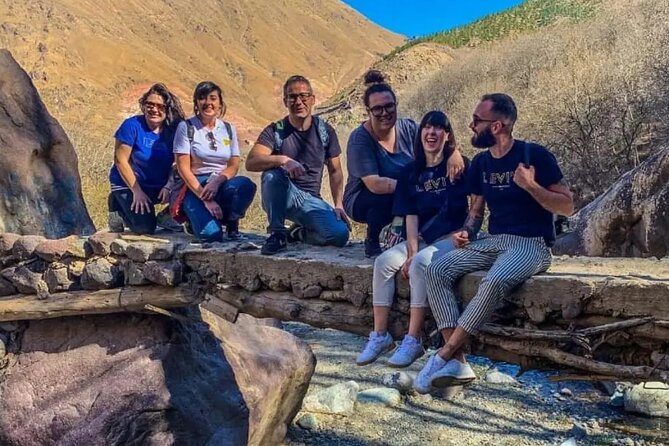
Stop 1 is in Tahanaout, known for its weekly Berber market. The souks are typically on Tuesdays and Saturdays, so if you’re trying to catch the market buzz, that day-of-week match can be a big deal. Here’s what makes this stop valuable: you’re not shopping for souvenirs in a manufactured tourist square. You’re seeing how a rural community organizes food, household items, and daily life around the market rhythm.
After the market time, the tour adds a stop that’s easy to love and hard to fake. You visit a women’s argan oil cooperative where you can see how the oil is extracted and how it’s used in Moroccan cuisine and cosmetics. Breakfast is included here, which turns this from a quick photo stop into an actually useful cultural pause.
Practical notes: wear clothes you don’t mind getting dusty, because you’ll be moving through village paths and market areas. If you plan to photograph people closely, it’s always polite to ask first—especially in small community spaces where privacy matters.
Possible timing consideration: since the market is weekly, your exact market vibe depends on your tour date. The stop is still worthwhile even if you’re not catching every stall, but your best-case day is when your schedule lines up with a market day.
Moulay Brahim Gorges: a quick photo break with real mountain drama
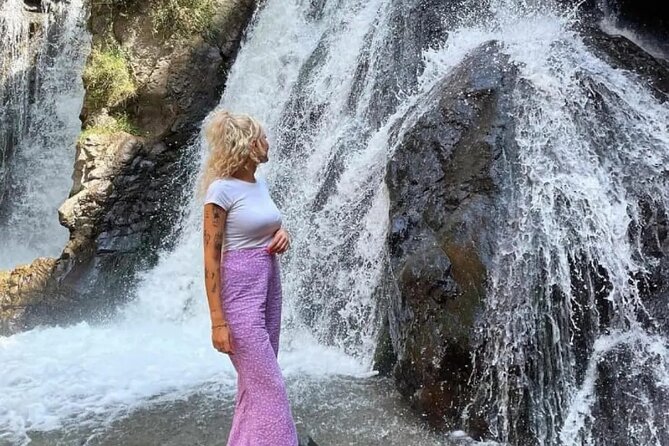
Between Tahanaout and the next valley, the itinerary includes a pass by Moulay Brahim Gorges with photo opportunities. This is one of those “small stop, big payoff” moments. You’re not being asked to hike for hours—just to step into a viewpoint moment and capture the scenery.
I like this kind of stop because it breaks the day’s rhythm. After markets and village interactions, you get a visual reset: rocky cuts, dramatic angles, and the feeling of being farther from the city than you were this morning.
Keep expectations grounded: it’s a pass-by, so don’t plan on long wandering here. If you want the most dramatic shots, bring a good camera strap and be ready to move quickly when the group does.
Asni Valley and the Saturday souk option
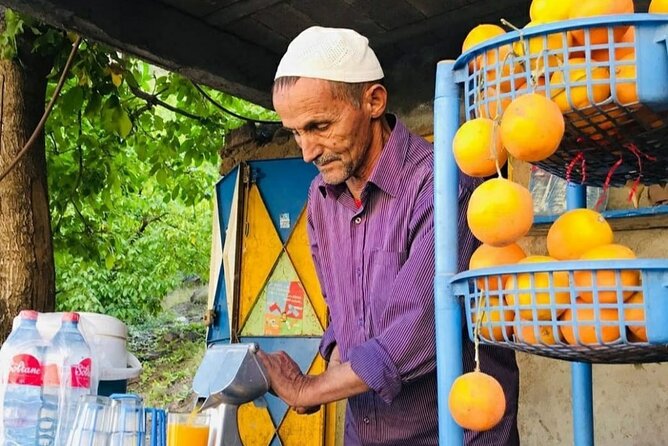
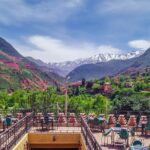
Next comes Asni, a valley known for fruit orchards and colorful Berber villages. The stop is about 15 minutes, which means you’ll get a glimpse of the area rather than a full deep visit. That short timing can feel limiting if you want lots of time to wander, but it also keeps the day from dragging.
There’s also a weekly souk on Saturdays here. If your trip date hits Saturday, you may get a more lively look at local trade. Even without the souk moment, Asni’s setting helps you understand why this region has drawn people for generations: water, agriculture, and community life all cluster in the valleys.
For you as a traveler, the Asni stop works best if you treat it like orientation. You’re learning the shape of the region—what valleys look like, how villages sit along the routes, and how “mountain life” is still everyday life here.
Imlil village at the foot of Mount Toubkal: gentle walking and waterfall views
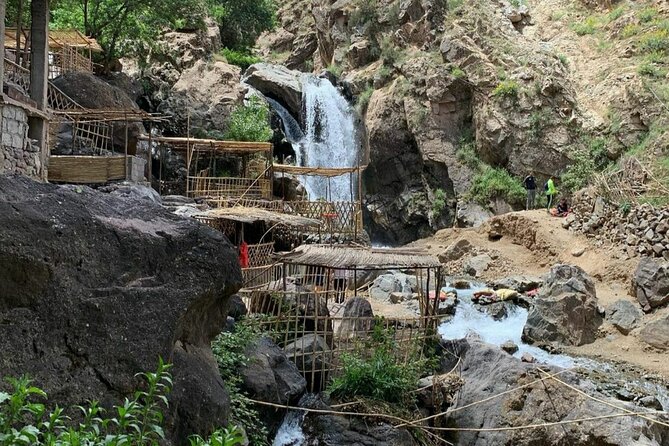
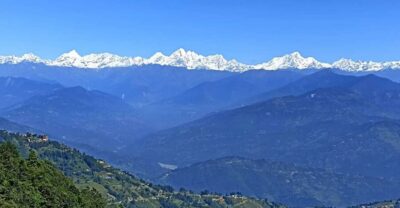
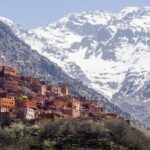
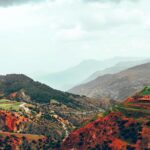
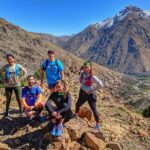
Stop 3 is Imlil, at the foot of Mount Toubkal. This is the part of the tour where your day shifts into “mountain village mode.” You’ll have around 2 hours to explore Imlil at a relaxed pace.
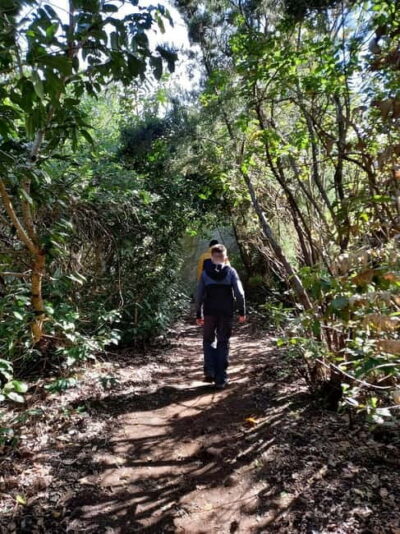
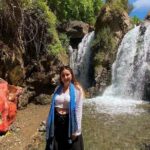
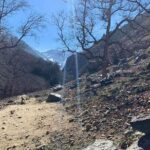
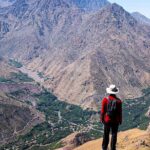
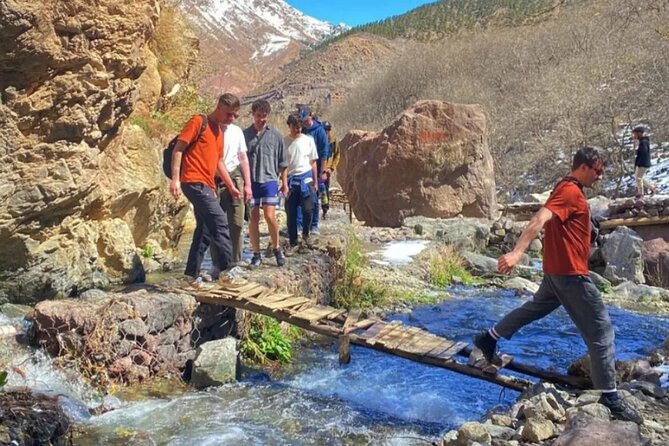
What you can expect is a gentle walk around the village, plus time for a nearby waterfall. Even if you’re not chasing a summit, Imlil gives you a real sense of why Toubkal matters: it’s the focal point around which people build their seasons, their work, and their guiding routes.
This stop tends to be the most calming part of the day, especially if you start feeling travel fatigue from Marrakech. I also like that the itinerary doesn’t pretend you’ll do a big trek with limited time. Instead, it gives you enough walking to stretch your legs and enough village time to actually notice details like everyday patterns, not just “views, then go.”
One practical consideration: mountain village weather can shift fast. Bring layers even if Marrakech feels hot when you leave. And for the path to the waterfall, sturdy shoes help more than you’d think.
Aroumd: lunch in a Berber home and the mint-tea rhythm
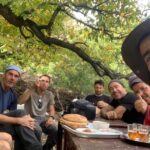
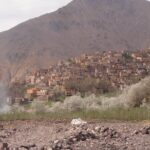
Stop 4 is where many people remember the day most: traditional Berber lunch in a local home in Aroumd. You get about 1 hour here, and that hour is the heart of the cultural exchange.
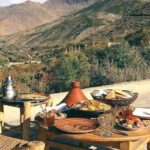
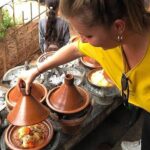
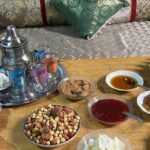
The meal is freshly prepared and served family-style, with options like tajine, couscous, or vegetarian dishes. Mint tea is part of the experience, and it’s not just a drink. It’s a social pause, the moment where the day shifts from “tour schedule” into “shared time.”
This is also where the reviews lean hardest. People highlight the taste of the food and the sense that it was made for you, not plated for strangers. If you’re hoping for the best bite of the trip, this is the target stop.
How to get the most out of it:
- Go in hungry. Lunch here is the meal you’ll carry the whole day.
- Ask simple questions about local life if your guide makes it easy.
- Enjoy the tempo. Eating at a home in the mountains moves at village speed, not restaurant speed.
The only drawback to watch for is dietary fit. The tour states that vegetarian options exist, but if you have strong allergies, you’ll want to tell your provider in advance so they can plan.
Guides, group size, and how the day stays smooth
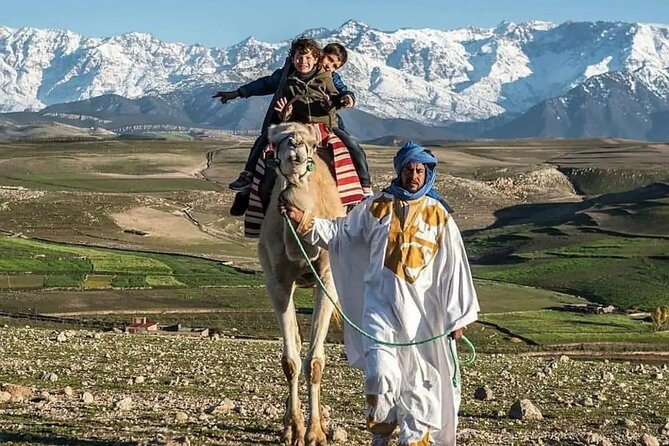
A big part of why this trip works is how it’s run. The group maximum is 16 travelers, which keeps things manageable and helps your guide keep track of everyone. You won’t feel like you’re being herded like luggage.
Guides can make or break a day like this. The kind of approach you’ll want here is patient, practical, and able to translate what you’re seeing. Names mentioned in the experience feedback include Mustafa and Ismail, and the common theme is that the guide is attentive and the day stays organized from pickup onward.
If you’re going with kids, a guide who can slow down and handle needs matters. If you’re a photographer, it helps when the guide knows where the good moments are and when it’s worth waiting a minute for light.
My advice: during the first stop, ask your guide two quick things—what’s the best thing to look for in the market, and what’s the easiest route to the waterfall. Then you can relax instead of trying to figure it out mid-day.
Price and value: why $15 can feel surprisingly fair
At $15 per person, the value here is hard to ignore. For that price, you’re getting much more than transportation. You’re paying for a guided day that includes cultural stops, breakfast at the cooperative, and lunch in a local home. In other words, a big chunk of the day’s cost is already “absorbed” by meals and guided access to these experiences.
Also note the itinerary’s admissions status: several stops are listed as free admission (like Tahanaout and Asni), which helps justify why the cost stays low. The paid value isn’t about museum tickets. It’s about being in the right places at the right times with someone who can make sense of them.
That said, it’s still a day trip. You’re not paying for weeks of living in the mountains. The trade-off is that you’ll get a slice of mountain life—plus time to return to Marrakech early enough for evening plans.
Bottom line on value: if you want people, food, and village context more than you want hours of trail difficulty, this is priced like a smart deal.
Who should book this Berber villages Atlas day hike
This trip is especially suited to:
- Families who want an organized day with a clear lunch plan and gentle walking.
- Couples looking for a meaningful break from Marrakech.
- Photographers who want culture plus a couple scenic photo moments without a full trek.
- First-timers in the Atlas region who want a guided introduction to Berber village life.
It’s also a strong choice if you like your travel days structured but not rigid. You’ll have clear stop points, but there’s still time to breathe and enjoy.
You might skip it (or choose a more advanced hike) if:
- You’re expecting a long, difficult trekking route rather than a gentle village walk.
- You want lots of free time to wander without guide input.
Should you book Amazouz Morocco Tours for this day trip?
I’d book it if your priority is a real cultural day: weekly market life, women-run argan oil production, and a home-cooked lunch in the mountains. The combination of stops makes the day feel balanced—food and conversation in one moment, scenery and village wandering in the next.
I’d think twice if your main goal is fitness. This is a day designed for most people to participate, and the walking described is gentle. For a tougher workout, you’d need a different kind of trek.
If you’re deciding last-minute, choose the date that lines up with market days if you can. That small detail can turn “good day” into “I remember this market for years.”
FAQ
How long is the Atlas Mountains day trip from Marrakech?
The tour runs about 7 hours 30 minutes (approx.), with return to Marrakech around 5:00 PM.
Do I get hotel pickup?
Yes. The driver and guide pick you up from your hotel or riad in Marrakech.
Is there a group size limit?
Yes, the tour has a maximum of 16 travelers.
What’s included for meals?
Breakfast is included at the women’s argan oil cooperative, and lunch is included as a traditional Berber meal in a local home.
Will I see weekly souks?
You stop in Tahanaout for the weekly Berber market, usually on Tuesdays and Saturdays, and Asni may also have a weekly souk on Saturdays.
Where is lunch served?
Lunch is served in a Berber family home in Aroumd, with options such as tajine, couscous, or vegetarian dishes.
Is the walk difficult?
The itinerary describes a gentle walk around Imlil village and time to visit a nearby waterfall, so it’s designed for most travelers.
Do I get time for photos?
Yes. There are photo opportunities at Moulay Brahim Gorges, and you’ll have time in the valleys and villages to enjoy the views.
What is the cancellation policy?
You can cancel for a full refund up to 24 hours in advance. If you cancel less than 24 hours before the experience starts, the amount paid is not refunded.