REVIEW · FAIRBANKS
Snowshoe Hike to Castner Glacier Ice Cave
Book on Viator →Operated by CoveredGround Tours · Bookable on Viator
Cold ice caves wait in Alaska. On this snowshoe day trip from Fairbanks, you cross Castner Glacier on foot, then walk into a glowing ice cave for photos and a snack break. The day also mixes driving time with quick stops—like a restroom break in Delta Junction and a drive-by for Santa’s year-round home—so it feels like an Alaskan road trip, not just a hike-and-done.
I really like the way the tour sets you up for the cold: you get ice cleats, trekking poles, and an air-conditioned vehicle, which matters when temperatures drop fast. I also love the small-group feel (max 10 travelers), plus the guides’ extra effort—many people highlight photo help, clear safety coaching, and guides who don’t rush you.
One consideration: this is winter travel in real conditions. If you show up under-prepared (thin boots, no face coverage), the hike can feel long and chilly, and timing can shift a bit on slower trail days.
In This Review
- Key things to know before you go
- From Fairbanks to a glacier cave: the vibe of the whole day
- Pickup from Walmart, comfort on the drive, and the small road-trip moments
- The glacier hike section: snowshoes, cleats, and pacing over speed
- Inside the Castner Glacier Ice Cave: photos, glow, and your 30-minute window
- Delta Junction break and the AlCan Highway story stop
- Who will love this tour most (and who should think twice)
- Price and value: $275 buys transportation, traction gear, and time inside the cave
- Small-group guides can make or break the day
- What to wear and bring so the cold doesn’t take over
- Should you book the Castner Glacier Ice Cave snowshoe tour?
- FAQ
- How long is the Snowshoe Hike to Castner Glacier Ice Cave?
- Where do we meet for the tour?
- What’s the hiking time to reach Castner Glacier Ice Cave?
- What’s included during the ice cave visit?
- Do I need to bring lunch?
- What winter gear is required?
Key things to know before you go
- Small group size (max 10) means easier pacing and more attention on the trail
- Gear support includes ice cleats and trekking poles (snowshoes are optional, but winter boots are required)
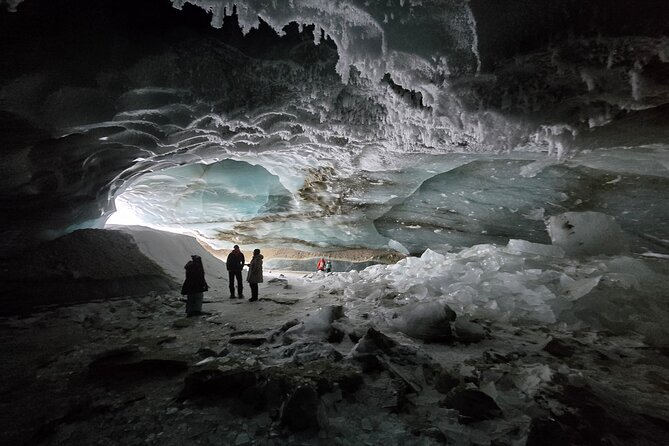
- A real glacier hike: a little over a mile each way to the cave, then about 30 minutes inside
- Photo-focused stops and cave lighting come up again and again in what people say about the experience
- Weather can change the day: extreme cold or snow can make the trail slower, and the route may take longer than the headline time
From Fairbanks to a glacier cave: the vibe of the whole day
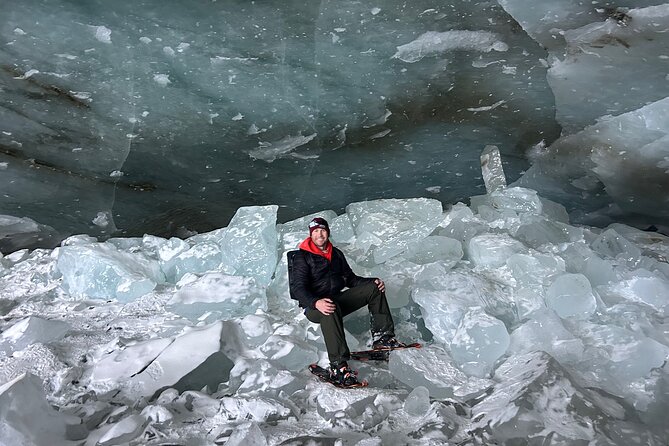
This is the kind of Alaska trip that makes you feel the place instead of just seeing it. You start early in Fairbanks, then spend the morning traveling south toward Castner Glacier, where the actual work begins: snowshoeing across the ice.
What makes the day special is the mix of effort and payoff. The glacier hike is physical enough to feel like an adventure, but it’s paced as a guided outing with equipment and checks along the way. Then you step into the ice cave—close enough to see the texture and glow up close, not just from a distance.
Think of it like this: the drive is there to get you safely to the right spot, and the stops keep you comfortable and oriented. The core experience is still the same—glacier walking plus ice cave time.
You can also read our reviews of more tours and experiences in Fairbanks.
Pickup from Walmart, comfort on the drive, and the small road-trip moments
Your day starts at the Walmart Supercenter (537 Johansen Expy, Fairbanks), with the tour beginning at 8:30 am. If you’re staying in most Fairbanks hotels, pickup is typically offered; if not, you’ll be routed to the Walmart meeting point. You should plan to be ready, because the exact pickup time is confirmed the day before.
Once you’re in the vehicle, the comfort factor is real. The tour uses an air-conditioned vehicle, which sounds odd until you remember that winter days can start cold but still involve long rides and waiting around. A heated ride helps you stay functional before you’re dealing with snowshoes and ice cleats.
Then there are the “blink and you miss it” Alaska stops. In Delta Junction you’ll have time for restroom and snacks, and you’ll also learn a bit about the AlCan Highway and its storied background. And on the way, you might spot Santa Claus’ year-round home with festive decorations—candy cane streetlights and all. These bits don’t replace the glacier, but they make the drive feel like part of the story instead of dead time.
The glacier hike section: snowshoes, cleats, and pacing over speed
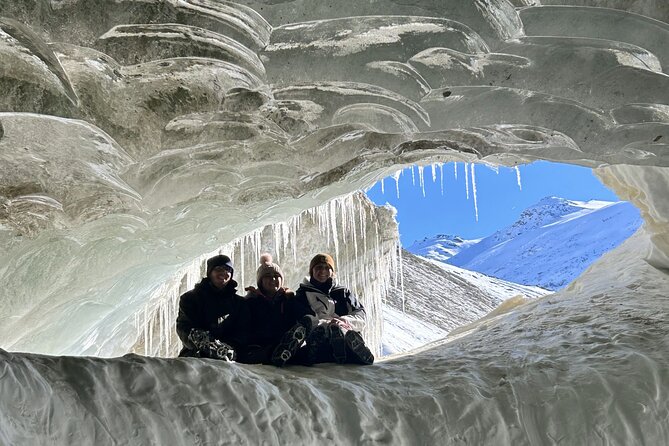
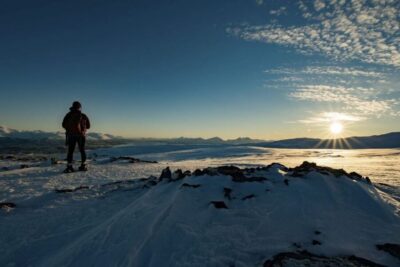
The hike to the cave is the part of the day that most affects how you’ll feel afterward. After gearing up at the trailhead, you trek a little over a mile across the ice to reach the cave. People describe it as manageable, but winter can turn “manageable” into “slower,” especially with fresh snow or hard-to-read footing.
Gear is built around traction and walking stability. You’ll get ice cleats and trekking poles. Snowshoes are optional, but whether you use them, you’ll still be walking on uneven, icy conditions where traction and balance matter more than fitness level alone.
The tour also expects at least moderate physical fitness. You don’t need to be a marathoner, but you do need to be comfortable walking in winter with a guided pace. And this is one place where good choices before you leave make a huge difference: winter boots that actually grip and keep warmth in are not optional in practice.
If you want a simple mental model, it’s this: you’re not hiking a paved trail. You’re moving across a glacier with changing snow depth and ice texture, and your guide’s pacing is part of the safety plan.
Inside the Castner Glacier Ice Cave: photos, glow, and your 30-minute window
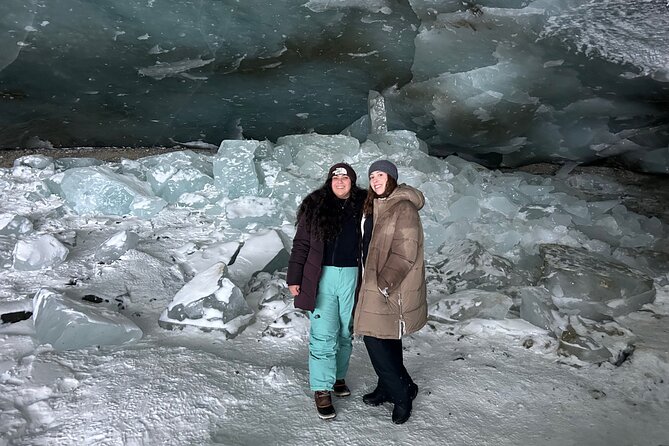
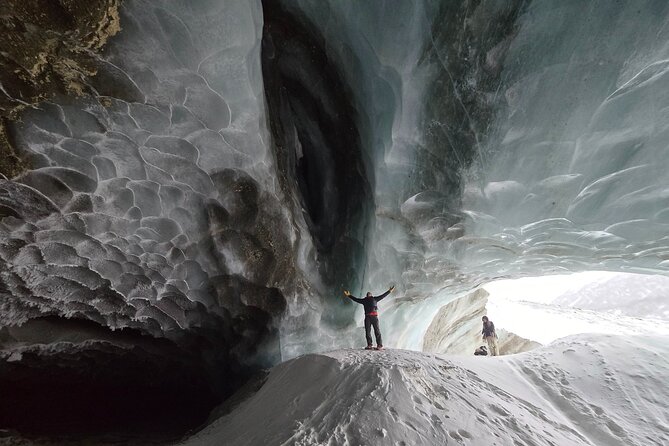
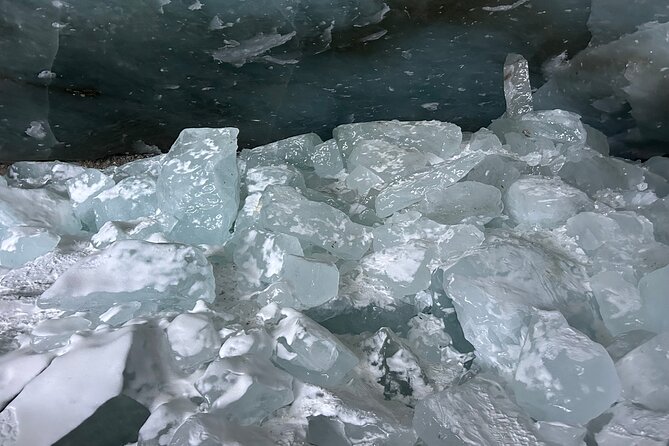
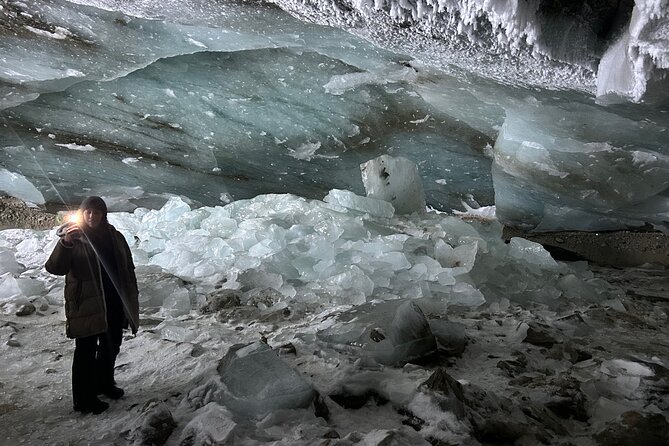
When you reach the Castner Glacier Ice Cave, the mood changes fast. You go from open cold air to a frozen interior where glowing ice formations create that wow factor people are paying for.
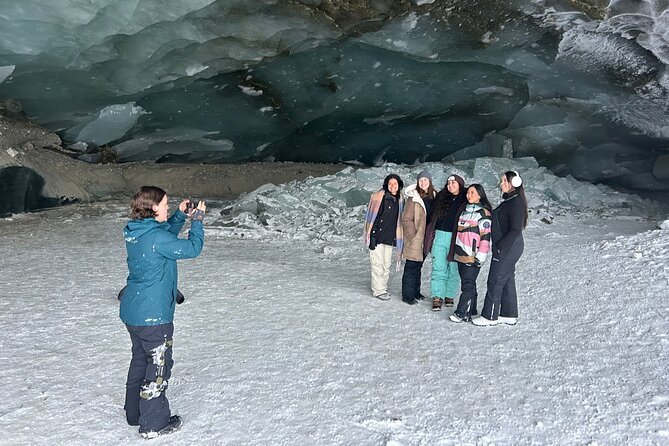
Your time inside is about 30 minutes, which is long enough to explore, take photos, and refuel a bit with a snack. Many folks specifically call out photo opportunities—some guides even bring extra help like flashlights to make the cave textures pop and to help you see where you’re stepping.
Safety matters here, and you’ll feel it in the way you’re guided. You should expect instructions before entering, especially about staying on the safest ground and avoiding slick or unstable spots. One negative story included concerns about safety and spacing, so I’d treat this as a “listen closely and stay close” moment even on a good day. If your group spreads out, you lose both guidance and the ability to notice issues quickly.
Practical tip: wear the warm layers you packed for winter. If your hands or face get exposed, you’ll think about the cold instead of the cave. The cave is short on purpose—you’ll want to enjoy every minute without rushing because you’re uncomfortable.
Delta Junction break and the AlCan Highway story stop
On the way back, you’ll make a quick pit stop in Delta Junction for restrooms and snacks. This is also where the day adds context beyond the glacier: you’ll learn about the AlCan Highway and why it’s famous.
This kind of break matters because the day is longer than it looks on paper. Winter hiking can take more time, and even if your feet feel fine, your body may need that reset. A restroom stop also keeps the group moving efficiently, which helps on a timed outing like this.
So while the cave is the headline, Delta Junction is the “keep your energy up” checkpoint—and it’s also a nice way to make the whole day feel more connected to Alaska, not just a single attraction.
Who will love this tour most (and who should think twice)
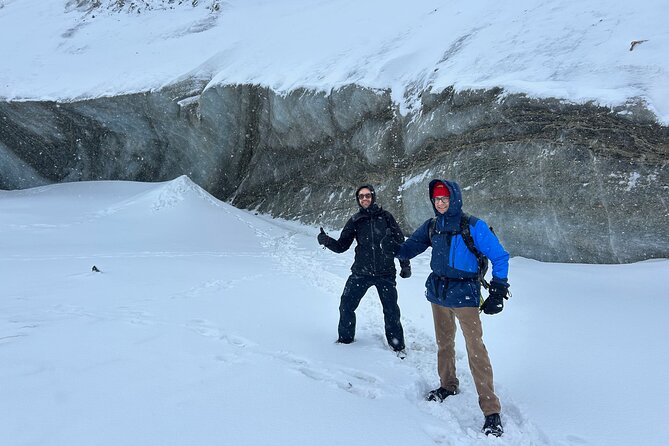
This is best for people who enjoy doing a real winter activity with a guide in charge of pacing and route-finding. If you want a glacier experience that includes gear support, a guided walk, and time inside an ice cave, you’ll likely feel it as a highlight of your Fairbanks trip.
It also fits well for:
- Couples and small groups who want a guided adventure without a huge crowd
- Travelers who like photography and want help timing scenic moments
- People who can walk a mile-ish on snowy terrain at a winter pace
It might be a tougher match if you’re:
- Unprepared for extreme cold and winter footwear
- Hoping for an ultra-casual, short stroll
- Sensitive to the idea of getting traction gear on and walking slowly on ice
One thing you can take from the experience reports: guides often adjust for conditions and do extra things to keep people comfortable, like helping with snowshoe fit and even bringing small extras if something goes wrong. That said, your best insurance is showing up correctly dressed.
Price and value: $275 buys transportation, traction gear, and time inside the cave
At $275 per person for about 9 hours (approx.), value depends on what you count as “included.” This tour doesn’t just sell a ticket to a photo spot. It includes:
- Air-conditioned transportation
- Trekking poles and ice cleats
- Bottled water
- Snowshoes (optional)
- A guided walk to the cave
- Ice cave time with admission included (plus a snack during the cave time)
Lunch is not included, but the tour does suggest snacks and water bottles, and there’s a chance to buy food in Delta Junction (including a grocery store and Subway on the way back). That means you’re not locked into a formal meal stop, but you do need a plan for calories.
Is it worth it? If you don’t want to arrange glacier access on your own and you want a guide handling safety, timing, and gear, then the price makes more sense. You’re paying for the full day structure: transport, traction, and a guided cave entry rather than DIY risk.
Small-group guides can make or break the day
The strongest part of people’s experiences is often the guides. Names that come up again and again include Owen, Matthew, Kody/Cody, and Colter, plus guides like Matt and Josh mentioned for hands-on care.
Across positive feedback, common themes show up:
- Guides who take photos for you and point you toward good angles
- Friendly explanations about what you’re seeing
- Not rushing—checking in so you stay comfortable
- Staying close enough to keep the group together on tricky snow
A serious outlier story included complaints about a late/unreachable guide, poor communication, and a safety incident tied to group spread. That doesn’t mean every guide runs the same way—but it does mean you should pick a day where weather is stable, and you should actively follow the guide’s instructions, not just walk at your own pace.
If you want to reduce risk, do this: keep up with the group, ask questions if you’re unsure, and don’t assume you can wander off on glacier terrain. In this environment, attention is part of the experience.
What to wear and bring so the cold doesn’t take over
The biggest “you control this” factor is clothing and footwear. The tour states winter shoes/boots are required and you should dress accordingly for winter conditions. Winter means face exposure can become the problem fast, not just cold feet.
Here’s what I’d treat as a checklist based on what people emphasized:
- Proper winter boots that work with ice cleats
- A face covering for harsh cold days
- Warm layers you can keep dry and add/remove as needed
Also, remember: snow conditions can change quickly. Fresh snow can make footing tricky even when the route is packed hard. That’s why the traction gear and poles matter, and why showing up in the wrong footwear can turn a fun hike into a painful one.
One more practical point: bottled water is included, but in at least one experience, water/snacks weren’t proactively handled until asked. So I’d plan to be ready to ask early in the day if you need something.
Should you book the Castner Glacier Ice Cave snowshoe tour?
I’d book this if you want a glacier-and-ice-cave day that feels like a real Alaska outing with guide support. The price becomes easier to justify when you factor in transport, ice cleats, trekking poles, and a guided cave entry rather than a self-guided trek.
Skip it or reconsider if you’re not confident in winter gear, or if you’re hoping for a short, low-effort walk. This is still a hike on snow and ice, and the cave visit is only about 30 minutes—so comfort matters.
If you’re deciding between “DIY” and “guided,” this one leans guided for a reason. You’ll be walking glacier terrain, and on those days, having a team run the pacing and safety instructions is the difference between memorable and miserable.
FAQ
How long is the Snowshoe Hike to Castner Glacier Ice Cave?
The tour duration is listed as about 9 hours (approx.).
Where do we meet for the tour?
The meeting point is Walmart Supercenter, 537 Johansen Expy, Fairbanks, AK 99701, USA. Pickup is offered from many hotels, and if your location doesn’t fit pickup, you may be asked to meet at Walmart.
What’s the hiking time to reach Castner Glacier Ice Cave?
You hike a little over a mile across the ice to reach the cave, and the glacier hike portion is listed as about 3 hours.
What’s included during the ice cave visit?
Admission to the Castner Glacier Ice Cave is included, and you spend about 30 minutes inside for exploration, photos, and a snack.
Do I need to bring lunch?
Lunch is not included. You’ll have snacks and water bottles, and you can bring your own lunch or purchase food in Delta Junction where there is a grocery store and Subway.
What winter gear is required?
You must wear winter shoes/boots (required). The tour also advises bringing or dressing for winter gear, and winter conditions can be extremely cold. Snowshoes are provided as optional, but you still need correct footwear.