REVIEW · SEDONA
From Sedona: Archeology and Nature Hike
Book on GetYourGuide →Operated by AZ Safari Jeep Tours · Bookable on GetYourGuide
One short drive in a jeep and suddenly you’re face-to-face with old stories. I love how this hike mixes Sedona’s desert scenery with real Native American ruins—think pit houses and rock art—while your guide brings it all to life. I also like that you get practical help on the walk with walking sticks and a moderate-to-difficult route that’s only about 2 miles, so it feels doable without being a stroll. The one drawback to plan for: the site isn’t right at the jeep parking area, so you will walk more than you expect, and it’s not a fit for limited mobility or recent injuries.
You’ll ride out from Sedona in an open-air jeep (no off-roading), then hike to a secluded place the guide has access to. Guides like Charlie and Moose stood out for their easy rapport and the way they answer questions on the spot, from how desert plants fit into daily life to what petroglyphs might mean. Be ready for a weather-dependent tour and bring the right shoes, because there’s no onsite bathroom—public restrooms are nearby at the start.
In This Review
- Key things to know before you go
- The Jeep Ride to a Secluded Ruins Site
- What You Actually Hike: Desert Steps and an Archaeology Trail
- Native American Ruins You Can See Up Close
- How Your Guide Turns Ruins Into a Story
- The Route Beats: A Realistic Pace Through the Site
- Why the “No Off-Roading” Rule Is a Good Fit
- Weather Can Change the Day
- What to Bring (and What to Leave at Home)
- Toilets, Timing, and the Stuff People Forget
- Price and Value: What $123 Gets You
- Who This Tour Suits Best (and Who Should Skip It)
- The Bottom Line: Should You Book This Sedona Hike?
- FAQ
- How long is the Sedona Archaeology and Nature Hike?
- Where do we meet the guide?
- What’s the hike like in terms of difficulty?
- Is the jeep ride off-roading?
- What should I bring?
- Are walking sticks provided?
- Is there a bathroom onsite?
- What is the minimum age for the tour?
- How many people are in the group?
Key things to know before you go
- Open-air jeep ride: quick scenic transport from Sedona to a secluded, no-off-roading trailhead.
- 2-mile hike with real effort: moderate to difficult, and it involves walking from where the jeep parks.
- Pit houses + rock art: you’ll see extensive Native American ruins, including 36 pit houses/dwellings and petroglyphs.
- Guides who talk back: Charlie and Moose are the kind of guides you can ask questions to, not just listen to.
- You’re provided the tools: water and walking sticks are included, but you still need closed-toe footwear.
The Jeep Ride to a Secluded Ruins Site
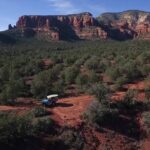
The experience starts with meeting your guide at Safari Jeep Tours on Jordan Rd in Sedona. From there, you’ll head out in an open-air jeep, which matters more than it sounds. You get that desert-with-wind feeling as you travel, and you also get taken far enough away that the ruins feel removed from the everyday road noise.
This is also the kind of ride where expectations stay honest. The tour is explicitly pavement-only on the jeep portion—no off-roading. That’s good news if you get carsick, dislike rough rides, or just want the focus on walking, not bouncing around.
You’ll spend a chunk of time traveling out, then transition to the hike. Because the ruins are not immediately beside where the jeep parks, you should treat the jeep as transport to your hike effort—not as “nearby access” to make the walking minimal.
You can also read our reviews of more tours and experiences in Sedona.

What You Actually Hike: Desert Steps and an Archaeology Trail
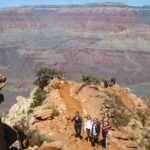
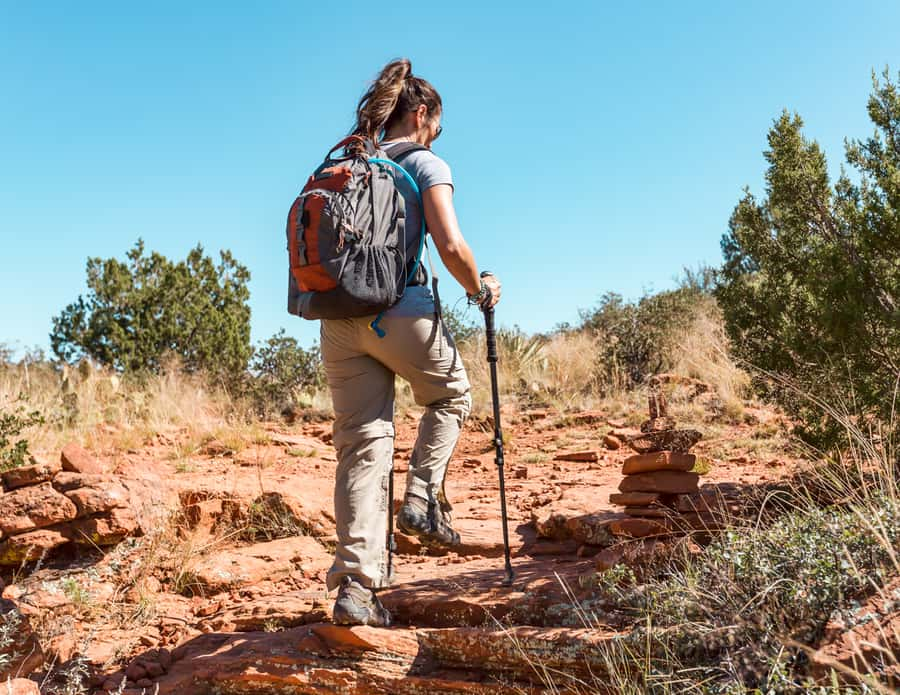
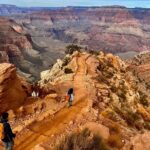
The hike itself is described as moderate to difficult and totals about 2 miles. That doesn’t mean it’s extreme, but it does mean your legs will feel it—especially on uneven desert ground where footing can change fast. You’ll want comfortable tennis shoes or hiking boots with closed toes. If your shoes have slick soles, swap them for something that grips.
Walking sticks are included, and I think that’s a smart touch for this terrain. Even if you’re a confident walker, sticks can reduce strain on knees and help you balance on rocky patches. If you have any kind of stiffness or you’re not used to desert trails, sticks can turn the difference between fine and tiring.
One more thing: the tour is wildlife-aware. The desert can have animals moving through, and your guide will manage the hike accordingly. Keep an eye on the ground, stay aware, and give wildlife space.
Native American Ruins You Can See Up Close
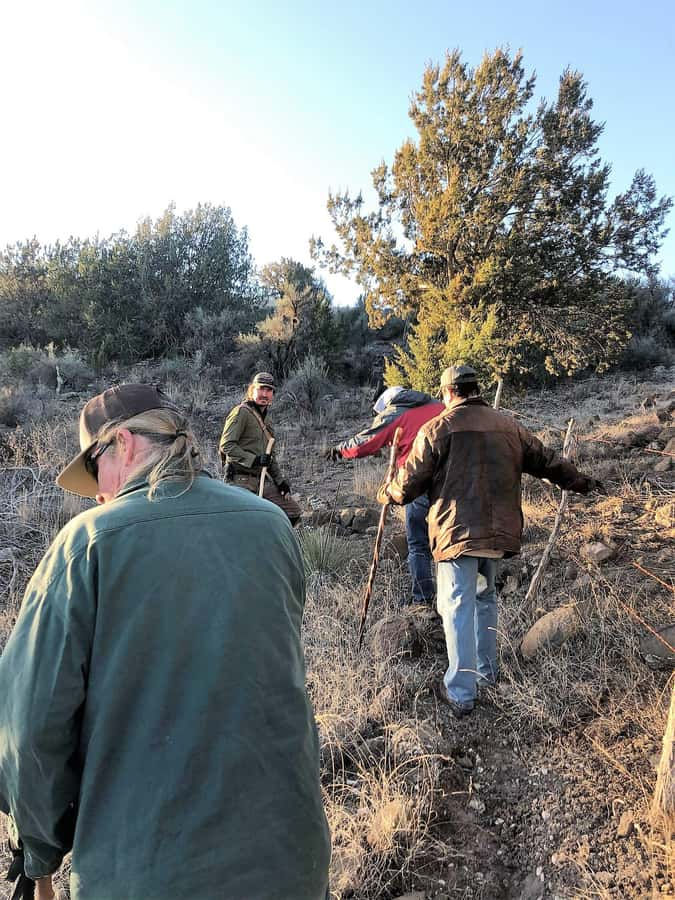
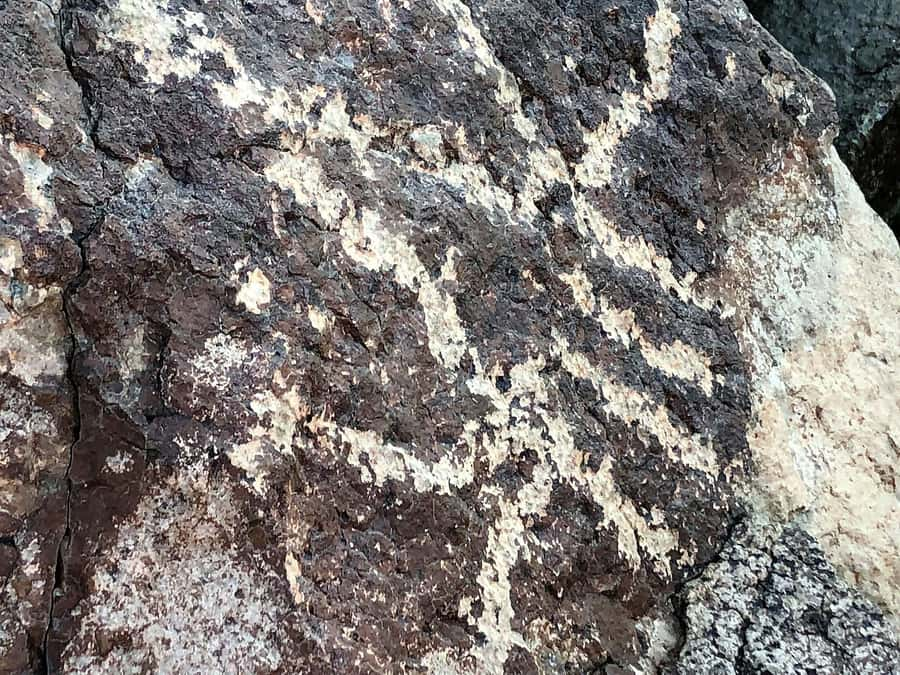
This is the heart of the tour: exploring extensive Native American ruins, including 36 pit houses/dwellings and rock carvings. On paper, those numbers look impressive. On the ground, they feel even more striking because you’re seeing how people lived in a real landscape, not just reading about it.
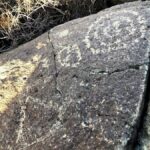
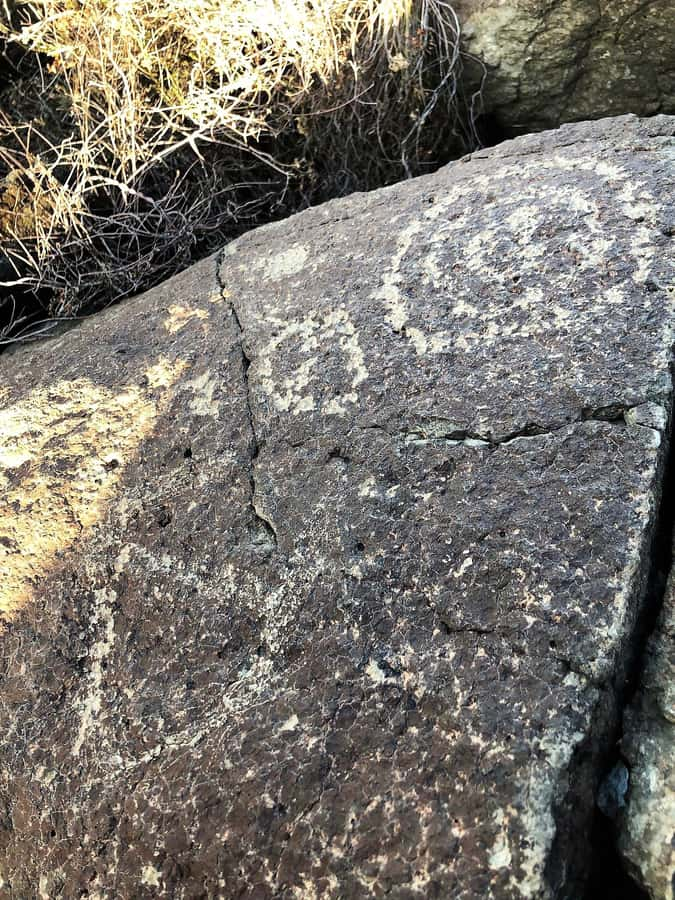
You’ll also spot petroglyphs and other signs of past activity. The key here isn’t only that the carvings exist—it’s that your guide helps you connect what you’re looking at to how earlier communities used this area. That’s where the tour becomes more than a scenic hike.
I liked that the guide doesn’t rush past features. Instead, you pause when something matters, like a carved rock surface or the layout of dwellings. This is the kind of pacing that makes you actually notice details.
How Your Guide Turns Ruins Into a Story
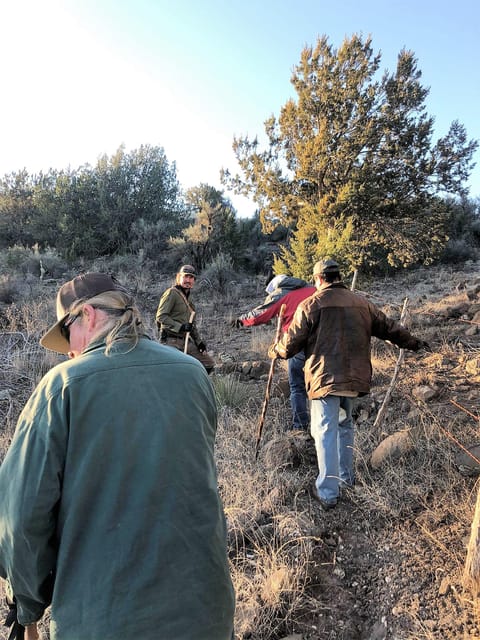
A big part of why this tour earns such high marks is how the guides teach. Charlie, for example, stood out for being very informed and also for being easy to talk to. Moose was praised for being well informed and approachable, with a guide style that makes it natural to ask questions.
You’ll get explanations as you walk—often tied to things like geology, plant life, and ways of living for Native peoples in this region. That combination is practical. Geology helps you understand why the terrain looks the way it does; plant life helps you understand why the area supported life; the dwellings help you understand how people shaped daily living around that environment.
If you like learning on the move, this tour fits that style well. If you want a lecture-only experience, you might find yourself wanting more time at each stopping point. One review noted that it can feel like a nice intro rather than lots of layered substance, which is fair: you’re hiking and moving through a moderate route, so there’s only so much time for heavy interpretation. You’ll still leave with solid context, just not a full day-long seminar.
The Route Beats: A Realistic Pace Through the Site
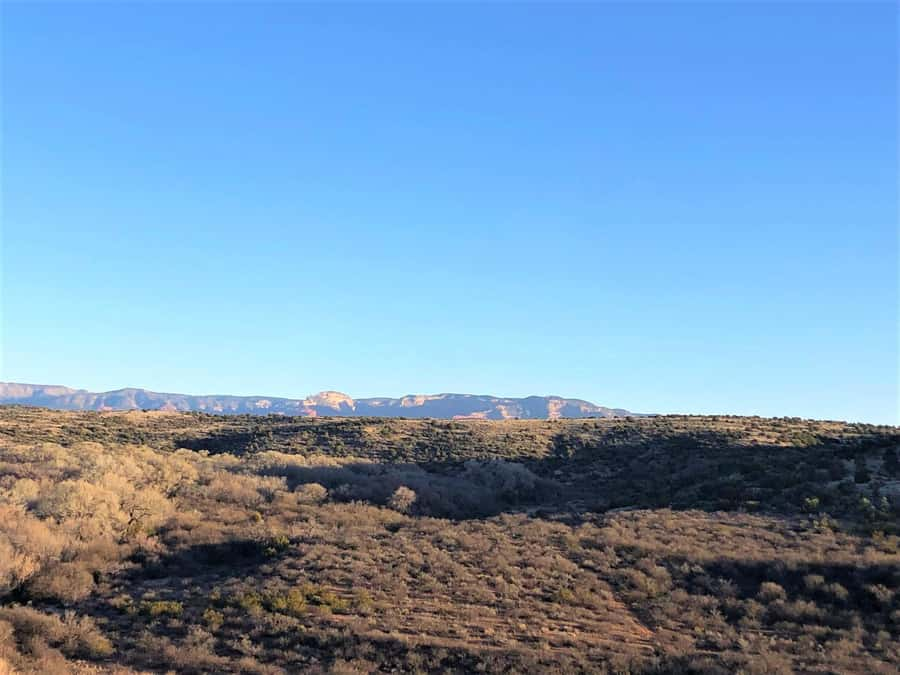
Because this is roughly 150 minutes total, the tour runs with a clear rhythm. After you meet, there’s time to get settled and start the jeep ride, then you transition to the walk. During the hike, expect pauses to look at key features—petroglyphs, pit houses/dwellings, and other artifacts or points of interest.
This matters for your planning. You can’t treat this as a “slow wander” where you stop for photos without consequence. If you want lots of pictures, plan to be efficient: stop where the guide stops, then take the quick shot and keep moving.
The moderate-to-difficult label also means you shouldn’t show up under-hydrated or in footwear that makes you think about slipping. The included water helps, but it’s not a substitute for arriving prepared. Bring a good attitude toward uneven ground and you’ll enjoy the pace.



Why the “No Off-Roading” Rule Is a Good Fit
You might wonder why a ruins hike would mention off-roading at all. The reason is simple: some tours feel like a rough ride first, then a hike. Here, the jeep portion stays controlled, pavement-only. That can reduce motion stress and keep your energy ready for the walking portion.
It also affects how the day feels. You spend more time in the desert, less time bracing for bumps. For a short tour like this, that’s a big deal.
Plus, when the transportation is straightforward, the value shifts back to what you actually came for: ruins, rock art, and guided interpretation.
Weather Can Change the Day
This tour runs depending on weather conditions. In the desert, that isn’t just a safety note—it changes the comfort level. If conditions are hot, you’ll want to pace yourself and listen to your guide about how quickly to move between stops.
Plan around the fact that the day might be adjusted or not run. Build your schedule with slack, especially if you’re in Sedona for only a day. The short duration makes it easier to reschedule than longer excursions.
What to Bring (and What to Leave at Home)
This is where you can make or break your experience. The essentials are straightforward.
Bring:
- Hiking shoes or hiking boots with closed toes
- Comfortable clothes suited to desert conditions
- Water needs handled by the tour, but you should still come prepared and ready to drink
Not allowed:
- Luggage or large bags
- Glass objects
The luggage rule is common on smaller tours, but it’s worth respecting. If you’re packing extra gear “just in case,” consider a smaller day bag or leave nonessential items behind.
Also, come 30 minutes early. You’ll want time to check in and get your group ready without rushing.
Toilets, Timing, and the Stuff People Forget
There’s no bathroom onsite during the tour. Public restrooms are nearby instead. So do the smart thing: handle your bathroom needs before you head out. It’s the kind of detail that seems minor until you’re halfway through a hike.
Timing is also tight in the best way. The tour runs about 150 minutes, and it includes both transport and the hike. If you’re late, you may feel like you’re walking against the clock. If you arrive early, you’ll actually get to settle in and start relaxed.
Price and Value: What $123 Gets You
At $123 per person for about 150 minutes, this tour isn’t the cheapest thing in Sedona. The value comes from a few factors working together:
First, you’re not just getting a walk—you’re getting access to a private, secluded location via open-air jeep transport. Second, you’re getting an expert guide included, and the guide is part of the product, not an add-on. Reviews highlight guides like Charlie and Moose for being approachable and engaging, which is exactly what you want on an archaeology hike. Third, you’re provided water and walking sticks, so you’re not piecing together the basic support yourself.
Could you DIY this with a self-guided hike and a book? Maybe, but you’d lose the interpretation and the point-and-explain moment that makes ruins feel alive. The price is also easier to justify with a small group—limited to 8 participants—because you get more attention and more chance to ask questions.
If you want scenic hiking without much explanation, you might feel the cost is steep. If you want meaning with your steps, the pricing starts to make more sense.
Who This Tour Suits Best (and Who Should Skip It)
This hike is for adults and kids older than 5. It’s not suitable for children under 5, and it’s also not recommended for pregnant women, people with recent surgeries, or people with mobility impairments. The reason is simple: even though the hike is only about 2 miles, it’s still moderate to difficult and you must be able to walk to the site since it’s not near the jeep parking.
I’d also skip it if you’re expecting a fully flat trail or if uneven ground makes you nervous.
You’ll likely love this tour if:
- You want a guided introduction to Sedona and the Verde Valley’s Native American past
- You enjoy learning geology/plant life context while you hike
- You want to see petroglyphs and pit houses in person
- You like small groups and interactive guides
If you prefer a light nature walk with minimal interpretation, you may find the pace more than you want. And if you need toilet access during the hike, plan carefully since there’s no bathroom onsite.
The Bottom Line: Should You Book This Sedona Hike?
Book it if you want a smart mix of ruins, rock art, and guided desert knowledge in a limited time window. This is especially worth it if you like asking questions and you appreciate a guide who can connect what you’re seeing—petroglyphs, pit houses, the surrounding terrain—to daily life long ago.
Skip it if your walking range is limited, if recent injuries or surgeries affect your stability, or if you want a flat, low-effort outing. Also skip it if the idea of no onsite bathroom feels stressful for your day plan.
If you fit the hike profile, this one is a strong choice for a meaningful Sedona morning or afternoon. The combination of a small group, an open-air jeep ride, and a guide who makes archaeology feel understandable is a pretty good formula.
FAQ
How long is the Sedona Archaeology and Nature Hike?
It lasts about 150 minutes total.
Where do we meet the guide?
You meet at Safari Jeep Tours, 335 Jordan Rd in Sedona.
What’s the hike like in terms of difficulty?
It’s a moderate to difficult hike, about a 2-mile walk.
Is the jeep ride off-roading?
No. The jeep portion is pavement only and there is no off-roading.
What should I bring?
Wear closed-toe shoes and bring hiking shoes/boots suitable for walking on uneven ground. Water and walking sticks are included.
Are walking sticks provided?
Yes, walking sticks are included.
Is there a bathroom onsite?
No. There’s no bathroom onsite, but a public restroom is nearby.
What is the minimum age for the tour?
It’s not suitable for children under 5 years old.
How many people are in the group?
The group is limited to 8 participants.