REVIEW · ISLAND OF HAWAII
Big Island: Off the Beaten Path Volcano Crater Hike
Book on GetYourGuide →Operated by Hawaii Forest & Trail · Bookable on GetYourGuide
The first time you hear about a hike with private access onto Hualālai, you should lean in. This one takes you into restricted areas on the upper slopes, where you walk through cloud forest and volcanic features that you usually only see from a distance.
Two things I love about this experience: the chance to stand at the edge of craters and fissures without the big-park crowd energy, and the way the guides connect the scenery to Hawaiian place knowledge and stories (names like Toro and Rob come up often). One thing to consider: the hike is on uneven, rocky terrain, so it’s not the best pick if you want a flat, relaxed stroll.
In This Review
- Key Points You’ll Care About
- Hualālai Volcano, but with fewer crowds and more access
- Timing and transportation: what the 35-minute van ride really means
- The real hike: 3–4 miles through cloud forest and volcanic scars
- Why cloud forest matters here
- Why the volcanic terrain is the main event
- Pace and group dynamics
- Private access on Hualālai: what you’re really paying for
- Optional lava tube segment: the underground twist
- What each part of the tour day feels like
- Before the hike: gear support and weather prep
- The hike: moving through three kinds of scenery
- After the hike: van back and time to decompress
- Price and value: is $198 worth it?
- What to bring, what to wear, and what to avoid
- Who this tour is best for (and who should skip it)
- The guides: where the experience gets personal
- Should you book Off the Beaten Path Volcano Crater Hike?
Key Points You’ll Care About
- Private access on Hualālai’s upper slopes with areas that aren’t open to the general public
- 3–4 miles on uneven ground through cloud forest, volcanic craters, and fissures
- Crater-edge views that drop thousands of feet toward the Kona coastline
- Optional lava tube segment for the hands-on, underground add-on
- Small group limit of 10, which usually makes the experience feel personal
- Gear + weather support included: walking sticks, rain gear, day packs, water, and even sunscreen/bug repellent
Hualālai Volcano, but with fewer crowds and more access
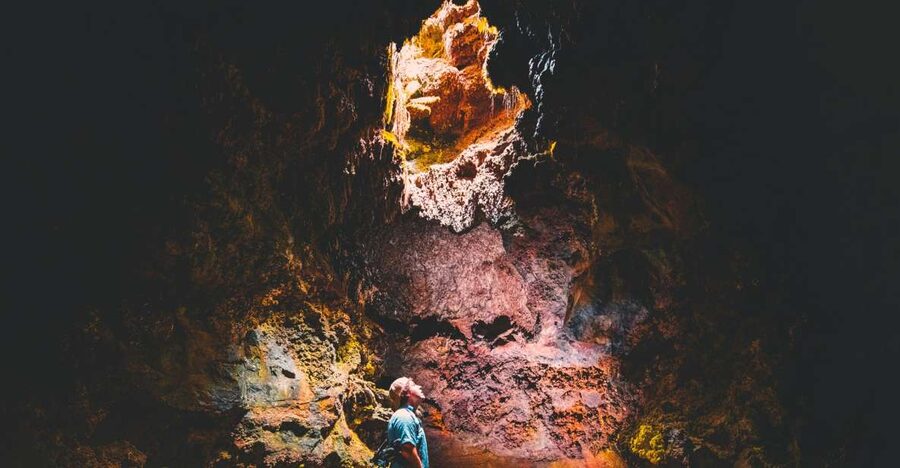
This hike is all about getting closer to the volcano—literally and figuratively. Instead of spending your day gawking from the roadside, you’re walking on Hualālai’s upper slopes, including parts that are restricted from regular public access. That single detail changes the feel of the day. The terrain is wilder. The views are more immediate. And you’re not constantly shoulder-checking with other people.
I also like that it’s not just a “walk and take pics” outing. You’re moving through cloud forest and then stepping into places shaped by Kona’s more recent volcanic activity—craters, fissures, and dramatic drops. Guides bring context as you go, including Hawaiian cultural framing of the land. It’s the kind of tour where your brain keeps switching between geology mode and culture mode.
There’s one more practical win: it’s short on time, not short on wonder. You get about 5 hours total, with a significant chunk devoted to hiking. For most people, that’s the right balance on a Big Island trip when you’ve already got beach time or a long drive planned.
You can also read our reviews of more tours and experiences in Island Of Hawaii.
Timing and transportation: what the 35-minute van ride really means
The day starts at Hawaii Forest & Trail Kona Headquarters (across from Home Depot, below the Hawaii Community Federal Credit Union). Park in their lot in any unmarked stall. If you’re hoping for a relaxed start, good news: the meeting is straightforward, and the tour is set up for a smooth handoff from vehicle to hike.
From there, you’re in a van for about 35 minutes to reach the hiking area on Hualālai. That ride matters more than it sounds. It sets you up for an area that feels like it belongs to another world—cooler, greener, and more rugged than you’d expect when you picture Kona’s sun-and-surf vibe.
Then you get roughly 4 hours of hiking with a guide, and you return by van for another 35 minutes. The rhythm is tight enough to keep momentum, but not so rushed that you’re never allowed to catch your breath or take a photo when the scenery turns serious.
The real hike: 3–4 miles through cloud forest and volcanic scars
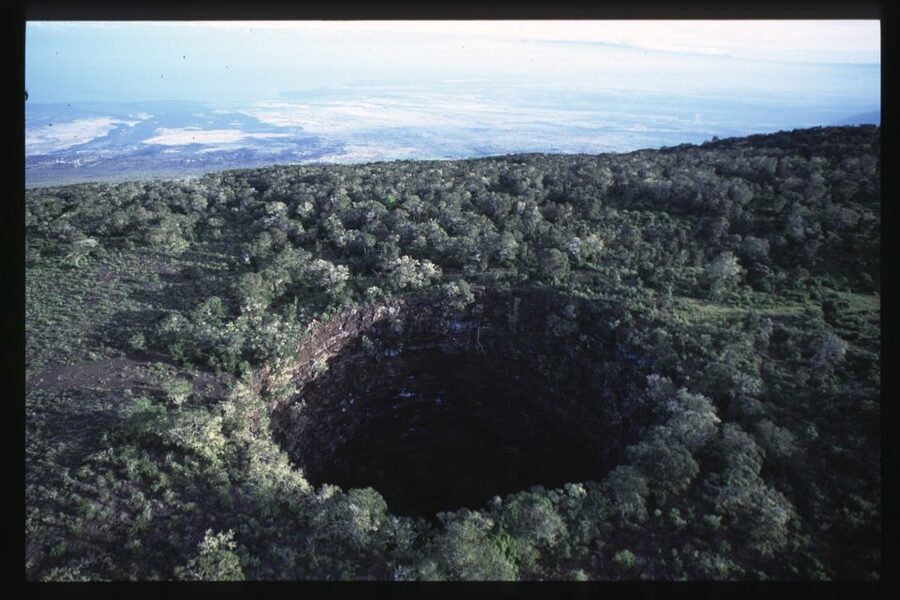
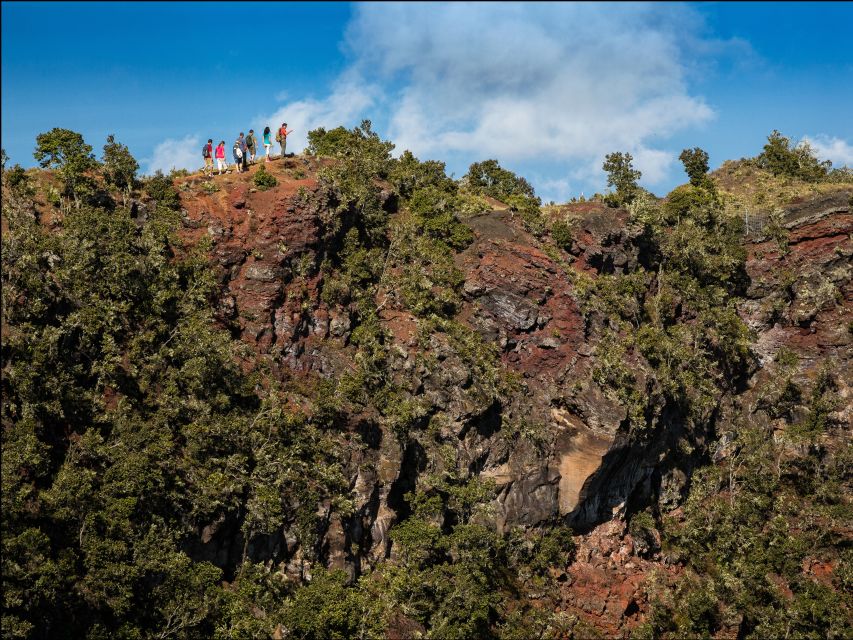
Let’s talk about the hike itself because this is where the value lives. You’ll hike 3–4 miles through untouched-feeling native cloud forest, plus volcanic features like craters and fissures. Even though the distance isn’t huge, you’re not strolling on a treadmill. Expect uneven ground and rocky sections. The good news is that this route is built for guided pacing, and you’ll have the support items included.
Why cloud forest matters here
Cloud forest isn’t just a prettier word. In this setting, it usually means you’re walking in a cooler, damper-feeling environment with a different kind of plant texture and light. It also helps explain why the scenery feels “other” compared to the drier, more typical Kona day.
Why the volcanic terrain is the main event
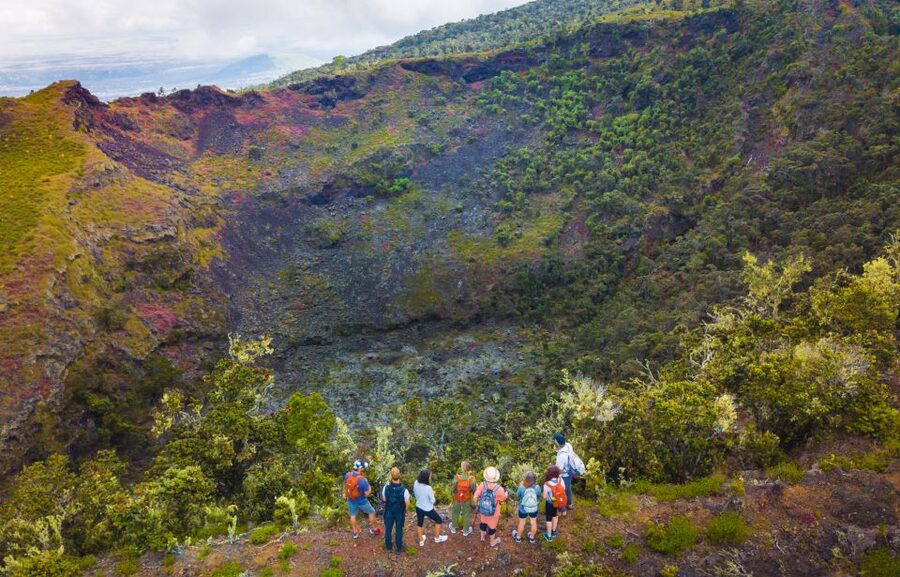
Once the hike transitions toward volcanic areas, the experience gets instantly more intense. You’ll navigate craters and fissures, and you’ll also get moments where you can stand near the edge—places that plunge deep into the earth. That’s the part people remember because it’s hard to fake. You can read about geology all day, but standing there makes your brain understand scale.
Pace and group dynamics
The tour is limited to 10 participants, which helps. Still, the hike isn’t designed for one speed for everyone. One practical thing I’d do: if you’re a slower hiker or need more frequent photo breaks, communicate that early to your guide. In at least one experience, the guide stopped occasionally for the group to catch up, but it wasn’t always a long break. Staying together is part of how the day works, so plan to be flexible.
Private access on Hualālai: what you’re really paying for
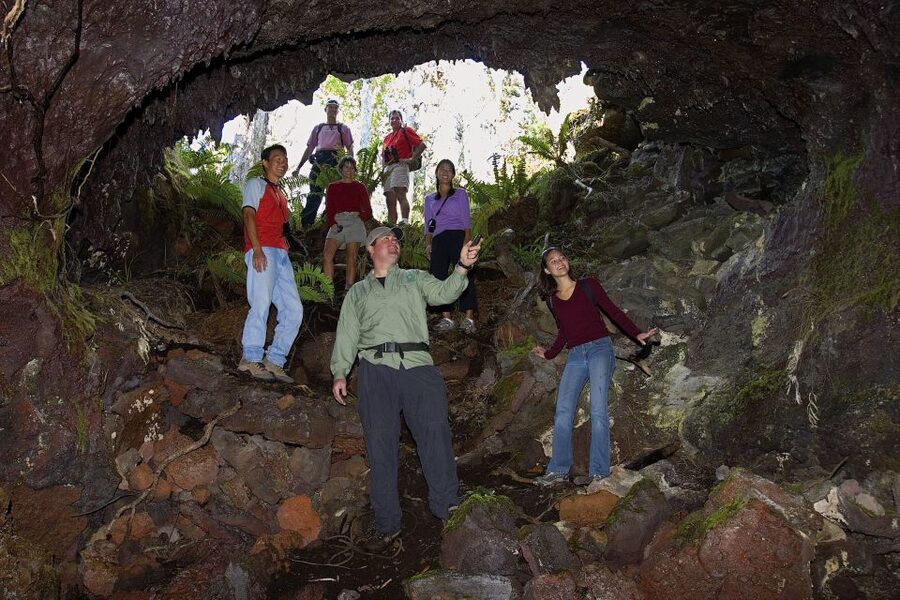
At $198 per person, you’re not just paying for a hike—you’re paying for access and guidance. The access piece is the big ticket item: exclusive private access onto Hualālai Volcano and into native forest areas that are restricted from the public.
That means you’re walking through a route that feels curated by nature, not by crowds. The experience is more controlled, too. Your guide can manage footing, watch the group, and take you to the spots where the views hit without turning it into a traffic jam.
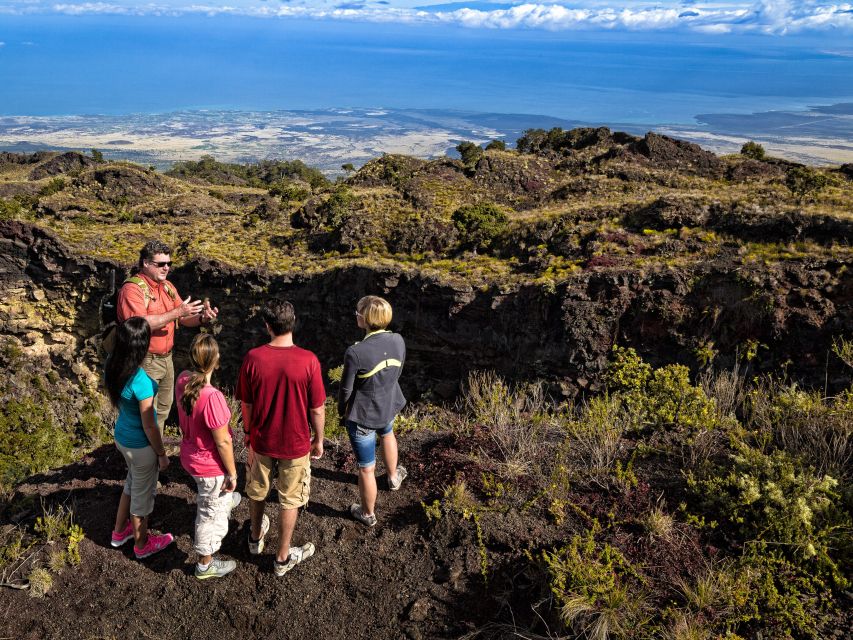
The guide component is the other value driver. You don’t just get directions. You get education as you move: volcanic creation, how the landscape forms, and how Hawaiian tradition can frame what you’re seeing. Guides such as Toro and Rob are mentioned often, and that matters because the difference between a hike you enjoy and a hike you remember is usually communication style.
Optional lava tube segment: the underground twist
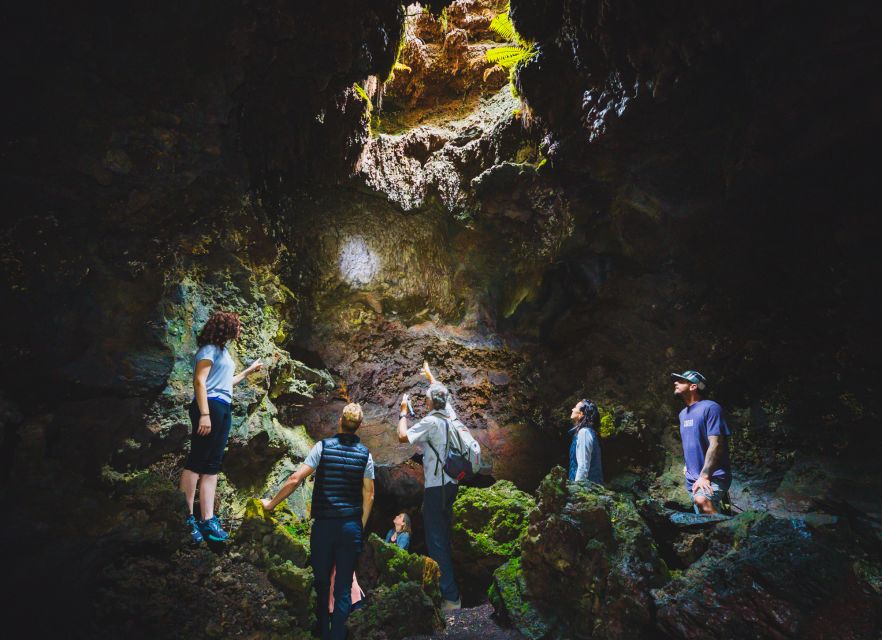
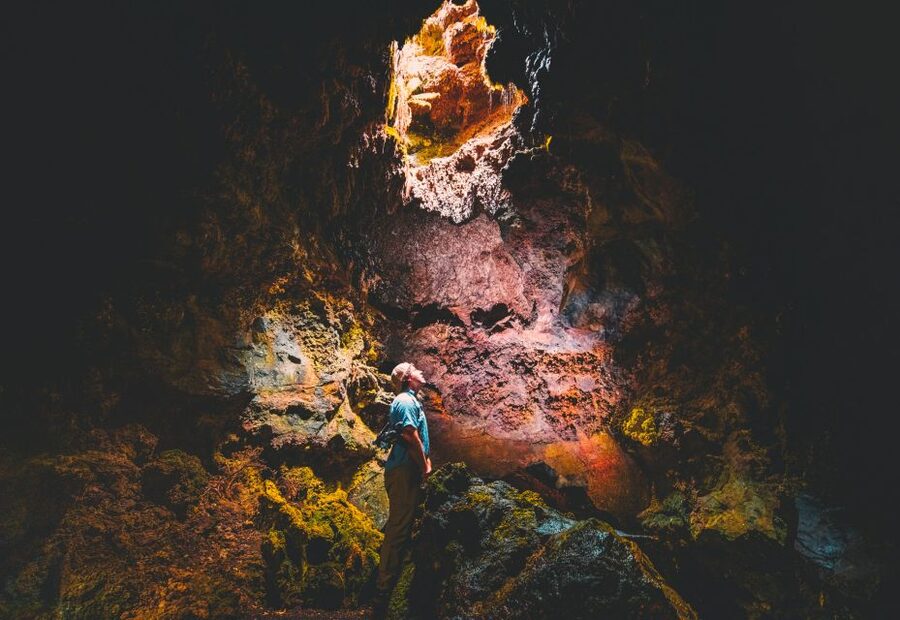
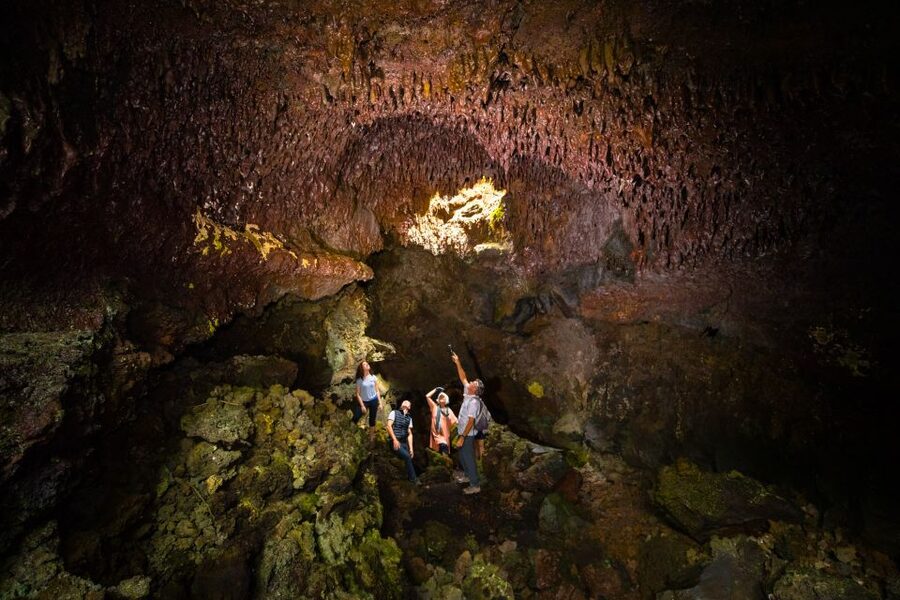
One highlight you can add to your day is an optional lava tube climb. This is where the tour gets hands-on. You’re leaving open sky for an underground passage, which can feel like a natural gear shift in the middle of the hike.
A lava tube changes your senses fast: the temperature can feel different, the lighting is less forgiving for photos, and the ground can be uneven in a way you don’t notice until you’re inside it. If you like variety—forest to craters to underground passage—this is the segment that keeps the day from becoming repetitive.
If you skip it, you still get the crater-and-fissure focus. But if you’re the type who likes at least one “wow, this feels rare” moment, you’ll probably want to try the lava tube option.
What each part of the tour day feels like
Here’s a realistic picture of the flow, and where you’ll likely feel the most effort.
Before the hike: gear support and weather prep
This tour is set up like the guide team expects actual Hawaii weather, not just postcard weather. You’ll be provided walking sticks, day packs and rain gear, plus sunscreen and bug repellent. There’s also water support: filtered water, sparkling water, and juices.
That matters because when you hike in cloud forest plus volcanic terrain, conditions can swing. Rain can appear without warning. Sun can still happen between clouds. And bug seasons on the Big Island can be lively. Having the basics handled keeps your attention on the hike instead of shopping at the last minute.
The hike: moving through three kinds of scenery
You can think of the route as a sequence:
1) native cloud forest (cooler, quieter, and great for steady walking)
2) volcanic craters and fissures (more dramatic, more “look at that drop” moments)
3) optional lava tube (if you want the underground add-on)
Along the way, you’ll get panoramic views over 5,000 feet above the Kona coastline. That altitude detail sounds like trivia until you’re standing where the coastline feels like it’s far below and your sense of distance gets reset.
After the hike: van back and time to decompress
Once you’re done, the van ride back feels like a cooldown. You’ll have a short time before you need to think about food. Because lunch isn’t included, I’d plan a meal after you’re back. Consider bringing snacks if you’ll get hungry during the hike. The guidance recommends snacks and packing a hat plus comfortable walking shoes—smart advice for any Hawaiian hike, but especially this one.
Price and value: is $198 worth it?
For $198 per person, you’re paying for a specific mix: private access, a small group, and active guiding for about 5 hours total.
Here’s how that stacks up in plain terms:
- Private access costs money. That’s not a “nice-to-have”; it’s the reason the hike feels less like a public sightseeing route.
- Small group (max 10) usually means better attention and easier pacing.
- Included gear and hydration mean you don’t have to show up as a gear store. Walking sticks, rain gear, sunscreen, bug repellent, and water are all included.
The one missing piece is lunch. That’s the only real cost surprise you’d need to cover yourself. If you plan snacks and a proper post-hike meal, the price feels fair for what you’re getting.
What to bring, what to wear, and what to avoid
You’ll get a lot for free with the tour, but you still need to show up ready to move. The essentials are simple:
Wear closed-toe shoes with good grip. This terrain is uneven and rocky, and you’ll be grateful for traction. Also bring a reusable water bottle even though water is provided, since it helps you stay comfortable.
A few other smart adds:
- a hat
- sunscreen (even if provided, you can still want your own)
- a light sweatshirt or jacket (recommended) because cloud forest can feel cooler
- snacks for energy during the hike, since lunch isn’t included
Avoid luggage or large bags, and no alcohol or drugs on the tour. If you tend to overpack, keep it simple. This is a hike, not a day trip suitcase challenge.
Who this tour is best for (and who should skip it)
This is a hike built for people who can handle rough ground and steady walking. The tour requires that you be able to hike on uneven or rocky terrain. It’s also not suitable for children under 8 and not suitable for people with mobility impairments.
If you’re a beginner hiker, the smaller group and provided walking sticks can make the experience approachable, especially if you follow the guide’s lead and pace yourself. One review notes it’s excellent for beginners—so if you’re new to hiking but physically ready to walk rocky paths, you can feel confident.
On the other hand, if you want minimal walking, step-free pathways, or lots of sitting time, you’ll probably find this too active. Plan on the full hiking block.
The guides: where the experience gets personal
This is the part that turns a scenic hike into a meaningful one. The guide experience is repeatedly praised for preparation and for education.
Gear management is part of that preparation. In one account, the guide Rob came ready with rain coats and walking sticks, plus water and snacks for the group. That kind of readiness is huge in Hawaii weather, where conditions can shift fast.
Then there’s storytelling. Names like Toro and Rob are mentioned in connection with learning about volcanic features and Hawaiian traditions. That’s the sweet spot: you’re looking at craters and fissures, but you’re also learning how people understand and live with this volcanic landscape.
If you care about the why behind the wow, you’ll likely appreciate how the guide team brings it together.
Should you book Off the Beaten Path Volcano Crater Hike?
Book it if you want:
- private volcano access without the big-crowd feel
- a guided walk that includes both cloud forest and volcanic craters
- crater-edge views and the option for a lava tube moment
- a small group hike with provided gear and steady support
Skip it if:
- you need a flat, easy walk
- you can’t handle uneven, rocky terrain
- you’re traveling with children under 8
- mobility support needs make this type of hike unrealistic
If you’re planning your Big Island time and you’re torn between a major park day and a more intimate, off-the-beaten-path outing, this tour is a smart compromise. It gives you the volcano magic with less crowd noise—and it does it with real access, not just a view from afar.