REVIEW · SKAFTAFELL
Skaftafell Glacier Hike 3-Hour Small Group Tour
Book on Viator →Operated by Troll Expeditions · Bookable on Viator
Ice under your boots makes the day.
That is the big draw on the Skaftafell Glacier Hike, a small-group walk on Vatnajökull where your guide helps you move safely over a glacier full of crevasses and changing ice features. I love how hands-on it feels, because you get fitted with proper glacier safety equipment before you ever step onto the ice, and you’re not just staring from the sidelines. I also like the pace: it’s designed for real glacier time with a guide who explains how glaciers form and why the shapes look the way they do.
One thing to think about first: the full 3-hour tour includes a fair amount of getting ready and walking to and from the glacier area, so the time on the ice can be less than you expect if you’re picturing a nonstop hike.
In This Review
- Key points I’d bank on
- Getting Ready for Crampons at Skaftafell
- Price and Value for a $117.30 Glacier Hike
- From Tröll Expeditions to the Ice: How the 3 Hours Unfold
- Stop 1: Skaftafell National Park as Your Warm-Up
- Stop 2 and 3: Walking Vatnajökull and Exploring Ice Formations
- Safety on the Glacier: Harnesses, Helmets, and Calm Guidance
- The Small-Group Difference: Up Close, Not Lost
- Views, Photos, and the Coffee-and-Chocolate Finish
- What to Expect Physically: Easy to Moderate, Not a Walk in the Park
- Who This Skaftafell Glacier Hike Suits Best
- Should You Book This Glacier Hike?
- FAQ
- How long is this Skaftafell Glacier hike?
- Is transportation included?
- What glacier equipment is provided?
- Do I need to rent hiking boots or waterproof clothing?
- What’s the minimum age?
- How large is the group?
Key points I’d bank on
- Real glacier gear included: helmets, harness, and ice/hiking tools so you can focus on the walk
- Small group, up to 12: more hands-on guidance and better pacing
- Vatnajökull views with meaning: you learn what you’re seeing, not just where to stand
- Safety-first route planning: guides manage crevasses and the tricky ice surface
- Coffee and chocolates at the end: a small treat that feels very Iceland-true
Getting Ready for Crampons at Skaftafell
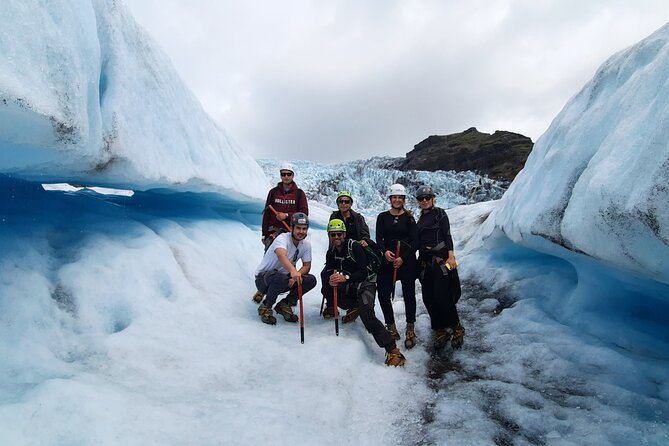
This hike lives at Skaftafell in Vatnajökull National Park, and the vibe is simple: you’ll be outside, on ice, in real weather. That means what you wear matters more than what you hope the weather will do.
Plan on dressing in layers you can move in. Even on a decent day, conditions can change quickly near the glacier. You can rent hiking boots (1,750 ISK) and waterproof jacket or waterproof pants (1,750 ISK each) from the operator, but I’d treat rentals as a backup plan. If you already have sturdy ankle-support boots, bring them. You’ll also want warm gloves and a hat, even if you don’t think you will. The operator sells extras like a hat and gloves combo (3,000 ISK) and a neck warmer (500 ISK), but it’s easier and usually cheaper to show up prepared.
One practical tip I picked up from the way the guides work with mixed-skill groups: take the fitting seriously. Helmets, harnesses, and the tools you’ll use on the ice are there for a reason. When everyone gets set up quickly and correctly, the whole hike runs smoother.
You can also read our reviews of more tours and experiences in Skaftafell.
Price and Value for a $117.30 Glacier Hike
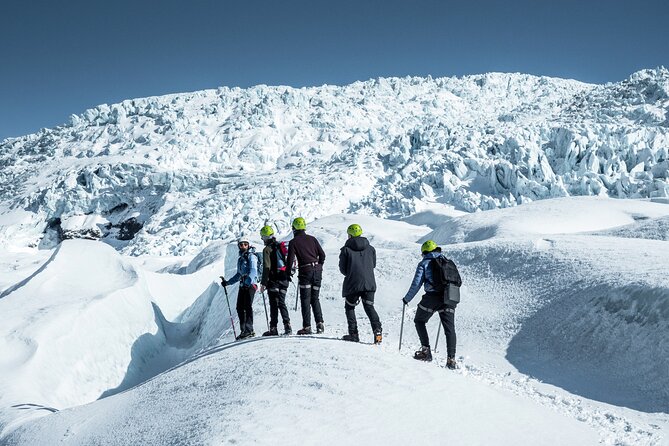
For $117.30 per person, the value is mostly in three buckets: a certified glacier guide, full safety equipment, and the experience of walking on Vatnajökull with structure.
You are not just paying for the view. You’re paying for guidance that keeps you upright on a surface that can be unpredictable, plus the gear that turns a glacier walk from a risky day into a managed adventure. On top of that, you get a short drive to the glacier outlet and a small treat after (coffee and chocolates). Those items sound minor, but they add up when you compare this to tours where you provide your own gear and your own warmth.
The main “cost” to budget isn’t the ticket. It’s clothing and shoes if you don’t have them. Boot rental and waterproof outerwear rentals are listed separately. If you need those extras, your all-in total climbs, so it’s worth doing a quick self-check: do your boots have good ankle support, and can your layers handle wind and spray?
Also, keep expectations aligned with time. Several departures spend a chunk of the tour walking to and from the ice. That doesn’t mean it’s bad value; it just means this isn’t a private, treadmill-length ice crampon session.
From Tröll Expeditions to the Ice: How the 3 Hours Unfold
The activity starts at Tröll Expeditions Skaftafell (west of Hofgardur, 785 Hof), and it ends back at the same meeting point. There’s no hotel pickup included, so you’ll want to arrive on time and ready to gear up.
Here’s the rhythm that tends to shape your day:
- You arrive at the hut/meeting area and get fitted (helmet, harness, and glacier tools).
- Then you head to the glacier area by short drive.
- After that, you walk to the starting point on the ice and back again.
One thing that shows up clearly in how people describe the day: the ice time can be the highlight, but prep and transfers take real minutes. Some folks report about a 30-minute walk from the base area to where the hiking begins, and others note there can be a longer walk from where the bus parks if the vehicle can’t get close. In practice, it can feel like only part of your 3 hours is actual glacier walking, with the rest used for setup and moving through the area.
If you’re the type who gets annoyed by waiting, pack patience with your jacket. If you’re excited by a guided day that mixes instruction, movement, and stops for views, this format works well.
Stop 1: Skaftafell National Park as Your Warm-Up
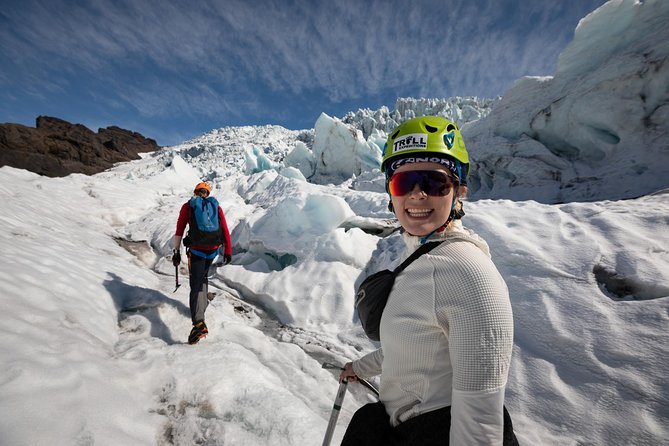
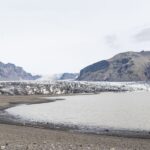
Skaftafell National Park is not just a name on the ticket. It’s your first look at why this region is famous: huge ice formations, dramatic terrain, and an environment where the glacier’s scale becomes obvious fast.
During the early part of the tour, the guide sets you up for success. You get brief orientation, you’re fitted with your harness and helmet, and you learn how the ice tools work before you’re dependent on them. This is one of the most underrated parts of glacier hikes. The clearer your basic movements feel, the more confident you’ll be when the ice gets uneven.
You’ll likely see more than just ice too. People mention variety in what you pass along the way, from glacier views to greener terrain in the surrounding area. That variety helps the day feel less like one long stare and more like a full excursion into the park.
Stop 2 and 3: Walking Vatnajökull and Exploring Ice Formations
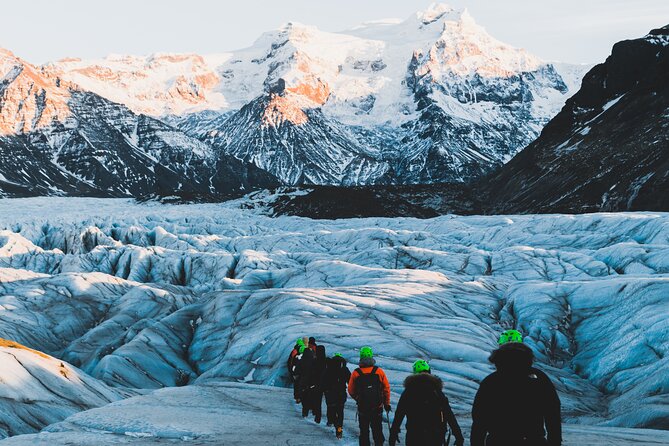
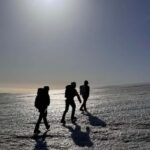
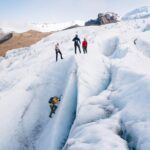
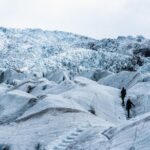
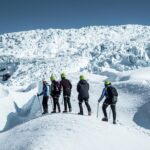
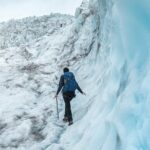
This is the main event: you hike on Vatnajökull, the glacier system that makes Iceland’s interior feel so huge. Vatnajökull isn’t only Europe’s largest glacier; it also sits near Iceland’s highest mountain range, including Hvannadalshnúkur. On the walk, you’re not climbing a summit, but you are moving through the real textures that make glaciers feel alive.
What you’ll explore is the visual language of glaciers:
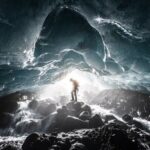
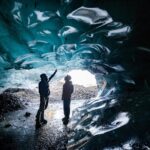
- ice formations that look sculpted by wind and time
- crevasses, which are why you don’t wander
- moulins, the vertical channels that help show how meltwater travels through the glacier
The guide also explains what’s happening as the glacier changes over time. You’re getting the “how it works” version of what you see. That makes the photos better, because you’ll know what caused a crack, a ridge, or a pocket of dramatic ice.
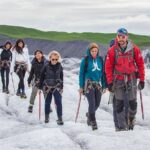
The hike itself is often described as beginner friendly, but not fake-easy. You’re walking on a frozen surface that demands balance, and crampons change how you step. Some people say it’s challenging but not difficult. Others say it feels like an easy to moderate walk suitable for a wide age range (minimum age is 8). If you’ve got mobility issues, it’s still doable in many cases, but it’s smart to talk your comfort level through before you gear up.
Safety on the Glacier: Harnesses, Helmets, and Calm Guidance
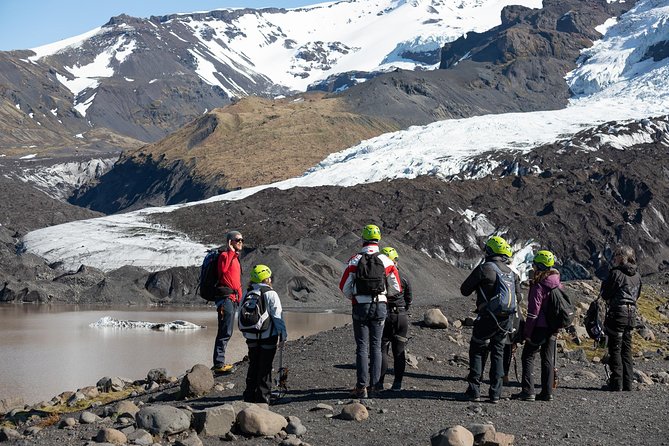
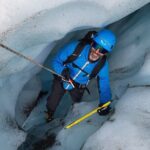
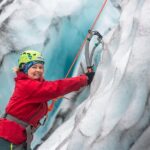
Safety is built into this tour. It’s not a suggestion; it’s the structure. You’re provided with the necessary equipment, including helmets, harness, and ice gear (often described with crampons and an ice pick/axe). The guide also manages the route, so you’re not choosing where to step on your own.
The best guide moments aren’t the big speeches. They’re the quiet check-ins:
- watching footing
- helping you clip in or adjust gear
- keeping the group spaced correctly
- answering questions without rushing people through
People frequently call out named guides for being attentive and supportive. Erin and Maria show up again and again as examples of guides who kept everyone safe and made the hike fun. Atilla gets praised for clear crampon/ice tool instruction and an easy, patient pace for the group. Martin and Anna are also mentioned for being careful with safety while still finding time for explanations and photo stops. On other days, the overall energy may vary by guide, so I’d treat the guide as a key part of the product and not just the ice.
One more safety reality: glacier conditions can change fast with wind and ice conditions. The tour runs in all weather conditions, but it can still be adjusted if conditions are too rough for safe walking. That’s part of why you want a certified glacier guide—when the environment gets sketchy, they’re the ones trained to respond.
The Small-Group Difference: Up Close, Not Lost
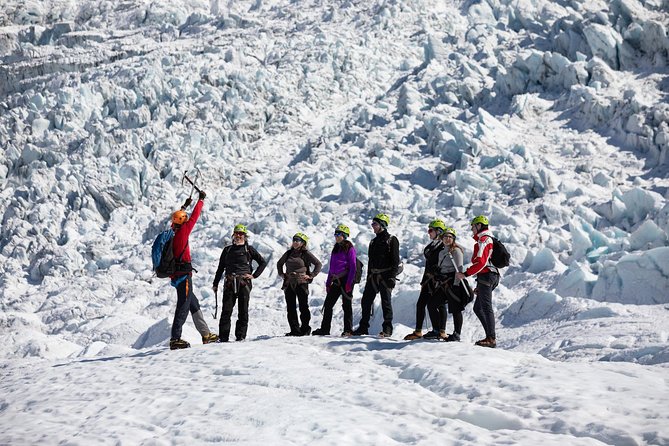
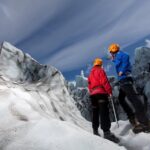
The tour is capped at 12 travelers, which is a big deal on a glacier. With a smaller group, you’re not just a number in a line. You get more direct attention when gear needs adjusting or when you need help with technique.
It also changes how you experience the day. You can move at the pace the guide sets rather than trying to match someone else’s stride. People describe groups splitting into smaller subgroups during the hike, which helps spread out on the ice and keeps the guide focused.
Even when the weather is windy or cold, you’ll usually find the group energy matters. Several people mention great communication and organization on arrival and fitting. Others highlight how patient guides were with kids and mixed abilities, including guides who made sure younger hikers stayed supported and engaged.
Views, Photos, and the Coffee-and-Chocolate Finish
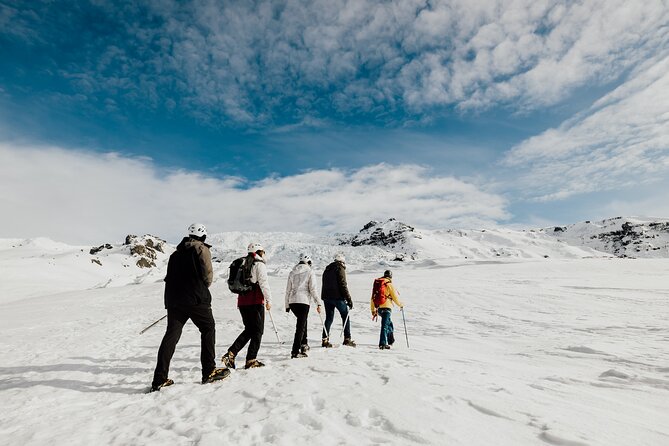
Vatnajökull delivers on visuals. People talk about sweeping views over ice formations and rugged terrain, with photo opportunities that feel more like “you can’t believe this is real” than “here’s a view card you might buy later.”
Because you’re up on the glacier itself, your perspective changes. The ice doesn’t look like a flat sheet. It looks layered and carved. That’s why the explanations help: the more you understand, the more the ice feels like a story instead of a backdrop.
At the end, you get coffee and chocolates. It’s a small thing, but after crampons and wind, it feels like the perfect reset. You’ll likely still be talking about what you saw on the walk, comparing routes and cracks, and trying to remember which ice feature the guide pointed out during the climb back down.
What to Expect Physically: Easy to Moderate, Not a Walk in the Park
This hike is built to include most travelers, with a minimum age of 8. People also describe it as beginner friendly and easy to moderate.
Still, don’t confuse “beginner friendly” with “effortless.” Glacier walking requires:
- stable foot placement with crampons
- balance on uneven ice
- willingness to follow instructions quickly
If you’re traveling with kids, it helps that guides take care with pace and gear adjustments. Maria is specifically praised for supporting a 10-year-old throughout the hike, including staying close and keeping the experience comfortable for a younger hiker.
If you’re older or less steady on your feet, you’ll want to be honest about it before you start. Even if the hike isn’t long, the ice surface isn’t forgiving in the same way packed trails are. The tour is designed for a broad audience, but your comfort with standing and walking on cold, textured ice matters.
Who This Skaftafell Glacier Hike Suits Best
Book this if you want:
- a guided glacier walk with safety equipment included
- real time on Vatnajökull, not just a distant overlook
- an experience that mixes movement with short lessons on glacier formation and features
It’s also a great pick for first-timers. You’ll learn how glaciers behave and how to use the gear, and the group format keeps it social without feeling crowded.
You might skip it if:
- you only want maximum minutes on ice and you get impatient with prep and transfers
- you’re hoping for a hike with no cold/wind exposure
- you already know you’ll need all the waterproof clothing and boots rentals, making the all-in cost significantly higher
Should You Book This Glacier Hike?
I’d book it if your goal is a true Vatnajökull experience that feels structured, safe, and worth the money. The small group size, the certified guide, and the fact that you step onto the glacier with proper equipment are the core wins. The coffee-and-chocolate finish is a bonus, not the point.
If you’re deciding based on value, do the math on your gear needs. If you already have sturdy boots and warm waterproof layers, this is a strong deal for a guided glacier walk. If you need multiple rentals, factor that into your budget. And set expectations: your total tour time is 3 hours, but the glacier walk portion can be shorter once you include fitting and walking.
FAQ
How long is this Skaftafell Glacier hike?
The tour runs for about 3 hours total. The glacier portion can be less than the full duration because time is also spent fitting equipment and walking to and from the glacier area.
Is transportation included?
There is a short drive included to reach the glacier outlet area. Hotel pickup and drop-off from Reykjavík or other areas is not included.
What glacier equipment is provided?
You receive glacier safety equipment as part of the tour, including a helmet, harness, and ice tools. You are also fitted with the gear needed for the walk.
Do I need to rent hiking boots or waterproof clothing?
Hiking boots rental is available for 1,750 ISK, and waterproof jacket or waterproof pants rental is available for 1,750 ISK each. These are not included in the base price, so you’ll want to plan based on what you already have.
What’s the minimum age?
The minimum age is 8 years.
How large is the group?
The tour is limited to a small group, with a maximum of 12 travelers.