REVIEW · SKAFTAFELL
Glacier Xtreme: Vatnajökull Ice Climbing + Hike from Skaftafell
Book on Viator →Operated by Arctic Adventures · Bookable on Viator
Ice walls at Vatnajökull, and you do the climbing. This Glacier Xtreme outing mixes a guided glacier hike with hands-on ice climbing on Falljökull, with gear, instruction, and time on the ice that actually feels like a full adventure. I especially like the small group size (max 6) and the way the guides set you up with clear safety rules before you step onto the glacier. One drawback to plan for: this is a challenging day with about 8 km of walking plus a 350–400 m elevation gain, so it’s not for casual strollers.
From Skaftafell, you drive straight into the action and trade normal walking for crampons, ice picks, and careful footwork. Guides such as Darragh and Pawl are repeatedly praised for making people feel safe while still giving you real chances to climb different sections. If you’re hoping for a relaxed photo stop, you may feel the pace is more work than sightseeing.
In This Review
- Key things to know before you go
- From Skaftafell to Falljökull: the ride and the safety briefing
- Included gear: why it matters more than you think
- The hike on the glacier approach: about 8 km and 350–400 m
- Climbing ice walls and managing crevasses
- The glacier stories and details you’ll actually remember
- Price and value: what $250.60 buys you
- Who should book Glacier Xtreme (and who might hesitate)
- Should you book Glacier Xtreme from Skaftafell?
- FAQ
- Where is Glacier Xtreme located, and where do I meet?
- How long is the tour?
- How challenging is the hike?
- What gear is included for ice climbing?
- What should I bring for food and clothing?
- How many people are in the group?
- What happens if the weather is bad?
Key things to know before you go
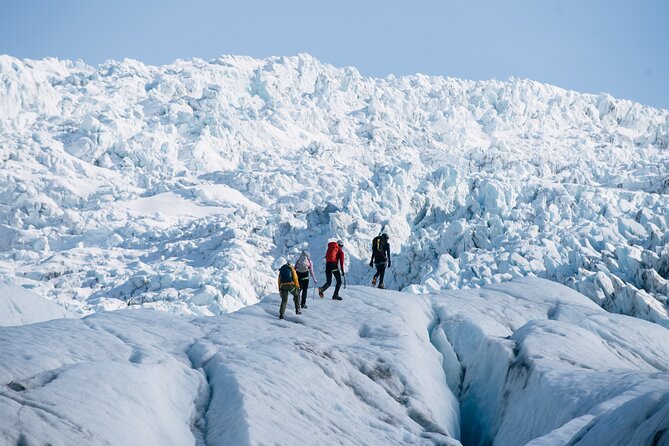
- Small-group ice climbing (max 6): more time on your own technique and less waiting around.
- All the core gear is included: crampons, ice pick, helmet, and specialized ice-climbing boots.
- A real hike, not a shuttle-and-stroll: about 8 km and 350–400 m of climb.
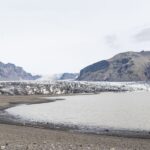
- Falljökull is the stage: you hike to it from Skaftafell by 4×4 bus and spend the day on the glacier itself.
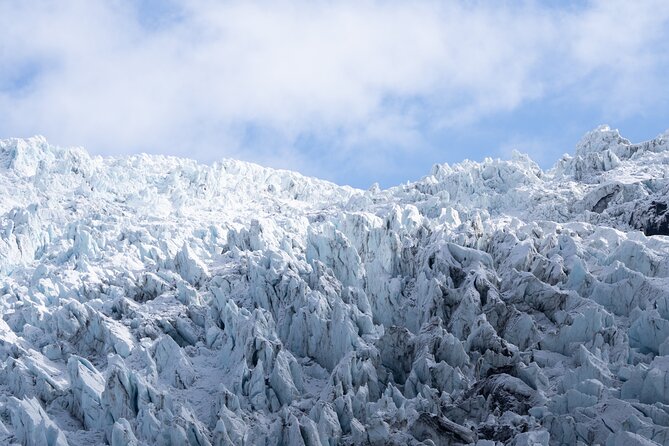
- You’ll see glacier features up close: including moulins and crevasse terrain you learn how to handle.
- Weather matters: the experience runs only when conditions are right for safe glacier travel.
From Skaftafell to Falljökull: the ride and the safety briefing
Your day starts at the Arctic Adventures base in Skaftafell. Expect a proper check-in and a briefing that focuses on what matters on a glacier: how to move, how to stay spaced, and how to follow your guide’s instructions when the footing gets serious. This isn’t a quick hello and off you go moment. They take the time upfront so you’re not figuring it out on the ice.
Next comes the 20-minute drive to Falljökull, using a 4×4 bus from Skaftafell. That short transfer is a big deal. It helps you spend more time on the glacier and less time in transit, while also getting the group positioned for the hike to start. In plain terms, you’re using the van ride to set the day’s pace, not burn energy you’ll need later.
Even if you’re comfortable outdoors, you should show up ready to listen. Glacier travel is a team sport. The guide’s job is to manage risk and route choices; your job is to stay focused and do what you’re told. That’s how you end up with the fun parts: climbs you can feel in your legs and views you remember when you’re warm again.
You can also read our reviews of more tours and experiences in Skaftafell.
Included gear: why it matters more than you think
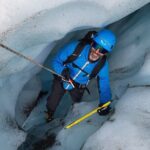
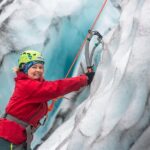
This tour includes the essentials that turn ice from a scary idea into manageable skills: crampons, an ice pick, a helmet, and ice climbing boots (specialized boots in EU sizes 36–50). The gear isn’t a nice-to-have. On a glacier, it’s what lets you move with traction and control instead of sliding around like an overconfident cat on hardwood.
You’ll also notice the tour’s approach to gear: it’s standardized and handed out as part of the experience. That means less guessing, fewer last-minute purchases, and fewer moments where you wonder if your boots are truly meant for this. The included helmet is especially important for a climbing day—small slips can happen, and head protection is part of smart risk management.
What you need to plan yourself is clothing comfort. Warm, waterproof layers aren’t included (but you can rent a waterproof jacket and pants for a fee). If you only bring a light jacket, expect cold and wet to creep in once you’re standing still for instruction or waiting your turn. Bring layers you can move in, and aim for weatherproof, not just warm.
If you want to feel confident from minute one, do this: wear clothing that you’d actually hike in, then layer for the forecast. Glacier weather is famously changeable, and you’ll be outside the whole time.
The hike on the glacier approach: about 8 km and 350–400 m
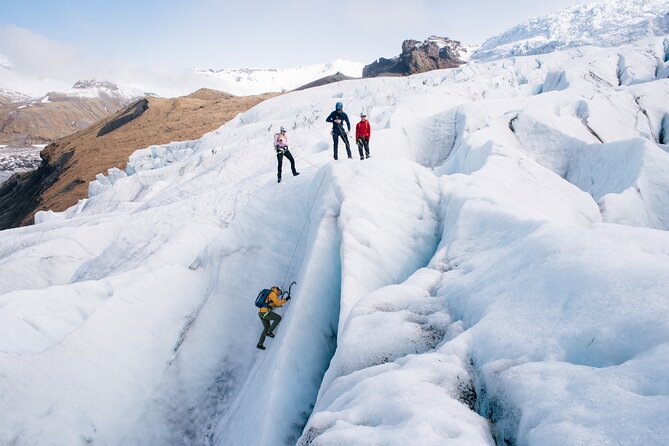
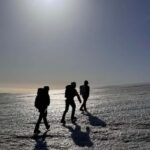
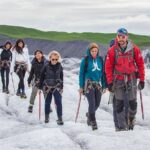
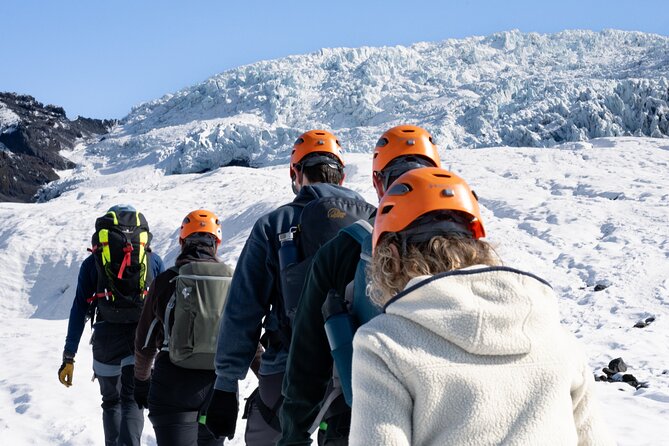
Before you get to the dramatic ice, you’ll work for it. This day includes a glacier hike of about 8 km with 350–400 m elevation gain. That’s not just a number on a page. It means your legs will feel it, even if you’re used to walking.
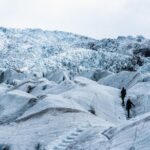
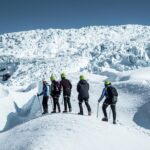
This hike matters for two reasons. First, it’s your warm-up into glacier terrain—learning how your body changes movement on icy ground, not just on rock or dirt. Second, it sets you up to see glacier features up close. You’ll encounter moulins and towering ice shapes along the way, with guides sharing how the glacier moves and why it looks the way it does.
One small bonus that’s part of the experience: you’ll hydrate with glacier meltwater during the hike. It’s a practical touch, not a gimmick. When you’re active and exposed, hydration keeps you focused for the climbing section that comes later.
Is it hard? Yes. The tour explicitly calls it challenging. The flip side is that the effort translates into that wow factor when you finally put your hands on the ice walls. You earn the view with your footsteps.
Climbing ice walls and managing crevasses
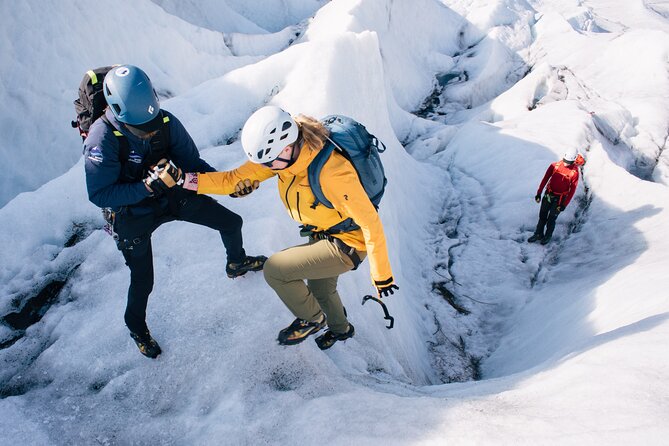
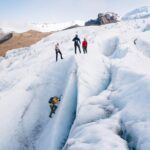
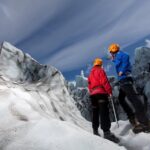
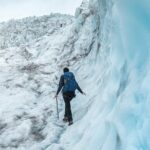
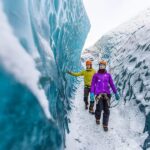
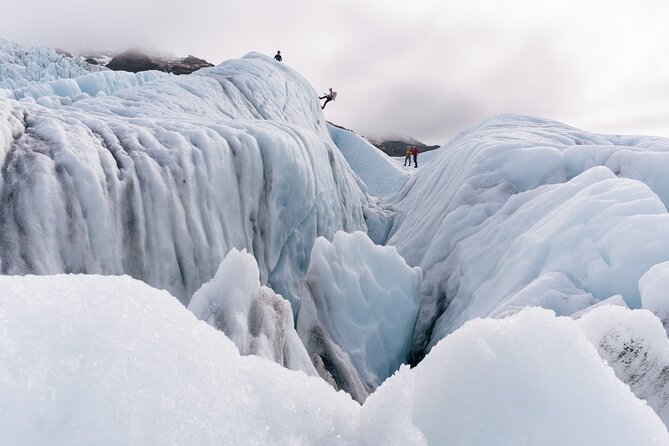
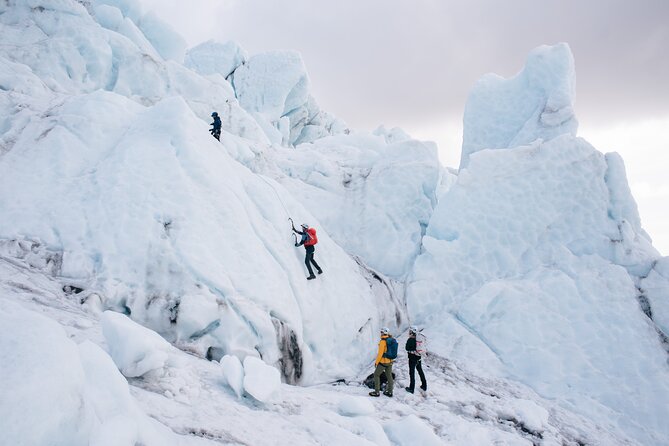
The headline here is ice climbing on Europe’s largest glacier system (Vatnajökull). What you do on the day depends on conditions and group needs, but the structure is consistent: you test yourself on ice walls and you practice controlled movement around more dangerous terrain, including crevasse areas.
This is where good guiding really shows. Reviews highlight guides who demonstrate techniques, help you match your skill to the climb difficulty, and keep safety front and center. In one account, Pawl is praised for running multiple climbs, staying safety conscious, and making it possible for both a moderately fit participant and a fit 66-year-old to have fun. That tells me the guides are actively adjusting how the day goes.
Another review gives a different angle: Darragh is singled out for being communicative and for creating a safe-feeling experience on the ice. In practice, that kind of guiding means you’re not left to guess. You learn how to hold the ice pick, place crampons, and move through sections without panic.
Also, remember: you’re not just chasing adrenaline. You’re learning glacier movement. That’s why crevasse awareness matters. The experience teaches you how to stay in safe zones and follow your guide’s routing. You get thrills, but you also get control.
The glacier stories and details you’ll actually remember
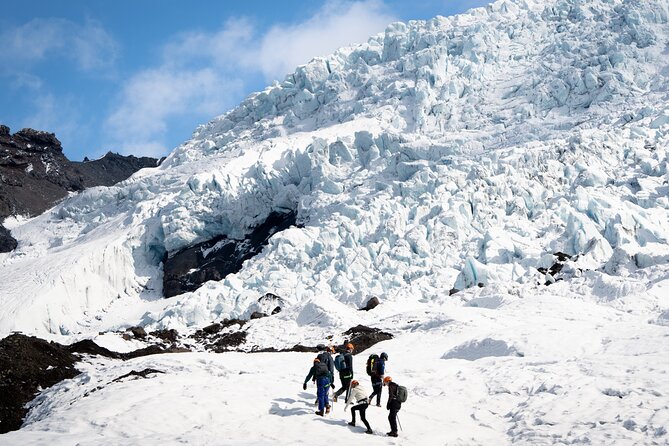
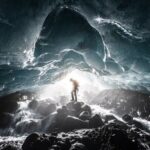
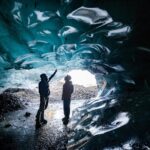
Ice climbing is visual. You see huge ice walls, deep textures, and the strange architecture of glacier features. But the most memorable moments often come from what the guide helps you notice.
As you hike, you’ll hear stories and explanations tied to what you’re seeing—things like how moulins form and why water paths matter on a glacier. You might also notice the way the ice looks and changes with light. Those details aren’t just “cool facts.” They help your brain build a mental map, which makes you calmer when you’re on steeper ground.
The tour also tries to give you time that feels less crowded. Reviews mention climbing lots of sections with opportunities away from other groups, which helps you focus on your own rhythm and instruction. With a max of 6 travelers, you’re more likely to get personalized feedback, and you spend less time waiting your turn.
If you’re the type who likes understanding what you’re looking at—even a little—this style works. You’ll come away with more than photos of ice. You’ll know what your guide pointed out and why it’s significant.
Price and value: what $250.60 buys you
At $250.60 per person, this is not a budget activity. But for glacier climbing, it’s fairly straightforward: you’re paying for a guided, gear-supported climb day, including a 4×4 bus transfer and the specialized equipment that makes ice climbing possible.
Here’s what improves value:
- Gear included: crampons, ice pick, helmet, and climbing boots. Buying or renting these separately can quickly erase any savings from a cheaper tour.
- Small group size: max 6 means less “assembly-line” guiding and more time for you to learn and climb.
- Time on the ice: you’re not just hiking past the glacier; you’re actually scaling and descending in controlled ways.
Where you’ll add extra costs:
- Food and drinks aren’t included.
- Waterproof clothing may cost extra if you need to rent it.
So your real budget is not just the ticket price. Plan for a packed lunch or snacks, plus the right waterproof layers. If you show up properly dressed, you’ll feel the cost in proportion to the experience you get: a full half-day that’s active, technical, and genuinely scenic.
Who should book Glacier Xtreme (and who might hesitate)
This tour fits best if you want hands-on adventure and you can handle effort. The requirements are clear: strong physical fitness, and readiness to walk ~8 km with 350–400 m elevation gain, plus ice-climbing walking and movement.
You’ll likely love it if:
- You’ve done outdoor activities before and want a step up.
- You want a guided skill day, not just a scenic view.
- You enjoy learning—glacier features like moulins make the day more interesting.
You might hesitate if:
- You’re looking for an easy walk with lots of resting.
- Your mobility is limited or you’re not comfortable with steep, uneven terrain.
- Cold weather and wet conditions aren’t your thing—because even with gear, you’ll still feel the environment.
The good news is that reviews point to guides who adjust difficulty. That doesn’t remove the physical requirement, but it can make the climbing feel more approachable once you’re on the ice.
Should you book Glacier Xtreme from Skaftafell?
If you want glacier walking plus real ice climbing, this is a strong pick. The combination of included gear, small group size, and guides who focus on making you feel safe (while still letting you climb) is exactly what you’re hoping for in an ice adventure. The day has effort baked in, and that’s the trade: you work a bit, then you get unforgettable ice time.
I’d book this if you’re fit enough for the hike and you want to leave with both thrills and skills. I’d skip or choose something gentler if you’re mostly chasing a relaxed Iceland nature day. The right fit here is active curiosity, a willingness to listen, and a good attitude toward cold, crampon-assisted walking.
FAQ
Where is Glacier Xtreme located, and where do I meet?
The tour starts at the Arctic Adventures (Skaftafell Base Camp) meeting point at 228J+CPM, 785 Skaftafell, Iceland. It ends back at the same meeting point.
How long is the tour?
The duration is about 5 hours 30 minutes (approx.).
How challenging is the hike?
You should have strong physical fitness. The tour involves walking around 8 km with about 350–400 m of elevation gain.
What gear is included for ice climbing?
Crampons, ice pick, helmet, and specialized ice climbing boots are included.
What should I bring for food and clothing?
Food and drinks aren’t included. Warm, waterproof clothes are also not included, though waterproof jacket and pants can be rented for a fee.
How many people are in the group?
This experience has a maximum of 6 travelers, with a small group guarantee.
What happens if the weather is bad?
The activity requires good weather. If it’s canceled due to poor weather, you’ll be offered a different date or a full refund. You can also cancel for a full refund up to 24 hours before the experience start time.