REVIEW · ISLAND OF HAWAII
Kilauea: Volcanoes National Park Guided Hike
Book on GetYourGuide →Operated by Volcanoes Hiking Guides · Bookable on GetYourGuide
Kīlauea turns science into a hike. This 3-hour guided walk through Volcanoes National Park blends native Hawaiian forest time with live updates for lava viewing, so you’re not just sightseeing. Guides like Yvonne and Jennifer bring the kind of details that make the caldera feel readable, not random.
I especially like the small group format (limited to 10), which means you can ask real questions and actually hear the answers. I also love the practical, in-the-moment planning: you’re watching weather and Kīlauea conditions, then adapting the day so lava viewing chances stay in play.
One thing to consider: lava viewing isn’t guaranteed, and the tour runs rain or shine, so you’ll want good rain gear and patience.
In This Review
- Key things that make this guided hike worth your time
- Your day at Kīlauea: what you’re actually buying
- Meeting the group and setting expectations at the visitor center
- The rainforest walk: where “wow” turns into understanding
- The loop around hardened lava: reading the ground under you
- Lava viewing updates: exciting, but realistically unpredictable
- Volcano House finish: how to turn a hike into a full experience
- Who this tour is best for (and who should skip it)
- What to bring so the day feels easy, not miserable
- The guide factor: why some days feel magical
- Price value check: is $120 worth it?
- Should you book the Kīlauea guided hike?
- FAQ
- Where do we meet for the tour?
- How long is the hike?
- Is the tour rain or shine?
- What should I bring?
- What’s included in the price?
- What is not included?
- How large is the group?
- Are kids allowed?
- Is lava viewing guaranteed?
Key things that make this guided hike worth your time
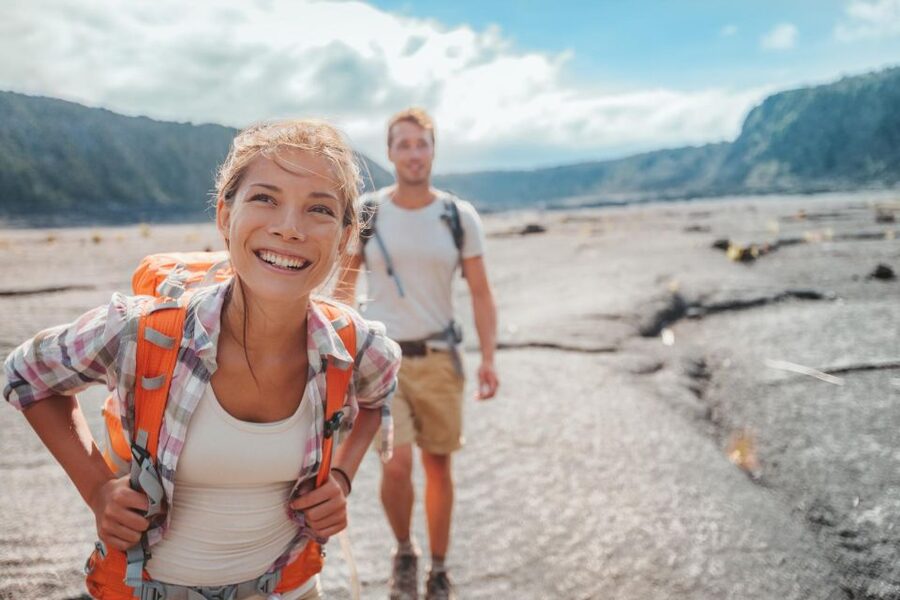
- Small group limit to 10: less waiting, more interaction, easier photo stops.
- Rainforest micro-climate walking: the park changes fast under cloud cover and mist.
- Hard lava features on a 4-mile loop: you get the “why” behind what you’re stepping on.
- Real-time lava viewing updates: your route and timing can adjust with Kīlauea activity.
- Smart eco-tour focus: it’s about connecting to place, not racing through it.
- Finish at Volcano House: your hike ends with a place to regroup and eat with a view.
Your day at Kīlauea: what you’re actually buying
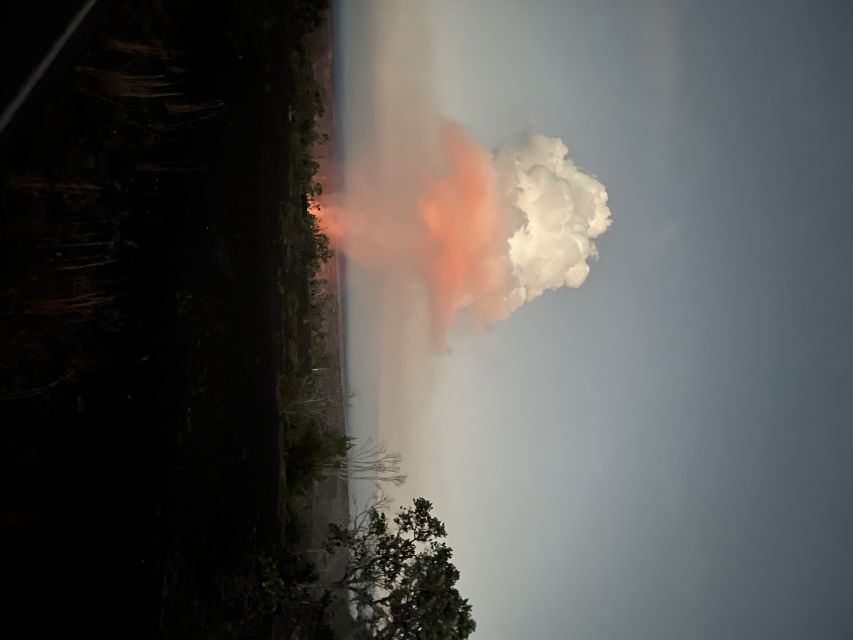
For $120 per person, you’re not just paying for a 3-hour walk. You’re paying for a guide who can translate Kīlauea into plain language while you’re standing on the evidence. That’s where the value shows up: most people can see lava and call it cool. The best part here is that you’ll learn what you’re looking at—geology, timing, ecosystems, and even how Hawaiians regard the volcano—while you move at a hiking pace.
You also get gear help that most self-guided visitors skip. Trekking poles and backpacks are included, plus a healthy snack. That can sound minor, but on a wet, slippery trail, it changes how confident you feel. And the tour avoids the usual “van shuffle” with strangers you didn’t choose—no mixing you didn’t ask for.
Finally, the timing is built around the most exciting part of the park: lava viewing. Live updates are part of the plan, and guides will steer you toward the best possible viewing windows when conditions allow.
You can also read our reviews of more tours and experiences in Island Of Hawaii.
Meeting the group and setting expectations at the visitor center
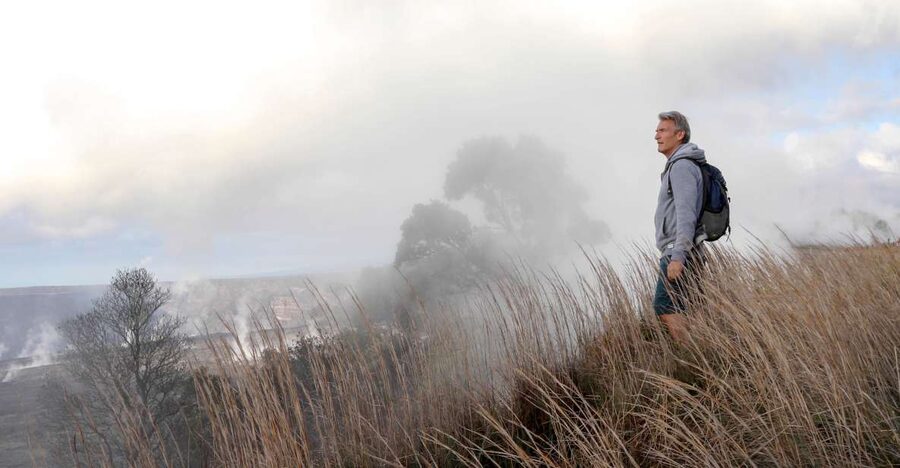
You meet at the Kilauea visitor center. Arrive with enough time to get oriented, use the restroom, and get your rain gear sorted. This matters more than people think, because the tour takes place rain or shine and the trail can get slick.
The group is limited to 10 participants, so you’ll likely get a quick introduction and then head out with your guide and the people you’ll be hiking alongside for the next few hours. The pace is described as a 4-mile loop, which usually feels like a moderate hike with some hills—comfortable if you wear proper shoes, but not something I’d call a casual stroll in sandals.
English is the tour language, and that’s helpful for following the geology and ecology explanations. If English isn’t your strong suit, plan on using patience and close attention—some guides have used translation support for non-native speakers in the past, but it’s smart to bring your own plan for communication if you need it.
The rainforest walk: where “wow” turns into understanding
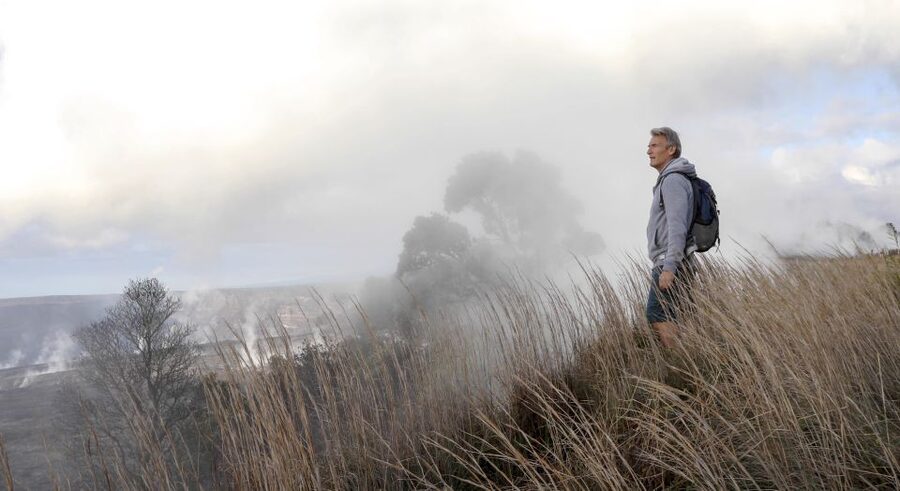
The heart of this experience is moving through native Hawaiian rain forest and then around hardened lava features. This is the part where your guide’s skill really matters, because the park looks dramatic from a distance but can look confusing up close. Your guide points out what you’re seeing and ties it to why it matters.
Expect stops where you’ll learn:
- How the volcanic landscape forms and changes over time
- What native plants and animals are doing in this ecosystem
- How different plants handle the wet, windy, misty conditions
- How legends and local perspectives shape the way people interpret Kīlauea
One detail I love is how guides sometimes bring real data tools into the walk—charts, graphs, and eruption trends. That doesn’t turn the hike into a lecture. It makes the science feel connected to your feet on the ground.
You’ll also notice that a “rainforest” hike on Hawai‘i doesn’t mean constant downpour. It often means mist, quick showers, and shifting visibility. So even when the lava view isn’t perfect, the forest walk stays meaningful.
The loop around hardened lava: reading the ground under you
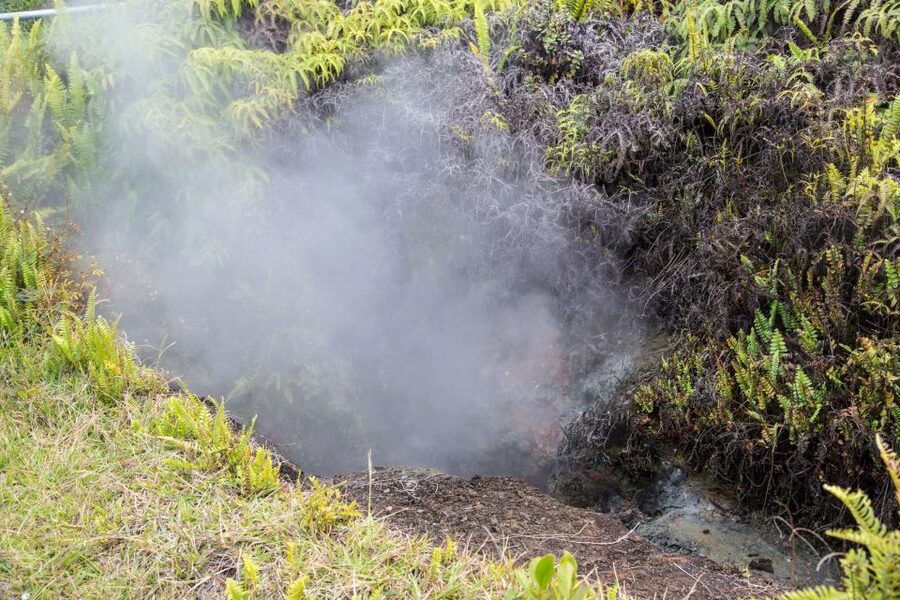
You’ll complete a 4-mile loop that includes a hardened lava lake area. Even if you’ve seen lava in photos, the textures here are different up close: jagged edges, cooled surfaces, and subtle color changes that tell a story about temperature and time.
This is where a guided hike beats wandering. Without context, cooled lava can look like random rock. With a guide, it becomes a history lesson you can walk through:
- Why one section cooled differently than another
- How the land holds onto heat and moisture differently
- How volcanic activity shapes the surrounding ecosystem
Also, you’ll likely get photo stops that are actually worth stopping for. Guides have a habit of spotting the angles that show both scale and detail, not just a generic “I was here” snapshot.
Lava viewing updates: exciting, but realistically unpredictable
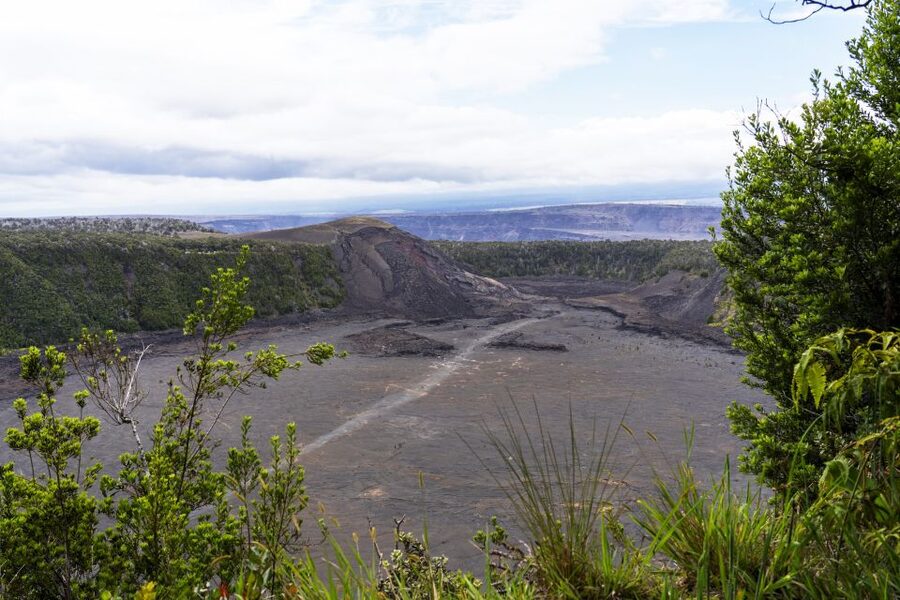
Here’s the honest part: lava viewing is subject to weather conditions and Kīlauea volcano activity. That means you should treat the lava as the bonus, not the one and only reason to hike.
What makes this tour feel better than DIY is that you’re not stuck with one plan. Real-time updates can change where you go and when you try to view. On eruption days, that flexibility can mean the difference between missing it and catching something special.
If activity ramps up earlier than scheduled, guides have been known to reach out and adjust meet times so people don’t lose their shot. In other cases, you might get observation-style viewing depending on what the conditions allow.
So my advice: dress for rain and visibility changes, keep your eyes open, and accept that “best effort” is part of the deal with active volcanos.
Volcano House finish: how to turn a hike into a full experience
The hike concludes at Volcano House restaurant and bar. This is more than a random drop-off. It’s a clean ending point where you can cool down, eat, and process what you just learned while you’re still in park mode.
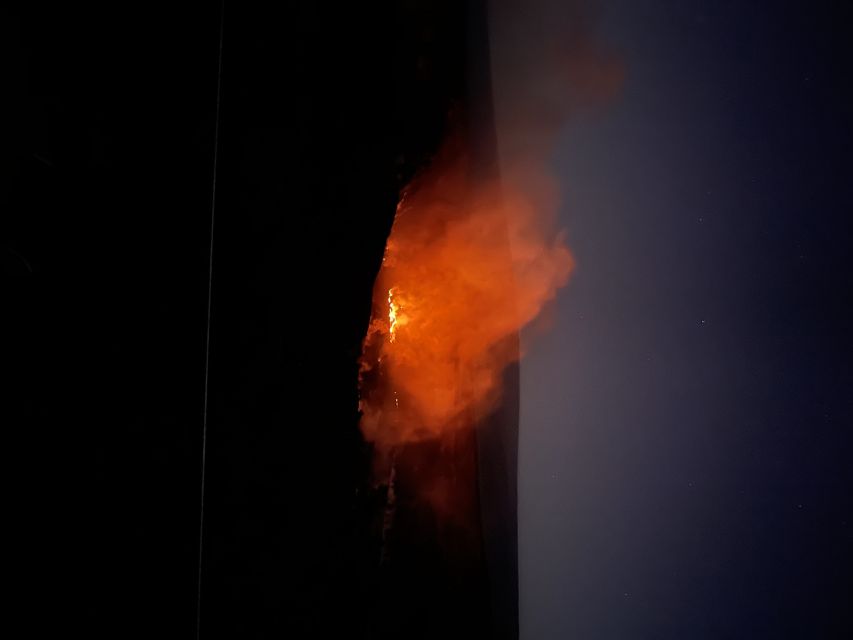
If you’re visiting during an active period, Volcano House can also be a place to return to later for night viewing when conditions line up. The glow of lava at night is the kind of memory that sticks, and having a convenient spot to regroup helps you make that plan without rushing.
Even if lava isn’t visible that day, the meal can still be a win. You’ll have energy to ask follow-up questions with your guide, and your group can trade notes about what surprised them most.
Who this tour is best for (and who should skip it)
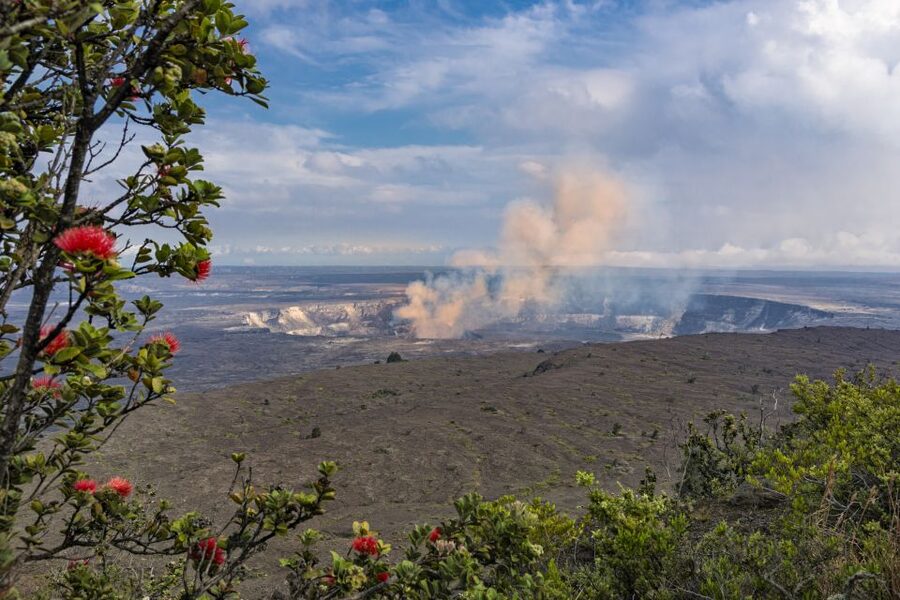
This guided hike is a great fit if you:
- Want guided geology and ecology, not just a photo stop
- Prefer small groups where you can ask questions
- Don’t mind hiking 4 miles in weather that can shift fast
- Care about sustainable, eco-tour style experiences
- Value live updates for lava viewing rather than hoping luck covers everything
You might want to skip it if:
- You need a wheelchair-accessible route (the tour is not suitable for people with mobility impairments)
- You’re traveling with kids under 6 years (not suitable for that age group)
- You can’t comfortably wear hiking-appropriate footwear (high heels and open-toed shoes are not allowed)
And one more practical note: intoxication isn’t allowed. That should go without saying, but active volcano areas are not the place for impaired judgment.
What to bring so the day feels easy, not miserable
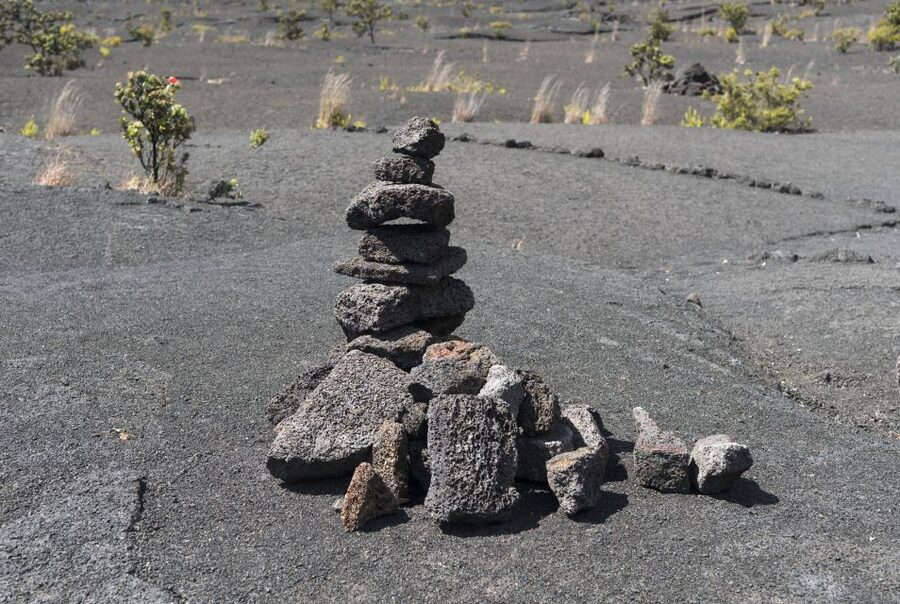
Here’s what you should pack for comfort and safety:
- Comfortable hiking shoes (not open-toed)
- Water (bring enough for a 3-hour hike)
- Rain gear (this tour takes place rain or shine)
Trekking poles and backpacks are included, so you don’t need to buy them. Still, your footwear choice matters. Wet, uneven ground can punish bad shoes quickly. If you’ve got them, traction-friendly soles are a smart move.
Also plan your clothing for quick temperature swings. In a rainforest micro-climate, you can feel damp cool air fast.
The guide factor: why some days feel magical
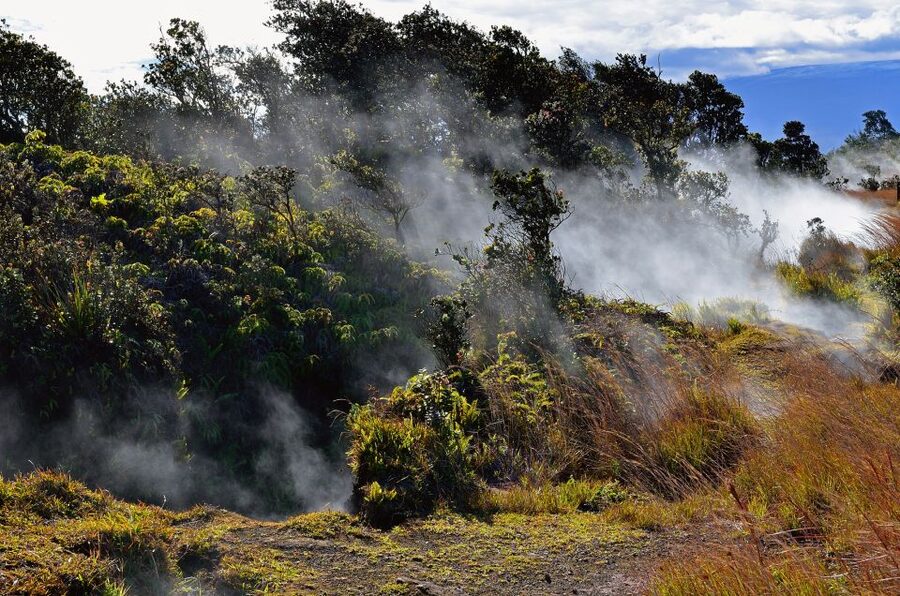
The biggest reason this tour earns such strong ratings is the people leading it. Guides like Yvonne and Jennifer consistently focus on clear explanations and hands-on engagement, and they’re not afraid to add extra details when the day calls for it.
I’ve also seen a pattern: when eruption timing changes, guides have tried to adjust to help you catch the action. That might mean meeting earlier when activity starts sooner, or offering additional ways to follow updates if you had to cancel. It’s not just “show up and talk.” It’s active event management.
Guides also tend to personalize the hike. Some groups have left the experience feeling like they got a private lesson because the group size was tiny that day. Even when your group is full, the small limit keeps the experience from feeling like a cattle-call.
Price value check: is $120 worth it?
If $120 feels steep, compare what’s included:
- Certified guide experience
- Healthy snack
- Trekking poles and backpacks
- Small group setting (max 10)
- Covid free experience
- No van rides with people you don’t know
- Rainforest + lava-loop hike with education and live lava viewing updates (when conditions allow)
What’s not included:
- Park entrance fee
- Hotel pickup and drop-off
So the decision comes down to this: do you want a guided, interpretive experience with real-time planning and support? If yes, the price is easier to justify. If you’re the type who enjoys wandering with zero explanations and you’re comfortable figuring out viewing spots on your own, you might be able to do it cheaper. But you’ll lose the interpretive layer and the flexibility that’s built into the day.
Should you book the Kīlauea guided hike?
Book it if you want a smart mix of hiking and science, and you like the idea of a guide steering the day based on weather and volcano conditions. It’s also a great pick if you care about learning the “why” behind what you see—native rainforest ecology, volcanic formation, and the human side of living with Kīlauea.
Skip it if you’re hoping for a guaranteed eruption viewing no matter what Mother Nature does. That part is truly weather- and activity-dependent. And if mobility is limited, this route isn’t the best fit.
FAQ
Where do we meet for the tour?
You meet at the Kīlauea visitor center.
How long is the hike?
The duration is 3 hours.
Is the tour rain or shine?
Yes, the tour takes place rain or shine.
What should I bring?
Bring comfortable shoes (hiking shoes), water, and rain gear.
What’s included in the price?
Included items are a certified interruptive guide, a healthy snack, backpacks and trekking polls, a Covid free experience, and no van rides with people you don’t know.
What is not included?
Park entrance fee is not included, and there is no hotel pick up and drop off.
How large is the group?
The group is limited to 10 participants.
Are kids allowed?
The tour is not suitable for children under 6 years.
Is lava viewing guaranteed?
Lava viewing is subject to weather conditions and the activity of Kilauea volcano.