REVIEW · OHAKUNE
Premium Mt Ruapehu Summit Plateau Guided Group Hike
Book on Viator →Operated by Adrift Tongariro · Bookable on Viator
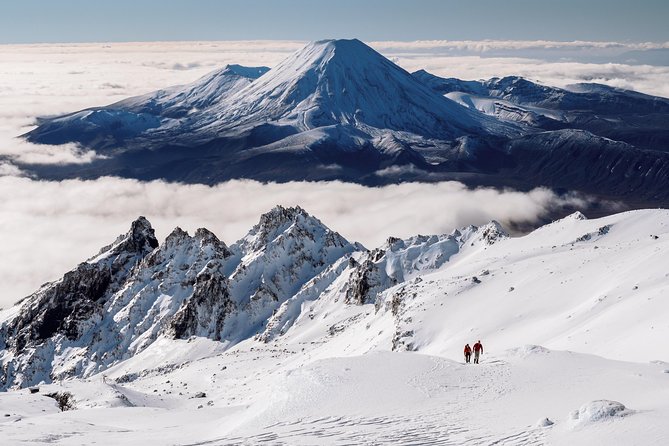
A volcanic crater hike with real lift. You get a guided route up Mount Ruapehu’s summit plateau with winter equipment handled for you. The payoff is big: crater lake views over New Zealand’s central North Island.
I especially like how the day is structured to keep you moving with purpose, not wandering. Your guide also brings the story side, explaining the cultural significance of this geothermally active area while you’re out there earning the views.
One possible drawback: this is not a simple walk on a maintained track. The terrain can be steep and uneven, and winter snow/ice can make it tough even for confident hikers.
In This Review
- Key Takeaways Before You Go
- Mount Ruapehu From National Park Village: The Real Vibe of This Day
- Price and Value at $315.25: What You’re Paying For
- Adrift Tongariro Base Check-In: How the Day Gets Set Up
- Stop 1: Adrift Tongariro (Your 10-Minute Launch Point)
- The Ruapehu Summit Hike: What You’re Actually Walking
- A smart option if you’re worried about fitness
- Crater Lake Views and the Payoff Moment
- Winter Equipment and Ice Skills: Why This Tour Feels Safer
- Cultural Significance on the Mountain: More Than Just Scenery
- Lunch, Water, and Realistic Day-Planning
- Summer gear essentials
- Winter gear essentials
- Transfers and Getting There: Keeping It Simple
- Who This Hike Fits Best (And Who Might Struggle)
- Booking Considerations: Weather, Group Size, and the Real Possibility of Change
- What Makes the Guides Stand Out: Real-World Service Style
- Should You Book the Premium Ruapehu Summit Plateau Hike?
- FAQ
- How long does the Mount Ruapehu guided hike take?
- Is lunch included?
- What gear is provided for winter conditions?
- Can I shorten the route during the hike?
- Do I need to be a strong hiker?
- What should I do the day before the tour?
Key Takeaways Before You Go
- Guides manage risk in snow and ice, including crampons and ice axe use when needed
- No getting lost pressure, because you’re on a guided day route with check-in and condition briefings
- It’s less stable than the Tongariro Alpine Crossing, so watch your footing and pacing
- Fitness matters: plan on 6–7 hours of walking and an uneven climb
- Optional chairlift can shorten the route to about 7 km return, depending on conditions
- Small-town service feel: reviews highlight guides like Martin, Stewart, and Dan for patience and clear instruction
Mount Ruapehu From National Park Village: The Real Vibe of This Day
This hike is about effort, then reward. You’re walking in volcanic country where the ground doesn’t always behave like a neat trail back home. If you like big views and you don’t mind working for them, that’s exactly the point.
Starting from the Adrift Tongariro base in National Park Village keeps the day straightforward. There’s no long bus-and-transfer puzzle. The focus stays on the mountain and the route, with your group checked in before you go.
The group hike runs about 8 hours total, with around 6–7 hours of walking time. That timeline matters because it shapes your energy plan: you’ll want to eat and hydrate steadily, not sprint uphill and then run out of steam near the crater lake.
Price and Value at $315.25: What You’re Paying For
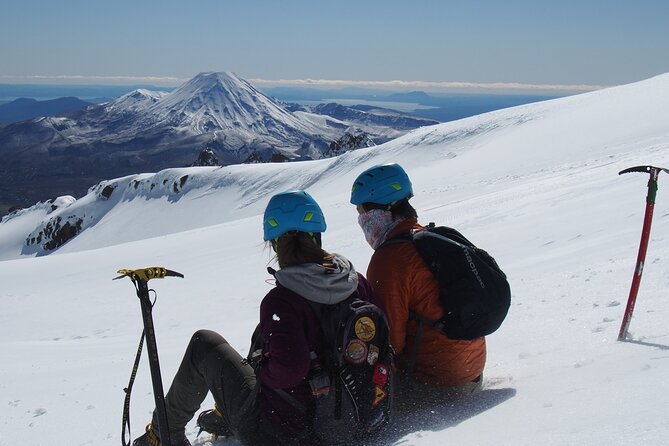
At $315.25 per person, this isn’t a budget activity. The value comes from what’s bundled, not from an optional extra you can skip.
Here’s what you’re really buying:
- A professional, qualified guide to manage route and conditions
- Winter equipment included when required (including crampons/ice axes if conditions call for it)
- Transport between the tour start/end and the Adrift Tongariro base (you meet and return to the same base)
- A clothing/footwear supplement allowance up to NZD60 (to help if you’re under-prepared)
And then there’s the intangible value: in snowy, icy, steep terrain, good guidance can make the difference between a stressful day and a controlled one. Reviews back that up, especially with guides like Stewart giving calm, patient instruction to people who’d never used crampons or an ice axe before.
Adrift Tongariro Base Check-In: How the Day Gets Set Up
The tour begins and ends back at the 53 Carroll Street, National Park Village meeting point. Right in the morning, the guides gather your group, check you in, and review what the conditions look like that day.
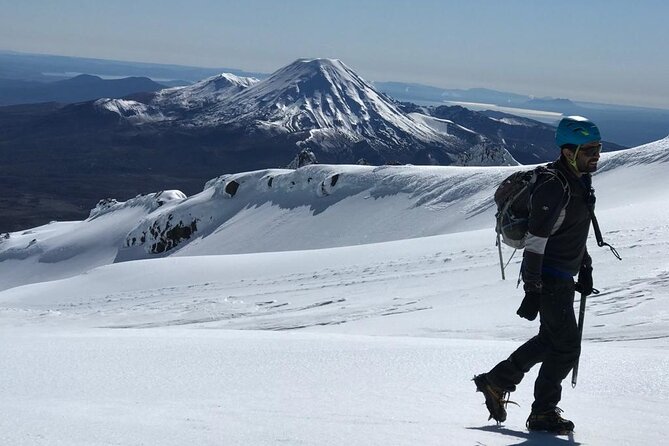
This part is more important than it sounds. Mountain weather can shift fast, and the tour explicitly notes that surface conditions vary day to day in winter and snow periods. Having the guide assess you in person is the whole safety logic behind this day hike.
You’ll also deal with the practical admin early:
- You should expect a waiver to be completed prior to arriving on site
- Confirmation is received at booking
- You’ll get a link or QR code in your inbox about 3 days before your tour
One task you can’t ignore: you must call the Adrift Tongariro base between 10:00am and 5:00pm the day prior to confirm the departure time and final timings. The number is +64 7892 2751. It’s part of how they keep everyone aligned with changing weather.
Stop 1: Adrift Tongariro (Your 10-Minute Launch Point)
Your first stop is basically your base—think of it as the “get organized, get geared up, then go” moment. It’s listed as about 10 minutes, and that matches how the day is designed: you’re not hanging around, and you’re not stuck waiting for hours to start.
This is where you’ll get the gear conversation squared away. The tour notes that guides will assess and provide required equipment, plus additional clothing and boots if needed. If you show up cold, wet, or under-layered, this is the place where they can help close those gaps.
You also get the condition talk: what footwear will work best, whether crampons/ice axe instruction is needed, and what pace or cutoff options exist if your fitness isn’t matching the hardest version of the route.
The Ruapehu Summit Hike: What You’re Actually Walking
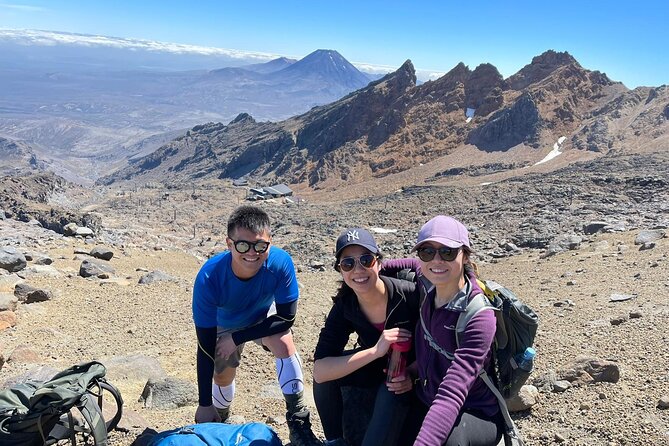
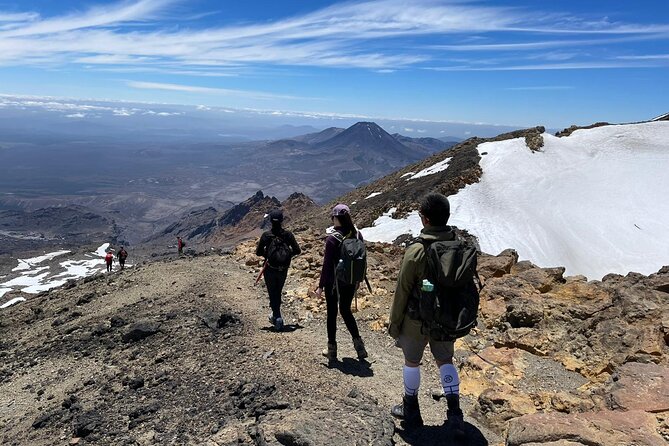
The core of the day is the hike to Mount Ruapehu’s crater lake area, with the summit plateau route built for active hikers. You’re looking at about 10 km return, or about 7 km return when the chairlift is utilised. The walking time is about 6–7 hours.
Here’s the key reality check: this is not a track. The tour description also calls it “less stable walking” than the Tongariro Alpine Crossing. That’s exactly how you should think about it—expect uneven footing, steep sections, and a route that asks for balance.
The climb is also described as uneven and steep in places, so this is best suited to active travelers with hiking experience. If you’re comfortable hiking with elevation, rough ground, and sustained effort, you’ll likely find it challenging but manageable.
A smart option if you’re worried about fitness
If you want a safety valve, you can take the hike as far as Knoll Ridge Cafe if you’re concerned about your fitness. This matters because it turns the day from all-or-nothing into a “you can dial it back” outing.
Crater Lake Views and the Payoff Moment
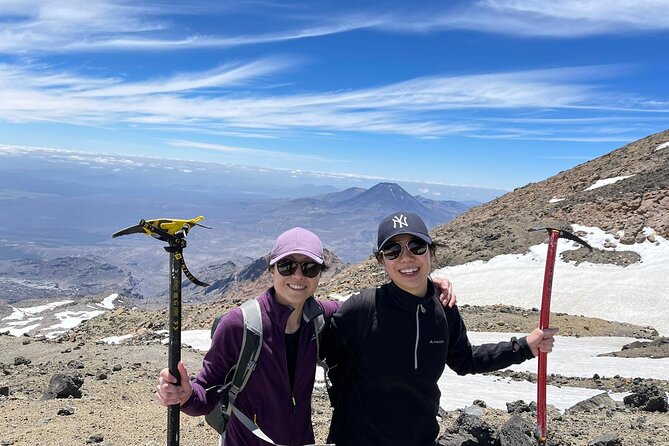
The top views are the reason most people sign up. You’re aiming at incredible mountain and lake views from the crater area. In volcanic terrain, the drama isn’t subtle—you’ll feel like you’ve stepped onto a different planet.
Reviews highlight that the experience can be “stunning” and “rewarding,” and they often mention the guide’s role in keeping the day cheerful even when conditions are tough. One review mentions it being extremely hot on a snowy mountain, which is a good reminder that weather can flip fast.
If you’re someone who gets motivated by a clear destination, you’ll like this. It’s not a wandering loop. You’re climbing toward a view that’s the headline.
Winter Equipment and Ice Skills: Why This Tour Feels Safer
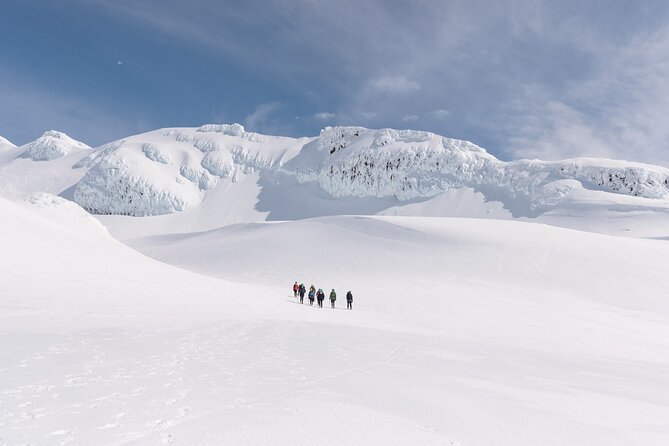
This is where the guided nature really earns its keep.
If winter conditions bring snow and ice, crampons and ice axes are required, and your guide will provide instruction on how to use them correctly. That instruction isn’t theoretical. It’s what allows people to go from cautious to confident.
One review specifically notes that the guide (Stewart) taught a first-timer how to use crampons and an ice axe, and it made the group feel at ease. That’s the moment you’ll be grateful for: when gear turns from intimidating to manageable because someone shows you how to move safely.
Also, because surface conditions can vary, the guide’s check-in at the start of the day matters again. You may think you’re ready until you hit icy footing; then the whole plan becomes about technique and spacing, not bravado.
Cultural Significance on the Mountain: More Than Just Scenery
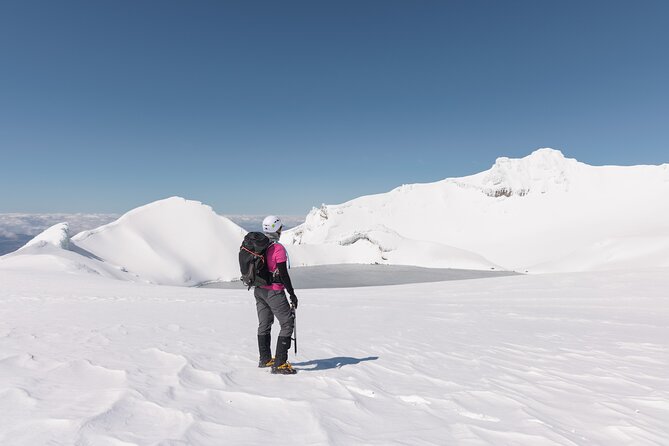
A lot of volcano hikes become a photo hunt. This one adds a layer.
Your guide will explain the cultural significance of the geothermally active area. You don’t need to be a geology nerd to appreciate this. It just changes how you look at what’s around you—steam, heat, volcanic rock, and the crater environment start to feel connected to people and place, not just scenery.
I like this kind of added context because it makes the hard parts mean more. When you understand the “why” behind the area, you’re not just enduring cold or uneven ground. You’re building a fuller picture of the place.
Lunch, Water, and Realistic Day-Planning
Food and drinks are not included, except that lunch can be arranged for a surcharge. So you’ll be making your own calls.
The tour also explicitly lists what to bring.
Summer gear essentials
- Water 1.5–2 litres
- Lunch
- Sun hat, sunscreen, sunglasses
- Backup meds and blister protection if you need it
- Hiking boots/shoes and layered clothing (1 light top + 2 warm layers)
- Waterproof raincoat
Winter gear essentials
- Water 1–1.5 litres
- Lunch and personal medications
- Warm hat and gloves
- Thermal and layered tops (3 warm top layers)
- Over-trousers and waterproof raincoat
Because you’re walking for hours, you should treat hydration and layers as part of your safety plan. If you show up under-layered, the day can turn from hard work into misery fast.
Also remember: beverages, bottled water, and snacks are not included. Plan to carry what you need.
Transfers and Getting There: Keeping It Simple
Transfers within the tour are handled. The description says transport between the start/end and the Adrift Tongariro base is included.
If you’re staying elsewhere, return accommodation transfers from Taupo CBD, Turangi, and Whakapapa Villages are available on request for an additional charge. Those transfers require a minimum of 2 people.
So if you’re traveling solo or staying farther out, it’s worth planning your local logistics early so you’re not stuck relying on uncertain group transport availability.
Who This Hike Fits Best (And Who Might Struggle)
This is an active day hike. The tour notes strong physical fitness is required, and it’s designed for active travelers with hiking experience.
You’ll likely enjoy it if you:
- can walk for 6–7 hours on uneven ground
- handle steep sections and don’t panic on rough footing
- want a guided day with safety gear and instruction in winter conditions
I’d be cautious if you have back, neck, lower back, joint, or muscular problems. The tour explicitly says you should carefully consider your participation if you have these issues. In winter or icy conditions, uneven terrain can be an extra stress on your joints.
Minimum age is 12 years, but age alone doesn’t tell you if a child is ready. Fitness and comfort on rough ground matter.
Booking Considerations: Weather, Group Size, and the Real Possibility of Change
Good weather is required. The tour can be canceled due to poor weather, and in that case you’ll be offered a different date or a full refund.
The tour also requires a minimum number of travelers (minimum 2 people). If it doesn’t meet that requirement after confirmation, you’ll be offered an alternative or full refund.
One more practical note: since your guide is assessing conditions and gear needs on the morning, you should treat the day like a “weather-guided adventure,” not a rigid schedule you can plan around like a museum slot.
What Makes the Guides Stand Out: Real-World Service Style
The reviews paint a consistent picture: the guides focus on calm instruction, group care, and pacing.
People name specific guides:
- Martin and Stewart are mentioned for professionalism and making climbers feel at ease
- Dan is highlighted for being supportive and patient, even helping a daughter attempt her first mountain hike without rushing her
- Stu and Hiro are called out for being personable and really knowing their stuff
- Robyn is mentioned for smooth booking communication
That blend—competence plus patience—is what you want when the terrain gets tricky or you’re trying crampons for the first time. A hike like this rewards confidence, but it also rewards a guide who can create it in you.
Should You Book the Premium Ruapehu Summit Plateau Hike?
If your idea of a great day in New Zealand is walking in volcanic terrain with a clear goal, and you’re prepared for uneven, steep sections, then yes—this is a solid choice.
Book it if you want:
- guided safety with winter equipment and instruction
- the crater-lake view payoff without the stress of figuring out the route
- a day that mixes effort with cultural context
Skip it (or reconsider) if you:
- want an easy, stable walking surface
- don’t meet the fitness expectations for 6–7 hours of uphill walking
- have issues that could be aggravated by steep, uneven terrain in cold or icy conditions
If you do book, one last tip: call the base the day before and pack like you expect weather swings. That simple prep makes the whole day smoother.
FAQ
How long does the Mount Ruapehu guided hike take?
The total duration is about 8 hours, with roughly 6–7 hours of walking time.
Is lunch included?
Lunch isn’t included by default. You can bring your own, or lunch is available for an extra surcharge.
What gear is provided for winter conditions?
All winter equipment is provided, and crampons and ice axes will be provided if required for the day’s winter conditions.
Can I shorten the route during the hike?
Yes. The walking distance is listed as about 10 km return, or about 7 km return when the chairlift is utilised.
Do I need to be a strong hiker?
You should have a strong physical fitness level. The terrain is uneven and steep in places, and it’s not a track, so good hiking experience helps.
What should I do the day before the tour?
You must call the Adrift Tongariro base between 10:00am and 5:00pm the day prior to confirm the departure time and discuss exact timings.