REVIEW · CANMORE
Canmore: Lost Towns and Untold Stories Hiking Tour – 3hrs
Book on Viator →Operated by Banff & Canmore Tours · Bookable on Viator
Lost mining towns meet mountain trails. This 3-hour Canmore hiking tour takes you into Kananaskis Country to walk old, overgrown wagon roads and search for the leftovers of miners and wagon-hauling days, in a way that feels personal, not tour-bus-ish. I especially like the focus on lost mining towns and the fact it runs as a small group.
I also love the way the guide brings the area to life with on-trail stories about early-1900s life, plus practical observations like trees, animal traces, and what you can still spot from when the towns were abandoned. One heads-up: the route has steep stretches. They’re not long, but they can feel like a lot if you’re dealing with a sore back, knee issues, or low stamina.
In This Review
- Key highlights worth planning around
- Getting to Kananaskis Country from Canmore (without wasting time)
- The hike itself: overgrown wagon roads and abandoned mining town traces
- Stops and setting: what Kananaskis Country adds to the story
- Your guide: how the stories land on the trail
- Wildlife spotting in bear country (and why you should take it seriously)
- Route challenge: what the “steep but short” really means for you
- What’s included (and what you should pack)
- Price and value: what $66.60 buys you in real terms
- Who this tour fits best (and who should skip it)
- Should you book Lost Towns and Untold Stories in Canmore?
- FAQ
- How long is the Canmore Lost Towns and Untold Stories hiking tour?
- What does the tour cost?
- Where do I meet for the tour?
- What group size should I expect?
- Are service animals allowed?
- Are hiking poles included?
- Are ice cleats included?
- Is bottled water or snacks included?
- What happens if weather is poor?
Key highlights worth planning around
- Small groups: designed for no more than six hikers, with an overall maximum of 12
- Real historical remains: you’ll look for remnants tied to the mining days
- Wildlife on your radar: expect bear and other local animal signs and keep your eyes open
- Guide-led pacing: built for stops and breathers to enjoy the views
- Gear support: hiking poles on request, plus ice cleats when required
- Park fees included: you’re not juggling extra costs at the trailhead
Getting to Kananaskis Country from Canmore (without wasting time)
Your day starts back at the Canmore Recreation Centre, 1900 8 Ave, Canmore, AB. That’s convenient because you’re not trying to solve parking puzzles or hunt down a remote bus stop. The tour is also listed as near public transportation, which matters if you’d rather not drive after a hike.
Timing is simple: it’s about 3 hours total. That makes it a great “afternoon slot” when you want to get out of town and still have energy left for dinner. Just remember the tour needs good weather, so if conditions are poor you’ll be offered another date or a full refund.
Also, go in knowing this isn’t a gentle stroll. Most people can participate, but it’s not designed for mobility limits. If you have back problems, recent surgery, serious medical conditions, or you’re pregnant, the tour notes you should skip it. And if you’re traveling with kids, it’s not designed for children under age 8.
You can also read our reviews of more tours and experiences in Canmore.

The hike itself: overgrown wagon roads and abandoned mining town traces
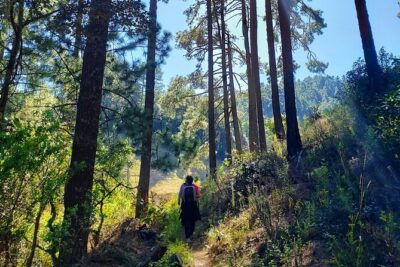
The core experience is walking down old wagon roads that are now swallowed by growth, heading toward the area’s lost mining towns. This is the kind of hike where the ground under your boots does two jobs: it’s exercise, and it’s a history lesson at the same time.
You’re not just looking at a viewpoint. You’ll be moving through terrain where you can still spot pieces of what got left behind—discarded items, remnants of building life, and the sort of evidence that turns a “history story” into something tangible. In one tour I’d describe like this, the guide pointed out discarded remnants and connected what you could see to how the towns worked in the early 1900s.
What that means for you: you’ll spend less time wondering what you’re seeing, and more time noticing details—vegetation changes, old routes, and the subtle signs that you’re in a place where people once lived in a hurry. If you like hiking where the trail has a narrative, you’ll probably enjoy this much more than a straight walk.
Stops and setting: what Kananaskis Country adds to the story
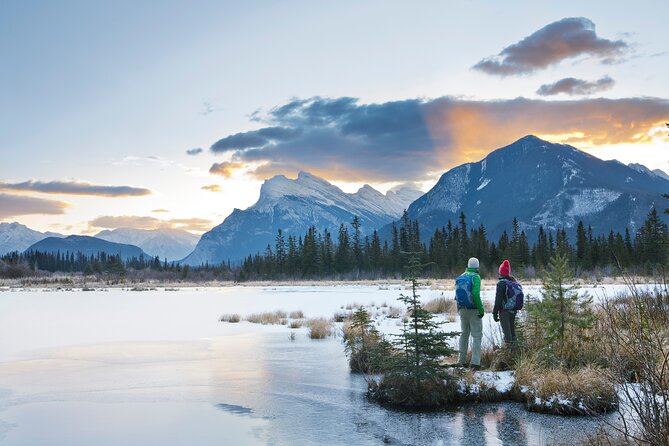
The itinerary’s main focus is Kananaskis Country. Even without multiple named stops, that “one-zone” approach is part of the value. It keeps the day cohesive: you get dropped into the area’s history and spend the time walking through it, instead of breaking the day into lots of transitions.
The guide also helps you interpret what you’re seeing—trees, early mining life, and animal traces. One reason this matters is that Kananaskis terrain can look similar if you’re just passing through. A good guide helps you notice the small differences that explain why this place mattered to miners, and what’s been happening there since they left.
If you’re sensitive to steep ground, this section is where you’ll feel it most. The reviews point out that the steep parts are short, but they do exist. You’ll likely do better if you bring a mindset of steady effort, short breaks, and lots of looking up at the views while you catch your breath.
Your guide: how the stories land on the trail
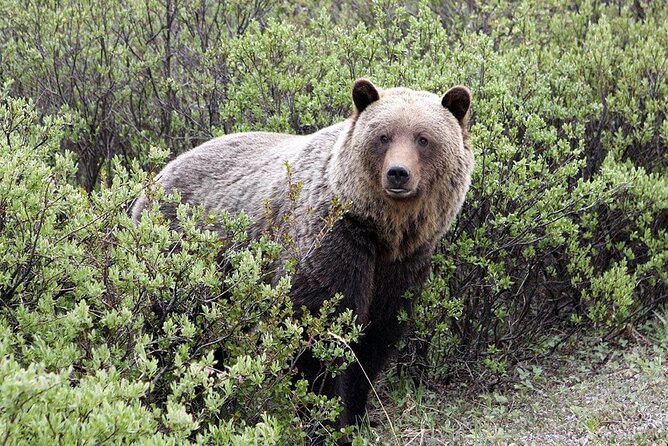
This tour is led by a professional certified guide. And the guides clearly have a knack for mixing place-based details with human stories. In the experience, I’ve seen guides such as Jacob and Ben leading groups, and the common thread is how they connect your footsteps to the area’s past.
Here’s what that feels like for you on the ground:
- You’ll learn what to watch for along the way, not just what happened long ago.
- You’ll get pointers about local mountain vegetation.
- You’ll be directed to animal traces and other signs that hint at recent wildlife activity.
The best part is that the guide isn’t rushing you through the history. One of the nicest surprises in the feedback is how the group gets real time to pause. People noted steep sections but also noted that the guide stopped often enough to take in views and recover breathing—so the tour still feels pleasant, not punishing.
If you’re the type who likes to understand a place instead of just photograph it, this guide-led format is a strong match.
Wildlife spotting in bear country (and why you should take it seriously)
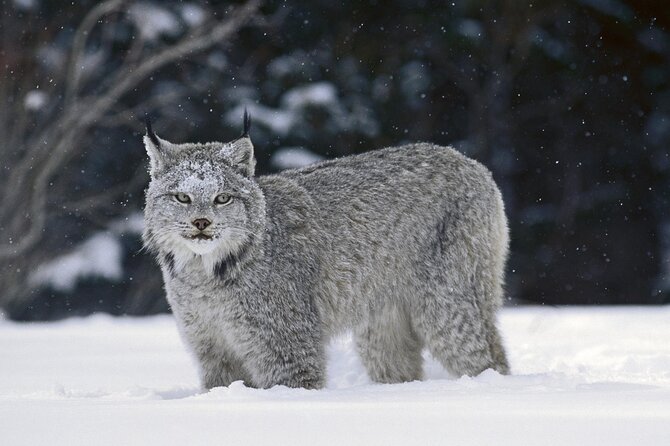
You’ll want to keep an eye out for bears and other wildlife. The tour doesn’t frame this as scary—it frames it as part of hiking the Rockies. That’s a good attitude.
What matters for you is behavior:
- Stay alert and don’t assume the forest is empty.
- Follow the guide’s lead on where to walk and how to pause for photos.
- Treat animal signs like information, not entertainment.
The feedback includes examples like recent bear scat spotted during the hike. That’s a reminder that wildlife is active even when you don’t see the animal itself. You’ll get the most from the tour if you enjoy noticing tracks, traces, and the small clues that the guide calls out—without trying to chase anything.
The good news: because the group is small, you’re not blasting through habitat with a huge crowd. That helps keep the walk calm for you and less disruptive for wildlife.
Route challenge: what the “steep but short” really means for you
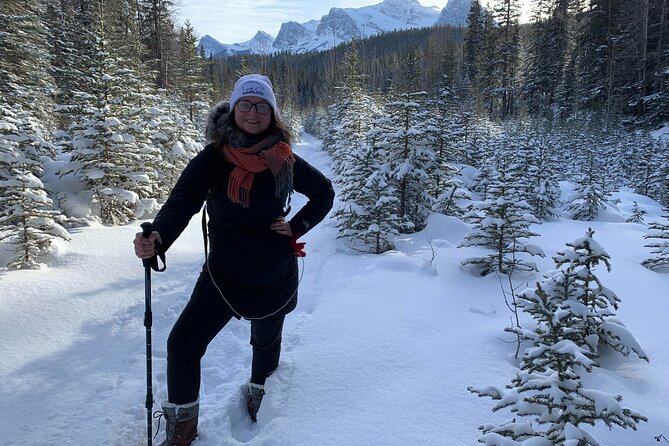
The hike has steep areas to climb. The encouraging part is that they’re described as short, which usually means you can recover quickly. Reviews also highlight that the guide builds in stops, so you can slow down when needed without feeling like you’re holding people back.
Still, this is a real hike. Even with pauses, you’ll likely:
- use your legs more than you expect
- move carefully on uneven ground
- feel your heart rate rise during the steeper bits
If you’re coming from a trip day of long drives and minimal walking, consider starting the hike feeling rested. If you’re already used to hills, it’ll probably feel like a good workout with rewarding views and story stops.
And if you’re choosing this tour as a history fan, don’t underestimate the physical side. The historical remnants are worth it—but you’ll get those moments only if you’re comfortable managing a bit of elevation and uneven footing.
What’s included (and what you should pack)
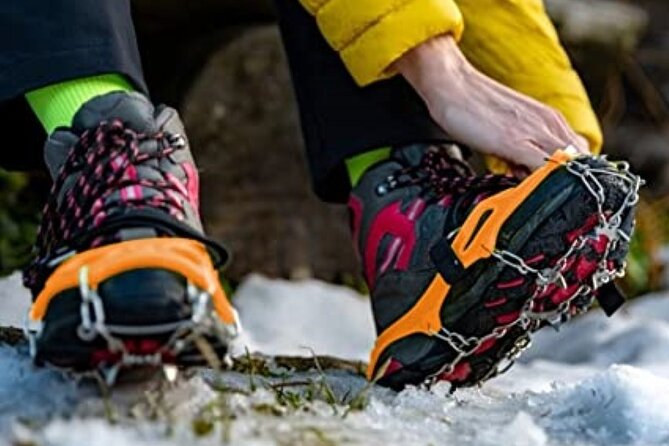
The tour includes several helpful basics:
- Hiking poles if you request them
- Ice cleats when required (so you’re not stuck improvising)
- A professional certified guide
- Park pass fees
What’s not included:
- Bottled water
- Snacks
For your comfort, plan to bring a refillable bottle if you can. At minimum, bring enough water to handle a 3-hour hike in mountain conditions. If you tend to get lightheaded when you’re active, also bring a snack you can eat during a break.
Quick gear notes that match the conditions implied by ice cleats:
- Wear footwear you trust on rocky or possibly icy surfaces.
- Dress in layers. Mountain weather can shift fast, and you’ll want to adjust while you’re walking and while you’re stopping.
And if you requested poles or got ice cleats in the past, expect the same idea here: the goal is to keep you steady so the tour stays enjoyable.
Price and value: what $66.60 buys you in real terms
At $66.60 per person for about 3 hours, you’re paying for more than a walk. You’re paying for:
- a certified guide who interprets the trail and tells the mining-era stories
- help with equipment (poles if you want them, ice cleats when needed)
- park fees included, which saves you from figuring out additional costs on the day
In other words, your money goes toward turning the hike into a guided experience rather than a self-guided scramble. If you enjoy history that you can physically see—wagon roads, remnants, and the “how did this town work” feeling—this price typically makes sense for the time you spend outside.
If you’re traveling on a tight budget and you’re happy to hike on your own, you could spend less elsewhere. But for most visitors to the Canmore and Kananaskis area, the guide-led context is the difference between walking through mountains and actually understanding what you’re walking through.
Who this tour fits best (and who should skip it)
This is a great option if you want:
- a hike with history on the trail, not just a background lecture
- wildlife awareness built into the experience
- a small group atmosphere where you can ask questions and pause for views
It also works well if you’re a solo traveler. A small group hike is often an easier way to meet people than trying to plan a trail on your own. The pacing and guide-led stops help keep the conversation natural without forcing it.
On the flip side, skip it if any of the tour’s health notes apply to you. It’s not designed for mobility issues, back problems, recent surgeries, serious medical conditions, or pregnancy. And if you’re bringing kids, it’s not designed for children under 8.
If you’re unsure about your limits, take the steep sections seriously. It’s not a long endurance grind, but it’s also not a flat walk.
Should you book Lost Towns and Untold Stories in Canmore?
I’d book it if you want a short mountain hike that gives you both effort and meaning. The combination of lost mining town remnants, guide stories about early 1900s life, and wildlife-aware walking is exactly the kind of “Canada Rockies” experience that feels worth your time.
I’d think twice only if steep climbs and uneven footing are a problem for you, or if you expect a gentle walk. This is small-group hiking with real terrain.
If you go, come prepared with water and a snack, wear solid shoes, and bring your curiosity. The best part is how quickly the trail turns into a place you understand.
FAQ
How long is the Canmore Lost Towns and Untold Stories hiking tour?
It’s approximately 3 hours.
What does the tour cost?
The price is $66.60 per person.
Where do I meet for the tour?
The meeting point is Canmore Recreation Centre, 1900 8 Ave, Canmore, AB T1W 1Y2, Canada. The tour ends back at the meeting point.
What group size should I expect?
The hike is described as being in a group of no more than six, and the overall maximum is 12 travelers.
Are service animals allowed?
Yes, service animals are welcome.
Are hiking poles included?
Hiking poles are included if you request them.
Are ice cleats included?
Ice cleats are included when required.
Is bottled water or snacks included?
No. Bottled water and snacks are not included.
What happens if weather is poor?
The tour requires good weather. If it’s canceled due to poor weather, you’ll be offered a different date or a full refund.