REVIEW · CANMORE
Discover Ancient Pictographs – Guided Canyon Hiking Tour 3H
Book on GetYourGuide →Operated by Banff & Canmore Tours · Bookable on GetYourGuide
Pictographs and waterfalls in one short hike. This 3-hour guided canyon walk near Canmore stacks two waterfalls, canyon views, and Indigenous pictographs with a local guide who keeps things interactive. I especially like the small group size (max 6) for asking questions and getting your footing sorted, and I like the way the guide connects the rock formations to the people who lived here. One drawback to plan around: this isn’t a mellow stroll, and it’s not suitable for pregnant women, people with mobility impairments, or anyone with pre-existing medical conditions.
You’ll meet your guide at the Canmore Recreation Centre and get a quick ride to the start of the walk. From there, you’re in for an expert-led hike through canyons and caves, plus safety support like bear spray and a first aid kit carried by your guide.
In This Review
- Key highlights at a glance
- Meeting at Canmore Recreation Centre: the quick start that keeps things easy
- Canyon walking for 3 hours: waterfalls, caves, and plenty of chances to ask questions
- Ancient Indigenous pictographs: what you’re actually looking at
- Exploring canyons and caves safely: the gear and the guide’s job
- What you learn along the way: geology, plants, animals, and living in the place
- Price and value: is $69 worth it for 3 hours in the Canmore area?
- Should you book this Ancient Pictographs Canyon Hiking Tour?
- FAQ
- How much does the tour cost?
- Where do I meet the guide?
- What gear is included?
- What is the group size?
- Is food and drinks included?
- Is the tour guided in English?
- What is the cancellation policy?
Key highlights at a glance
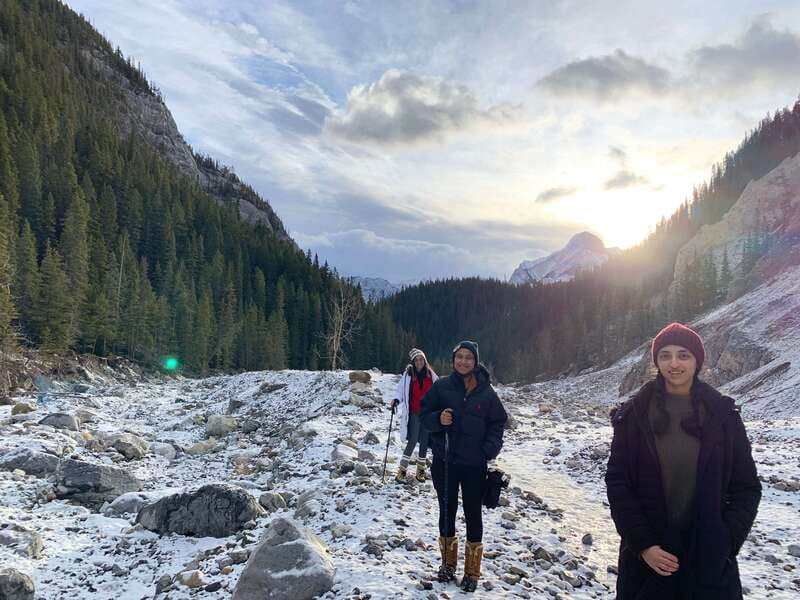
- Max group size 6 means more attention and a calmer experience
- Two waterfalls plus photo-friendly canyon scenery during the hike
- Ancient Indigenous pictographs explained in a respectful, place-based way
- Canyons and caves explored with an expert local guide
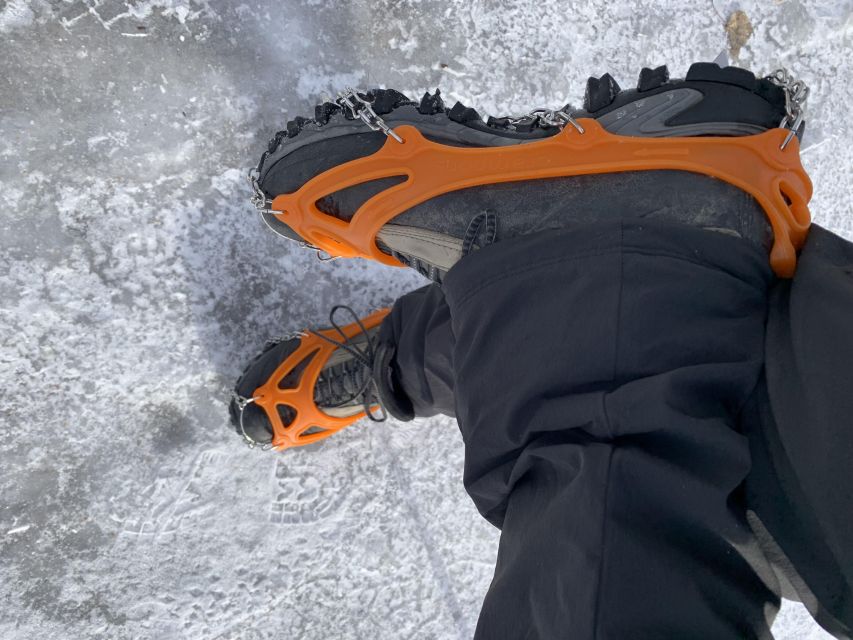
- Winter support: ice cleats supplied only in winter (and hiking poles provided year-around)
Meeting at Canmore Recreation Centre: the quick start that keeps things easy
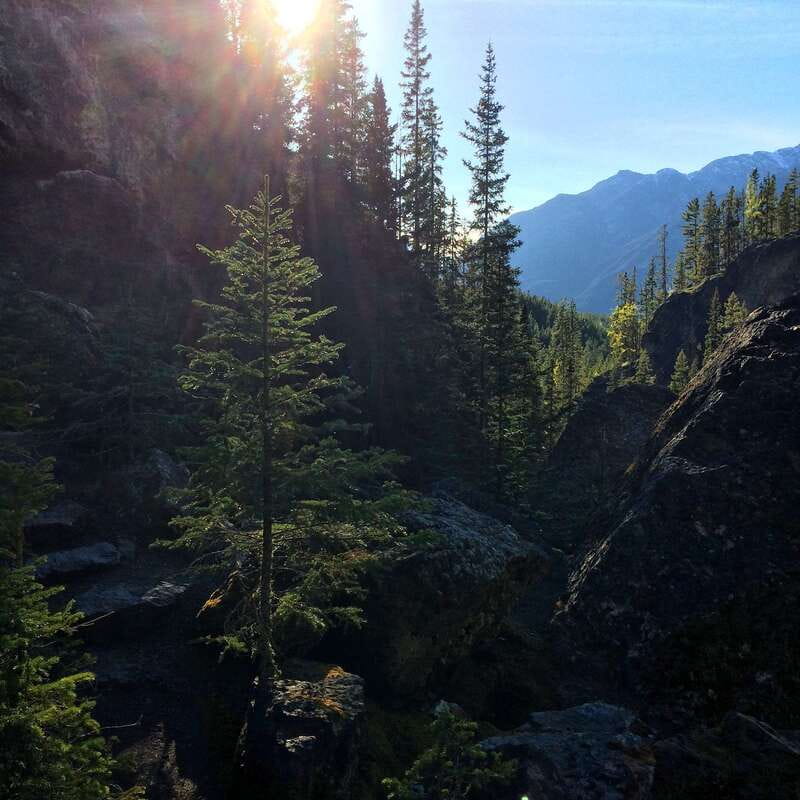
The tour begins outside the main doors of the Canmore Recreation Centre. Your guide will be easy to spot with a black hat and clipboard. Once you’re with the group, you head out by coach for a short transfer—about 15 minutes—so you’re not wasting your limited time getting to the trailhead.
What I like about this setup is how it respects your energy. You’re not driving yourself, not hunting parking, and not juggling complicated directions. The coach ride also gives you a little buffer: you’ll have time to get layered up, use the restroom if needed, and settle in before you start walking.
You can also expect a guide who treats the hike as a learning experience from the start. During the ride and the early portions of the walk, the guide shares how the region formed and why it matters, including the role it played for Indigenous peoples over time. That context matters because it changes how you look at what you see—especially when you later stop for pictographs.
You can also read our reviews of more tours and experiences in Canmore.

Canyon walking for 3 hours: waterfalls, caves, and plenty of chances to ask questions
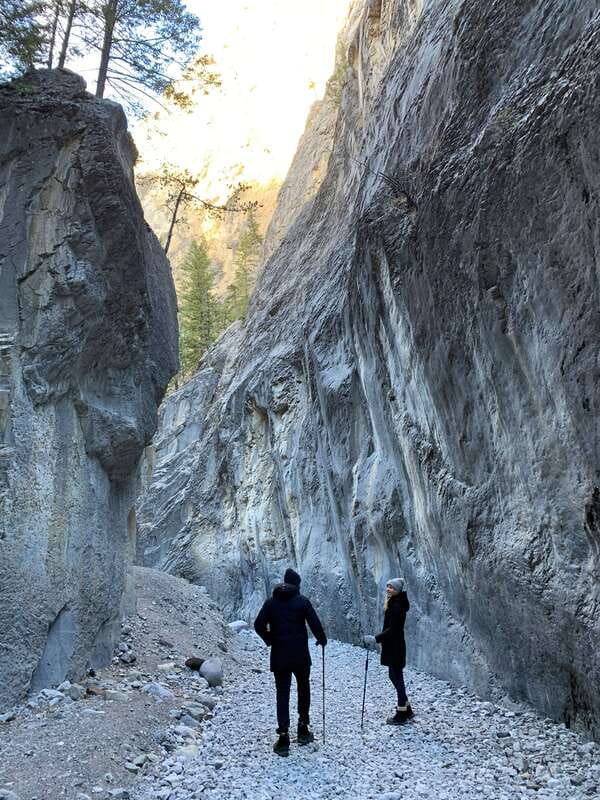
After the short transfer, you’re out into the Canadian Rockies area for about 2.5 hours of guided hiking. The pace is built for sightseeing and discussion, not speed. That’s a key point: if you like learning while you walk, this tour is structured for it.
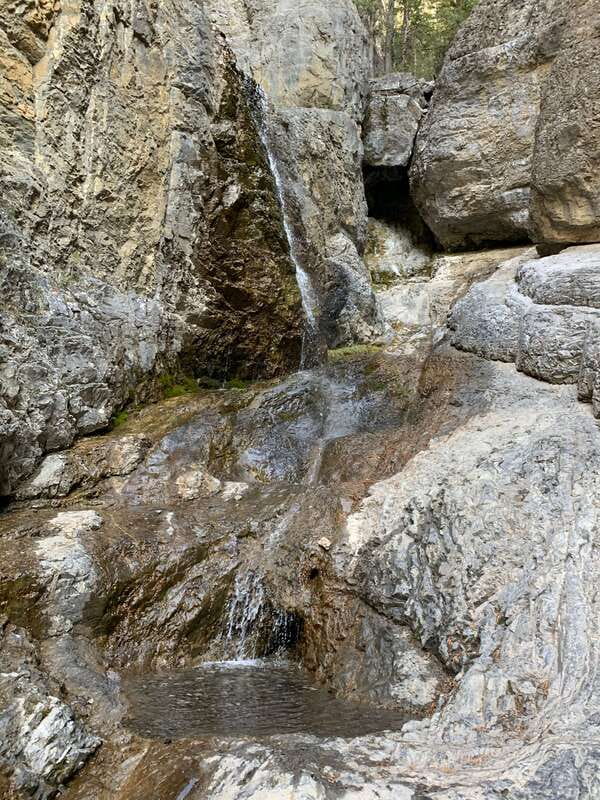
You’ll hit two waterfalls on the route, and you’ll get time to pause for photos. The stops aren’t just for snapping pictures, either. The guide frames what you’re seeing, including the geology and how the canyon was shaped over time. This makes the waterfalls feel like more than scenery—they become clues to how the place works.
The middle of the tour includes canyon walking and cave exploration. Caves can feel exciting, but they also demand attention to your footing and awareness around rock surfaces. The guide’s role here is huge: you’re moving through a natural setting that looks simple until you’re standing in it. Having someone who knows the area’s patterns keeps the experience smoother.
You’ll also be able to interact. Expect frequent opportunities to ask questions and get answers on the spot. One of the better parts of the whole experience is that the guide isn’t just talking at you—they’re keeping it conversational. Guides such as Ben are described as funny and personable, and that style usually helps you stay engaged rather than feeling like you’re on a lecture with boots.
Ancient Indigenous pictographs: what you’re actually looking at
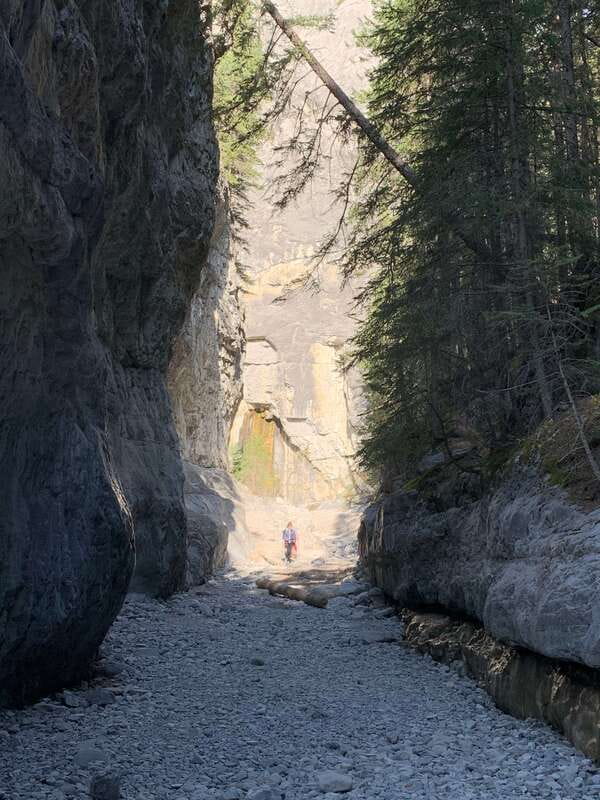
The most memorable part is the chance to see ancient Indigenous pictographs—the painted images found on canyon rock faces. This is where the tour earns its name. You’re not just walking through pretty terrain; you’re learning how to notice cultural storytelling embedded in the rock.
Your guide explains what these pictographs represent and why this region holds meaning for Indigenous peoples. The tour also ties pictographs to the larger story: geological formation, how the canyon formed, and how humans used the area long before modern maps and trail markers.
One thing you’ll likely appreciate is how the guide helps you connect art to everyday life. You may hear about traditional uses of local plants and animals—how people relied on the environment for sustenance, shelter, and medicine. Even if you’ve visited nature sites before, this adds a layer that makes the tour feel grounded, not just scenic.
If you love photography, this is your focus moment. Aim to look with intent: glance at the bigger rock wall first, then slow down for the details. The guide’s explanations help your eyes find the features you might otherwise miss.
Exploring canyons and caves safely: the gear and the guide’s job
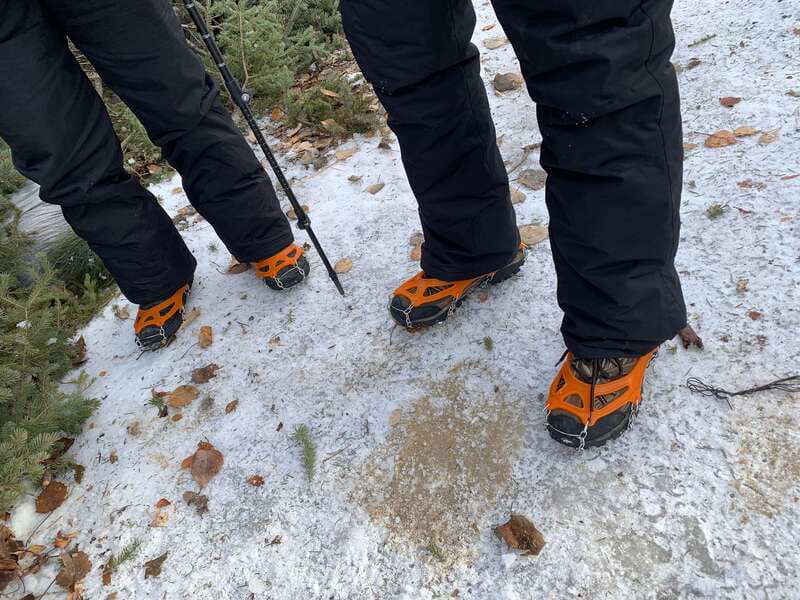
Safety is a real part of this tour design. The highlights call out that your guide carries bear spray and a first aid kit, which is exactly the kind of practical preparedness that matters in wild places.
You’ll also be given equipment that helps you move with more confidence. Hiking poles are supplied year-round. That’s helpful because canyon terrain and uneven ground can tax your knees and make balance harder than you expect—especially for anyone who doesn’t hike often. In winter, ice cleats are supplied, which can make a big difference on slick surfaces.
Here’s the other safety piece that’s easy to overlook: guidance through caves and canyon sections isn’t only about protection from hazards. It’s also about choosing the right route so you spend your time looking at pictographs and waterfalls instead of worrying the whole hike.
Guides have shown flexibility, too. If weather makes the canyon walk unsafe or unpleasant, your guide may suggest an alternate hike. That kind of adaptability helps keep the experience on track while still prioritizing your safety and comfort.
What you learn along the way: geology, plants, animals, and living in the place
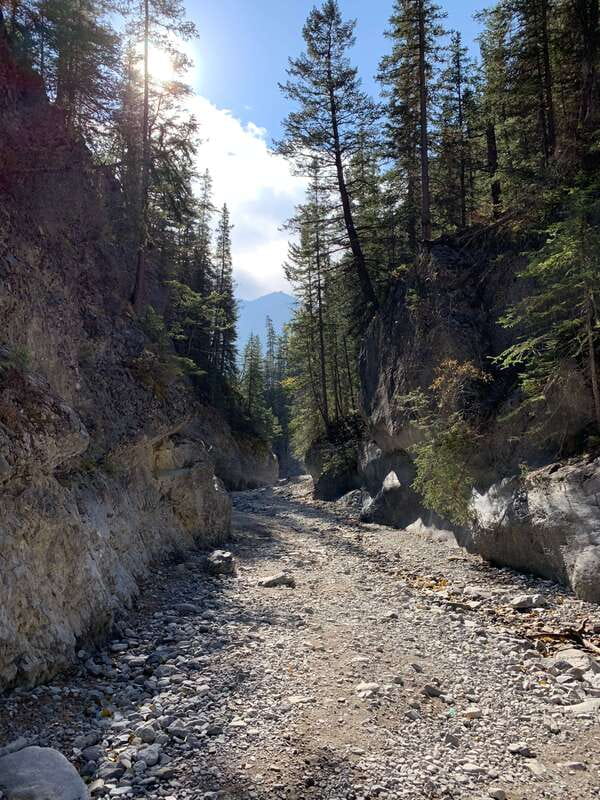
A big reason this tour is worth the money is that it doesn’t treat the canyon as a backdrop. The guide shares stories about how the region formed geologically, and why those forces created the rock formations you see along the way. When you later stop to look at the pictographs, you’ll understand the setting differently because the tour gives you a mental map of how the land came to look this way.
You’ll also learn about Indigenous connections to place, including traditional uses of local plants and animals. The tour format gives you time to ask questions during the walk, which is where this really becomes personal. If you’re curious about how people used what was around them—food, shelter, medicine—you’ll likely find the guide’s explanations match that curiosity.
This is also a tour that works well if you’re with mixed experience levels. One family-focused example from past groups highlights how Jacob customized a route to fit limited hiking experience while still showing the group beautiful trails. That kind of adjustment is a sign the guide understands that not everyone’s idea of a hike is the same.
Price and value: is $69 worth it for 3 hours in the Canmore area?
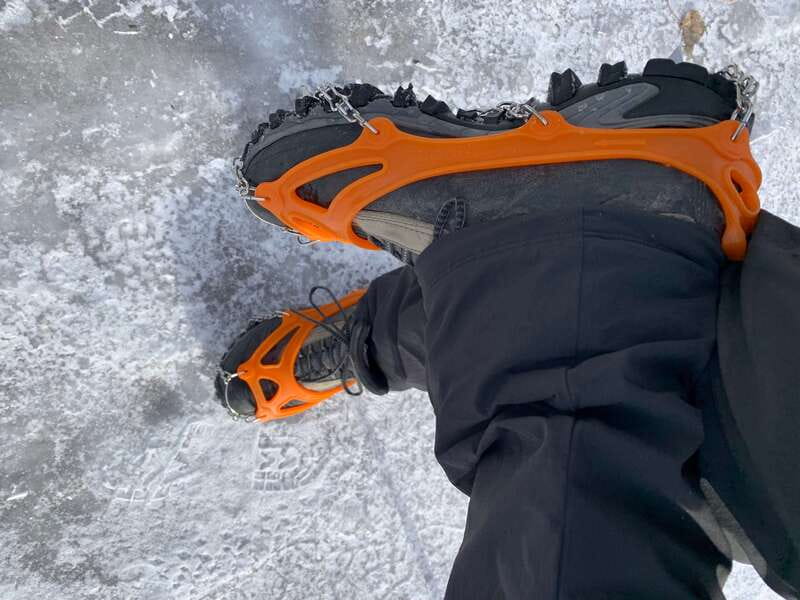
At $69 per person for a 3-hour experience, you’re paying for more than walking time. You’re getting a professional, certified guide, transfers to and from the meeting point, and included hiking gear like poles (plus ice cleats in winter). You’re also paying for safety support—bear spray and first aid gear—and for the kind of storytelling that turns a short hike into something you can actually talk about later.
What isn’t included is also important: food and drinks aren’t provided. Plan to bring water and a small snack if you need it. Since you only have a few hours, low energy can cut your enjoyment faster than bad weather.
In the value equation, the small group size (max 6) is the quieter win. Many hikes feel crowded, with rushed stops and little chance to ask real questions. Here, the structure supports a more relaxed pace and better interaction with the guide—especially during pictograph and cave stops.
Should you book this Ancient Pictographs Canyon Hiking Tour?
I think this tour is a great pick if you want a short, guided hike that combines waterfalls, caves, and Indigenous pictographs with safety gear and a guide who actually engages. It’s also a strong match if you like learning while you move, because the tour builds context from geology to cultural meaning and then puts you in front of the pictographs with a better sense of what you’re seeing.
Skip this tour if you need an accessible route or if your health situation makes canyon hiking inappropriate. The tour isn’t suitable for pregnant women, people with mobility impairments, or anyone with pre-existing medical conditions.
If you do book, come ready for uneven ground and bring layers. And pack your own water and snacks. With that, you’ll get a compact, meaningful hike that hits the highlights without dragging on all day.
FAQ
How much does the tour cost?
The price is $69 per person.
Where do I meet the guide?
Meet your guide outside the main doors of the Canmore Recreation Centre. The guide will have a black hat and clipboard.
What gear is included?
The tour includes hiking poles supplied year-around. Ice cleats are supplied only in winter.
What is the group size?
The tour runs with a maximum group size of 6.
Is food and drinks included?
No. Food and drinks are not included.
Is the tour guided in English?
Yes. The tour has a live guide in English.
What is the cancellation policy?
You can cancel up to 24 hours in advance for a full refund.