REVIEW · GRAN CANARIA
Hiking in the Sacred Mountains of Gran Canaria: UNESCO
Book on Viator →Operated by Mogán Verde · Bookable on Viator
A sacred crater hike beats a beach day. This UNESCO-listed walk in Gran Canaria centers on La Caldera de Tejeda, where pre-Hispanic sacred spaces are carved right into the rock. You’ll be moving through dramatic viewpoints and quiet corners of volcanic terrain for about 7 hours.
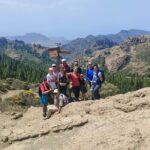
I like two things most. First, the small group format (max 8) makes it feel more like guided wandering than a cattle-call hike. Second, Sofie and Eulalia’s energy is real; they connect the walking route to what you’re actually seeing on the ground, including rock-cut caves with engravings and cave paintings.
One consideration: the route is 7 km with a 200 m climb and a 380 m descent. If you hate going downhill (or your knees complain easily), this is the part you’ll notice most—so plan footwear and pace accordingly.
In This Review
- Key highlights worth caring about
- Tejeda’s Sacred Crater: La Caldera de Tejeda in One Hike
- A 9:00 Start with Mogán Verde (and a small guiding team)
- Roque Nublo: The first viewpoint that grabs your attention
- Roque Bentayga: Another sacred rock, with a different feel
- Mesa de Acusa: Where the rock-cut story gets personal
- The 7 km route: Pace, elevation, and what to bring
- Price and value: Is $107.17 worth it?
- Who this hike suits best (and who should think twice)
- Should you book this UNESCO Sacred Mountains hike?
- FAQ
- FAQ
- How long is the hike?
- What distance and elevation should I expect?
- Is pickup included?
- What time does the tour start?
- How many people are in the group?
- What days and months does the tour run?
- Is the tour guided in English?
- Do I need moderate fitness?
- What if the weather is poor?
- Can I cancel for free?
Key highlights worth caring about
- Small group (max 8) keeps questions easy and the pace human.
- La Caldera de Tejeda is the core theme, with pre-Hispanic rock-cut sacred caves in view.
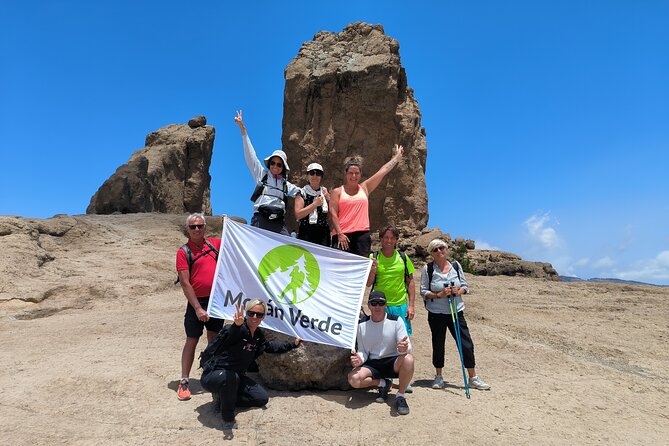
- Three major stops: Roque Nublo, Roque Bentayga, and Mesa de Acusa.
- 7 km route with steep-feeling descent (380 m) means trekking poles can help.
- Expect changing weather and dress in layers.
- Pickup offered reduces the usual “where do I meet?” headache.
Tejeda’s Sacred Crater: La Caldera de Tejeda in One Hike
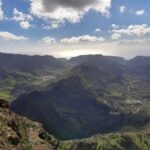
Gran Canaria isn’t just about beaches. This hike pulls you into the island’s inland “big geology” zone: La Caldera de Tejeda, one of the world’s largest collapse craters. Stand where the walk leads and you’ll understand why indigenous people treated this area as sacred—because it isn’t random scenery. The crater’s edges carry the fingerprints of pre-Hispanic life.
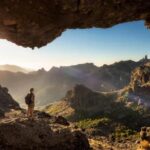
What I love is the way the tour frames the walking. You’re not just ticking off viewpoints. You’re learning how the sacred spaces connect to the rock itself: caves dug into the volcanic walls, decorated with engravings and cave paintings. Seeing those remnants isn’t like visiting a museum behind glass. It’s outdoors, exposed to wind and light, so the experience feels more immediate.
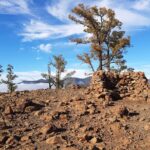
And yes, the colors of the rocks and soil can look intense out here. Even when the day is hazy, you still get strong contrast—dark stone, pale dust, and bright highlights that make the formations easier to read. That matters, because much of the beauty is visual pattern: shapes, edges, and lines created by the crater’s geometry.
If you only have a day to spend inland, this is a smart choice. In a single outing, you move through multiple “chapters” of the same sacred setting rather than wandering aimlessly.
You can also read our reviews of more tours and experiences in Gran Canaria.
A 9:00 Start with Mogán Verde (and a small guiding team)
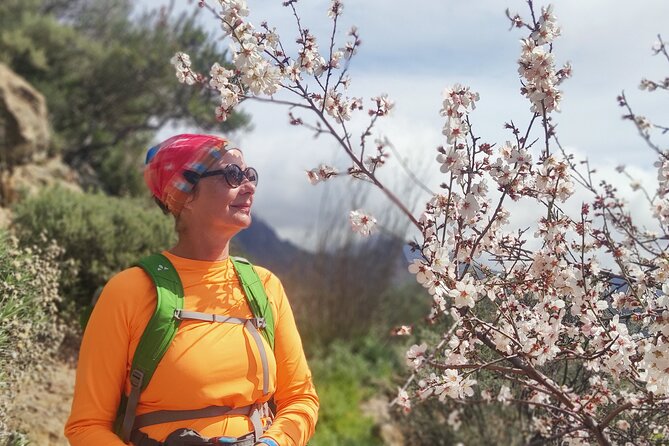
This is a guided hike run by Mogán Verde, and you’ll go with a maximum of 8 participants. For me, that’s the sweet spot. You can hear instructions, you can ask questions without shouting over a crowd, and the guide can keep track of the group’s pace.
The day starts at 9:00 am. Pickup is offered, but they’ll message you with the exact meeting time, so you’re not left guessing. If you hate early transfers or you’re not sure where to stand in a town center, pickup is a real quality-of-life upgrade.
Language-wise, the experience is offered in English and you’ll be using a mobile ticket. That’s helpful if you’re traveling light and don’t want paper tickets.
One more thing: timing matters here. The tour runs every Wednesday between October and May. That limited schedule is good if you’re traveling during those months, but it means you can’t just “book when you feel like it.” Check your calendar early.
Roque Nublo: The first viewpoint that grabs your attention
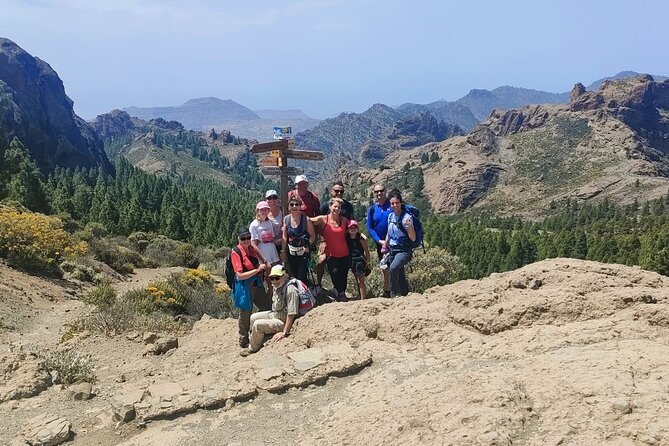
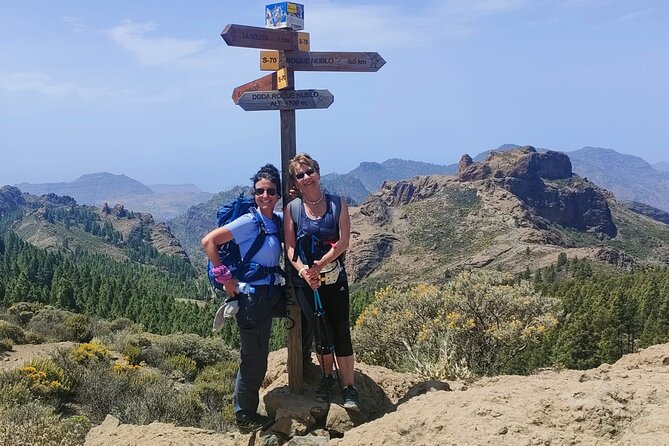
Your first stop is Roque Nublo, and this is where the day tends to click into place. It’s the kind of rock formation that’s hard to take in gradually. You spot it, you look around, and you realize you’re staring at a landmark that must have been meaningful long before modern hiking shoes existed.
As you approach, listen for what the guide points out. The tour is built around sacred context, so you’ll get explanations that tie the rock formation to the larger story of the crater and pre-Hispanic beliefs. That turns a photo stop into a “wait, I get it now” moment.
What to watch for here:
- Your footing. Even when trails are not extreme, volcanic ground can be uneven.
- Your timing. If weather shifts, visibility can change fast on open ridges.
The best way to enjoy Roque Nublo is simple: don’t sprint. Let your eyes do the work. From different angles, the formation reads differently, and you’ll notice how the terrain funnels you toward certain lines of sight.
Roque Bentayga: Another sacred rock, with a different feel
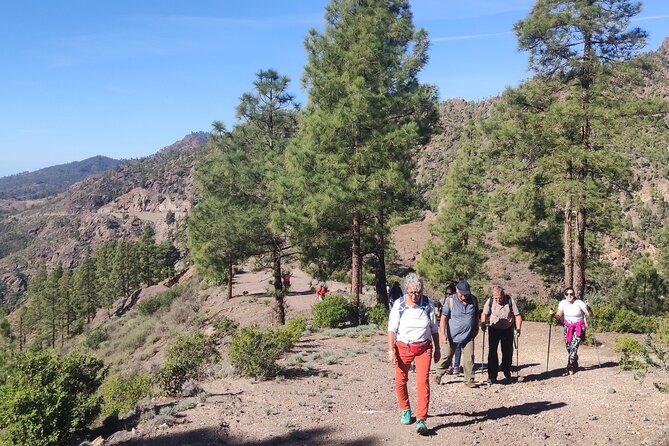
Next comes Roque Bentayga, another standout formation. If Roque Nublo feels like a statement, Bentayga tends to feel like a continuation—same volcanic language, new punctuation.
This stop is valuable because it reduces the chance you’ll treat the day as one long “wow, rocks.” Instead, you’re comparing. The guide can help you notice how each major rock point fits into the wider sacred setting of La Caldera de Tejeda.
Also, this is where the benefits of a small group show up again. When people are in a tight cluster, it’s easier for the guide to manage timing and group spacing so you can actually see what’s in front of you, not just the backs of others.
A practical note: because weather can change quickly in the mountains, bring layers you can put on fast. You might start with mild air and end up needing a warmer layer as wind picks up. One review specifically noted rapidly shifting weather, and that matches what this kind of hike can feel like.
Mesa de Acusa: Where the rock-cut story gets personal
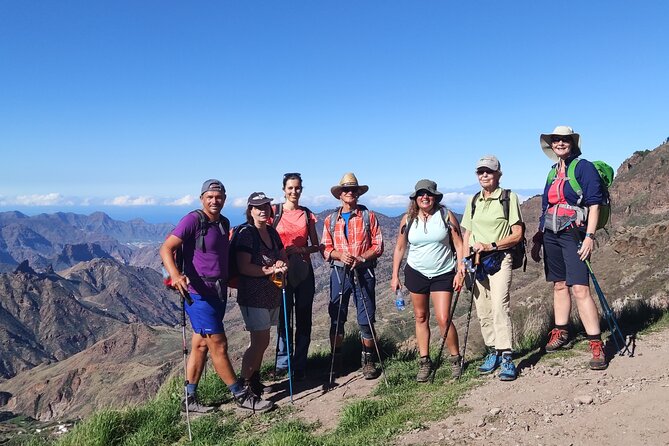
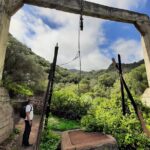
The final named stop is Mesa de Acusa. This is often the part where people feel the day connect: you’re no longer moving only between big rocks. You’re in the part of the experience that ties directly to the caves and carved sacred spaces described in the tour overview.
Remember the theme: caves dug into the rock, with engravings and cave paintings still visible. You’ll be walking in an area where those remnants matter, and the guide’s job is to help you look at the setting like it’s an outdoor archive rather than a random hiking route.
Mesa de Acusa also tends to be where you think about scale. A mesa can make you realize how wide and layered the crater terrain is. You’re not just seeing one point. You’re getting an understanding of the larger “bowl” of the landscape, and how humans would have interpreted it.
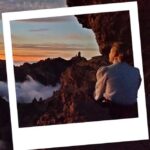
If it’s foggy or windy, you might not see everything perfectly. That’s okay. What you can control is your pace and your attention. When conditions change, the story can still land—you’ll just read it through light and shadow instead of crisp distances.
The 7 km route: Pace, elevation, and what to bring
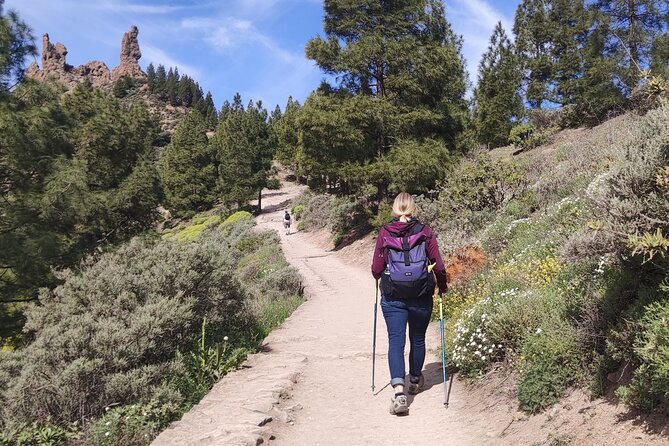
The tour distance is 7 km, with 200 m ascent and 380 m descent. Even if the total distance sounds short, the descent can feel heavier than you expect. Downhill puts extra stress on legs, and it’s why trekking poles can be a quiet lifesaver.
Here’s how I’d plan your energy for this route:
- Expect more “work” on the way down than the numbers might suggest.
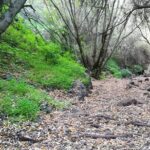
- Keep your steps short on uneven volcanic ground.
- Build in tiny breaks. With a max of 8 people, you’re more likely to be able to pause when you need to without the group losing momentum.
Fitness-wise, the tour calls for moderate physical fitness. That’s honest. You don’t need to be an athlete, but you should be comfortable hiking on mixed terrain for several hours.
What to bring (practical, not fancy):
- Sturdy shoes you trust on uneven ground.
- Layers. Weather can shift, and you don’t want to be stuck cold or sweaty.
- Water and a snack for the middle of the day.
- Optional: trekking poles for the descent.
Timing note: the hike is about 7 hours. Plan your day around it, especially if you want dinner with a proper seat rather than a quick grab-and-go.
Price and value: Is $107.17 worth it?
At $107.17 per person for roughly 7 hours, the price looks “reasonable” rather than bargain-bin. But value comes from what you’re getting, not just the number.
Here’s what makes it feel worth it:
- Small group size (max 8), which usually means more guide attention and less waiting.
- Pickup offered, which saves time and hassle compared with DIY meeting points.
- English-guided experience tied to a specific UNESCO-linked sacred area.
- The route hits multiple major stops—Roque Nublo, Roque Bentayga, and Mesa de Acusa—so you’re not spending half the day transferring.
Also, the tour requires good weather. If conditions are poor, you’ll be offered a different date or a full refund. That matters because hiking in the wrong weather isn’t “bad luck”—it changes the whole experience. You want visibility and stable trail conditions when the day is built around rock formations and carved places.
Bottom line: if you want one guided inland outing with serious payoff and not too many people, this price fits the format.
Who this hike suits best (and who should think twice)
This is a great fit for:
- People who want more than postcard viewpoints and like learning what they’re seeing.
- Anyone who enjoys walking outdoors at a steady pace with a guide leading the story.
- Travelers who prefer a small group and don’t want to shout to be heard.
Think twice if:
- Your knees hate downhill. With 380 m descent, you need either good strength or smart pacing.
- You’re only comfortable on perfectly flat surfaces. Terrain here can be uneven.
- You can’t travel on a Wednesday between October and May, since the schedule is fixed.
If you’re on the fence, consider your footwear and your willingness to use trekking poles. Those two choices can turn a stressful descent into a manageable one.
Should you book this UNESCO Sacred Mountains hike?
I’d book it if you want a guided day that connects big natural features to pre-Hispanic sacred spaces in a place that feels intensely “of the island.” The small group format and the guide team’s enthusiasm—especially Sofie’s energy and the way she brings the area to life—are exactly what make this hike more than a route on a map.
Skip it only if downhill is a deal-breaker for you, or if your trip dates don’t match the Wednesday schedule between October and May. If you can meet those basics, this is one of the better ways to spend a day in Gran Canaria’s interior.
FAQ
FAQ
How long is the hike?
It runs for about 7 hours.
What distance and elevation should I expect?
The route is 7 km, with 200 m ascent and 380 m descent.
Is pickup included?
Pickup is offered. You’ll receive a message with the exact meeting time.
What time does the tour start?
Start time is 9:00 am.
How many people are in the group?
The group size is limited to a maximum of 8 travelers.
What days and months does the tour run?
It runs every Wednesday between October and May.
Is the tour guided in English?
Yes, it is offered in English.
Do I need moderate fitness?
Yes. The tour is for people with moderate physical fitness.
What if the weather is poor?
The experience requires good weather. If it’s canceled due to poor weather, you’ll be offered a different date or a full refund.
Can I cancel for free?
Yes. You can cancel up to 24 hours in advance for a full refund.