REVIEW · GRAN CANARIA
Hiking experience in the north of Gran Canaria
Book on Viator →Bookable on Viator
Gran Canaria north hits different. This hike builds the day around a weather-smart route, so you get the best walking plan for that day’s conditions, plus the island’s gorges, caves, beaches, and crater country in one trip.
I especially like the small group size (up to 8 people), which keeps the pace friendly and lets the guide actually talk. I also love that the route can change with seasonal plant life, so spring blooms and other seasonal details help shape where you walk.
One thing to plan carefully: pickup coverage is limited, and the displayed 9:00 AM time is not your pickup time, so you’ll want to check your confirmation message.
In This Review
- Key things to know before you go
- Why the north of Gran Canaria feels like a different island
- Pickup and the 9:00 AM rule (read this once, save yourself hassle)
- Small group hikes are worth it here
- Weather-led route planning: how it changes what you see
- Starting near Maspalomas: getting oriented before the north
- What you’ll walk through: gorges, caves, beaches, and craters
- Pace, fitness level, and why the shoe rule is strict
- What to wear by season: April to September vs October to March
- Lunch, breaks, and how the day handles logistics
- Value check: why $84.11 can be a good deal
- Best for whom: who will love this hike most
- Should you book this north Gran Canaria hike?
- FAQ
- What is the duration of the hike?
- How far in advance is this usually booked?
- Is pickup available?
- What time should I show up?
- Are trekking shoes required?
- What fitness level do I need?
- Is lunch included?
- Is this hike available during July and August?
- When rainfall is likely, what should I pack?
Key things to know before you go
- Small group (max 8): easier conversation, less waiting, more guide attention.
- Daily route choice: the guide adjusts the walk based on weather and even what’s blooming.
- North Gran Canaria contrast: expect a cooler, wilder feel than the main resort areas.
- Flora and fauna focus: the guide shares lots about plants and wildlife, with good humor.
- Comfort-first rules: sports or trekking shoes with grip are mandatory and checked before you start.
- Lunch flexibility: restaurant lunch can switch to a picnic depending on the weekly route logistics.
Why the north of Gran Canaria feels like a different island
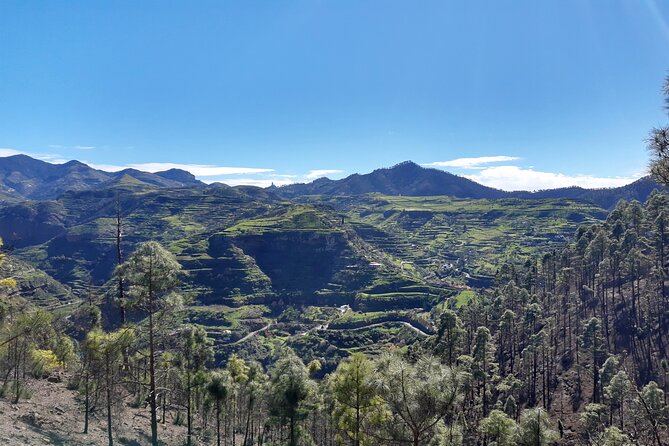
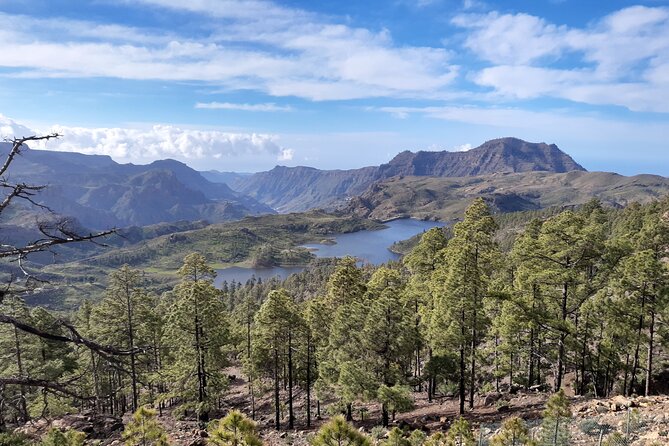
The best part of this hike is how the plan is built for the day. Gran Canaria can swing between warm resort areas and cooler, more rugged north terrain. Here, the guide chooses the route based on the weather in the specific region and season, so you’re not stuck with a single fixed path that may be too hot, too windy, or otherwise uncomfortable.
The result is a day that feels varied even when you stay in one part of the island. You’re walking through a Macaronesia-style world of natural wealth, where gorges, caves, beaches, and crater views can show up in different combinations depending on conditions. If you’ve already seen the big postcard sights, this is a strong way to add something more local and more “walkable” to your trip.
You can also read our reviews of more tours and experiences in Gran Canaria.
Pickup and the 9:00 AM rule (read this once, save yourself hassle)
This is a pickup-included tour, but not for every area. Pickup is offered from specific places like Meloneras, International field, Sonnenland, Playa del Ingles, San Agustin, and Bahia Feliz. There is no pick-up option from Las Palmas de Gran Canaria (north of the island) and also not from several south-side resort zones like Puerto de Mogán, Taurito, Playa del Cura, Puerto Rico, and Arguineguín.
Also, don’t trust the automatically displayed 9:00 AM time. The start time shown is not your pickup time. Your real pickup time is sent the evening before, via email or text notification. If you plan to be on time, build in buffer time for that message to be accurate and for drivers to run a few minutes late.
Small group hikes are worth it here
With a maximum of 8 travelers, this isn’t a cattle-car hike. You’ll feel that in how the day moves. Small groups mean:
- you can hear the guide’s explanations more easily
- you can ask quick questions when you spot interesting plants or terrain
- there’s less crowd pressure when the route gets narrow or uneven
In the feedback for this hike, the guide’s experience comes up again and again, along with a fun, easy vibe. That matters because on a full-day hike, the difference between a guide who rushes and one who slows at the right moments is huge.
And because the route is adjusted by weather, small-group control helps the guide keep the day enjoyable instead of “survival mode.”
Weather-led route planning: how it changes what you see
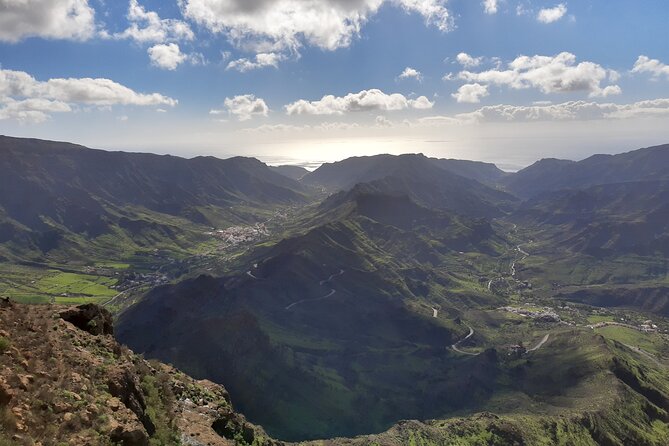
This hike uses a weather-and-season approach rather than a one-size-fits-all trail. The guide chooses the best route in north Gran Canaria based on the day’s weather and local factors. They also consider things like flora in bloom, which is why the scenery you get isn’t just about geography—it’s about timing.
That approach is smart for you as the traveler. It means:
- you’re more likely to hit nicer conditions on the trail
- you’re more likely to see plants at their most interesting stage
- you’re less likely to feel like you wasted the day on a route that’s miserable in the wind or heat
There’s a practical trade-off: because the route is chosen “for the day,” your exact walk may vary from what someone else did on a different date. The upside is that the guide is doing the decision-making for you, which is usually the hardest part when hiking on an island with changing microclimates.
Starting near Maspalomas: getting oriented before the north
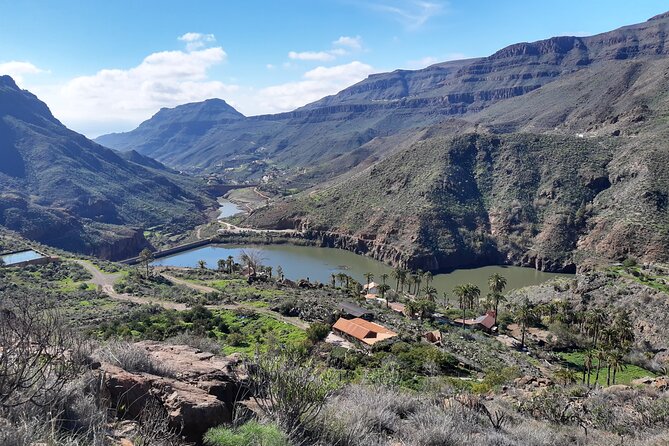
The day kicks off with a first stop around Maspalomas. If you’re staying in the south (or even if you aren’t), this is a familiar starting point that makes pickup and regrouping easier. Then the real point of the trip kicks in: heading toward north areas where the island’s mood changes.
Think of that opening stretch as your “warm-up to the theme.” You’re setting your expectations for contrast: the south is often drier and more resort-shaped; the north can feel cooler and more rugged, with terrain that seems built for walking—gorges, cave-like scenery, and ocean-adjacent nature patterns.
What you’ll walk through: gorges, caves, beaches, and craters
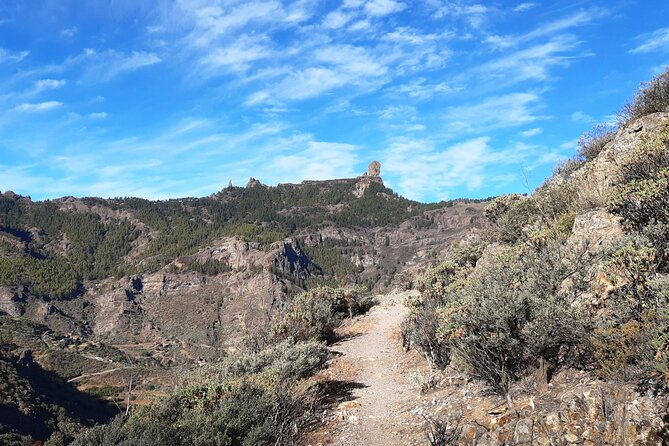
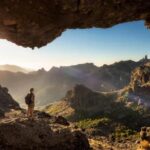
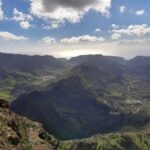
The day is designed as a route-of-the-week style experience, and the promise is big: gorges, beaches, caves, and craters around the island. You might not see every single type in one outing, but you’re getting a mix of what makes Gran Canaria feel so complete.
Here’s what that mix means in real walking terms:
Gorges and rugged paths
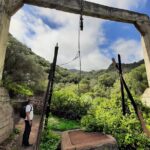
Gorges tend to create microclimates—cooler air, shifting light, and terrain changes. Even if you’re not hiking through anything dangerous, the ground can be uneven, so you’ll want steady footing.
Caves and rock formations
Caves aren’t just “cool to look at.” They often shape wind flow and shade, which can make one portion of the hike feel dramatically different than the next. That’s a big part of why weather-led route selection matters.
Beaches (when the day lines up)
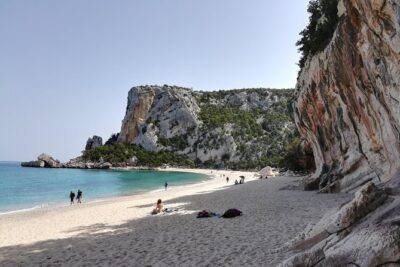
Seeing the coast from a walking route is a treat because you get more angles than from a road viewpoint. If you land near coastal scenery, you’ll likely feel the contrast immediately—mountain air meeting ocean air.
Crater country
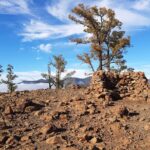
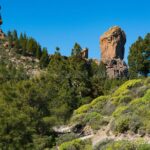
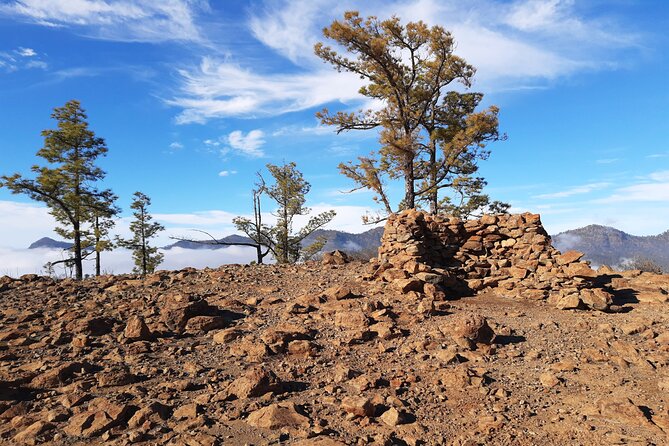
Gran Canaria’s volcanic character shows up in places where the terrain looks sculpted rather than flat. The crater element is one of the most memorable parts of the island, and it’s exactly the kind of sight a good guide can frame with context so it feels more than just scenery.
Pace, fitness level, and why the shoe rule is strict
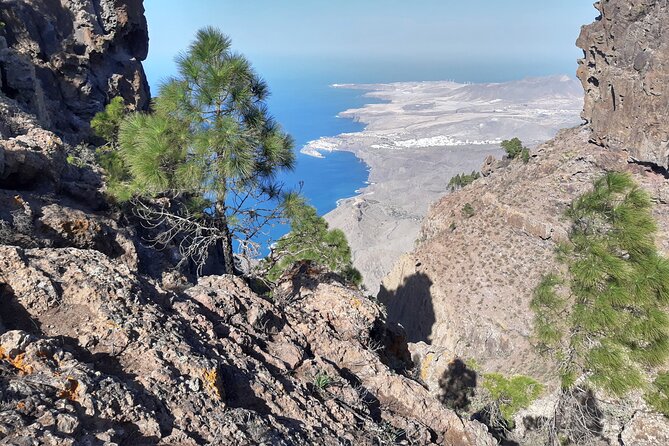
This is aimed at people with moderate physical fitness. That’s a useful description because it tells you this won’t be a stroller-style stroll, but it also isn’t marketed as an extreme mountaineering challenge.
The big “make or break” detail is shoes. Sports or trekking shoes with good grip are mandatory, and the guide checks them before you begin. That rule isn’t overkill. Northern trails can be slippery, rocky, or just uneven enough that the wrong sole turns a pleasant hike into a stressful one.
In terms of what to wear, plan for layers. Even in warmer months, you’ll want clothes that let you adjust as temperature and wind change. The tour guidance specifically suggests mountain clothing or sports clothing, and long-sleeved options are recommended.
What to wear by season: April to September vs October to March
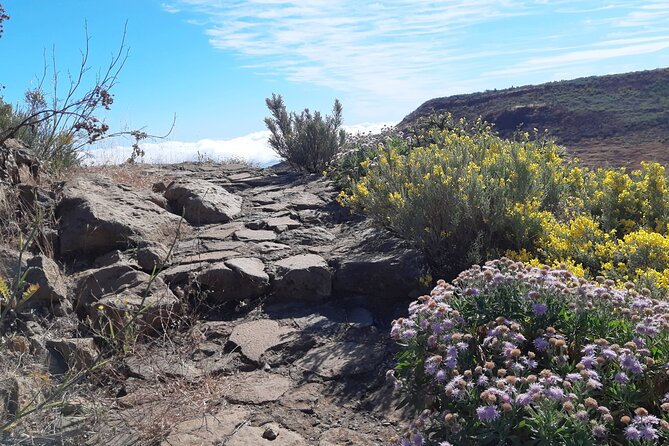
Gran Canaria’s weather isn’t one simple story. The hike’s guidance breaks it down in a way that’s actually helpful for packing.
From April to September, rainfall is typically low. Even at higher mountain elevations, temperatures are around 22°C, and in June, July, and August it can reach up to 26°C. That means you can often do fine in a T-shirt, but it’s still smart to bring long-sleeved clothing because sun and wind can swing how you feel on exposed sections.
From October to March, rains are more frequent. The guidance recommends warm clothing with long sleeves and pants, plus a waterproof jacket that works as a windbreaker. That’s practical: in wet, windy conditions, you don’t just need rain protection—you need to stop cold drafts from draining your energy.
If you’re the type who hates carrying a jacket all day, this is still the case where it’s worth bringing. The weather can surprise you, and a jacket can save you from an unpleasant hike.
Lunch, breaks, and how the day handles logistics
This is a full-day hike at about 9 hours, so food and breaks matter. The plan includes a restaurant lunch option during excursions. But during a weekly route, lunch in the restaurant may be replaced by a picnic due to logistical reasons.
That picnic isn’t just random snacks. You’re looking at a mix like sandwiches, an energy bar, fruit, plus a 1.0L bottle of water. It’s a sensible swap when the day’s timing changes or when the route needs flexibility.
So if you’re deciding what to bring, think “comfort + hydration.” The picnic includes a bottle, but it doesn’t mean you should ignore the rest of the day. With a long hike, you’ll feel better if you’re prepared to drink regularly during breaks and transitions.
Value check: why $84.11 can be a good deal
$84.11 per person for roughly 9 hours can sound like a “tour tax,” but in this case it’s tied to real work: route planning, managing a small group, and adjusting the day to weather conditions and seasonal factors. That’s not something you get if you self-navigate a hike.
You’re also getting pickup offered (where available), plus a mobile ticket, and English-speaking guidance. The small maximum group size is part of the value too, because it keeps the experience from turning into a loud, rushed conga line.
The other value piece is safety and confidence. The shoe-check rule and moderate fitness focus show that the day is managed for real hiking conditions. And if weather forces a change or cancellation, the policy is built to either offer a different date or provide a full refund.
So if you want a north Gran Canaria hike that feels designed—not just assembled—this is one of the more reasonable options.
Best for whom: who will love this hike most
You’ll likely enjoy this most if you:
- want north Gran Canaria scenery without needing to plan the exact route
- enjoy guides who talk about the natural details, not just where to step next
- are comfortable with moderate fitness demands and long walking hours
- care about seeing a seasonal slice of plant life as part of the route
It may be less ideal if you want a fixed itinerary with no day-to-day variation. Since the guide adjusts the route based on weather, your exact sights and path may not match someone else’s experience on another date.
Also note that there’s a seasonal schedule change: from 1 July to 31 August, hiking trips are not organized. If your trip falls in those months, you’ll need an alternative plan.
Should you book this north Gran Canaria hike?
I’d book it if you want a guided way to experience the north side’s contrast—cooler, wilder, and more “in motion” than resort sightseeing. The strong draw is the route choice that adapts to weather and seasonal conditions, plus the small group size and an experienced guide who adds real information about flora and fauna.
I’d hesitate if pickup limitations affect you. If you’re staying outside the pickup zones, you’ll need to plan your meeting point with care. And if you’re sensitive to rainier conditions, October to March will require better clothing preparation than you might assume from a sunny forecast.
FAQ
What is the duration of the hike?
The hike runs about 9 hours.
How far in advance is this usually booked?
On average, it’s booked about 13 days in advance.
Is pickup available?
Yes, pickup is offered, but only from certain areas. There is no pickup from Las Palmas de Gran Canaria (north of the island) and from several south-side zones including Puerto de Mogán, Taurito, Playa del Cura, Puerto Rico, and Arguineguin.
What time should I show up?
The start time is 9:00 AM, but the pickup time may be earlier. Your exact pickup time is sent the evening before, and the displayed 9:00 AM time is not necessarily your pickup time.
Are trekking shoes required?
Yes. Sports or trekking shoes with good grip are mandatory, and the guide checks them before the excursion starts.
What fitness level do I need?
The tour is for travelers with moderate physical fitness.
Is lunch included?
Lunch is typically available in a restaurant the operator offers, but during the weekly route it may be replaced by a picnic (sandwich, energy bar, fruit, and a 1.0L bottle of water).
Is this hike available during July and August?
No. Hiking trips are not organized from 1 July to 31 August.
When rainfall is likely, what should I pack?
From October to March, more frequent rains are expected. You should bring warm long-sleeved clothing and a waterproof jacket that can also work as a windbreaker.
If you tell me where you’re staying (and roughly which month), I can help you sanity-check the pickup fit and what clothing strategy makes the most sense for your date.