REVIEW · GRAN CANARIA
Las Palmas: Sunset & Night Sky Guided Astronomy Hiking Tour
Book on GetYourGuide →Operated by RockNatour · Bookable on GetYourGuide
Gran Canaria looks totally different after dark. This guided astronomy hike pairs a sunset trek with hands-on star spotting in the mountains. I especially like the mix of culture talk and science basics, and I also love that you practice seeing the Milky Way without needing a telescope. One thing to consider: you’ll need your own car, since the meeting area is in zones where public transport doesn’t work.
You start in the island’s rugged interior, walk part of the famous Camino de Santiago de Gran Canaria, and reach the Ventana del Nublo area in Tejeda for sunset views toward Roque Nublo and Teide. After the sky darkens, the guide helps you identify constellations, planets, and what you’re seeing for yourself. The overall experience runs about 3 hours in a small group capped at 10.
In This Review
- Key Highlights You Should Expect
- Why Gran Canaria’s Night Sky Feels Worth the Hike
- Getting to the Start: The Car Requirement Matters
- The Sunset Trek on the Camino to Ventana del Nublo
- What to consider during the hike
- From Day to Night: Learning to Read the Sky
- Why the “no telescope” choice can be a good thing
- Snacks, Hot Drinks, Hammock, and Blanket Comfort
- The Guide Experience: English, Small Group, and a Real Teaching Style
- Price and Value: Is $68 Reasonable for This Combo?
- Timing and Pace: How 3 Hours Usually Works
- Weather and Meeting Point Adjustments
- Who This Tour Fits Best (and Who Might Skip It)
- Should You Book the Las Palmas Sunset & Night Sky Astronomy Hike?
- FAQ
- What’s the duration of the tour?
- What’s included in the astronomy part?
- Are telescopes provided?
- Is the tour offered in English?
- How large is the group?
- Do I need a car to get to the meeting point?
- Where do we meet?
- Does the tour include snacks and drinks?
- What should I bring?
- Can the schedule change because of weather?
Key Highlights You Should Expect
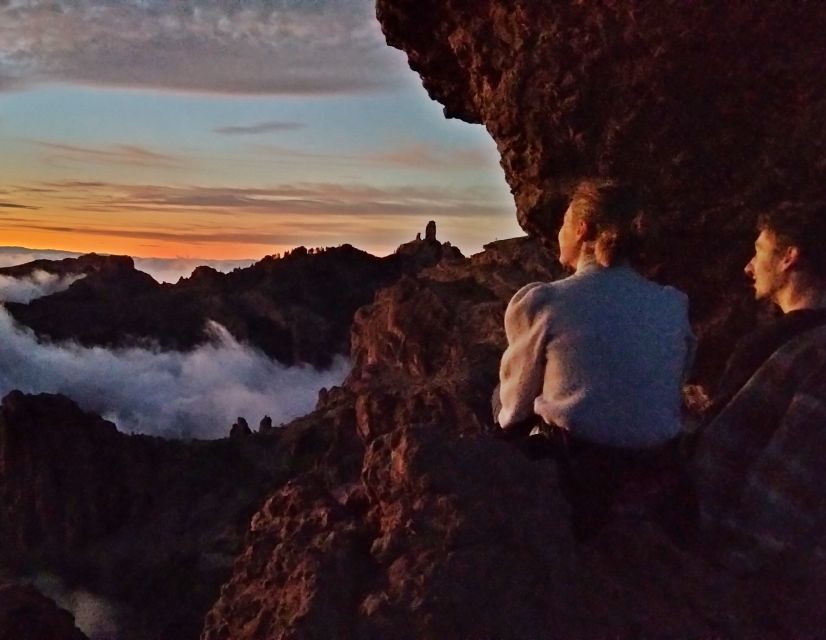
- Sunset at Ventana del Nublo with views toward Roque Nublo and Teide
- Camino de Santiago de Gran Canaria hiking route, with a day-to-night change you can feel
- Astronomy basics taught with a screen plus real-time pointing in the sky
- Binoculars included, while telescopes are not used
- Snacks, hot drinks, hammock, and blanket to keep you comfortable in the dark
- Small group size (10 people) for better Q&A and a calmer pace
Why Gran Canaria’s Night Sky Feels Worth the Hike
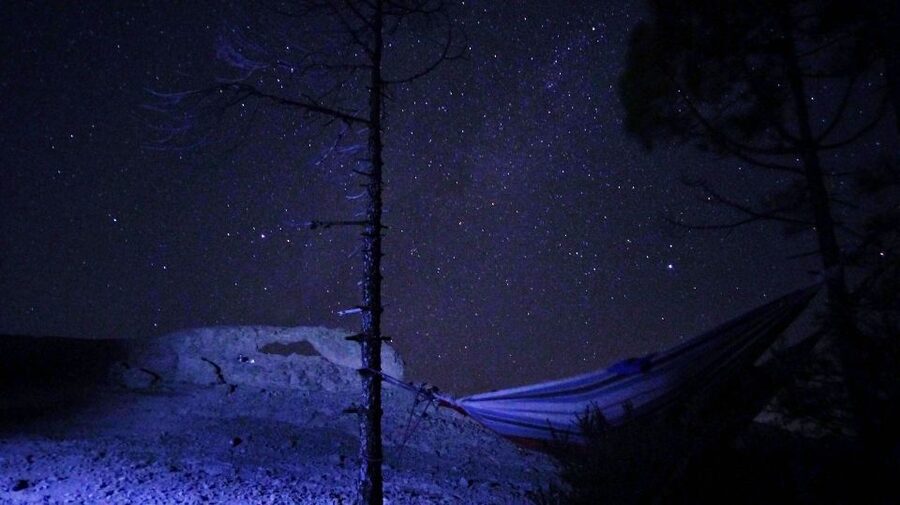
If you’ve only seen the stars in city parks or dark-drive pullouts, this tour is a different kind of experience. Gran Canaria’s interior air and the open sky around Tejeda make it much easier to notice patterns and brightness changes as night settles in.
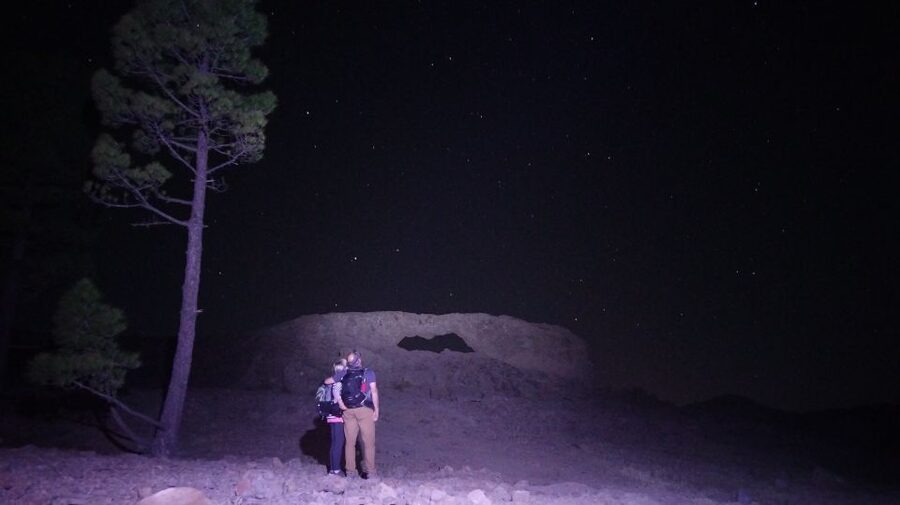
The best part is that the night-sky portion isn’t just a lecture. You’re walking through the forest as the light fades, then stopping at a viewpoint where the sky opens up and the Milky Way becomes something you can actually follow along with. That combination makes the astronomy lesson feel practical, not abstract.
You can also read our reviews of more tours and experiences in Gran Canaria.
Getting to the Start: The Car Requirement Matters
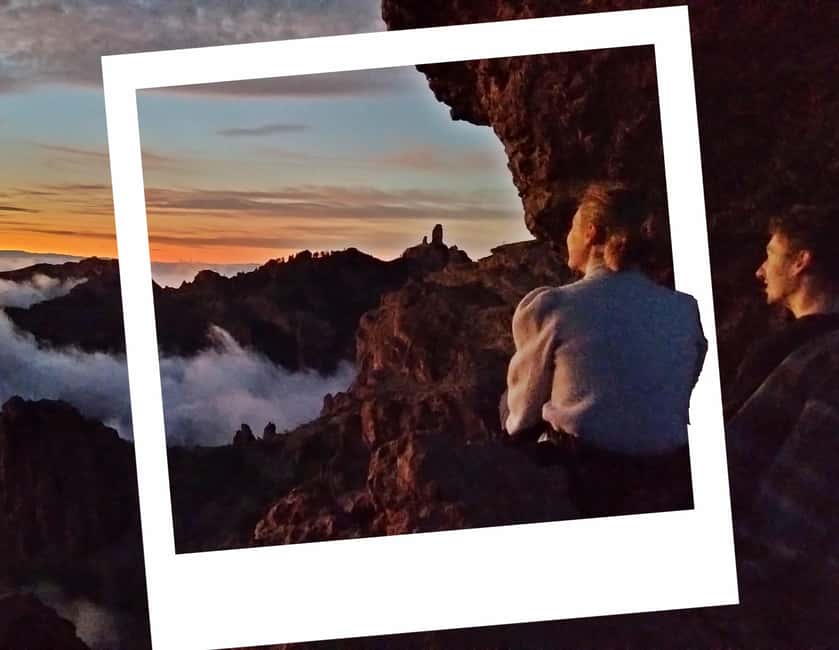
This is not a pickup-from-town kind of tour. You meet at the campground area in the island’s interior, and you can park there. The tour also notes that you need your own car because public transport doesn’t work in these zones.
That’s the one logistics piece you should take seriously, because it affects stress level. If you’re staying near Las Palmas or another coastal area, plan for driving time up into the mountains. If you hate last-minute driving, do yourself a favor and build extra buffer before the scheduled start.
Also keep in mind that the provider may adjust the date or meeting point depending on weather conditions to chase the best night-sky visibility. That flexibility can be a positive, but it’s another reason to arrive ready to adapt.
The Sunset Trek on the Camino to Ventana del Nublo
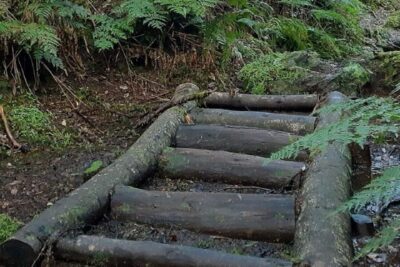
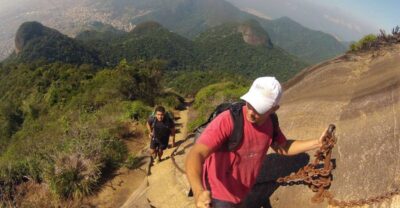
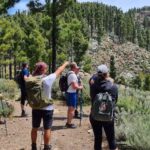
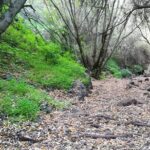
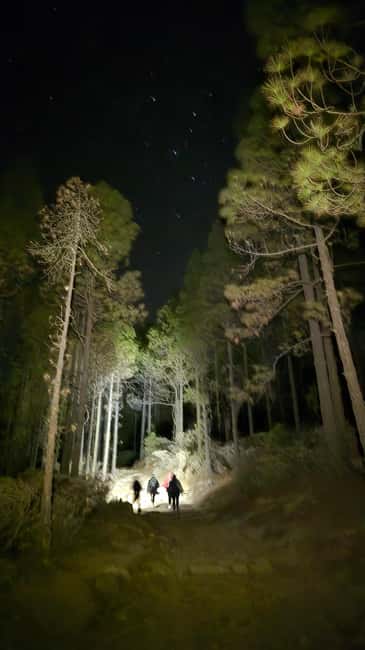
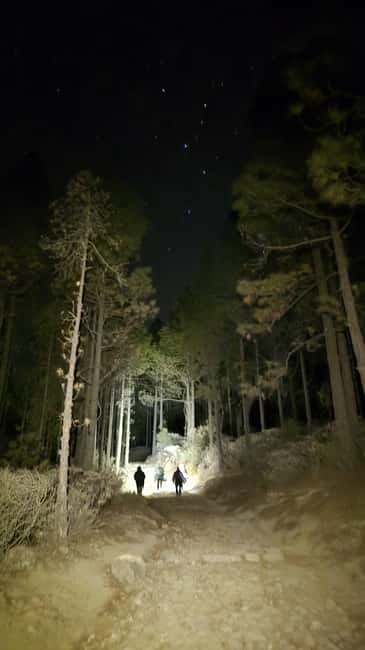
You begin at the campground meeting area and then head out on a trek along the Camino de Santiago de Gran Canaria, one of the island’s most famous walking routes. The route takes you through local terrain and forest sections where the day-to-night transition is part of the fun.
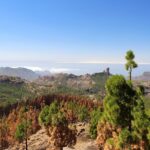
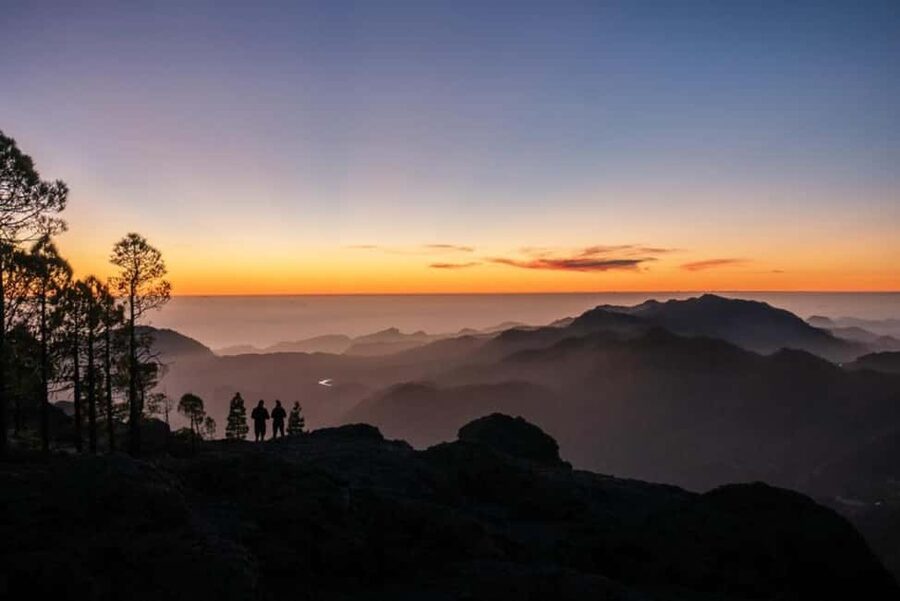
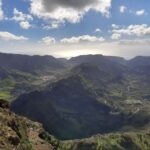
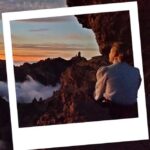
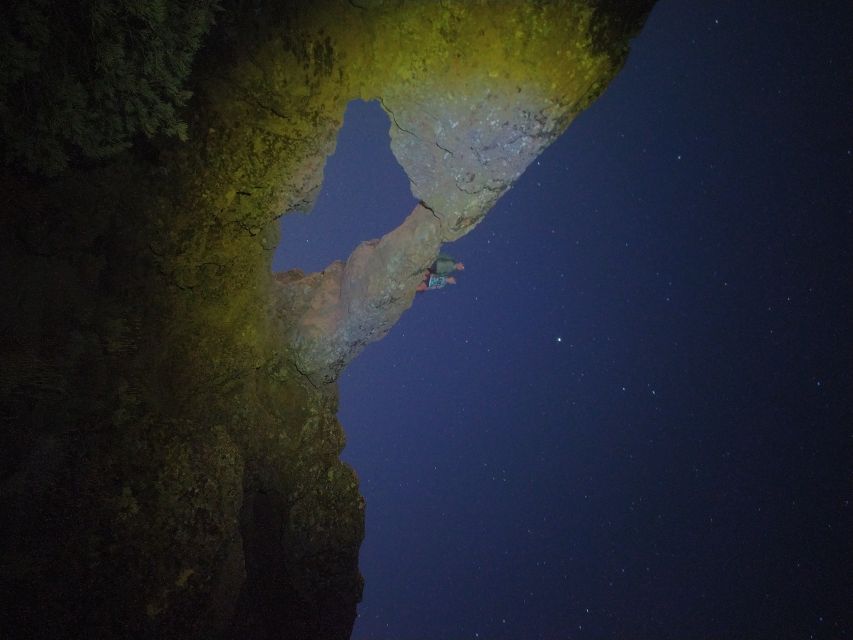
You’re working toward Tejeda’s iconic viewpoint: Ventana del Nublo. The plan is to reach the area to watch the sunset, with sightlines toward Roque Nublo and Teide while the guide brings in context about canary culture. Even if you’re not a “culture tour” person, this is the kind of storytelling that helps you understand the place you’re standing in, not just the sky above it.
What makes the walk satisfying is that you’re not only climbing toward a photo. The hike sets the stage for the teaching moment. You watch the world darken in front of you, and then the stars arrive at a pace that feels natural.
What to consider during the hike
Bring hiking shoes and warm clothing. Even in a mild island climate, you’re out for about three hours and the temperature can drop as night sets in. The tour includes light for the group, but you’ll still want proper footing since you’re walking in the dark.
From Day to Night: Learning to Read the Sky
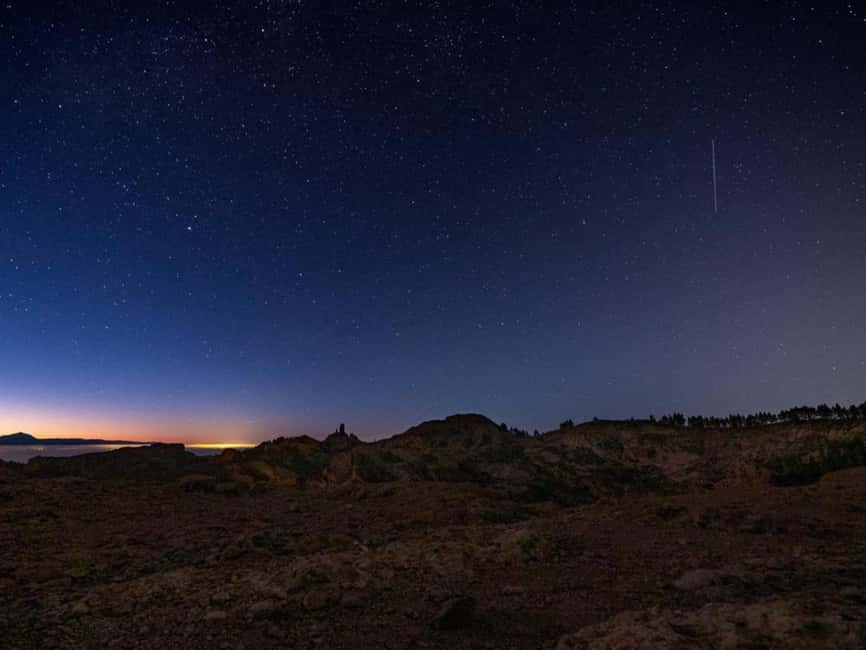
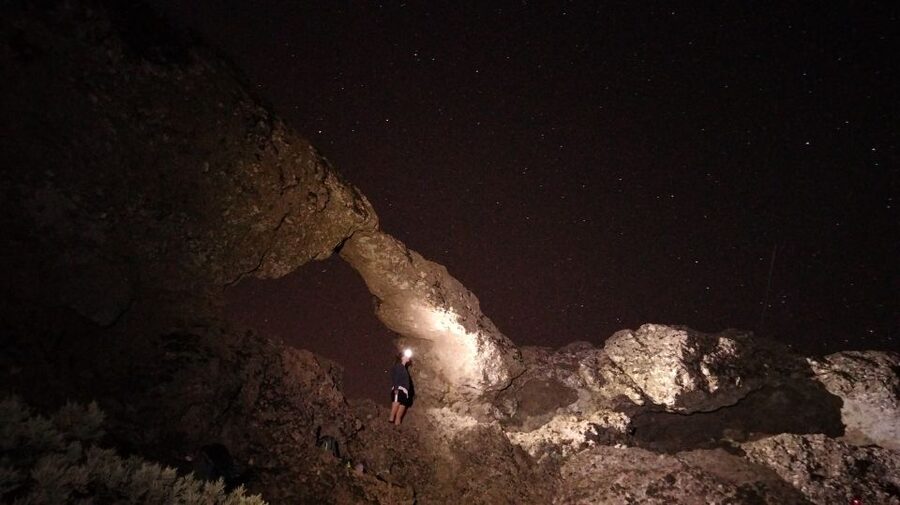
Once the sun sets, the tour shifts from viewpoint to astronomy class—with movement and sky watching happening at the same time. The guide uses a screen for explaining concepts, then takes what you learn and turns it into live star identification.
You’ll practice identifying:
- Constellations
- Planets
- The Milky Way
The tour’s approach is basic-then-useful. Instead of overwhelming you with details, it focuses on how to interpret what you see so you can keep spotting it later, even without a telescope and even with whatever you have on hand. That’s a big value point for a lot of people, because the real win is leaving with skills, not just a snapshot.
Why the “no telescope” choice can be a good thing
This activity specifically notes that telescopes are not used. At first, that might sound like a limitation, but it often creates a better learning environment. When you’re not relying on high-powered gear, the sky itself becomes your reference. You learn the patterns your eyes can actually catch, then you can recognize them on future nights.
You also get binoculars, which bridges the gap. Binoculars help you see more detail without turning the night into a technical equipment show.
Snacks, Hot Drinks, Hammock, and Blanket Comfort
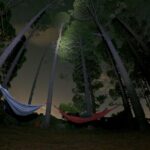
A good night-sky tour has to solve one problem: waiting in cool air. This one does it in a straightforward way with included comfort items—a hammock, a blanket, and light—plus snacks and hot drinks.
That matters more than it sounds. When you’re comfortable, you stay patient and focused. You’ll spend less time shifting your stance and more time looking up long enough to connect constellations to what you’re feeling as the sky changes.
If you tend to get cold easily, think of this as a built-in timeout with warmth. It also makes the experience friendlier for couples, since the vibe is relaxed rather than rushed.
The Guide Experience: English, Small Group, and a Real Teaching Style
The tour is led by a live guide in English, and the group is limited to 10 participants. That small size is a quiet quality-of-life upgrade. You get more chances to ask questions when you can’t find a constellation or when you want to understand what’s happening in the sky at that moment.
One guide name that shows up in standout feedback is Pablo, praised for explaining things well. Even when guides change, the format stays the same: science basics first, then pointing and practice during the viewing time.
The included screen also helps you connect concepts to real sightlines. Instead of trying to remember terms while you’re freezing a little (and you will be tempted to), the guide can show you how to think about what you’re seeing.
Price and Value: Is $68 Reasonable for This Combo?
At $68 per person for a 3-hour small-group guided hike, the price makes sense if you look at what’s included. You’re getting:
- A guided trek and night-sky astronomy teaching
- Snacks and hot drinks
- A hammock, blanket, and light
- Binoculars
- A screen for explaining concepts
A standard guided walk alone might cost a similar amount depending on the area. What pushes this toward good value is that you’re not just hiking to a view—you’re also learning how to recognize sky features for yourself later. And since telescopes aren’t part of the plan, you’re not paying for gear you’re not using.
In other words, you’re paying for a guided experience that teaches skills, not only access to a dark-sky moment.
Timing and Pace: How 3 Hours Usually Works
The tour runs about 3 hours, and you’ll want to treat that as a compact schedule: hike up, watch the sunset, then shift into sky identification. Because the night-sky portion depends on conditions, the provider notes that weather could lead to date or meeting point changes.
In practice, you should plan to arrive ready to move. Warm clothing is not optional if you tend to feel cold at night. Hiking shoes are also smart since you’re walking in areas where footing matters.
If you prefer long, slow hikes with frequent stops for photos, this may feel a bit more structured. Still, the format is friendly and designed around learning and comfort, not speed.
Weather and Meeting Point Adjustments
The tour specifically warns that weather can change things. On nights with clouds, haze, or poor visibility, the activity may require adjustments to the date or meeting point to find better conditions.
That’s exactly what you want from an astronomy-focused plan. Astronomy days depend on the sky, not the schedule printed on a calendar. If you’re booking close to your trip end, make sure you’ve left enough buffer in your plans so a reschedule doesn’t wreck your itinerary.
Who This Tour Fits Best (and Who Might Skip It)
You’ll probably love this if:
- You want a true night-sky lesson that you can reuse later
- You enjoy hiking but don’t want an all-day trek
- You’re traveling with a partner and like a relaxed, shared viewing moment
- You’d rather learn constellations than just look through equipment
You might think twice if:
- You don’t want to drive into rural zones (this tour requires your own car)
- You expect telescopes and a heavy observing setup (telescopes are not used)
- You’re very uncomfortable in cooler temperatures at night (bring warm layers and use the blanket)
Should You Book the Las Palmas Sunset & Night Sky Astronomy Hike?
If you’re looking for one Gran Canaria activity that mixes movement, views, and a skill you’ll actually use again on future nights, this is a strong bet. The combination of Ventana del Nublo sunset views, binocular-supported stargazing, and hands-on astronomy basics makes it feel like more than a hike to a viewpoint.
I’d book it if you can handle night driving logistics and you’re comfortable dressing for the cold. With a small group, an English-speaking guide, included warmth and snacks, and a format that teaches you how to spot the sky without special gear, you’re paying for an experience with real follow-through.
FAQ
What’s the duration of the tour?
The tour lasts about 3 hours.
What’s included in the astronomy part?
You get a guided astronomy hike, binoculars, a screen for explaining astronomy concepts, and time to identify constellations, planets, and the Milky Way.
Are telescopes provided?
No. Telescopes are not used in this activity.
Is the tour offered in English?
Yes. The live tour guide speaks English.
How large is the group?
The group is limited to 10 participants.
Do I need a car to get to the meeting point?
Yes. You need your own car because public transport doesn’t work in these zones.
Where do we meet?
You meet at the campground area. You can also park there.
Does the tour include snacks and drinks?
Yes. Snacks and hot drinks are included.
What should I bring?
Bring warm clothing and hiking shoes.
Can the schedule change because of weather?
Yes. Depending on weather conditions, the activity could require a change of date or meeting point to look for the best conditions.