REVIEW · GRAN CANARIA
Sunset Hike and Stargazing Experience in Roque Nublo Mountains
Book on Viator →Operated by RockNatour Experiences · Bookable on Viator
That first sweep from sunset to starfield is unforgettable. This Roque Nublo Mountains experience mixes a real hike, local geology talk, and then a guided astronomy lesson as the sky darkens. You’ll also get practical gear in a backpack, plus snacks and hot drinks to keep you comfy while you watch the night unfold.
I like that this isn’t a telescope show. You’re taught how to read the sky yourself, so the magic stays with you after the walk ends. I also love the small group size, max 10 people, which keeps the pace calm and gives the guide room to answer questions.
One consideration: you need your own car to reach the meeting area, and public transport doesn’t work in these zones. If you’re relying on buses or taxis, this one can get tricky.
In This Review
- What You’re Really Buying: Sunset + Stargazing, Not a Bus Tour
- Entering The Plan: Meeting Point, Car Access, and Timing
- The Hike Through Forest: Geology Lessons While You Walk
- Ventana del Nublo at Sunset: Views That Anchor the Whole Evening
- Astronomy Basics in Real Time: How the Guide Helps You Look
- Stargazing Without Telescopes: Learning the Sky for Yourself
- Snacks, Hot Drinks, and the Comfort Gear You Actually Use
- Price and Value for $70.70: What Makes This Worth It
- Who This Sunset and Stars Hike Fits Best
- Should You Book This Sunset and Stars Hike?
- FAQ
- Where do we meet for the sunset hike and stargazing?
- Do I need a car to reach the meeting point?
- How long is the experience?
- Is the tour offered in English?
- Will we use telescopes to view the stars?
- What will we do after sunset?
- What’s included in the comfort gear?
- What happens if weather is poor?
What You’re Really Buying: Sunset + Stargazing, Not a Bus Tour
This is a 3-hour, mountain-focused outing built around two big moments: the view at Ventana del Nublo as the sun drops, and then the stars once it’s fully dark. It’s the kind of plan that makes you slow down. Instead of rushing from one viewpoint to the next, you hike through forest, stop at an iconic place, and then settle in for the sky lesson.
The format is also practical. You’re not just told where to look. You get a mat, a blanket, and a front light so you can move and then stay put comfortably. And while it’s astronomy-themed, it’s still grounded in the landscape around Tejeda and Roque Nublo, with the island’s geology woven into the hike.
If you’re the type who wants a guided experience with a real sense of place, this fits. If you want big-ticket astronomy gadgets or a long all-night session, you might find the timing a bit short, since it’s still a hike and a compact, evening-length tour.
Entering The Plan: Meeting Point, Car Access, and Timing
First, plan your logistics like a local. The meeting point is Zona de Acampada de Bailico, GC-600, 35369, Las Palmas, Spain. The tour notes it clearly: you need your own car to reach this area, because public transport doesn’t work in these mountain zones.
That’s not a deal-breaker, but it changes the kind of traveler this suits best. If you’re comfortable driving into the hills around Las Palmas and Tejeda, great. If not, you’ll need to rethink, because the tour ends back at the same meeting point.
Timing-wise, you can expect roughly 3 hours. Confirmation comes within 48 hours of booking (as long as there’s availability). And because sunset and night sky viewing depend on conditions, the experience requires good weather. If conditions are poor, you’ll be offered a different date or a full refund.
You can also read our reviews of more tours and experiences in Gran Canaria.
The Hike Through Forest: Geology Lessons While You Walk
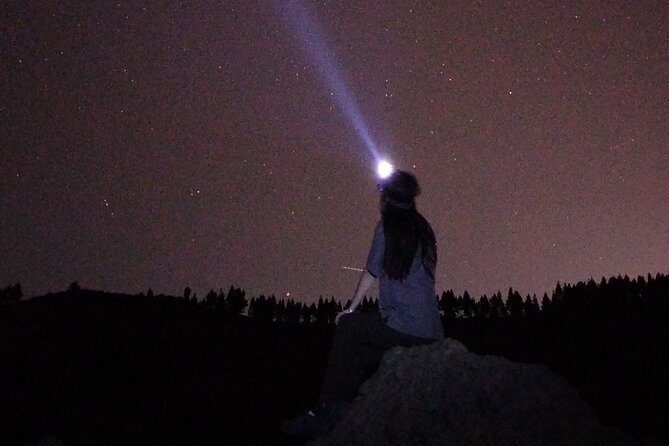
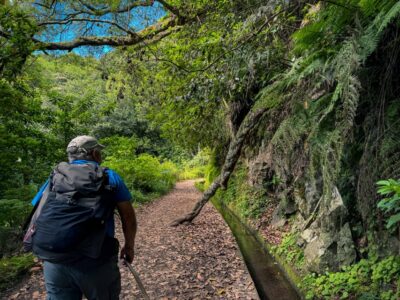
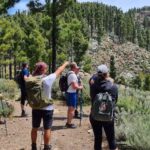
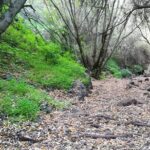
Before you reach the main viewpoint, you start with a hike across the forest. This isn’t just scenic walking. The guide explains the island’s geology as you go, tying what you’re seeing to how the landscape formed.
That matters because it turns the hike from exercise into context. You’ll look at the ground, the rock formations, and the terrain with a clearer idea of what you’re standing on. Even if you don’t memorize geology terms, you’ll come away with a mental map of how volcanic islands build and change over time.
The tour is also capped at 10 travelers, which helps here. In a small group, questions don’t get lost, and you’re less likely to feel like you’re being dragged through a checklist. It also makes the pace more reasonable when daylight is fading and everyone’s trying to find the next good view.
Ventana del Nublo at Sunset: Views That Anchor the Whole Evening
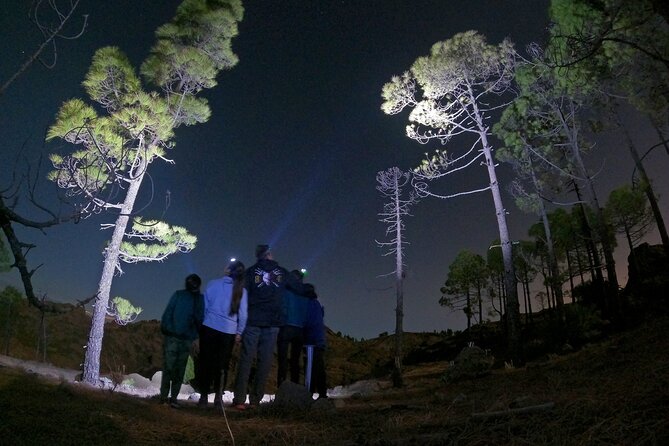
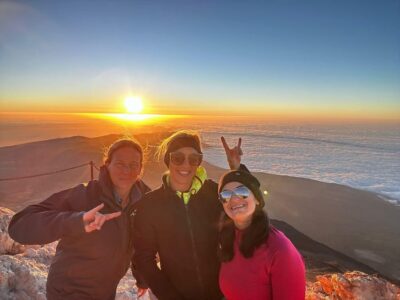
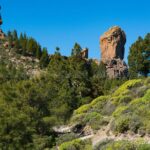
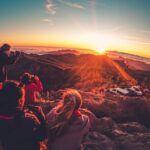
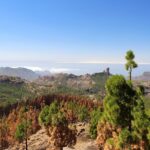
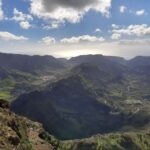
Once you arrive at Ventana del Nublo (an iconic stop in Tejeda), the plan shifts into pure sunset mode. You’ll watch the sun drop with views that connect Roque Nublo and, on clear nights, Teide.
This is the part of the experience that acts like an anchor. The hike and the forest talk set the stage, then Ventana del Nublo gives you the big, open horizon moment that makes everything feel worth it. And as the sky darkens, you’ll switch from sunset admiration to astronomy concepts.
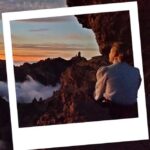
I also like that the guide doesn’t treat this like a quick photo stop. The way it’s described, you don’t just arrive, snap, and leave. You settle into the moment as light changes, then you start learning how to watch the night sky effectively.
Astronomy Basics in Real Time: How the Guide Helps You Look
This tour includes an astronomy talk timed to the darkening sky. The guide covers basic concepts and then moves into a hands-on observing phase.
A key detail: telescopes are not used. Instead, you learn to interpret the sky by yourself. That might sound intimidating, but the whole setup makes it feel doable. You get a front light for safety and for walking back and forth, while the rest of the experience focuses on your eyes and simple identification.
In the same evening, you’ll identify constellations and planets, and on some days you may be able to spot the Milky Way. That last part depends on sky conditions, but it’s a strong reason to keep your expectations flexible and go with the flow.
From the reviews that people shared with the company, the guide Pablo is known for taking his time and pacing the teaching well. If you’re the type who asks questions, this kind of slower, careful approach tends to work in your favor.
Stargazing Without Telescopes: Learning the Sky for Yourself
Let’s talk about what no-telescope stargazing really means. It forces you to slow down and notice patterns: how stars group, how planets appear steadier than the twinkling points, and how brightness changes as your eyes adjust.
You’ll use your own vision rather than relying on magnification. That makes the experience less like an equipment demo and more like gaining a skill. And it’s also why you can enjoy the sky even on nights when the Milky Way is subtle, since you’re still learning what you can see.
Some evenings also include extras like shooting stars and satellites. Those are always “may happen” events, but the point is that you’re positioned to notice them. When the group is small and the teaching is timed, you’re less likely to miss the moment the sky gives you something special.
Snacks, Hot Drinks, and the Comfort Gear You Actually Use
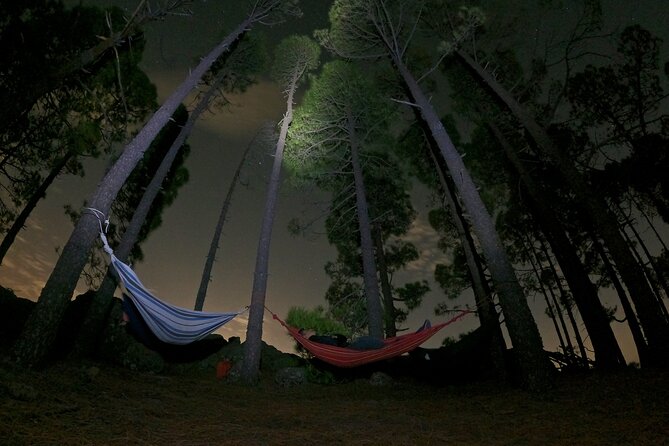
The tour includes snacks and hot drinks while you watch the sky. That sounds basic, but it’s actually one of the smartest parts of a night hike. When temperatures drop, your enjoyment rises or falls based on whether your body feels supported.
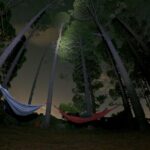
You’ll also get the comfort gear: a mat, a blanket, and a front light handed out with the backpack. The mat and blanket help you stay put during the observing phase instead of constantly shifting your weight. The front light is practical for movement, especially when you’re transitioning between stops or walking back at the end.
One thing I’d plan for: you’ll be standing and sitting as it gets darker. Wear layers you can adjust fast, and you’ll feel better during the teaching and the waiting.
Price and Value for $70.70: What Makes This Worth It
At $70.70 per person for about 3 hours, this is priced like a specialty small-group nature experience. The value comes from the mix of things that are hard to bundle on your own: local guide interpretation, guided stargazing basics, and a prepared comfort setup.
You’re paying for:
- A guided hike through a specific mountain route tied to Tejeda and Ventana del Nublo
- The astronomy teaching timed to real conditions at sunset and after dark
- Snacks and hot drinks that keep the evening comfortable
- Gear (mat, blanket, front light) that reduces what you need to pack
Also, the maximum group size of 10 people matters. In a larger crowd, astronomy instruction can turn into noise and waiting. Here, you’re more likely to get attention and pacing that fits your questions.
And one more practical note: because you need a car to reach the start, your real cost is partly transportation and planning. If you already have wheels, this price feels more like a “fair trade” for access and expertise. If you don’t, you may need to factor in a driver or rental changes to make it work.
Who This Sunset and Stars Hike Fits Best
This works best if you like:
- Nature walks that include learning, not just scenery
- Early evening plans that still become a true night sky moment
- Small groups where you can ask questions and actually hear the guide
It also fits well for couples and solo travelers. One review detail stood out: Pablo and his wife (according to the story shared) helped make a proposal feel extra special during the view. That tells you the moment is treated with care and attention, not as a rigid production line.
It may be less ideal if:
- You hate driving in mountainous areas
- You want a long, all-night stargazing session
- You expect telescopes or a planetarium-style show
Good news: most travelers can participate, and service animals are allowed. If you’re unsure about your comfort level for hiking in the dark, plan to ask before booking and choose footwear that’s solid on uneven ground.
Should You Book This Sunset and Stars Hike?
I’d book this if you want a sunset viewpoint and then a sky lesson that doesn’t depend on fancy equipment. The no-telescope approach is a big part of why it feels personal. You leave with a better way to look up, not just a list of what you saw.
I’d also book it if you’re okay with the car requirement. That’s the real gatekeeper here. If you can handle the drive to the GC-600 area near the Bailico campsite zone, you’re set up for a very memorable evening.
If you can’t get to the meeting point by car, I’d skip it or plan a different night-sky option. The tour’s access is built for mountain locations, not public-transport routes.
Finally, keep an eye on weather. The sky portion depends on it. If conditions are bad, you’ll either reschedule or get a full refund, which is exactly what you want for an outdoor astronomy plan.
FAQ
Where do we meet for the sunset hike and stargazing?
You meet at Zona de Acampada de Bailico, GC-600, 35369, Las Palmas, Spain, and the activity ends back at the same meeting point.
Do I need a car to reach the meeting point?
Yes. You need your own car to reach the meeting point, and public transport does not work in these mountain zones.
How long is the experience?
It runs about 3 hours.
Is the tour offered in English?
Yes, the tour is offered in English.
Will we use telescopes to view the stars?
No. Telescopes are not used in this activity. You will learn to interpret the sky yourself.
What will we do after sunset?
After sunset, you watch the night sky, identify constellations and planets, and on some days you may be able to see the Milky Way. You’ll also have snacks and hot drinks while you observe.
What’s included in the comfort gear?
You’ll be given a backpack with essentials for the mountain experience, including a mat, blanket, and a front light.
What happens if weather is poor?
This experience requires good weather. If it’s canceled due to poor weather, you’ll be offered a different date or a full refund.