One hill. One quiet trail. Big views. This Sanga to Panauti hike gives you a less-touristed route outside the Kathmandu Valley and the chance to learn Tamang and Newar culture as you walk. The small-group vibe helps the trail feel real, not staged.
I especially love the mix of trail types: a short, steady pull up from Sanga, then mostly flatter ridgeline walking with steep drops and sweeping farmland views. And if the sky cooperates, you get a real shot at unobstructed Himalaya views—the kind that makes you stop without even meaning to.
One thing to think about: it is only easy-moderate, but there’s still a real uphill stretch at the start. If you’re dealing with knee issues or you hate exposed edges, you’ll want to go slow and take breaks.
In This Review
- Key Highlights at a Glance
- Sanga to Panauti: A Quiet Ridge Walk With Culture Lessons
- Getting There: Royal Mountain Travel and the 8:00am Start
- Sanga’s Hilltop Begin: Shiva Statue Shadows and the First Climb
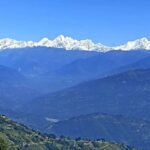
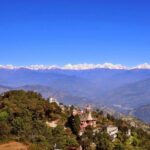
- Ridgeline Hiking: Forest, Rice Fields, and Himalaya on Clear Days
- Panauti Arrival: Newar Temples in a Spiritual River Town
- Lunch in Panauti: A Local Family Meal You Actually Understand
- Pace, Fitness, and What to Pack for 10 Kilometers
- Price and Value: Why $65 Works for a Guided Day
- Who Should Book This Hike (and Who Should Skip It)
- Should You Book the Sanga to Panauti Day Hike?
- FAQ
- How long is the Sanga to Panauti hike?
- How difficult is it?
- What’s included in the price?
- Is lunch included?
- Where do we meet, and where does the hike end?
- What time does it start?
- How big are the groups?
- Is there an entrance fee?
- Can I cancel for a full refund?
Key Highlights at a Glance
- Under-visited trail: The Sanga–Panauti route was developed only a few years ago, so you’re less likely to see crowds
- Views plus forests: Ridgelines, rice fields, and shaded forest sections break up the hike
- Culture from your guide: You’ll hear about Tamang culture on the way out, then Newar culture in Panauti
- Small group feel: Max group size is 15, which helps it stay relaxed
- Optional homestay-style lunch: Eat with a local family for a true, practical refuel
- Guide helps you not get lost: You’ll follow a supported route with an English-speaking hiking guide, including Ssyam noted in feedback
Sanga to Panauti: A Quiet Ridge Walk With Culture Lessons
This hike is set just outside Kathmandu, but it feels worlds apart from the classic tourist loops. You start in Sanga, a hill area outside the eastern edge of the valley, and you end in Panauti, a small Newar town known for temples and holy rivers. The whole point of this route is that it’s still fairly new for foreign visitors, so the villages you pass through look like they belong to daily life.
The best part is that the hike isn’t just scenery. Your guide adds context as you move—first with Tamang culture during the trek, then with Newar culture in Panauti. That matters because it changes how you read what you’re seeing. Instead of walking past houses and small shrines like a tourist, you start noticing patterns: how people live, where they pray, and what the town considers important.
Also, the pace and route are designed for a full day without turning it into a grind. You get enough movement to feel like you hiked, but you’re not forced into steep switchbacks for hours.
You can also read our reviews of more tours and experiences in Kathmandu.

Getting There: Royal Mountain Travel and the 8:00am Start
Your meeting point is Royal Mountain Travel at Lal Durbar Marg in Kathmandu (44601), and the start time is 8:00am. Plan for an early start day. Nepal traffic can vary, and you’ll want to show up with time to check in and get organized.
You’ll have transportation between Kathmandu and the trailheads (to Sanga in the morning, and back from Panauti at the end). One note: the tour description mentions transfers, but the fine print also says hotel pickup and drop-off isn’t included. Practically, that means you should confirm whether your transport is a set pickup point or directly from your hotel. If your hotel is far from the city center, ask early so you don’t end up paying for a last-minute taxi.
This is also listed as being near public transportation, which is useful if you’re budgeting or staying somewhere that has easy access to buses or taxis. If you’re using a rideshare, give yourself extra time for morning traffic.
Sanga’s Hilltop Begin: Shiva Statue Shadows and the First Climb
Sanga starts with a backdrop you’ll recognize immediately: it’s the area associated with the world-famous tallest Shiva statue. Even if you don’t spend long looking around, that detail anchors the morning. You’re not just hiking; you’re starting in a place with spiritual gravity.
Then comes the first real effort: you do a steep ascent for about half an hour. In feedback from people who joined, that initial climb is described as steep in spots but not brutal—more like an energizing uphill than a technical slog. If you keep a steady pace, breathe through it, and take short breaks, you’ll settle in.
After that initial climb, the trail mostly flattens out. That’s a gift. It turns the hike from a test of legs into a test of balance and attention—because the ridgelines include steep drops below. If you’re comfortable walking on paths with exposure, you’ll likely enjoy this phase a lot. If you’re not, you can still do it, just walk carefully and avoid rushing.
There’s also a nice early rhythm to the route: go up, reset, then ease into a longer stretch where you can actually look around.
Ridgeline Hiking: Forest, Rice Fields, and Himalaya on Clear Days
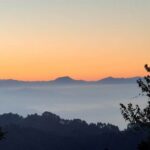
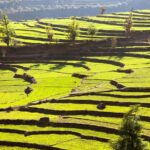
Once the trail levels out, you’ll hike along ridgelines with views of farmland and rice fields. This is where the route feels more special than a “walk from point A to point B.” You’re elevated enough to see how the valley’s edges work—fields, paths, and village clusters that you wouldn’t notice from street level.
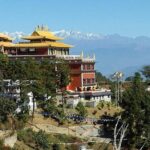
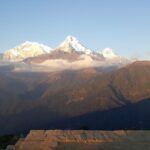
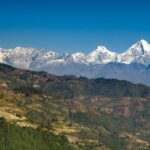
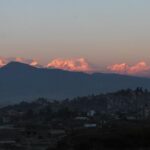
On clear days, the description promises unobstructed Himalayas. In reality, Himalayan visibility depends on weather, but the trail setup gives you the chance when the sky is right. That’s exactly what you want: not a guaranteed photo op, but a route that positions you to benefit from good conditions.
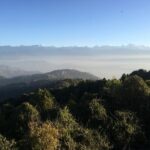
One of the most praised parts from feedback is the forest section. Shaded walking can be a lifesaver, especially in warmer months. It also changes the soundscape: birds and rustling leaves replace the wide-open valley noise. If you’ve had day hikes that are all exposed ridge and no relief, this hike’s tree cover is a real advantage.
What makes the ridgeline walking enjoyable is that it’s not just pretty—it keeps you alert. You’re reading the trail constantly: where it narrows, where footing is uneven, where the view opens. That kind of focus is good for most people. It makes the time pass quickly.
And yes, a big part of the “off the trodden path” feeling is that you’re not fighting through crowds. The route is quieter than Kathmandu-day-hike classics, so you can actually hear yourself think.
Panauti Arrival: Newar Temples in a Spiritual River Town
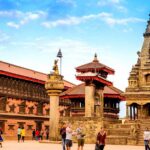
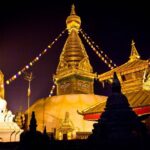
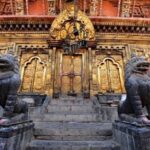
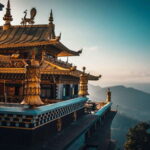
You finish the hike in Panauti, a Newar community described as small but beautiful, surrounded by green hills and holy rivers. The town has a mix of Hindu and Buddhist temples, and it has local folklore tied to history—one story mentions Panauti as an offering from a King of Bhaktapur to his sister as a dowry gift.
This matters because Panauti isn’t just a destination for hikers. It’s a lived-in town with spiritual routines, so your arrival feels like you’re stepping into something continuing, not something built for visitors.
You may also notice signs of Nepal’s 2015 earthquakes. The tour information flags that some sites visited were significantly damaged. That means a few buildings or areas may look different than what you might expect in guidebook photos. It’s still worth going. In fact, seeing how communities adapt after major earthquakes often gives you a more honest picture of life here than only touring fully restored landmarks.
The best way to enjoy Panauti is to slow down after the hike and let your senses catch up. The walk ends, but the town keeps moving—people in temples, daily errands, and the quiet rhythm you only notice when you’re not rushing.

Lunch in Panauti: A Local Family Meal You Actually Understand
Lunch isn’t included, but the hike offers a chance to buy a Nepali lunch with a local family in Panauti. That’s a small extra cost, but it’s also the most direct way to turn the day from “scenery” into “relationship.”
There’s also a specific tip in the tour description: the Panauti Community Homestay lunch is run by local women, and it’s presented as an example of women’s entrepreneurship and community empowerment. Even if you don’t track the social-impact details, you’ll still get something practical out of it: home-style food, local hospitality, and a clear sense of where your money goes.
For you, the value is simple. After a 10-kilometer hike and a few hours on uneven paths, you’ll want a meal that’s filling and feels familiar enough to trust. A homestay-style lunch also tends to avoid the “tour lunch” vibe—no rush, no conveyor-belt feeling, more like a pause in someone’s day.
What I’d recommend: treat lunch as part of the experience, not an afterthought. Ask what’s in the meal if you can. If you have dietary needs, make sure you mention them when you arrange the lunch.
Pace, Fitness, and What to Pack for 10 Kilometers
The hike is listed at about 6.2 miles (10 kilometers) and described as easy-moderate. In plain terms: you’re not doing anything technical, but you should expect a mix of uphill effort and downhill/side-slope walking.
The biggest effort is the first 30-minute climb out of Sanga. After that, the hike mostly flattens. The ridgeline section has steep drops, so stability matters even if steepness doesn’t. If you’re steady on your feet, you’ll likely enjoy it. If you’re nervous around edges, you can still take it slow—just keep your focus on the path, not the view.
For packing, keep it practical:
- Good walking shoes with grip (ridgeline paths can be uneven)
- Water for the day (the tour notes lunch isn’t included, but hydration still is on you)
- A light layer if morning is cool and you sweat later (common Kathmandu weather pattern)
- Sun protection for the open ridgeline stretches
- Cash for lunch, since lunch is not included
This hike is for a moderate fitness level. If you can handle a steady 30-minute uphill and a full day of walking, you’re in the right zone.
Price and Value: Why $65 Works for a Guided Day
The price is $65 per person. For Nepal day hiking, that can be a very reasonable number—mainly because you’re not just paying for a route. You’re paying for:
- An English-speaking hiking guide
- Transportation between Kathmandu and the trail area
- A small-group format (maximum 15)
- Help with staying found on a less-traveled route
If you’ve ever tried to DIY a day hike in a place you don’t know well, you understand the hidden cost: time spent figuring out directions, finding a guide last minute, and taking wrong turns. Here, the guide helps you follow the safer path and adds the cultural context that most people miss without local interpretation.
Also, one review specifically calls out a guide named Ssyam. That kind of name recognition is a good sign that the guides are part of the experience, not just a formality.
The main cost caveat is obvious: lunch isn’t included, and alcohol is not included either. If you plan to drink, budget extra. But if you keep it simple and focus on water and lunch, the day stays close to what you paid.
Who Should Book This Hike (and Who Should Skip It)
I’d book this if you want a day hike that feels respectful and local. You’ll enjoy it most if you like:
- Village walking where foreign tourists aren’t the norm
- Learning about Tamang and Newar culture from a guide
- A route that includes both forest shade and big view moments
- A manageable hike length that still feels like a real effort
You might skip it if you:
- Want a hike with minimal uphill at the start (there is a steep pull for about half an hour)
- Have strong anxiety about walking near steep drop-offs
- Are hoping for a town full of major monuments packed into the hike day (Panauti is spiritual and temple-filled, but it’s still a living town, not a checklist stop)
This one also fits well if you’re doing a first Kathmandu trip and want to see more than just streets and temples in the city. The trail gives you a different angle on Nepal—literally from the ridge.
Should You Book the Sanga to Panauti Day Hike?
Yes—if you’re looking for a guided hike that’s easy-moderate, mostly 10 kilometers of rewarding walking, and gives you a real taste of village life beyond the city. The best value comes from two places: the guide-led cultural talk and the fact that the route is quiet enough to feel authentic. Add in the chance for forest walking and Himalaya views when the sky is clear, and you’ve got a strong day for the money.
Just be honest with yourself about the first uphill push and the ridgeline exposure. If you’re steady on your feet and you’re okay going slow, this is exactly the kind of Kathmandu-side hike that makes you glad you booked in advance.
FAQ
How long is the Sanga to Panauti hike?
The hike is listed at about 8 hours total for the full experience, including the time you spend hiking and transit between Kathmandu and the trail area.
How difficult is it?
It’s described as an easy-moderate day hike. There’s a steep ascent for about half an hour at the start, but after that the trail mostly flattens out.
What’s included in the price?
The price includes transportation from Kathmandu to Sanga and from Panauti back to Kathmandu, plus an English-speaking hiking guide.
Is lunch included?
No. Lunch is not included, but you can purchase a Nepali lunch with a local family in Panauti.
Where do we meet, and where does the hike end?
You meet at Royal Mountain Travel on Lal Durbar Marg in Kathmandu. The activity ends back at the meeting point.
What time does it start?
The start time is 8:00am.
How big are the groups?
This experience has a maximum of 15 travelers.
Is there an entrance fee?
An entrance fee applies to children 10 years and above (the information provided doesn’t specify adult fees).
Can I cancel for a full refund?
Yes. You can cancel for a full refund if you cancel at least 24 hours before the experience’s start time. Free cancellation is offered, but changes within 24 hours of the start aren’t accepted.