REVIEW · KATHMANDU
Nepal Discovery Tour: Heritage Sites & Scenic Hill Easy Hike
Book on Viator →Operated by Prime Himalayas · Bookable on Viator
A short trip, big Nepal feelings. This 5-day Nepal Discovery Tour blends UNESCO Kathmandu landmarks with an easy trek through Shivapuri National Park, plus a Nagarkot sunrise and an ancient temple finish. I like that the plan is active but not punishing, with about two and a half days of hiking and lodge stays along the way.
The other thing I really like is the tight pairing of culture and views. You’ll spend real time at world-famous religious sites in Kathmandu, then trade city noise for forest paths, village scenery, and a hilltop sunset/sunrise rhythm. One watch-out: the trek days involve walking in a cooler mountain setting, so you’ll want proper layers—and budget extra for heritage site entrance fees that aren’t included.
And yes, Prime Himalayas is run with hands-on service. In past company interactions, the team lead Prakash has shown up for quality control and stayed flexible with last-minute changes—so you’re not just being dropped into a schedule and forgotten.
In This Review
- Key Things That Make This Tour Worth Your Time
- Entering Kathmandu with a Plan (Not a Guess)
- UNESCO Kathmandu: Monkey Temple, Pashupatinath, Boudhanath
- Swoyambhunath (Monkey Temple)
- Pashupatinath Temple
- Boudhanath Stupa
- Shivapuri National Park: Sundarijal to Chisapani on Forest Trails
- Nagarkot Trek: Hilltop Views and the Sunset Logic
- Sunrise Day + Changunarayan Temple: Ancient Finish with Real Morning Energy
- Changunarayan Temple
- Price and Logistics: What $375 Really Buys You
- Pacing and Fit: Who This Easy Trek Really Works For
- Temple Etiquette and Practical Stuff You’ll Be Glad You Planned
- Service Style: Small Group Energy, Real Support
- Should You Book This Heritage Sites + Easy Hike Tour?
- FAQ
- What time and where does the tour start?
- How long is the tour, and what’s the approximate schedule?
- What’s included during the trekking portion?
- What’s not included in the tour price?
- How big is the group?
- What’s the cancellation policy?
Key Things That Make This Tour Worth Your Time
- UNESCO Kathmandu, guided and focused: Swoyambhunath, Pashupatinath, and Boudhanath in about 6 hours, with an English-speaking guide.
- An easy trek with lodge comfort: 2 nights of lodge accommodation during the hike, not tent camping.
- Forest-and-village walking: Shivapuri National Park trail time between Sundarijal, Chisapani, and onward to Nagarkot.
- Nagarkot sunrise is built in: You’ll start early enough to catch the morning light, then keep walking to finish at Changunarayan Temple.
- Small group size: Maximum 10 travelers, which usually means less chaos at temples and during check-ins.
- Good “value stack” for the money: Private transport, meals during trekking, a guide, and park-related permits are included—while Kathmandu meals/entrance fees stay separate.
Entering Kathmandu with a Plan (Not a Guess)
Your first day is basically for getting your bearings. You arrive in Kathmandu whenever you want, get settled at your Kathmandu hotel (not included), then meet the team for a briefing. The start time for the official tour day is listed as 9:15 am, and the meeting point is Thamel Marg in the Thamel area.
This matters because Kathmandu can feel like a lot on day one—traffic, temples, smells, and language swirling together. A guided “here’s how the days work” moment helps you relax. And since pickup is offered, you’re less likely to burn half a morning figuring out local logistics.
Also, the tour is designed to be workable for most travelers. It’s described as an easy trek with most people able to participate, which is a great sign if you want mountain scenery without the stress of a hard expedition.
You can also read our reviews of more tours and experiences in Kathmandu.

UNESCO Kathmandu: Monkey Temple, Pashupatinath, Boudhanath
Kathmandu isn’t just a stop here. It’s a front-and-center experience. Day two is a guided run through three major UNESCO World Heritage Sites, taking about 6 hours total.
Swoyambhunath (Monkey Temple)
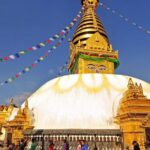
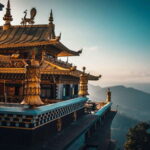
Swoyambhunath sits high enough to make it feel like a lookout over the city. It’s famous for its monkey population and for the layered shrine layout. You’ll be walking in temple areas, climbing steps, and taking in views. It’s one of those places where you understand why people come back again and again—religion, city life, and perspective all in one tight area.
Pashupatinath Temple
Then you shift from panoramic temple vibes to a river-edge spiritual center: Pashupatinath. This stop is powerful. Plan to move slowly, watch what’s going on, and follow guide instructions about respectful behavior. It’s also a good day to ask your guide how local religious practice works, because the sites can feel confusing if you only read guidebook labels.
Boudhanath Stupa
Finally, Boudhanath brings you to one of the most visually striking Buddhist stupas in the region. Expect more open space, prayer flags and movement, and that calm-but-busy feeling of devotion. This balance—Swoyambhunath’s drama, Pashupatinath’s intensity, and Boudhanath’s steady rhythm—makes day two feel like a true cultural orientation.
Practical tip: bring a light layer for mornings and carry a small bag for temples. You’ll be moving for hours.
Shivapuri National Park: Sundarijal to Chisapani on Forest Trails
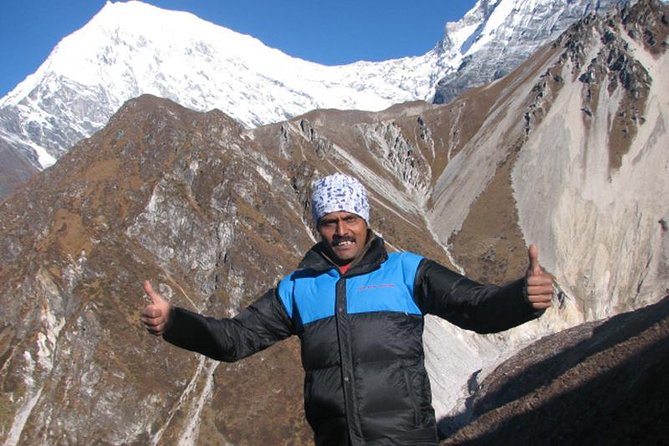
The trek starts the smart way: after breakfast, you’re driven to Sundarijal, then you walk into Shivapuri National Park. Day three is your first hiking day, trekking to Chisapani.
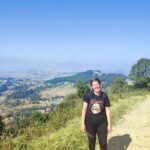
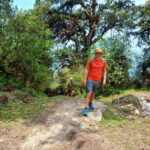
What I like about this route is that it eases you into “trek mode.” You’re not thrown into a steep climb right away. The trail is described as passing forest trails and village scenery, which is exactly what you want from an easy trek: nature plus human life, not just a long line of rocky steps.
And Chisapani is a real change from Kathmandu. Night two is at a lodge, so you’ll trade city convenience for mountain simplicity. That’s a big part of the value: the tour provides the lodge stay and trekking meals (breakfast, lunch, dinner during trekking), so you’re not scrambling to find food or shelter.
If you’re sensitive to altitude or just unsure how your body handles walking, this day acts like a warm-up. You’ll know by the end of day three whether you need to slow your pace.
Nagarkot Trek: Hilltop Views and the Sunset Logic
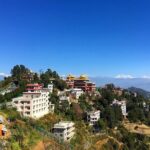
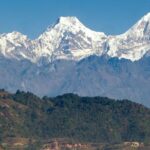
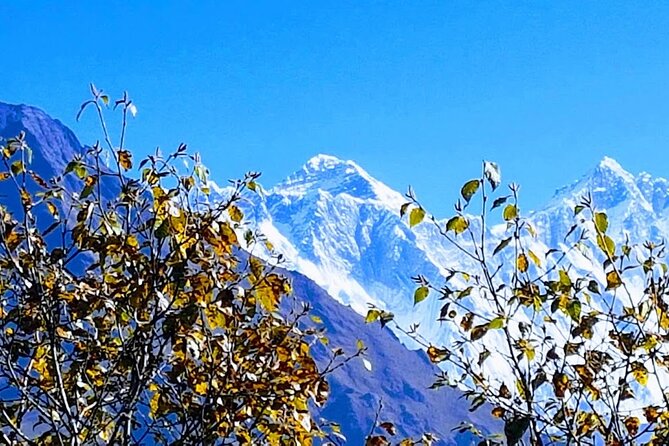
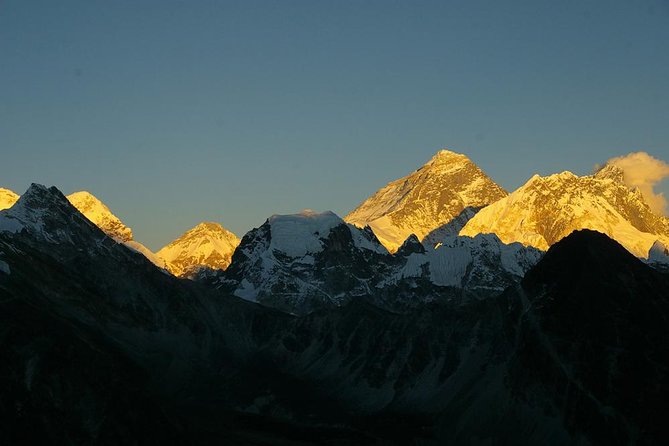
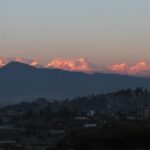
Day four continues the hiking and takes you to Nagarkot, a hilltop known for Himalayan views and a beautiful sunset.
Nagarkot is the kind of place where the payoff is both visible and emotional. You get the sensation of stepping away from the city and into open air. On an easy trek itinerary, this matters because you’re aiming for “reward per effort.” You’re not climbing for hours without a reason. The hilltop perspective is the reason.
What to expect on this day: more time on foot, steady movement, and a gradual build toward the evening view. The lodging is at a hotel in Nagarkot for the night, which keeps the comfort level consistent and reduces the stress of managing every little logistics detail.
Practical note: weather can change fast in hill areas. If clouds roll in, you may not get maximum visibility. That’s normal here. The tour itself is also described as requiring good weather (so the plan isn’t pretending the mountains are predictable).
Sunrise Day + Changunarayan Temple: Ancient Finish with Real Morning Energy
Day five starts early: sunrise, then a hike to Changunarayan Temple, followed by driving back to Kathmandu.
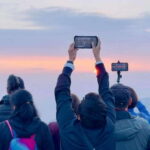
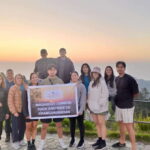
This is a great design for an easy trek because it turns your last hiking hours into something meaningful. Sunrise isn’t just a photo moment—it’s a shared “we made it” kind of payoff after the previous days of walking. And because day five also includes a temple visit, your ending feels grounded in Nepal’s heritage rather than ending abruptly at a vehicle and saying goodbye.
Changunarayan Temple
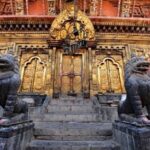
Changunarayan is described as an ancient temple, and it gives you a quieter ending. Instead of only looking outward at the Himalayas, you get to look inward at age, stonework, and spiritual meaning. It’s a fitting close after village trails and hilltop views.
Then you’re back by car to Kathmandu and the experience ends back at the meeting point.
Price and Logistics: What $375 Really Buys You
Let’s talk money in a clear way.
The price is $375 per person for an approximately 5-day trip with Prime Himalayas. Here’s what’s included (based on the tour details):
- 2 nights lodge accommodation during trekking
- Private transportation
- Meals during trekking: breakfast, lunch, dinner
- Transport from Thamel to Sundarijal
- Expert English-speaking guide
- Government taxes & VAT
- A Shivapuri National Park permit is listed as included
- Mobile ticket and group discounts are mentioned
- Pickup is offered, and the tour starts near public transportation
Now the not-included items matter because they affect your real budget:
- Bottled water
- Entrance fees of heritage sites (Kathmandu UNESCO sites)
- The tour also lists “national park fee” as not included, even though the permit is said to be included—so I’d confirm with the operator what you will actually pay on the ground.
- Lunch and dinner in Kathmandu
- Any kind of drinks during the whole trip
- Gratitude/tips for staff
- Nepal entry visa fee
- International flights
- Accommodation at Kathmandu (you pay this separately)
So is $375 a good value? In my view, yes, because you’re buying coordination, guiding, and trekking meals—not just a bus ride. The main cost add-ons you should expect are entrance fees and the parts of meals/drinks that fall outside trekking days.
If you’re traveling light and comfortable paying a reasonable amount for site entry, this is a strong deal for a guided culture + easy trek combo.
Pacing and Fit: Who This Easy Trek Really Works For
This tour is described as an easy trek and “most travelers can participate,” with walking described as moderate hiking for about two and a half days.
That makes it a good choice if you:
- want mountain scenery but don’t want a demanding multi-week commitment
- enjoy guided cultural stops and want structure
- prefer lodge/hotel stays instead of camping
- like the idea of small groups (maximum 10)
It may be less ideal if you:
- have very limited mobility or need frequent medical stops (the itinerary does involve walking days)
- hate early mornings, since sunrise day starts early
- expect every sunrise/view to be clear (weather is a factor)
Also, the trip is built around private transportation, which reduces wasted time. That’s a big part of why easy trekking itineraries succeed: the logistics don’t chew up your energy.
Temple Etiquette and Practical Stuff You’ll Be Glad You Planned
You’ll spend real time at sacred places. Even if you don’t know the rules, your guide will help you behave properly. Still, I like to give you a simple checklist that keeps things smooth:
- Dress for temples: bring clothing that covers shoulders and knees.
- Use layers: mornings in the hills can feel cool, and afternoons can be calmer but still chilly.
- Bring a small day pack: you’ll want a place for water, a light jacket, and a phone/power bank.
- Expect no drinks included: hydrate planfully. Bottled water isn’t included, so you’ll need to purchase or plan for your own system.
- Don’t rely on phone battery alone: you’ll be taking photos at viewpoints and sunrise areas.
One more practical thought: because heritage entrance fees aren’t included, it’s smart to carry some cash and/or have a payment plan ready so you don’t slow the group down mid-day.
Service Style: Small Group Energy, Real Support
This is where Prime Himalayas seems to do well. In past interactions with the company, Prakash has been described as going beyond basic coordination, including personal quality checks and flexibility with last-minute changes. That kind of hands-on approach matters when you’re trying to juggle early mornings, temple timing, and weather.
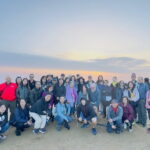
With a maximum of 10 travelers, you’re also less likely to feel like a number. Small-group pacing can mean more time for questions—especially at places like Pashupatinath, where understanding what you’re seeing makes the experience better.
Should You Book This Heritage Sites + Easy Hike Tour?
I’d book it if you want a compact Nepal trip with real variety: UNESCO culture in Kathmandu, forest walking in Shivapuri National Park, Nagarkot hilltop atmosphere, and a temple finish at Changunarayan. It’s also well suited if you’re new to trekking or just want something active without the brutal days.
I might skip or adjust if you:
- are only interested in city sightseeing and don’t want early sunrise logistics
- can’t handle walking on uneven trails for consecutive days
- want the trip to include all entrance fees and drinks, with no extra spending
If you fit the first group, this is a tidy way to get Nepal’s core flavors without overpacking your schedule.
FAQ
What time and where does the tour start?
The meeting point is Thamel Marg, Kathmandu 44600, Nepal, and the start time is 9:15 am.
How long is the tour, and what’s the approximate schedule?
It runs for about 5 days, including arrival in Kathmandu, a guided UNESCO day, roughly two and a half days of hiking, and a sunrise day that ends back in Kathmandu.
What’s included during the trekking portion?
During trekking, you get breakfast, lunch, and dinner, plus lodge accommodation for 2 nights. Transport from Thamel to Sundarijal is also included.
What’s not included in the tour price?
Not included are bottled water, entrance fees for the heritage sites, any national park fee listed as not included, lunch and dinner in Kathmandu, drinks during the trip, tips/gratuities, Nepal entry visa fee, international flights, and Kathmandu accommodation.
How big is the group?
The tour has a maximum of 10 travelers.
What’s the cancellation policy?
Free cancellation is available up to 24 hours in advance for a full refund. If the experience is canceled due to poor weather, you’ll be offered a different date or a full refund.