REVIEW · LE MORNE
Mauritius: Le Morne: Intimate Hike Away from the Crowd
Book on GetYourGuide →Operated by Mauritius My Paradise · Bookable on GetYourGuide
Le Morne changes fast once you start climbing. This intimate hike keeps you moving with small-group attention and rewards you with sunrise-over-the-ocean views from the top. I love that Vanessa runs it with a safety-first, step-by-step approach, and I love that you get 50+ action photos so you can actually remember how it felt, not just what it looked like.
The main thing to consider is the intermediate scramble. You’ll use hands and find your footing on a steep rocky section, so if heights make you tense or you have medical limits, this one may not be a good match.
In This Review
- Small-Group Route, Not a Production
- Timing That Helps You Beat the Crowd
- A Realistic Challenge Level
- Vanessa’s Safety and Well-Being Focus
- Summit Time Without Rushing
- Le Morne Sunrise Timing: Why This Hike Feels Different
- Vanessa as Your Guide: Safety, Pace, and Photo Proof
- The Trail in Numbers: 6 km, 490 m, and a Plan You Can Feel
- The Steep Scramble: How the 69 m Section Works
- Summit Moment: 20 Minutes That Actually Mean Something
- Descent With Nature Stops: Learning Without Turning It Into a Class
- What to Bring (and What to Leave at Home)
- Difficulty and Who It Fits Best
- Price and Value: Is $88 Worth It?
- Practical Tips Before You Go
- Should You Book This Le Morne Hike?
- FAQ
- How long is the Le Morne hike?
- How many people are in the group?
- Where do we meet for the hike?
- Is there a sunrise option?
- What’s the difficulty level?
- What does the hike include in terms of time at the summit?
- What should I bring?
- What is not allowed during the hike?
- What languages are spoken by the guide?
- What happens if weather is bad?
Small-Group Route, Not a Production
- 2 to 6 people max, so you’re not stuck hiking behind a crowd
- More than 50 photos of you on the move, plus a snack after
Timing That Helps You Beat the Crowd
- Morning and afternoon options, with many people choosing early for quieter summit time
- The goal is clear views when conditions allow
You can also read our reviews of more tours and experiences in Le Morne.

A Realistic Challenge Level
- About 6 km total, with 490 m of elevation gain
- Steeper parts where you’ll use hands and a three-point contact method
Vanessa’s Safety and Well-Being Focus
- Vanessa has a BSc in Physiotherapy and plans the pace around your body
- Regular stops, plus guidance when you need extra help on footing
Summit Time Without Rushing
- About 20 minutes at the top to take in the panorama
- Then a slower descent with learning stops along the way
Le Morne Sunrise Timing: Why This Hike Feels Different
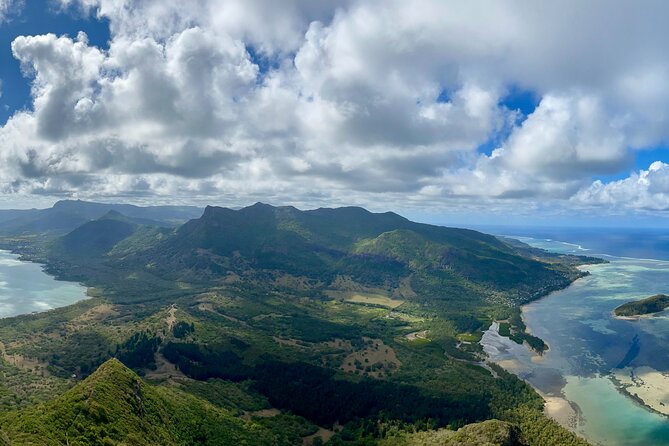
If you come to Mauritius and only do beach time, you’ll miss a classic piece of the island’s story. Le Morne Mountain is dramatic in shape and history, and the hike is the fastest way to understand why people talk about it like a landmark and a spiritual place at once. The best part here is that the hike feels personal, not like you’re lining up with a thousand other walkers.
You start at Wapalapam Island Eatery, meeting at the front of the restaurant just before the roundabout when you head toward Le Morne public beach. It’s a practical spot that also makes it easy to plan breakfast or a post-hike bite. If you choose the sunrise option, you’re also buying yourself a quieter climb and calmer top time, because you’re starting before the main wave of hikers.
There’s also a plain reason this format works: with a small group, you can actually walk at the pace that fits your legs and your comfort level. Vanessa builds in rest stops and gives clear movement instructions so you don’t spend the hike guessing.
One more thing I like: this isn’t a “just hike and good luck” situation. Vanessa’s background in physiotherapy shows up in how she talks to you about posture, grip, and pace, so the challenge feels more manageable.
Vanessa as Your Guide: Safety, Pace, and Photo Proof
Vanessa is the reason this experience gets repeated high marks. She’s not only guiding you up a mountain; she’s managing the human side of a steep hike. That means she checks in, adjusts the tempo, and gives instructions you can follow even if you’re not a regular hiker.
Her physiotherapy training comes through in practical ways. You’ll get step-by-step guidance for the ascent and descent, and she emphasizes safe technique on the rocky sections where hands and feet matter. People who say they’re nervous about heights often mention that Vanessa helps them feel stable by telling them exactly where to place hands and how to move through the scramble.
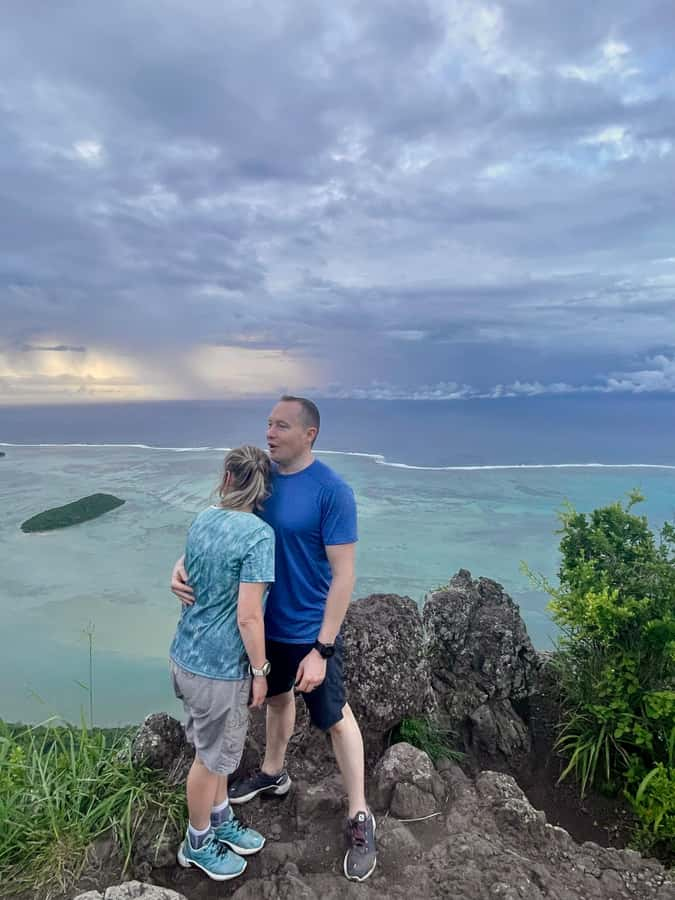
Then there’s the memory bonus: you get 50+ action photos of your hike. The hike is hard to film while you’re climbing, so this matters. You’ll get a collection that shows you on the move, not just a shaky panorama from the side. You can focus on the climb without thinking about your camera every five minutes.
This is also why small-group format matters. When the group is tiny, Vanessa can watch your footing and your form, and you’re more likely to get personal encouragement rather than generic instructions.
The Trail in Numbers: 6 km, 490 m, and a Plan You Can Feel
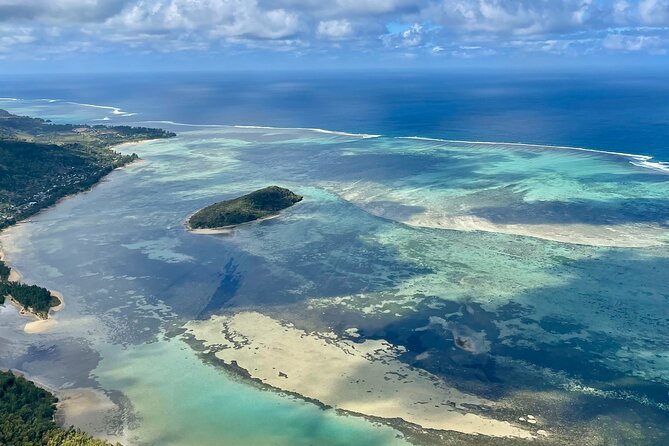
Let’s talk specifics so you can judge if you’re up for it. The hike is about 6 km total with roughly 490 m of elevation gain. That doesn’t sound crazy on paper, but Le Morne is steep in sections, so your legs feel it.
The hike runs about 4 hours overall. The ascent portion is 1.5 to 2 hours, with multiple rest stops. You’ll climb to around 260 meters above sea level on a cardio-focused, steady section. This part is your warm-up and your chance to find rhythm.
After that comes the steeper work. You move into a 69-meter scramble section using hands and feet with a three-point contact approach for safety. Don’t treat this like a movie stunt; treat it like controlled movement. If you do that, the scary parts turn into a skill you can follow.
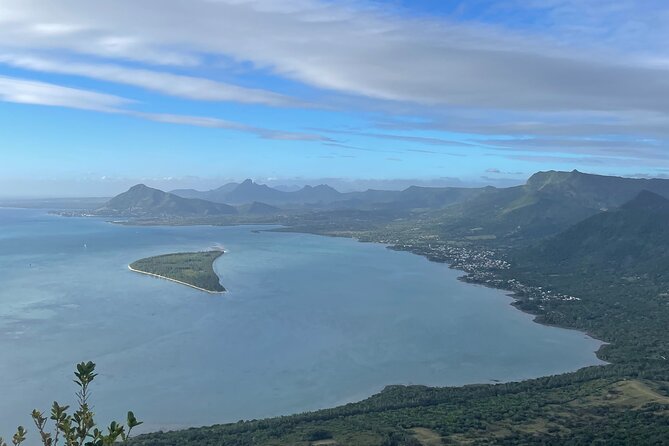
After the scramble, there’s continued ascent to the summit at about 493 meters above sea level. The summit stop is about 20 minutes, enough time for photos and a real pause to take in the panorama and the ocean below.
On the way down, plan for about 1.5 hours and more frequent stops. The descent isn’t just walking downhill; it’s part of the experience where Vanessa talks about plants and local features as you go.
The Steep Scramble: How the 69 m Section Works
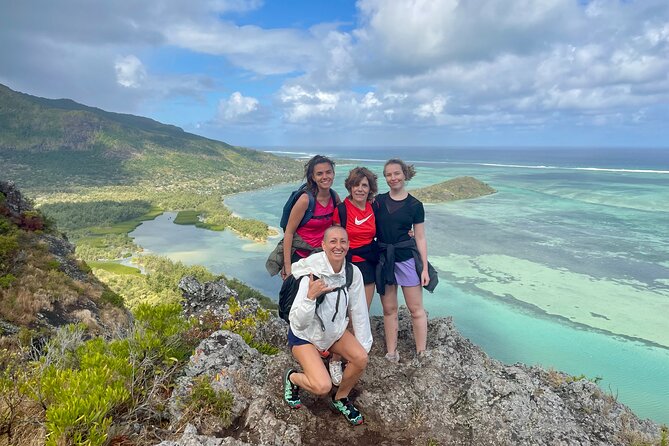
The hardest part of the hike is not the whole climb. It’s the fact that one chunk asks you to use hands. The scramble section is about 69 meters, and the technique is the point: three points of contact, hands and feet working together, and careful body positioning.
If you’re worried about falling, you’re not alone. People often bring that fear directly to Vanessa, and her style is to explain what to do rather than just tell you to be brave. When she points out where to place your hands and feet, you’re doing the right thing instead of relying on hope.
A useful mental shift: think less about “getting up fast” and more about “placing your weight.” If your grip and stance feel stable, the scramble feels shorter. If you rush, it feels worse. Vanessa’s pace tends to protect you from rushing.
This is also where your shoes matter a lot. You’re required to wear closed-toe shoes with good grip. Avoid sandals or flip-flops because you need traction and support for rocky steps.
If you’re afraid of heights, this is still possible for some people, but it’s not the right choice for everyone. This hike is specifically for those who can handle exposure on steep terrain and follow safety instructions.
Summit Moment: 20 Minutes That Actually Mean Something
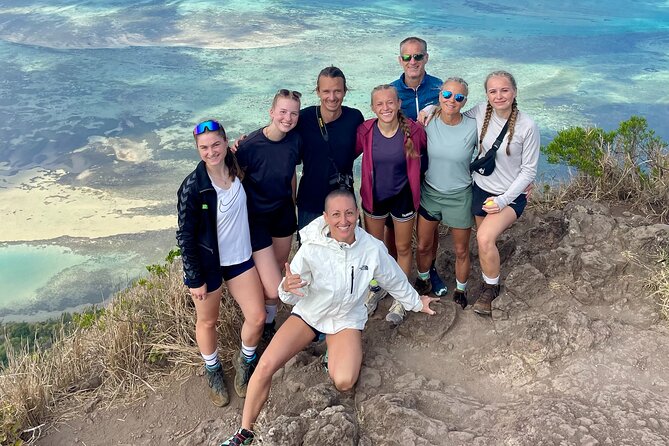
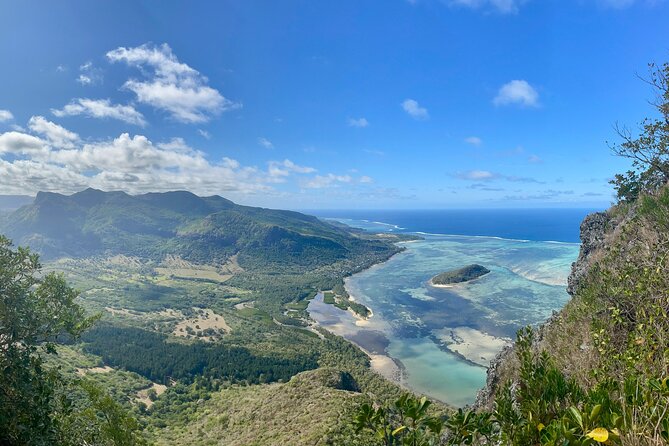
At the top, you get about 20 minutes at the summit. That’s long enough to breathe, sit if conditions allow, and take in the 360-degree views as the light changes over Mauritius.
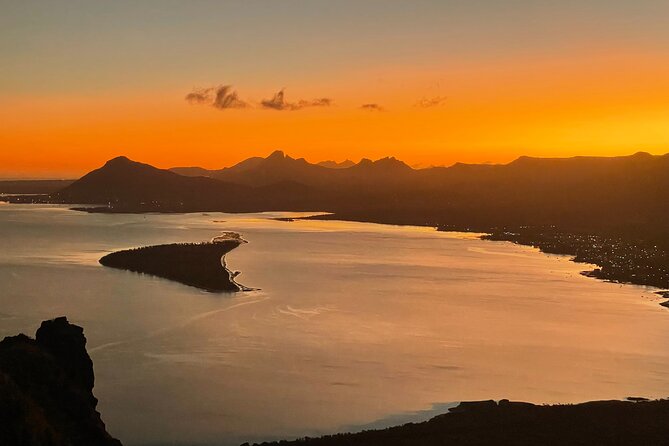
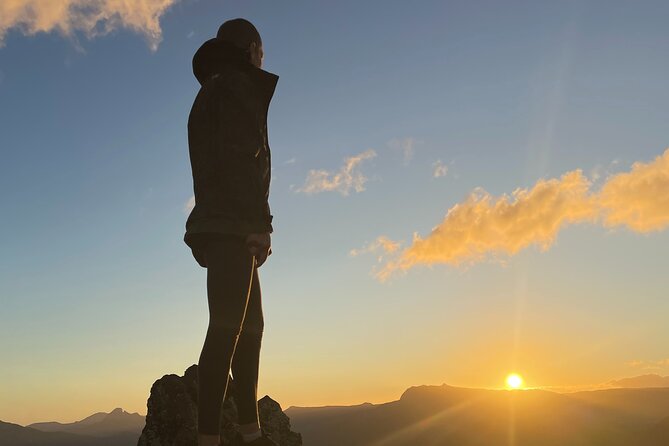
If you go for sunrise, it’s a special kind of quiet. You’re climbing in early darkness or low light, then you arrive as the sky shifts and the ocean looks like it’s been painted. People also talk about how the timing helps them feel like they’ve stepped away from the crowd and into something calmer.
If you choose the afternoon, the route still has that payoff, but the vibe can be more about sea breezes and changing shadows as you climb. Either way, the summit time is structured, not rushed.
Also, the hike is designed so you reach the top with enough energy to enjoy it. You’re not sprinting to a checkpoint. The built-in rest stops and the guide’s pace keep the summit from feeling like a sprint finish.
Descent With Nature Stops: Learning Without Turning It Into a Class
Coming down can feel easier, but the rocks still demand focus. You’ll spend about 1.5 hours descending, with regular stops. This is when Vanessa shifts from “climb safely” to “notice what’s around you.”
She teaches about exotic and endemic species—plants and wildlife unique to the region—so you’re not just staring at your feet the whole time. The learning stops add meaning to the legs-and-breathing work. You’re earning the view, and then you’re also getting context for what you’re seeing.
A good reason this part matters: it keeps the hike from being only physical. Even if you’re not into botany, hearing what something is and why it matters makes the mountain feel more alive.
One practical thought: if you’re prone to sore knees, take the descent slowly. Keep your weight controlled and follow the guide’s movement tips.
What to Bring (and What to Leave at Home)
This is a hike with rules, and they’re there for your comfort and safety.
Bring:
- Comfortable shoes with good grip
- 1.5 liters of water
- Comfortable clothes, and light colors for hiking
- Sunscreen
Not allowed:
- Sandals or flip-flops (also avoid open-toed shoes)
- Headphones
- Alcohol and drugs
- Smoking
- Littering
- Bare feet
I’m big on this list because it protects your hike. Open-toed shoes might look casual, but you’ll regret it fast on rocky steps. Headphones kill your ability to hear instructions in a hands-on scramble, especially if the group is moving across uneven terrain.
Also plan for weather. The activity may be postponed with adverse conditions, so don’t schedule something tight right after your hike.
Difficulty and Who It Fits Best
This is marked as intermediate. That doesn’t mean you need to be an expert hiker. It means you should be comfortable with steep, uneven terrain and the idea of a controlled scramble where hands help.
It’s not suitable for people with:
- Back problems, mobility impairments, wheelchair users
- Heart problems, respiratory issues
- People with vertigo or who are afraid of heights
- People without experience or with low fitness
- People with pre-existing medical conditions or recent surgeries
- People with altitude sickness or motion sickness
- Pregnant women
- Children under 7
That list is strict. I get why. Le Morne asks for stable movement, and the guide needs to manage everyone’s safety on steep sections.
If you’re a couple, close friends, or a family group who wants privacy and a personal guide rather than a mass climb, this format is ideal. The small group size is exactly why many people love it.
Price and Value: Is $88 Worth It?
At $88 per person for about a four-hour experience, you should look at what’s included, not just the headline number.
You’re paying for:
- A specialized guide (Vanessa) with strong safety focus
- A small-group hike capped at 6 people
- Memorable photos (50+ action shots)
- A healthy snack
- A plan designed to help you avoid the crowd by timing and small-group routing
The photos alone can make the price feel reasonable. If you’ve ever hiked a tough peak, you know it’s hard to get good shots when you’re concentrating on footing. Here, someone captures the moments while you climb.
The small-group format also matters. You’ll get more attention during the scramble, and that can be the difference between feeling tense and feeling in control.
Bottom line: this is good value if you want a real guide-led experience with photos and a smoother mental experience. If you want a cheap DIY hike with no guidance, then this price probably feels high.
Practical Tips Before You Go
Here are a few things that make this kind of hike go smoother:
- Start with a good pair of grippy shoes. Don’t rely on luck.
- Bring the water you need. You’ll climb steadily, rest often, then descend with focus.
- Mentally prepare for the fact that you’ll use hands in one section.
- If you’re choosing sunrise, commit to the early start. The payoff is worth it when visibility is good.
- Listen to Vanessa’s instructions even if you feel confident. Confidence is great. Safe technique is better.
If you’re going with a family member or partner who’s not a strong hiker, this format can still work because the pace gets managed. Just be honest with your comfort level before you start.
Should You Book This Le Morne Hike?
Book it if you want:
- A small-group experience away from the crowd
- A guided climb with step-by-step safety instructions
- A summit view plus photos that actually show you doing the hike
- Either a morning sunrise option or an afternoon version
Skip it if:
- Heights make you panic, or you’re not comfortable with a rocky scramble
- You have medical limitations listed for this hike
- You’re looking for a casual walk with no hand-use climbing
If your goal is an authentic Le Morne experience that feels personal from the first briefing to the last descent stop, this is a strong choice. Vanessa’s style is practical, supportive, and focused on getting you to the top safely—then letting you enjoy that view without rushing.
FAQ
How long is the Le Morne hike?
The experience lasts about 4 hours, including the ascent, summit time, and descent.
How many people are in the group?
The group is small, limited to a maximum of 6 participants.
Where do we meet for the hike?
Meet at the front of Wapalapam Restaurant, just before the roundabout on your left heading to Le Morne public beach.
Is there a sunrise option?
Yes. There’s a morning option, and many people choose early starts to catch sunrise.
What’s the difficulty level?
It’s listed as intermediate. There are steep sections and a scramble where you use hands and feet.
What does the hike include in terms of time at the summit?
You’ll spend about 20 minutes at the summit taking in the panoramic views.
What should I bring?
Bring comfortable closed-toe hiking shoes, 1.5 liters of water, comfortable clothes (light colors for hiking), and sunscreen.
What is not allowed during the hike?
Sandals/flip-flops, open-toed shoes, headphones, smoking, alcohol, drugs, and littering are not allowed. Bare feet are also not allowed.
What languages are spoken by the guide?
The live guide speaks English and French.
What happens if weather is bad?
The activity may be postponed due to adverse weather conditions.