REVIEW · CRETE
Samariá Gorge Hike: Day Excursion from Chania
Book on GetYourGuide →Operated by MTM Experiences · Bookable on GetYourGuide
Samariá Gorge is the kind of hike you remember for years, not days. This day trip from Chania delivers a full UNESCO Biosphere Reserve experience, with dramatic limestone walls, tiny villages, and a guided route that keeps the day from feeling like a DIY scramble.
I really like the structure: hotel pickup and air-conditioned coach get you moving without stress, and the local guide adds context as you walk. I also like the built-in support along the way, with stops for toilets and drinking water during the toughest sections.
One possible drawback: it’s a long, physically demanding day on rough, rocky ground, and the schedule can include waiting time after you reach the sea—especially if you move fast.
In This Review
- Key things that make this trip worth your time
- Why Samariá Gorge from Chania Is More Than a Walk
- Pickup and Coach Ride: Smooth Logistics, Tight Seating
- Entering the Gorge: 18 Kilometers of Uneven Terrain
- The Real Tempo: How Fast Walkers Can Still Wait
- Stops Inside the Gorge: Toilets, Water, and the Narrow-Choke Points
- Agia Roumeli: Your Coastal Reward (and the Food Budget)
- Boat to Sougia and the Coach Back to Chania
- Price Breakdown: What You Pay Versus What You’ll Add
- Who This Trip Is For (and Who Should Skip It)
- Packing Tips That Actually Help on This Gorge Day
- The Guide Factor: Clear Instructions and Friendly Energy
- Should You Book This Samariá Gorge Day Trip?
- FAQ
- How long is the Samariá Gorge day excursion from Chania?
- How far do you hike inside Samariá Gorge?
- Are the admission and boat tickets included in the price?
- Is food included during the break at Agia Roumeli?
- What’s the return plan after the gorge hike?
- What should I wear or bring for this hike?
- Who should not book this tour?
Key things that make this trip worth your time
- A guided UNESCO Biosphere Reserve walk through the iconic limestone gorge
- Tough terrain, clearly explained upfront so you can judge your fitness honestly
- Toilets and drinking water at set stopping points during the hike
- Agia Roumeli break at the end of the gorge with time to eat and get into the water
- Boat return from Agia Roumeli to Sougia, then coach back to Chania
Why Samariá Gorge from Chania Is More Than a Walk
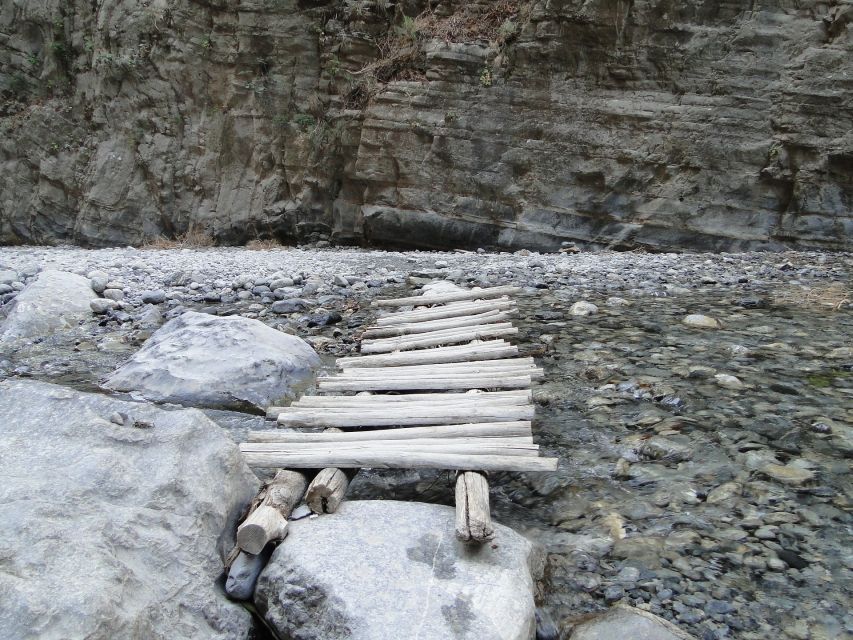
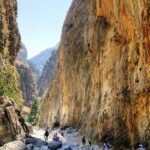
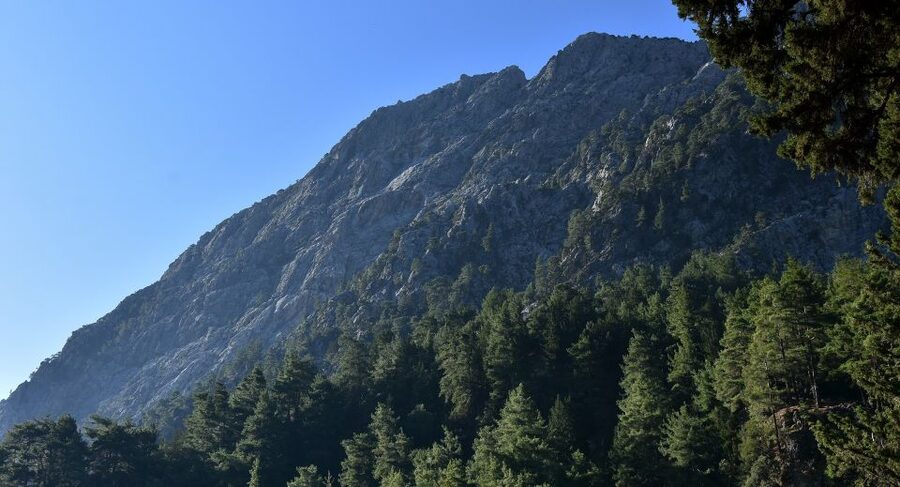
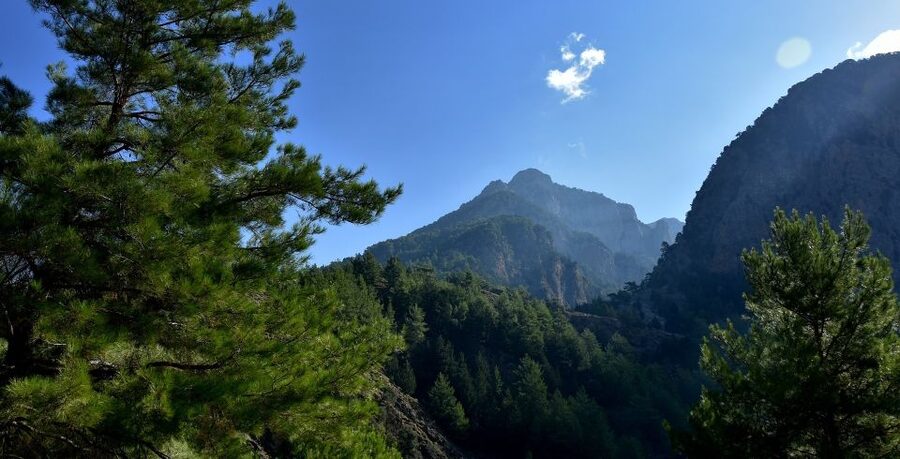
Samariá Gorge is a National Park and a UNESCO Biosphere Reserve. That matters because you’re not just hiking for views—you’re walking through a protected system shaped by limestone cliffs, narrow passages, and the way life clings to this terrain in Crete’s south.
This trip also feels like a true day excursion, not a half-day “stretch your legs” outing. You’ll spend hours in motion, then land at the coast for a break that keeps the whole plan from feeling like one long grind.
And yes, it’s visually dramatic: high limestone cliffs rise on both sides, and you pass through spots that feel like small Crete villages were cut into the canyon walls. The payoff is real, even if the route asks a lot of your knees and stamina.
You can also read our reviews of more tours and experiences in Crete.
Pickup and Coach Ride: Smooth Logistics, Tight Seating
The day starts with hotel pickup and drop-off, plus transportation by air-conditioned coach. That’s a big practical win in Crete, where getting across the island takes time and buses are often the easiest option.
The ride itself can be comfortable, but you should assume the coach fills up. One review pointed out that the bus was full with tight seating and limited legroom, so if you’re tall or you dislike shoulder-to-shoulder travel, plan accordingly.
English is supported through a live guide, and that matters because Samariá isn’t just a physical challenge. You get local explanations about the history of the area, which turns the gorge from scenery into something you can place in context.
Entering the Gorge: 18 Kilometers of Uneven Terrain
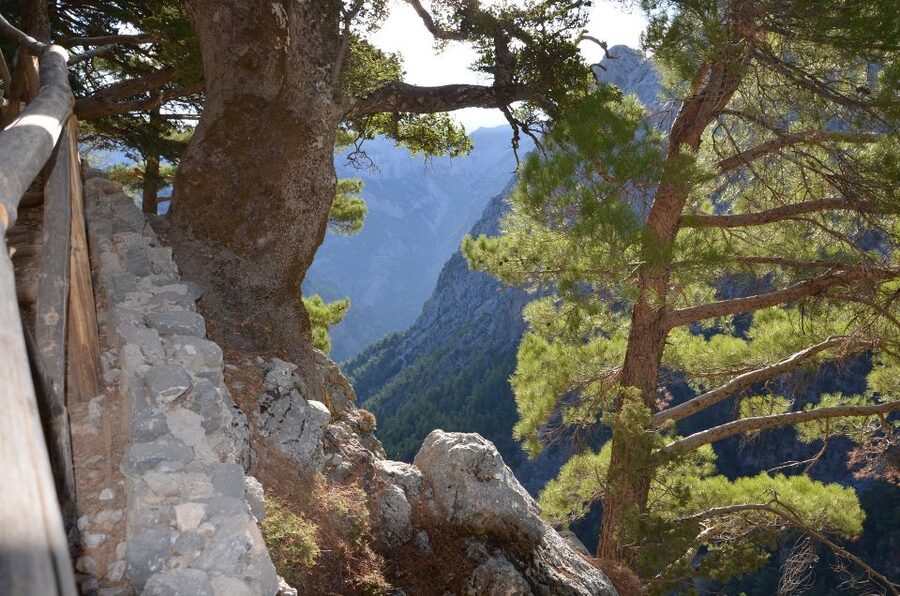
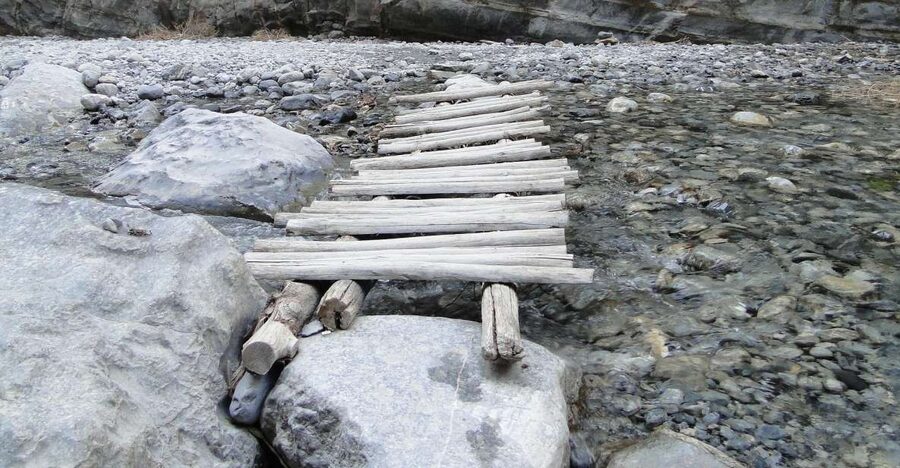
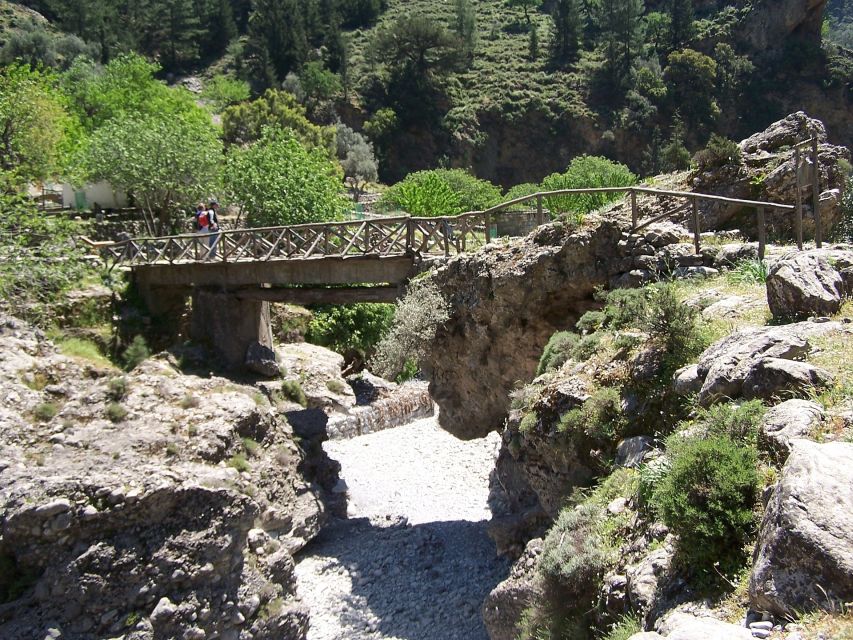
The walk from one end of Samariá Gorge to the other is about 18 kilometers. It’s challenging, and not because it’s long in a casual way. The terrain is rough, rocky, and uneven, with sections that require careful footing.
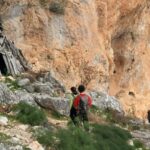
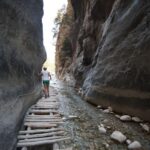
This isn’t a “wear sneakers and forget it” hike. You may need to climb over boulders, and some parts of the gorge are extremely narrow—around 3 meters wide. That’s thrilling if you like tight places, but it’s also where you should keep your pace steady and your head up for where you’ll place your feet.
The guide-led format helps here. Even without fancy “trail magic,” a good guide helps you move as a group and gives you practical instructions before you start. You’ll also understand what to expect in advance, which makes the first hour less stressful.
The Real Tempo: How Fast Walkers Can Still Wait
Here’s the thing people don’t always say out loud: you can be strong and still end up waiting. One review described arriving at the sea around 12:15 p.m., then facing a later group meeting for ferry tickets at 4:00 p.m. After that meeting, there was about 1.5 hours of free time until the ferry.
So even if you finish your hiking portion quickly, the overall day can still feel long. The value is that your schedule is managed for you, but the trade-off is less control over timing.
If you’re the type who likes to hit the trail and keep going, you’ll still have a good time. Just mentally prepare that the day’s total effort can feel much longer than your active hiking time.
Stops Inside the Gorge: Toilets, Water, and the Narrow-Choke Points
The hike includes a number of stopping points. These are not decorative pauses. They’re there for logistics—toilets and drinking water—and they help you recover just enough to keep moving.
Those stops also matter psychologically. Samariá can feel punishing in stretches because your body is dealing with constant changes in elevation and footing. Knowing there will be a place to reset helps you avoid the “go too fast, burn too soon” trap.
Then there are the narrow pinch points. When the gorge compresses to just a few meters across, you feel the walls close in. That’s part of what makes the gorge famous, but it’s also where you’ll want to slow down, keep your grip on stable rocks, and avoid rushing.
Agia Roumeli: Your Coastal Reward (and the Food Budget)
At the end of the gorge you reach Agia Roumeli. This is where the tone shifts from “workout” to “reward,” and it’s usually the moment the day stops feeling like pure effort.
You’ll have a break and a bite to eat, but food and drinks are not included. So plan a modest budget for lunch or snacks here. If you want to make it easy on yourself, treat this as your main meal and carry small items earlier for energy rather than relying on finding the perfect snack at the last minute.
Many people also take advantage of the coast time. One review mentioned swimming in the sea after reaching Agia Roumeli, which fits the idea: you’ve just walked through a rocky canyon, so getting into the water can feel like a pressure release for your legs.
Boat to Sougia and the Coach Back to Chania
After the Agia Roumeli break, you return by boat to Sougia. Boat time is part of the charm here. It breaks up the day and gives you a moving pause where you’re not negotiating rocks and steps.
From Sougia, the coach takes you back to your starting area. The boat ticket is not included (it’s listed separately), so be ready for that extra cost when you’re planning your total day budget.
The return trip is also where tiredness shows up, especially if you’ve been pushing your pace. If you’re prone to motion sickness on buses or boats, pack your usual remedies and keep a water bottle handy.
Price Breakdown: What You Pay Versus What You’ll Add
The headline price is $47 per person, and what you’re really buying is the whole package of organization: pickup and drop-off, a local guide, and transportation by air-conditioned coach.
But there are additional costs you should factor in:
- Samariá Gorge admission fee: EUR 10.00
- Boat ticket from Agia Roumeli to Sougia: EUR 14
- Food and drinks: not included
If you’re budgeting, those add-ups matter. Still, the overall value often holds because you’re paying for the guided route, the transport on both sides of the gorge, and the boat logistics that would be a hassle to coordinate alone—especially with group timing.
So I see the $47 as the “core mechanics” price. Your real total day cost becomes the admission and boat fees plus whatever you spend eating on the coast.
Also remember one detail that changes the value equation: bus comfort. If you’re stuck with tight seating on a full coach, you’re paying for function more than luxury. The price still makes sense if you want the gorge experience, but don’t pretend this is a private transfer day.
Who This Trip Is For (and Who Should Skip It)
This hike is not for everyone, and the limits are clear. The gorge route is not suitable for people with heart problems or for anyone who isn’t fit enough for rough, uneven ground. Pregnant women are also not included, and people with mobility impairments shouldn’t plan on this one.
Children under 18 are also not recommended. The hike is too strenuous, and the terrain demands real attention.
On the other hand, if you’re a fairly confident hiker, this is one of the best ways to see Samariá without turning your day into a transportation puzzle. The guided context is a plus. And the boat return plus the coastal break at Agia Roumeli gives you a satisfying finish after a tough middle stretch.
Packing Tips That Actually Help on This Gorge Day
Bring the basics, but bring them for the realities of Samariá.
Wear comfortable shoes built for uneven, rocky paths. This isn’t the day for slick soles or shoes you’re still breaking in. Also wear comfortable clothes that you can move in for hours.
One rule to note: shorts are not allowed. That means you’ll want pants or knee-length alternatives that keep you covered for the rough ground and close-to-the-rock passages.
A simple strategy also works well: treat your body like it’s doing a long shift. If you tend to cramp, you might want water and small snacks even if there are stopping points. If you bruise easily, watch your footing near boulders and take turns carefully in narrow spots.
The Guide Factor: Clear Instructions and Friendly Energy
Guides play a big role on this hike. The format requires group management in a place where footwork matters, and a good guide keeps the day calm.
In past experiences, guides such as Pari, Nikos, and Ingrid have been praised for being friendly, organized, and providing clear instructions before the hike starts. That kind of upfront guidance matters because it helps you go into narrow sections with less guessing.
Even if you’re experienced, you’ll appreciate a guide who can explain what you’re seeing and where to focus your attention.
Should You Book This Samariá Gorge Day Trip?
Book it if you want the real Samariá experience with transport, guide support, and the full route from gorge to sea. It’s a strong choice for fit adults who can handle rocky uneven trails and who don’t mind a long day.
Skip it if you know you can’t handle strenuous walking, narrow passages, and boulder climbing. The rules aren’t there to be annoying. They’re there because the terrain and pacing can be unforgiving.
And go in with your expectations set: this is not a relaxed hike. It’s a physical challenge with a satisfying coastal reward at the end—and that combination is exactly why Samariá is worth the effort.
FAQ
How long is the Samariá Gorge day excursion from Chania?
The total duration is listed as 11 hours.
How far do you hike inside Samariá Gorge?
The walk through the gorge from end to end is about 18 kilometers.
Are the admission and boat tickets included in the price?
No. The Samariá Gorge admission fee (EUR 10.00) and the boat ticket from Agia Roumeli to Sougia (EUR 14) are not included.
Is food included during the break at Agia Roumeli?
No. You’ll have a break for a bite to eat, but food and drinks are not included.
What’s the return plan after the gorge hike?
You reach Agia Roumeli, take a break, and then return by boat to Sougia, followed by coach transfer back.
What should I wear or bring for this hike?
Bring comfortable shoes and comfortable clothes.
Who should not book this tour?
It’s not suitable for pregnant women, people with heart problems, children under 18, or people with mobility impairments.