REVIEW · CRETE
Crete: Samaria Gorge Hike
Book on GetYourGuide →Operated by TOURLINE · Bookable on GetYourGuide
Samaria Gorge is a full-day power hike. This guided trek in Crete follows the ancient Taras River route from the gorge’s gateway down to the sea, with dramatic cliffs, historic stops, and a well-earned payoff at the end.
My two favorite parts: the Iron Gates stretch, where the canyon squeezes down and the photos practically write themselves, and the moment you’re released in Agia Roumeli for a swim in clear Libyan Sea water. Both make the hours feel worth it.
One thing to plan for: this is a 17-hour day with rocky, sometimes slippery walking and strong sun. It is not for people with mobility limits, and it can feel punishing for older legs or anyone chasing a relaxed pace.
In This Review
- Key highlights at a glance
- Why Samaria Gorge feels like a journey, not just a hike
- Starting at Xiloskalo: where the Taras River route begins
- Skaleta stops before the park: small breaks that keep you moving
- Samaria Gorge National Park: guided hiking, photo stops, and the Kri-Kri story
- The abandoned village of Samaria: where the trail slows down and the views widen
- Iron Gates: the narrowest section and the best reason to come
- Agia Roumeli: swim time, meal time, and decompress mode
- The ferry to Sfakia and the ride back by bus
- Coach comfort, group flow, and timing reality
- Price and value: what the $56 covers (and what you’ll pay extra)
- What to pack for heat, slips, and sore legs
- Who should book this Samaria Gorge hike (and who should skip it)
- Should you book this Samaria Gorge hike?
Key highlights at a glance
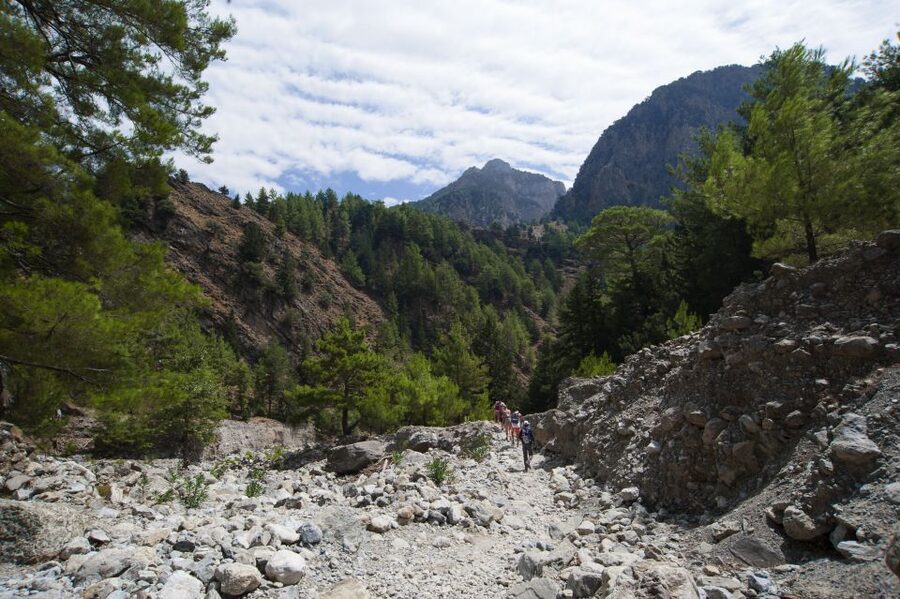
- Xiloskalo start with real canyon immersion: You walk into the gorge from the gateway area, not from some distant viewpoint.
- Wartime caves and the Kri-Kri connection: You’ll hear how sheltered caves now link up with Crete’s wild goats.
- Abandoned Samaria village: A historical stop that breaks up the walking with atmosphere and scale.
- Iron Gates photo moment: The gorge’s narrowest section is the big visual payoff.
- Agia Roumeli beach time: A swim and downtime in a coastal village, not just a quick stop.
- Multilingual guiding with energy: One review singled out guide Athina for clear instructions and humor.
Why Samaria Gorge feels like a journey, not just a hike
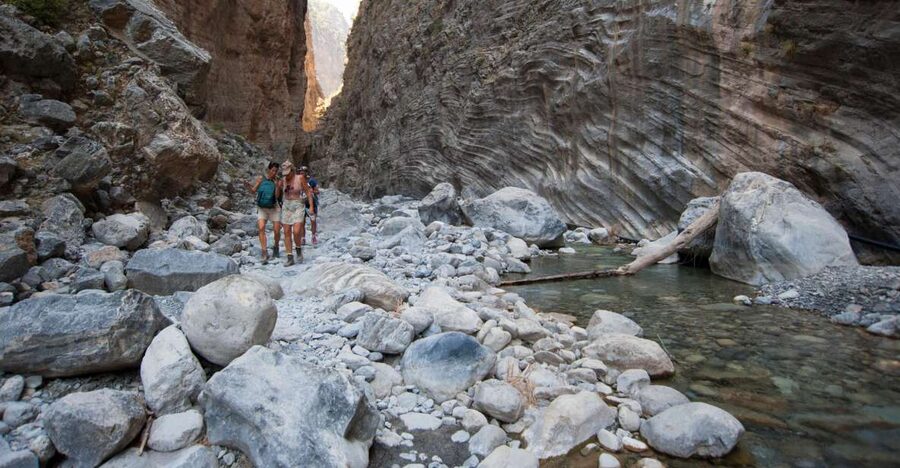
Samaria Gorge is famous for a reason: the route changes constantly. You’re not just looking at cliffs from one angle. The trail bends, narrows, and widens again and again, and you’re walking through a system of rocks, caves, and old human footprints that stretch toward the sea.
What makes this tour style work is the structure. You get transport, a guide, and a paced rhythm with breaks along the way. That matters on this kind of trek because it’s not one big adrenaline burst—it’s hours of steady effort, topped with the kind of scenery that makes you keep going.
And yes, it’s long. The gorge hiking portion is listed at about 6.75 hours, but the whole day runs around 17 hours door-to-door. So think of it as a full outing, not a half-day adventure.
You can also read our reviews of more tours and experiences in Crete.
Starting at Xiloskalo: where the Taras River route begins
Your day starts early, with pickup options across much of Crete’s north coast (Heraklion area and several resorts like Agia Pelagia, Malia, Stalida, Hersonissos, and more). You then roll by modern air-conditioned coach, with a typical coach ride segment of about 1.5 hours before the first break.
From there, the experience turns into the gorge itself. The tour begins at Xiloskalo, described as the gateway into Samaria Gorge. That’s your first big mental shift: you’re entering a canyon world where sunlight hits differently and the scale can feel unreal.
You’ll follow the route of the ancient Taras River, which is a smart way to explain what you’re doing. Instead of walking randomly along a trail, you’re moving along a corridor that once carried water through these same rock paths. That framing makes the terrain feel like a story you’re walking through.
Skaleta stops before the park: small breaks that keep you moving
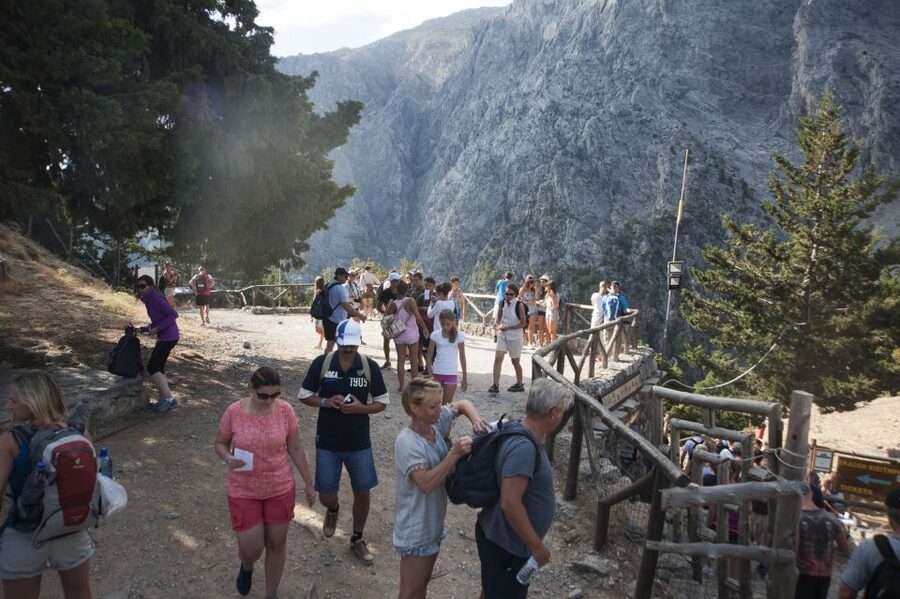
Before you reach the heart of the National Park, you’ll have the kind of breaks that matter on a long hike. The flow includes time in Skaleta (about 20 minutes) and a short local café break (about 15 minutes). Then you head into Samaria Gorge National Park.
These stops are not just convenience. They’re timing tools. If you’re going to survive the later rocky sections, you want your body ready by the time you’re in the gorge proper. On hot days, that means hydrating, checking your gear, and making sure you’re wearing shoes that can handle uneven ground.
Also, you’ll want to treat the main walking portion like a mission. Keep your pace steady early. Save big energy for the narrow, scenic moments later.
Samaria Gorge National Park: guided hiking, photo stops, and the Kri-Kri story
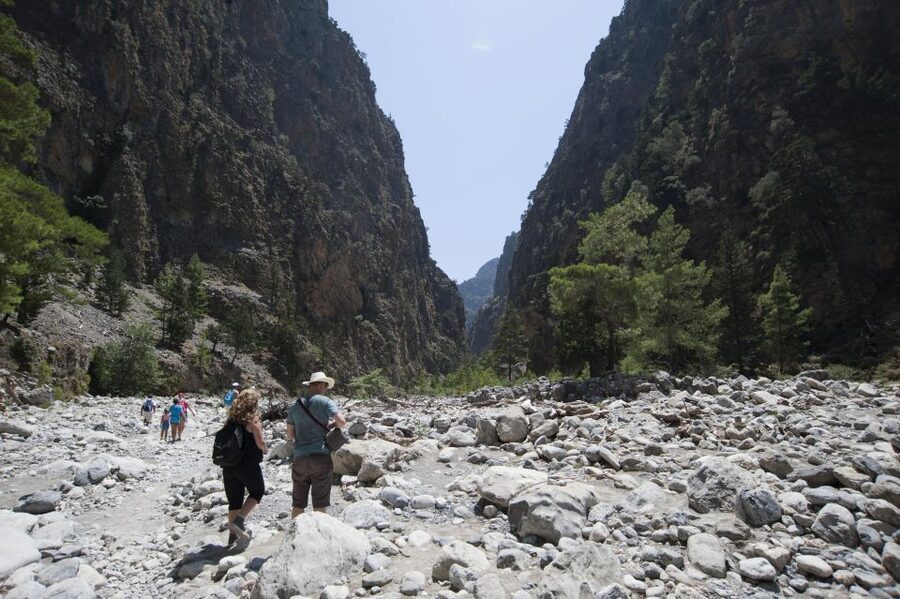
Once you’re inside the park, you’re in guided hike mode. The listed park time is about 6.75 hours, and it includes guided tour and scenic stops on the way. This is where the tour earns its value: you’re not just hiking—you’re getting context.
Along the route, the tour description highlights caves used by Cretans during wartime. In this gorge, that’s not trivia. It helps you understand why these places mattered historically and why the terrain includes sheltered spots.
The tour also connects those caves to Crete’s Kri-Kri (the wild goat found on the island). Even if you don’t see one right away, the explanation changes how you look at the rocks, ledges, and habitats.
And in real-world conditions, water planning becomes a big deal. Reviews point out that you can refill at checkpoints with fresh water along the way. That’s a practical lifesaver when the heat is strong, and it means you don’t have to show up with a giant backpack of water.
The abandoned village of Samaria: where the trail slows down and the views widen
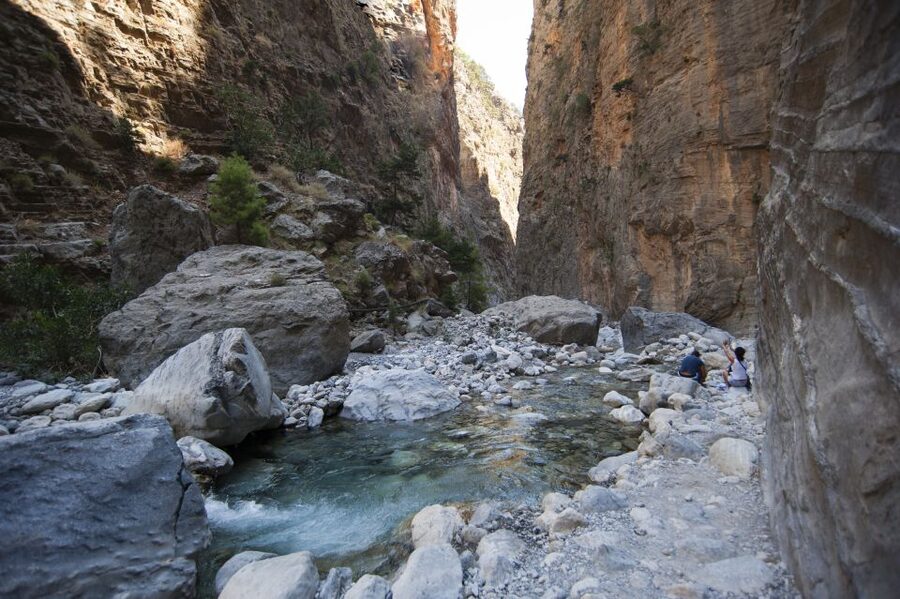
At some point in the gorge walk, you’ll reach the abandoned village of Samaria. This stop matters because it breaks the monotony that can creep in during long descents.
An abandoned village in a canyon is a powerful contrast. You go from moving through raw terrain to seeing evidence of past life in a place that now belongs mainly to goats, birds, and hikers. It also gives you a natural place to regroup—use the time to stretch your legs and check your footing before the route tightens again.
This is also one of the places where a good guide can keep you oriented. When you understand what you’re looking at, your pace gets smoother and you spend less energy guessing what’s next.
Iron Gates: the narrowest section and the best reason to come
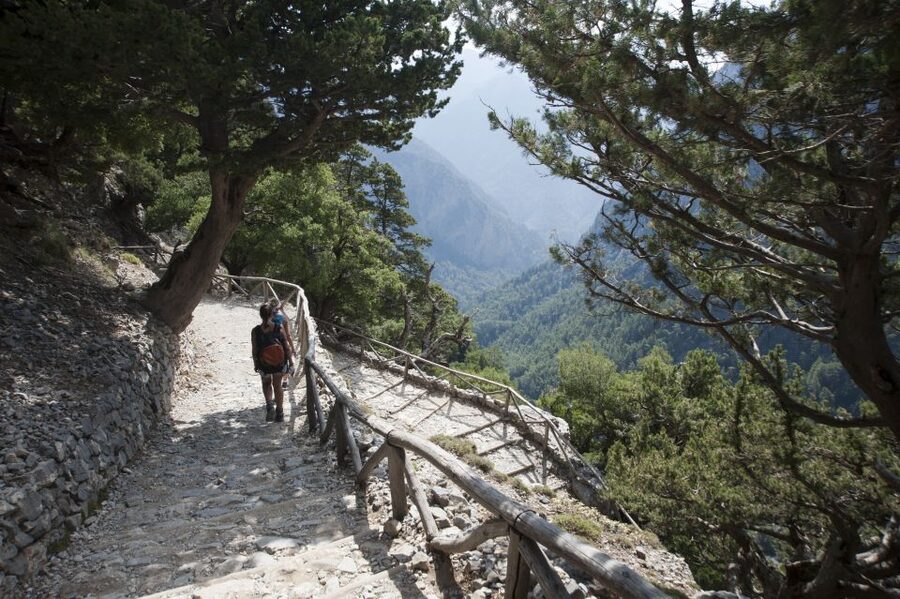
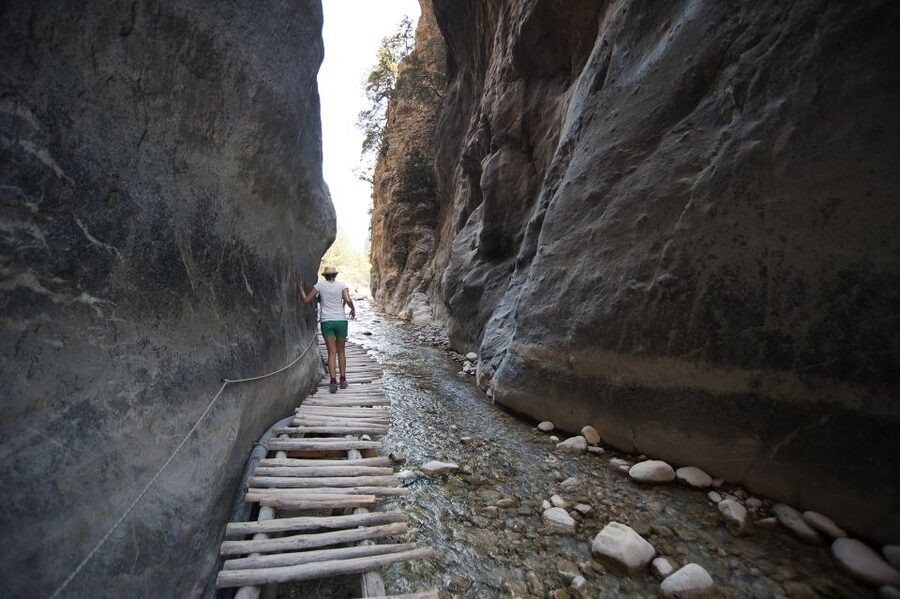
The Iron Gates are the gorge’s most dramatic pinch point, and the tour route specifically calls out this section as a must-see. Expect the “wow” effect to hit here: towering canyon walls, a tighter corridor of sky, and a feeling that the gorge is compressing everything toward the sea.
This is where you’ll usually want to slow down a bit. Not because the hike becomes hard in a technical sense, but because the best photos and best views take a minute longer than you think—especially if you want them without tripping over your own feet.
If your knees or ankles get cranky, consider this your strategic moment. Take it one step at a time. If you’re staying balanced and hydrated, this is often the payoff that makes people forget how hot and rocky the earlier sections felt.
Agia Roumeli: swim time, meal time, and decompress mode
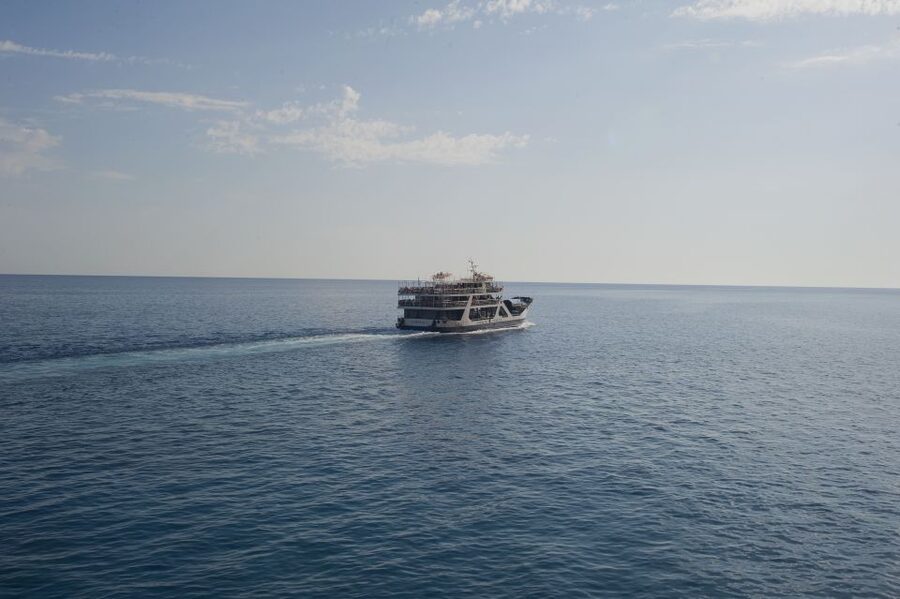
After finishing the gorge portion, you reunite with your guide in the coastal village of Agia Roumeli. This is not just a backdrop. It’s part of the experience design: you go from canyon walking to sea relief.
You’ll have time to relax, enjoy a meal at your own expense, and—most importantly—take a refreshing swim in the Libyan Sea. Reviews call this swim heavenly, and that makes sense. When you’ve been in sun and grit all day, cold water is like a reset button.
You can also use this block to let your muscles calm down. Even 15 to 30 minutes of gentle recovery helps you enjoy the rest of the day instead of just dragging through it.
The ferry to Sfakia and the ride back by bus
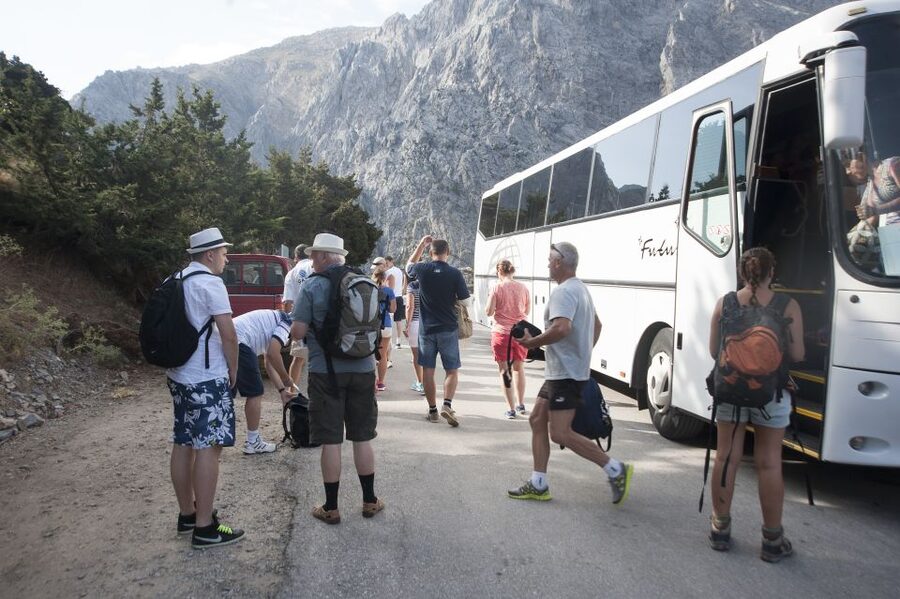
Once your gorge day ends, the tour continues with a scenic ferry ride to Sfakia, with coastal views along the way. You get a different kind of perspective now: you’re not looking down the canyon, you’re looking out along the south coast.
After Sfakia, it’s back by bus to the original pickup areas. One review mentioned returning to Heraklion around 10pm, which fits the listed 17-hour duration. If you start early, plan for a late-night finish and keep dinner simple when you get back.
Coach comfort, group flow, and timing reality
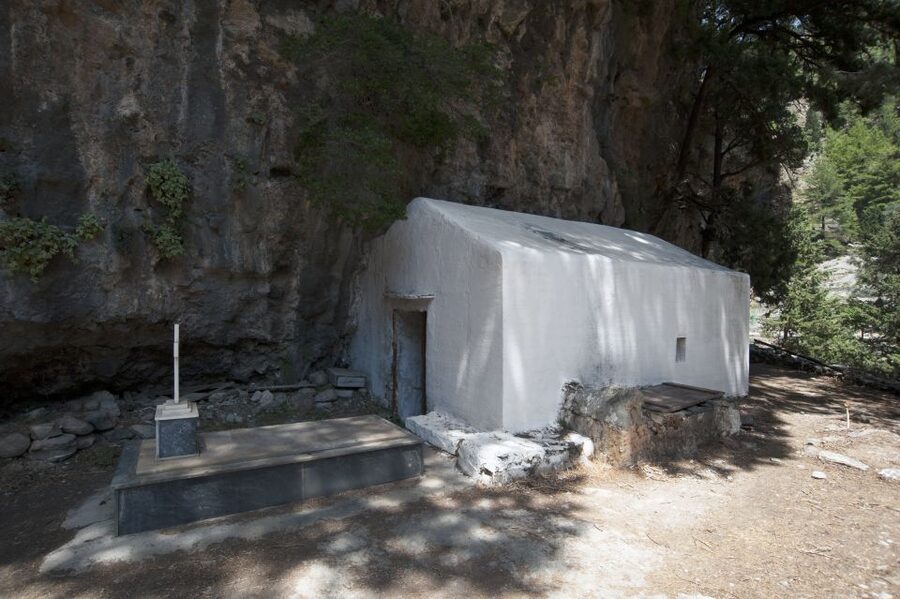
This tour is built around logistics: pickup from the main road near your hotel, an air-conditioned coach, and an experienced driver. That’s a big deal in Crete because getting across the island can eat up your day if you’re doing it on your own.
Still, group size can vary, and one review flagged that the bus felt crowded with limited space. That’s worth considering if you’re tall, you dislike tight seating, or you prefer a more personal experience.
Timing-wise, you can expect:
- Early departure from north-coast pickup areas
- Breaks at Skaleta and a local café stop
- Several hours inside the National Park for the guided hike
- A ferry ride and then the long ride back
The hike itself can feel manageable for fit walkers, but the conditions can be slippery. One review stressed that lane sections can be slippery and sun can be burning, so your shoes and sun protection are not optional.
Price and value: what the $56 covers (and what you’ll pay extra)
The price listed is about $56 per person, which covers the essentials: transportation in a modern full airconditioned coach, experienced bus drivers, and a multilingual live tour guide with pickup from main roads.
What’s not included:
- Samaria National Park entry ticket (€10)
- Boat ticket (Adults €14; Children 5–12 years €7)
So your real trip cost is a bit higher once you add tickets. But here’s the value math: the tour packages the hardest part—getting you to the right starting area, moving you through the gorge with guidance, and arranging the sea-side wrap-up with ferry and return. You’re paying for time you don’t have to plan, and for support when the route is long.
If you’re the type who enjoys solo exploration and already knows the logistics well, you might find ways to do it cheaper on your own. But if you’d rather spend your effort on the hike—not on transport transfers and ticket hunting—this format is a solid deal for a full-day outing.
What to pack for heat, slips, and sore legs
Samaria is serious about sun and footing. Reviews repeatedly mention hot conditions and the need for proper footwear. Here’s what you should bring, based directly on the tour requirements and what people emphasized after hiking:
- Comfortable hiking shoes (not just sneakers; you want something that grips on uneven, sometimes slick rock)
- Socks (they specifically recommend an extra pair)
- Sunglasses and hat
- Sunscreen
- Water (and take advantage of refill points along the way)
- Swimwear for Agia Roumeli
- A light jacket (you’re advised to bring one)
- Socks and a plan for sore feet by the end
One review tip: don’t overpack multiple water bottles if there are refill points available at rest areas and checkpoints. Bring what you need to get started, then refill as you go.
If you have light rain gear or a small packable wind layer, you might appreciate it, especially if the breeze off the sea feels cool after the swim. But stick to light, because you’re carrying it all day.
Who should book this Samaria Gorge hike (and who should skip it)
This tour is best for:
- Fit walkers who can handle a long, rocky descent and a full day outdoors
- People who want a guided hike with context—wartime caves, the Kri-Kri story, and clear route pacing
- Anyone excited by the idea of finishing with a beach swim and a ferry ride
It’s not a good fit for:
- People with mobility impairments or wheelchair users
- Children under 6
Also, take the “not suitable” note seriously for older travelers. One review specifically advised against it for elders or people with physical disability because of length, heat, and rocky terrain.
If you’re worried about knees, consider bringing walking poles if you already use them (one review suggested sticks as a helpful option for knee comfort). And if you’re unsure, choose footwear first. The difference between shoes that grip and shoes that slip can be the difference between enjoying the gorge and thinking about the next step nonstop.
Should you book this Samaria Gorge hike?
Book it if you want the real Samaria experience with transportation, an English live guide, and a day-ending reward at Agia Roumeli. The guided approach is especially worth it for the context stops—abandoned Samaria village, the caves, and the Iron Gates—because you’ll understand what you’re seeing instead of just walking through it.
Skip or reconsider if you’re shopping for an easy hike, hate hot sun days, or need an accessible trail. This is a serious walking day with uneven ground.
My practical take: if you show up with good grip shoes, sun protection, and a mindset for a long day, you’ll come away with canyon moments you’ll remember long after the bus ride ends.