REVIEW · KATHMANDU
Ghorepani Poonhill Hiking Nepal
Book on Viator →Operated by Mission Summit Treks And Expedition · Bookable on Viator
If you want the mountains without a huge time commitment, this trek fits. Poon Hill sunrise and sunset bring the big Himalayan drama, and the route mixes nature scenes with Gurung and Magar culture in small villages. I also like that it’s a short and easier trek—good for people who want real trekking without racing their fitness. One drawback to plan around: cloud cover can blur the views, so sunrise may be less spectacular if the weather doesn’t cooperate.
The best part is how well the trip is stitched together for you: pickup is offered, you get a mobile ticket, and your guide helps keep the day-to-day moving smoothly. The included package covers breakfast, lunch, dinner, permits, accommodation, and private transport, so you’re not constantly juggling logistics on the move. Based on what I saw in guide experiences (people citing Damu, Kamal, Prem, and Ambar), the human touch—helpful, attentive guiding—seems to be a strong theme, not an afterthought.
In This Review
- Key highlights I’d build my trip around
- Why Poon Hill hits the Nepal sweet spot
- A realistic 5-day rhythm from Kathmandu to the hilltop views
- Day 1: Kathmandu to the start of the trek (setup day)
- Day 2: Walking toward Ghorepani, village-to-village trekking
- Day 3: The rhododendron and culture portion gets real
- Day 4: Ghorepani base day and a big hilltop night
- Day 5: Poon Hill sunrise, then a return to Kathmandu
- Sunrise views over Annapurna: what you should actually expect
- Ulleri and the “short-but-real” trekking experience
- Lodges, meals, and the comfort level on a 5-day schedule
- Price and logistics: is $600 good value?
- Guides who pay attention make the difference
- Who should book this Poon Hill trek (and who might rethink it)
- Should you book Mission Summit Treks and Expeditions for Ghorepani Poon Hill?
- FAQ
- How long is the Ghorepani Poon Hill hike?
- Where does the tour start and end?
- What is the price per person?
- What’s included in the trek package?
- What is not included?
- Do I get pickup?
- Is this a private tour?
- Who can participate?
- How does cancellation work?
- Do I get anything like a ticket confirmation?
Key highlights I’d build my trip around
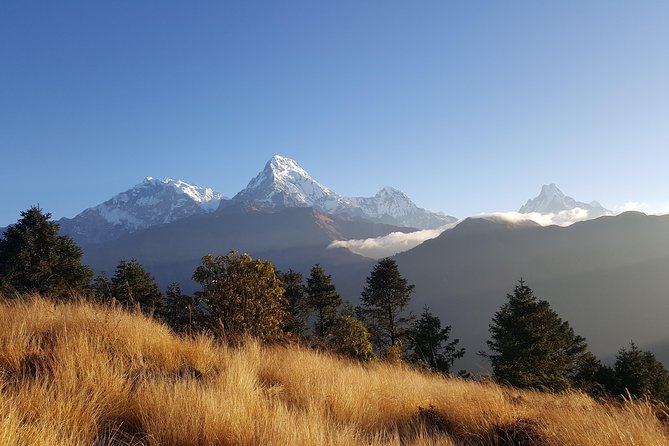
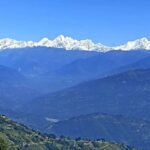
- Big panorama from Poon Hill with views that can include Dhaulagiri, Annapurna, Himchuli, Machhpuche, and Nilgiri
- Sunrise and sunset that are the main event of the trek, especially at the hilltop viewpoint
- Short, doable trekking days that still feel like a true Himalayan walk
- Gurung and Magar culture you’ll meet in the villages along the route
- Rhododendron country (one review specifically called out rhododendron forests in bloom)
- Guide support that feels hands-on, with named guides like Damu, Kamal, Prem, and Ambar mentioned for care and professionalism
Why Poon Hill hits the Nepal sweet spot
Ghorepani Poon Hill trekking is popular for a reason: it’s one of the quickest ways to get the classic Annapurna-region vibe. You get broad Himalayan sightlines, but you also spend time among real communities rather than just passing through. If you’ve only got a week—or even less—this is the kind of trek that lets you feel like you traveled, not just slept in transit.
What makes it especially appealing is the balance. You’ll see scenery that ranges from village streets and valley views to forest paths with changing vegetation. The trek is designed for people who want the core Nepal experience, including the cultural side (Gurung and Magar villages) and the mountain payoff, without committing to a long high-altitude expedition.
You can also read our reviews of more tours and experiences in Kathmandu.
A realistic 5-day rhythm from Kathmandu to the hilltop views
This package runs about 5 days and ends back at the same meeting point in Kathmandu, near Tribhuvan International Airport (Ring Rd, काठमाडौँ 44600). You’ll start with pickup offered, then shift from city life into trek mode. The included private transportation is a big deal here, because it reduces the mental load of “how do we get from A to B” on a tight schedule.
Since your trek centers on Ghorepani and Poon Hill, here’s the pacing you should expect from a common flow of this route type:
Day 1: Kathmandu to the start of the trek (setup day)
You’ll likely spend the first day transitioning out of the city and into the trekking area, with your guide handling the key arrangements. The trek is short, so the early priority is getting everyone settled so the hilltop morning isn’t a struggle.
What to watch for: this is the day you’ll set your pace and your layers. Even if you feel fine in the afternoon, sunrise waiting time can turn chilly fast.
Day 2: Walking toward Ghorepani, village-to-village trekking
As you move along the route, the experience becomes more about the texture of travel: tea-house stops, forest and hillside walking, and small community moments. This trek is built to be manageable—enough hiking to feel accomplished, but not the kind that crushes you on day two.
One review highlighted that the guides were attentive and hand-on throughout the week, which matches how a short trek works best: you want help with pacing and timing, not just someone saying good luck at the trailhead.
Day 3: The rhododendron and culture portion gets real
A standout detail from the reviews: rhododendron forests in bloom were specifically called out as a highlight. That matters because it changes the trek from purely scenic to actually memorable day-by-day—like you’re hiking through seasons, not just “from lodge to lodge.”
This is also where you’ll likely feel the Gurung and Magar presence more clearly in daily village life. You’re not doing a museum tour. You’re meeting the people whose homes and livelihoods sit along the trail.
Day 4: Ghorepani base day and a big hilltop night
This is the day where the trek pivots toward your sunrise push. You’ll be positioned so you can take advantage of early light, then spend the evening in the same rhythm: dinner, rest, and getting ready for the climb.
What I like about this setup is that it makes the sunrise feel planned, not accidental. You’re not guessing when and where you should be; you’re building your schedule around that first light moment.
Day 5: Poon Hill sunrise, then a return to Kathmandu
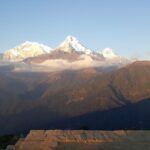
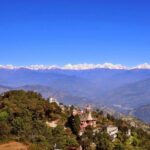
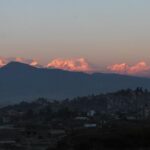
Poon Hill is the show. Reviews repeatedly point to the sunrise and the view experience as the reason people book this trek in the first place. If you’re lucky with skies, you’ll get sweeping mountain silhouettes that can include major peaks listed in the trek highlights: Dhaulagiri, Annapurna, Himchuli, Machhpuche, and Nilgiri.
After the morning viewpoint, the trek wraps and you head back toward Kathmandu, ending at the meeting point again. The package is built so you don’t have to invent your departure plan after you’re tired and happy.
Sunrise views over Annapurna: what you should actually expect
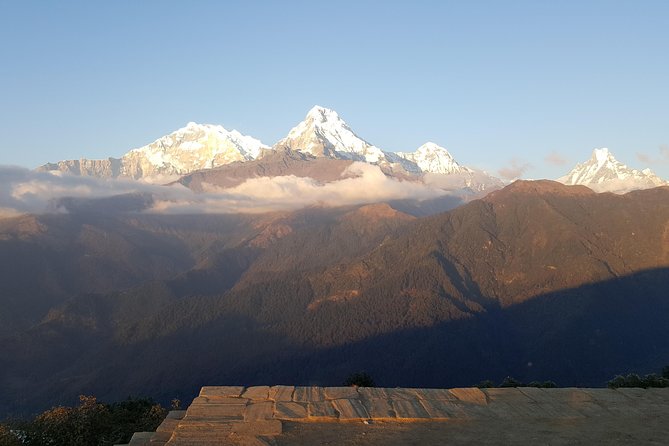
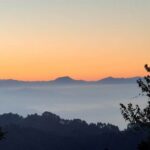
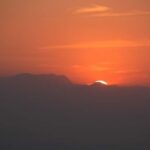
Let’s be real: Poon Hill sunrise is iconic because it’s dramatic. But the mountain view depends on weather. If the sky is clear, you’ll see layered Himalayan peaks across the region. If clouds hang around, the view can turn into a moody, misty version of the same experience—which can still be beautiful, just less “postcard sharp.”
The tour highlights name several potential mountain panoramas, including Annapurna and Dhaulagiri plus nearby peaks like Himchuli, Machhpuche, and Nilgiri. What that means for you is you’re not looking at one peak. You’re scanning a whole wall of mountains, which is why people call it a standout dawn and dusk viewpoint.
Practical tip: if you’re sensitive to cold mornings, plan to wear proper layers. Reviews mention guides being attentive and helpful, and that support really matters when you’re managing early wake-ups, cold hands, and the excitement that makes you forget to drink water.
Ulleri and the “short-but-real” trekking experience
One of the review titles specifically mentions Poon Hill from Ulleri with Tara Himalayan Vision, which hints at how Ulleri can fit into the route pattern on some versions of this trek. Even if your exact path varies, the key idea is the same: you’re hiking through hillside villages where the trail is part footpath, part community connection.
This is also where the trek earns the word easy (relative). You’re not signing up for technical terrain. You’re hiking in a way that builds confidence and keeps your energy for the viewpoint.
And because the trip is short, your guide’s choices start to matter more. In at least one review, Damu’s experience and safety-first mindset came through strongly when heavy snowfall required route adjustment on a different trekking plan. You should take from that: a good guide isn’t just leading; they’re managing conditions.
Lodges, meals, and the comfort level on a 5-day schedule
Here’s what’s clearly included: breakfast, lunch, and dinner are part of the package. You also get accommodation during the trek. That’s a big value point because it controls the biggest variable in trekking costs: where you sleep and what you eat.
What isn’t included: bottled water, alcohol, and coffee/tea. In other words, you’ll still make some small daily purchases. I’d treat water as a must, then budget tea/coffee and snacks like you would at home—just with Himalayan prices doing their little “surprise” routine.
The package also includes permits. For you, that means you don’t have to figure out paperwork while your feet are getting sore. Less admin, more walking.
Price and logistics: is $600 good value?
At $600 per person, this is not a “cheap and cheerful” trek. But it also isn’t just someone tossing you a map and hoping for the best. Based on what’s included, you’re paying for a full support structure: private transportation, guide, permits, and trek accommodation plus all meals.
To judge value honestly, compare what would cost money if you booked parts separately:
- Guide services (especially helpful on a short trek where timing matters)
- Permits
- Trek lodging during the walking days
- Daily meals (breakfast, lunch, dinner)
- Private transportation to handle city-to-trek transitions without you sweating logistics
What you’d pay outside the package:
- Bottled water
- Alcohol
- Coffee/tea
- Accommodation in Kathmandu and Pokhara and all city expenses
- Tips for guide (not listed as included)
That last part is important. If you’re thinking you’ll roll straight through without paying for city nights, double-check your plan. The trek covers lodging during the trek, but city lodging is specifically called out as not included. If you want a smooth start, you’ll want to reserve city nights early and budget for them.
Another small practical plus: it’s a private tour/activity, meaning it’s just your group. That can improve comfort and pacing, especially if you’re traveling with friends or family and don’t want the added rhythm of a mixed group.
Guides who pay attention make the difference
One of the most praised aspects in the feedback is the guide experience. People name Damu repeatedly, plus Kamal, Prem, and Ambar. The themes are consistent: guides are described as professional, friendly, attentive, and supportive—not just “walking ahead and waiting.”
Why that matters for you: on a short trek, you don’t have extra days to recover from mistakes. A guide who helps with pacing, timing, and problem-solving (like route decisions in changing conditions) can turn the trek from stressful to smooth.
If you’re a first-time trekker, that support becomes even more valuable. One review framed the trek as a first trek experience made possible by a guide who convinced them it was doable—and then made it happen. That’s exactly how I’d want support if I were unsure about my fitness.
Who should book this Poon Hill trek (and who might rethink it)
This trek is a strong fit if:
- You want real Himalayan views without booking a long expedition
- You want a short, easier trek with meaningful cultural interaction
- You like sunrise and sunset viewpoints and are happy to build your schedule around them
- You prefer having meals, permits, and logistics handled so you can focus on the walk
You might rethink it if:
- You’re only after guaranteed perfect mountain visibility (weather controls that)
- You don’t want any extra spending in Kathmandu/Pokhara since city accommodation and expenses aren’t included
- You dislike early mornings (sunrise is the main event)
Should you book Mission Summit Treks and Expeditions for Ghorepani Poon Hill?
My take: this is a solid “do the classics” trekking choice for people who value support and structure. If you book it, you’re paying for a guided, meal-based, permit-covered package that’s built for the Annapurna region’s signature viewpoint experience.
I’d book it if you:
- Want a manageable schedule around Poon Hill sunrise
- Appreciate attentive guides (the names Damu, Kamal, Prem, and Ambar show up for a reason)
- Are okay budgeting a bit outside the package for water, drinks, and city lodging
I’d pause if you’re trying to keep the whole trip on a super tight budget, because city costs in Kathmandu/Pokhara and daily extras like water and tea/coffee will add up.
FAQ
How long is the Ghorepani Poon Hill hike?
It’s listed as about 5 days.
Where does the tour start and end?
The meeting point is Tribhuvan International Airport area on Ring Rd, काठमाडौँ 44600, Nepal. The activity ends back at the same meeting point.
What is the price per person?
The price is $600.00 per person.
What’s included in the trek package?
Breakfast, lunch, and dinner are included, along with private transportation, permits, a guide, accommodation, plus the trek meals and lodging.
What is not included?
Not included are bottled water, alcohol, coffee and/or tea, accommodation in Kathmandu and Pokhara, city expenses, and tips for the guide.
Do I get pickup?
Pickup is offered.
Is this a private tour?
Yes. It’s a private tour/activity, and only your group participates.
Who can participate?
Most travelers can participate.
How does cancellation work?
Free cancellation is available. You can cancel up to 24 hours in advance for a full refund.
Do I get anything like a ticket confirmation?
Confirmation is received at the time of booking, and there’s a mobile ticket.