REVIEW · MOUNT ETNA
From Catania: Etna tour to the Base of the Summit Craters
Book on GetYourGuide →Operated by Etna Experience Excursion · Bookable on GetYourGuide
Mount Etna doesn’t do subtle. It gives you volcano scenery fast, plus a hands-on day that runs from cable car to cave helmets. I like the way this tour mixes big views with real science time, especially the guided walk around the crater area and the explainer who can turn lava flows into an easy story. I also like the practical flow: you get transportation, altitude changes, and lunch handled for you.
One thing to consider: this is an active outing. You’re walking on uneven volcanic ground and doing a cave visit, so if you’re not steady on your feet or you’re dealing with health limits, you’ll want to think carefully first.
In This Review
- Key things that make this Etna tour special
- From Catania pickup to Rifugio Sapienza: the day starts moving
- The cable car and the two-altitude plan: 2000 meters to the crater base
- Reaching the base of the summit craters: what you’re really there to see
- When conditions change
- The guided trek on volcanic terrain: 1.2 miles that teaches your eyes
- Volcanic cave time: helmets, torches, and a safer kind of darkness
- Lunch at Etna: baked goods, water, and Etna DOC wine
- Who this tour fits best (and who should skip it)
- Transportation, group size, and a few comfort realities
- Price check: is $228.84 per person good value?
- Should you book this Etna day trip?
- FAQ
- FAQ
- How high does the tour reach?
- How long is the Etna tour?
- What’s included for food and drink?
- Do I need special gear for the volcanic cave?
- What should I bring?
- Can I go if I have heart problems?
- What languages are the guides?
Key things that make this Etna tour special
- Cable car + 4×4 to 2950 meters: a serious altitude jump without spending your whole day in traffic
- Two altitude stops (about 2000 m and 2950 m, depending on conditions): you see Etna change as you climb
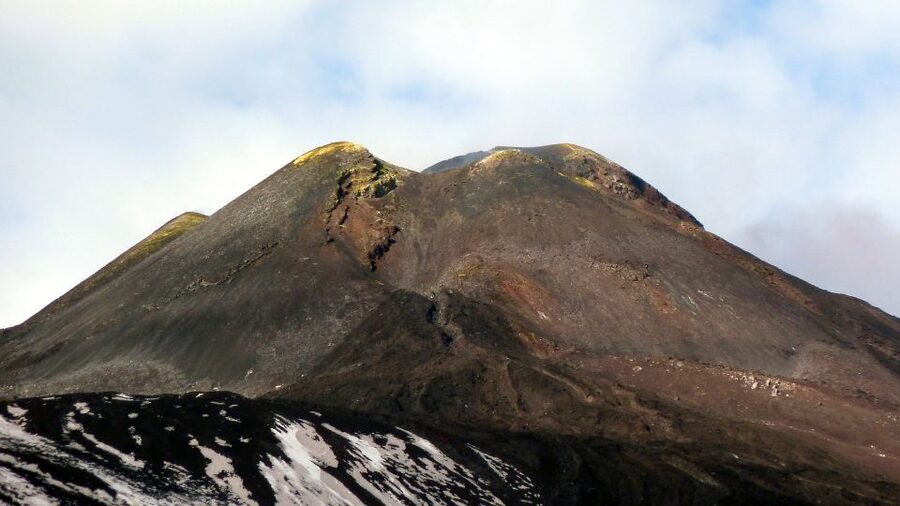
- Base-of-crater vantage: you reach the summit crater area even without going all the way to the summit
- Guided trekking on volcanic terrain: you cover about 1.2 miles on a lunar-like path
- Volcanic cave visit with helmets and torches: a different side of Etna than the views alone
- Street-food style lunch + Etna DOC wine: simple, local, and included
From Catania pickup to Rifugio Sapienza: the day starts moving
Your morning begins with pickup in central Catania, typically around 8:30 AM. You’ll ride out by van or minibus, crossing the area toward Rifugio Sapienza, the main staging point for many Etna adventures.
This is the part of the day where logistics matter. If you’ve ever tried to DIY Etna transportation, you know how much energy goes into getting the right vehicle at the right time. Here, the plan is built around the mountain’s access points: you’re not guessing. You’re heading straight for the cable car and then the rugged vehicle that can handle higher ground.
One small comfort tip: if your seat is farther back on the vehicle, road vibration can make conversation tough. I’d plan on listening when you can and don’t assume every spoken detail will land cleanly over engine noise. If you prefer, bring something that helps you hear the guide better (like a pair of earbuds for your own focus), just in case.
You can also read our reviews of more tours and experiences in Mount Etna.
The cable car and the two-altitude plan: 2000 meters to the crater base
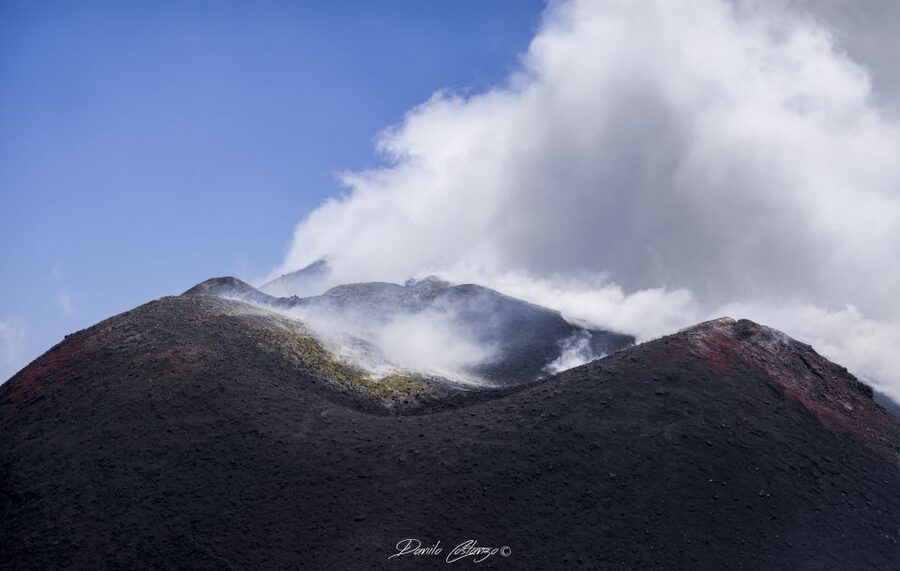
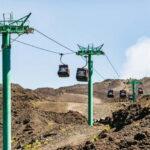
At Rifugio Sapienza, you take the cable car up to about 2500 meters. Then comes the transfer that makes the tour feel like an actual Etna expedition: a 4×4 vehicle (not just a bus) takes you to the maximum reachable height of about 2950 meters.
The key idea here is altitude variety. You’re not just going high once and calling it a day. You’ll also experience Etna around 2000 meters (when conditions allow the standard route). That difference matters because vegetation, weather feel, and the look of lava flows can shift quickly as you gain elevation.
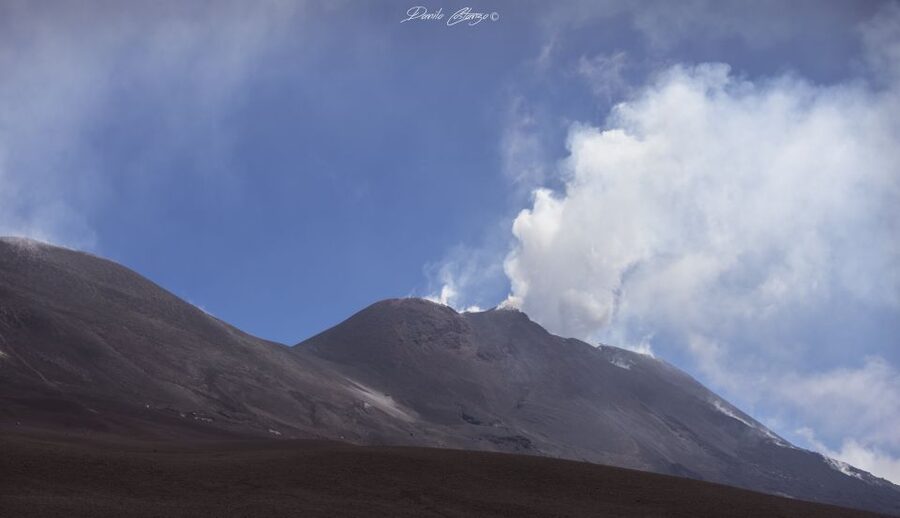
You should also know the height reality up front. This tour does not aim for the true summit at 3343 meters. Instead, the goal is the base area of the summit craters at around 2950 meters. That’s still dramatic terrain, and it’s the workable target that most tours use when safety rules and active conditions come into play.
Reaching the base of the summit craters: what you’re really there to see
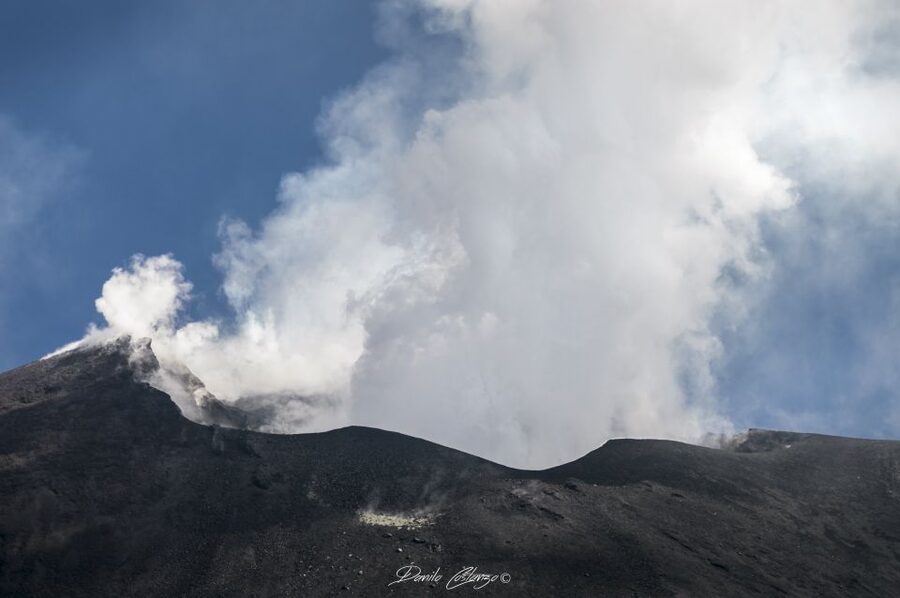
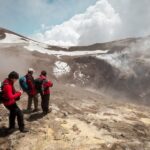
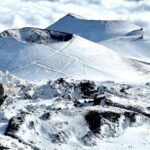
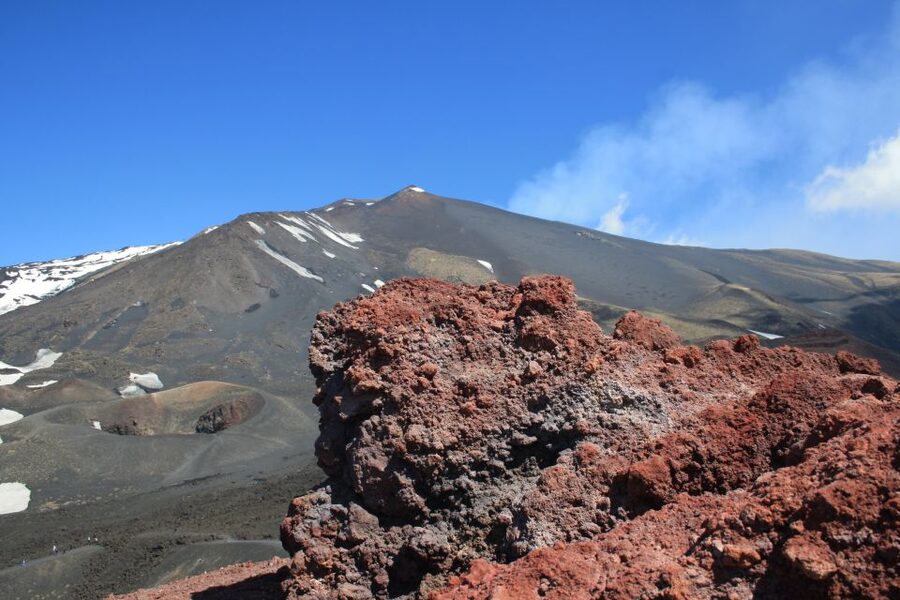
At the crater-side height, you’ll get guided time facing Etna’s central and south-eastern craters. The experience is less about standing on one perfect postcard spot and more about learning to read what you’re seeing: ancient lava flows, newer lava scars, and the way the volcanic system reshapes the slopes.
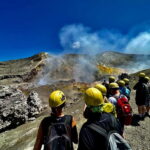
This is where the guide matters. A good guide doesn’t just point at rock. They connect patterns: how eruptions leave layers and paths; how different crater zones reflect different activity; and how the terrain you’re standing on came from specific processes. You’re on the mountain long enough for the explanations to stick, because you’re looking at the land while you’re hearing it.
If you’re sensitive to height or weather changes, plan to pace yourself. Even if you’re young and fit, Etna at these elevations can feel sharper than it looks from the town. Bring water and take short pauses when the guide stops for explanation.
When conditions change
Etna access can shift with weather and volcano status. If the summit-area route isn’t permitted, the tour may reach only the maximum altitude of about 2000 meters, and you’ll receive a 50% refund. In snow conditions, the cable car uses a snow-cat vehicle, and that can add an extra fee of 30 EUR per person.
The guided trek on volcanic terrain: 1.2 miles that teaches your eyes
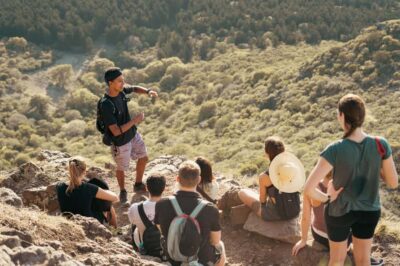
After the higher-altitude crater time, you head back toward areas such as Monte Nero degli Zappini and begin a nature walk with your guide. This is the part where you stop treating Etna as one big mountain and start seeing it as a system with geology and plant life adapted to harsh ground.
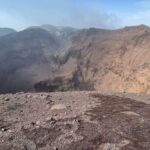
Then comes the trek on a lunar-style path—about 1.2 miles. The walk isn’t about endurance racing. It’s about getting close enough to the volcanic surface to feel how it formed. Expect uneven footing and surfaces that look strange in the best way: rock, ash, and lava textures that don’t behave like normal hiking trails.
Practical note: comfortable shoes are non-negotiable. Leave the sandals and flip-flops at home. Also, large bags and luggage don’t belong on this kind of tour. If you pack light, you’ll enjoy the walking and cave parts more.
Volcanic cave time: helmets, torches, and a safer kind of darkness
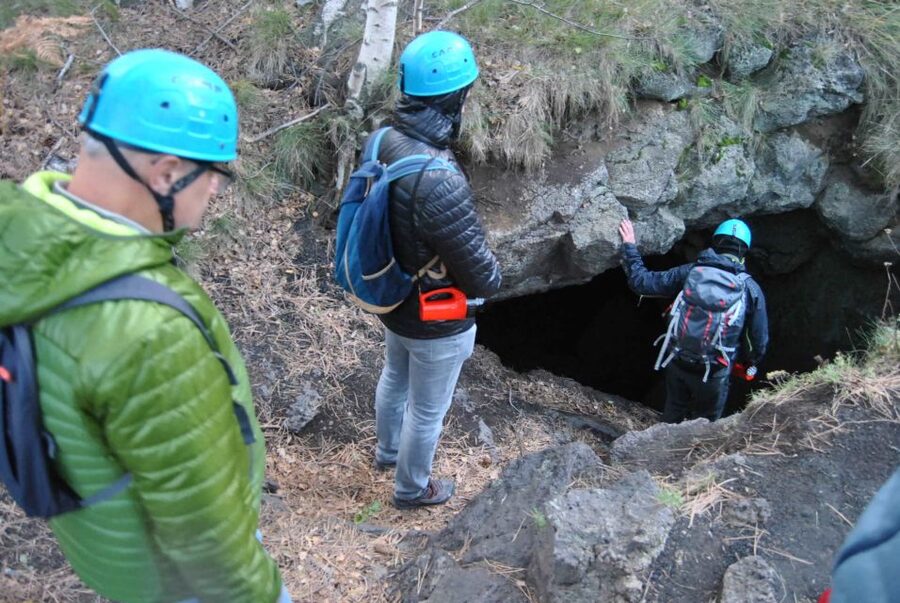
In the afternoon, you’ll switch from outdoor crater views to something more enclosed: a volcanic cave visit. You’ll use helmets and torches, which is what turns the cave into a guided experience rather than a scary free-for-all.
This part adds a useful contrast. Seeing lava flows from outside tells one story. Going into a cave shows how eruptions can leave channels and tunnels—pathways that guide where heat and material traveled. Your guide will cover basic speleology (cave study) and connect the setting to eruption behavior.
A cave tour also forces you to move differently. Your focus shifts to headgear, torch position, and where you place your feet. If you’re okay with that change of attention, it’s a memorable highlight. If you’re uncomfortable in enclosed spaces or worry about balance in the dark, you’ll want to be honest with yourself before booking.
Lunch at Etna: baked goods, water, and Etna DOC wine
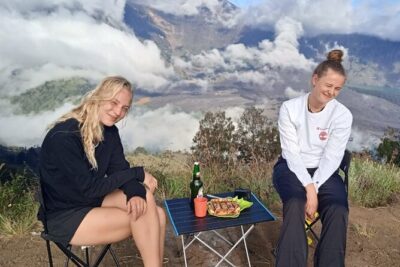
Between altitude segments and the afternoon cave, there’s lunch. This isn’t a fine-dining pause. It’s a local-style meal of typical street food products, served with water and Etna DOC wine.
I like this approach because it keeps the day moving. You’re not waiting an hour for a multi-course plan. You eat something filling, you refuel, and you return to the mountain while you’re still in the Etna mindset.
If you have dietary requirements, you’ll need to advise in advance. That’s the best way to avoid a day where you can’t get what you need at the table.
Who this tour fits best (and who should skip it)
This tour is a great match if you want more than a quick bus ride. You’ll get cable car time, a serious vehicle up the mountain, a guided crater-area experience, a trek, and a cave visit—on one coordinated schedule.
It’s also a strong choice for people who like explanations. One highlight is the guided science component: the trekking is paired with a geologist, volcanologists, or agronomists depending on the setup. The effect is that Etna feels understandable, not just impressive.
It’s not the best choice if you have heart problems. That’s explicitly flagged, and it makes sense given the altitude and physical walking.
Also, don’t forget the day is long—about 8 hours total. If you’re used to short tours, plan your energy. You’ll have a better time if you start the day rested and you don’t treat it like a casual stroll.
Transportation, group size, and a few comfort realities
The tour includes transportation from Catania in a Jeep or minibus, plus the cable car ticket and the 4×4 unimog ticket. That combination is part of the value: it’s what lets you reach the crater base area without spending your day arranging multiple connections.
Group size is described as private or small groups available, which generally helps with pacing and guide attention. You still hear the basics from the guide in a group setting, but the day doesn’t feel like it’s trying to move hundreds of people through one narrow trail.
Bring essentials:
- Comfortable shoes
- Water
And if you need specific gear like trekking shoes or a jacket, you should advise when booking. If you’re traveling with an infant, you’ll also need to advise about an infant seat.
One more real-world thought: if you’ve got pets, plan pet care early. The day starts at 8:30 AM, and last-minute changes can be stressful.
Price check: is $228.84 per person good value?
At $228.84 per person, this isn’t a budget add-on. It’s priced like a full-day Etna program, and the extras are where the value comes from.
What you’re paying for includes:
- Transport from Catania (van/minibus and the mountain vehicle segments)
- Guide plus specialist-style expertise during trekking
- Cable car ticket
- 4×4 unimog ticket to the reachable height
- Picnic items with water and Etna DOC wine
- Trekking equipment if required
- Insurance coverage
For many people, the real cost driver isn’t just the admission—it’s the difficulty of coordinating transportation and mountain access on your own. This tour bundles those moving parts. Even when conditions reduce access (like reaching only about 2000 meters), the refund policy helps soften the impact.
Just remember the two potential cost bumps or changes:
- If snow affects the cable car process, there can be an extra 30 EUR per person for the snow-cat.
- If weather or volcano status prevents the crater-area access, you may go lower and receive the 50% refund.
So yes, the price feels fair if you want the full stack of crater + trek + cave in one day.
Should you book this Etna day trip?
Book it if you want a structured, guided Etna experience with altitude, a guided crater base visit, and a cave add-on. It’s ideal for travelers who like explanations and don’t mind a walk on volcanic ground. The mix of crater views and helmet-and-torch cave time is a smart way to experience Etna as more than one viewpoint.
Think twice if you’re worried about physical effort or have health concerns. And since access can change with conditions, go in with flexible expectations about exactly how high you’ll get.
If you want one Etna day that’s big on guided interpretation and includes the main access pieces, this is a strong way to spend the time.
FAQ
FAQ
How high does the tour reach?
You won’t reach Mount Etna’s summit. You’ll reach the base of the summit craters at around 2950 meters. In some weather or access situations, the tour may reach a maximum of about 2000 meters instead.
How long is the Etna tour?
The duration is about 8 hours.
What’s included for food and drink?
Lunch is included with typical Sicilian baked goods or street-food style items, plus water and Etna DOC wine.
Do I need special gear for the volcanic cave?
You’ll use helmets and torches to explore the cave safely. Equipment is included if required.
What should I bring?
Wear comfortable shoes and bring water.
Can I go if I have heart problems?
No. The tour is not suitable for people with heart problems.
What languages are the guides?
The live tour guide is available in English and Italian.