REVIEW · ANTIGUA GUATEMALA
From Antigua Guatemala: Birdwatching and Scenic Hiking Tour
Book on GetYourGuide →Operated by Outstanding Guatemala · Bookable on GetYourGuide
Pine trails, sharp bird calls, and volcano views. That mix is why Finca El Pilar works so well for an Antigua Guatemala birdwatching day: you start scanning the forest right away, then hike upward for big sightlines over the volcano valleys. I love that the tour builds in both bird time on the lower trails and a gradual climb into different habitats, so it feels like you’re changing “rooms” in the same hike. The main thing to consider is that this route includes a lot of uphill stairs, so it can be tough if you have knee issues.
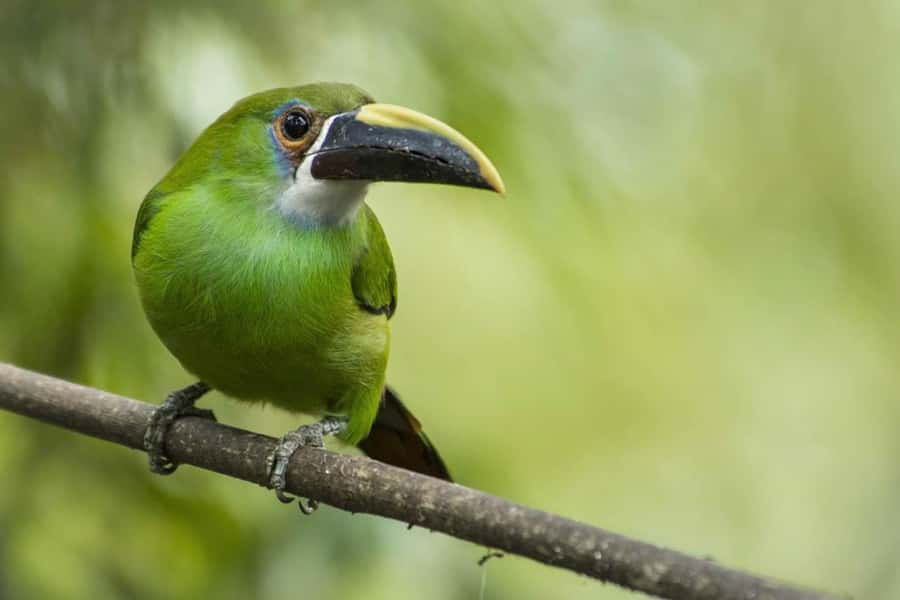
What I really appreciate is the guide factor. With Monica leading (bilingual, English and Spanish), you’re not just walking and hoping. You get help spotting and identifying birds like the Northern Emerald-Toucanet and the Collared Trogon, plus chances for rarer sightings such as the Blue-throated Motmot and Singing Quail.
If you’re hoping for an easy stroll, plan differently. The terrain is active, and one clear drawback is the heavy stair climbing as you gain elevation—so this isn’t the best fit for people who need a more gentle route.
In This Review
- Key things you’ll notice on this Antigua bird hike
- Why Finca El Pilar works for birding near Antigua Guatemala
- Monica, binoculars, and how the guide helps you spot birds
- Birdwatching first: lower trails and the species to watch
- Hiking up through pine-oak forest toward the volcano views
- The birds you can hope to see (and how to improve your odds)
- Timing, effort, and what the 3.5–5 hours feels like in practice
- Price and value: what $95 includes and where your money goes
- What to bring (and how to make the stairs easier on you)
- Should you book this Antigua birdwatching and scenic hike?
- FAQ
- How long is the tour?
- Where is pickup?
- What’s included in the price?
- What birds might I see?
- Are binoculars provided?
- Is this tour suitable for people with mobility impairments?
- What should I bring?
- What is not allowed during the tour?
- Is the guide available in English and Spanish?
- Is free cancellation available?
Key things you’ll notice on this Antigua bird hike
- Binoculars included, so you can start scanning the minute you arrive
- Monica’s bird-finding help makes short time in the forest feel productive
- Lower trails first, where birds often show up among forest plants
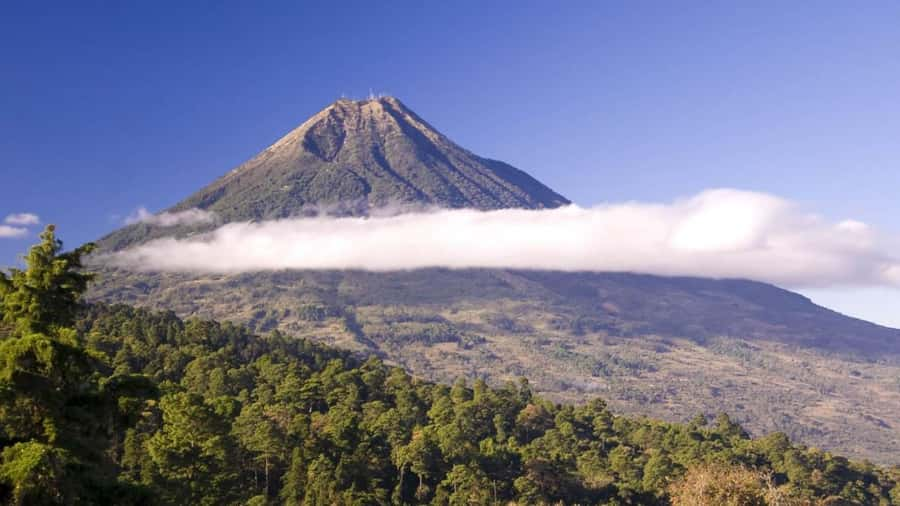
- Pine-oak climb to a summit, with panoramic volcano views as the payoff
- Nature-first pacing, so your best moments often come from slow watching
- Mosquitoes happen, meaning insect repellent is not optional in practice
Why Finca El Pilar works for birding near Antigua Guatemala
Finca El Pilar is the kind of place that makes you understand how birdwatching really works. Birds aren’t evenly spread. You find them where food, cover, and the right conditions line up—often in lower forest areas, along edges, and anywhere the trees create shade and movement.
This tour is built for that reality. You don’t just climb and then glance around at the top. You start with a focused birdwatching session, and you get time on the lower trails where birds commonly gather among the forest’s plants. Then the hike gradually rises through pine-oak forest, so your chances shift as you move through different elevations.
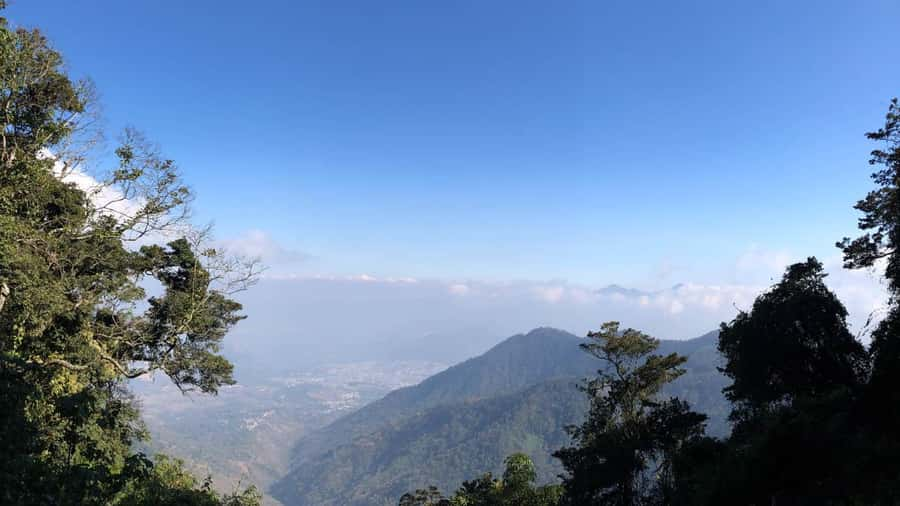
And yes, the views matter. Once you reach the summit area, you’re rewarded with panoramic sightlines over the surrounding volcano landscape, and the atmosphere can feel especially calm if you’re timing your last look near the end of the hike.
You can also read our reviews of more tours and experiences in Antigua Guatemala.
Monica, binoculars, and how the guide helps you spot birds
The biggest “value multiplier” on a birding tour is the guide’s ability to help you see what’s already there. In this case, Monica is the name you’ll hear. She’s bilingual and hands-on with bird spotting—so even if you’re not an expert, you’re not stuck trying to identify everything by guesswork.
Binoculars are included, which sounds simple, but it changes the whole experience. You can spend more time tracking calls and movement rather than struggling to borrow gear or squint at distance through a phone camera screen.
What I like about this approach is the balance. It’s not nonstop lecturing. It feels like you’re learning as you go: you’re watching birds, the guide gives you direction on what to look for, and you get to connect those details to the species names you’re hoping to see.
Birdwatching first: lower trails and the species to watch
The tour starts with birdwatching before you do the main uphill work. That sequence is smart. When you’re fresh, your eyes are sharper and you’re less likely to rush. Also, birds often show their activity earlier in the day when light and forest movement are favorable.
You’ll focus on birds you can reasonably spot in this setting, including:
- Northern Emerald-Toucanet
- Collared Trogon
- Rufous Sabrewing
- Blue-throated Motmot
- Singing Quail
Not every bird is guaranteed. But what this tour does well is giving you time in the right parts of the property. The lower trails are highlighted for a reason: birds often gather where the forest’s diverse flora supports insects, fruit, and cover.
So your mindset should be simple: slow walking beats fast hiking here. You’re looking for motion in branches, changes in sound, and small bursts of activity. When you’re scanning properly, even a quiet moment can turn into a good find.
Hiking up through pine-oak forest toward the volcano views
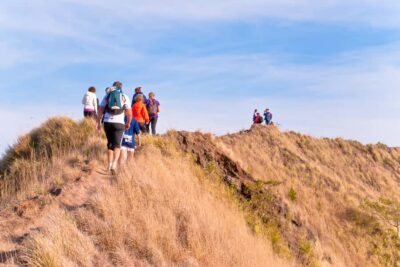
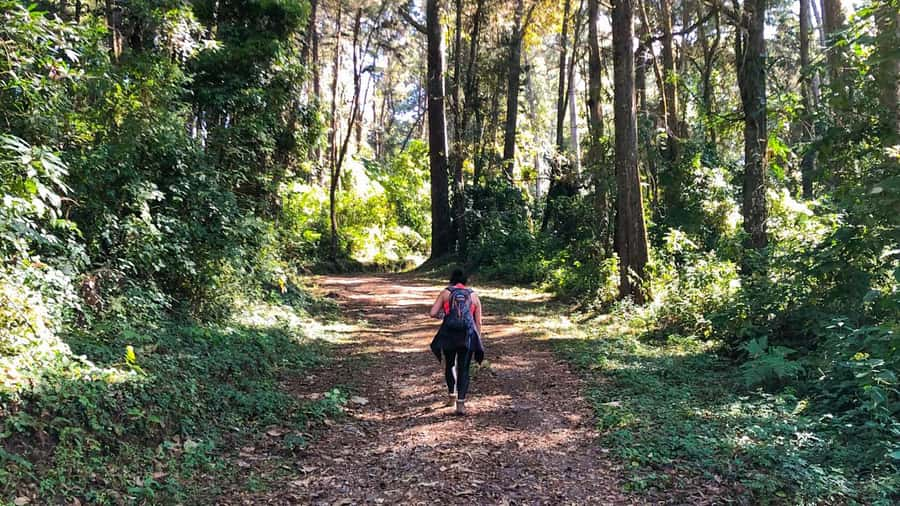
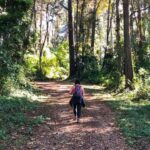
After the birdwatching start, you continue onto the hiking portion of Finca El Pilar’s trails. You’ll gradually ascend through pine-oak forest, and the hike is designed so you can experience different elevations without it feeling like a straight, punishing “one-way” climb the entire time.
Trail difficulty varies. That matters because the route isn’t just scenic—it’s physical. As you go higher, the reward increases: you get better views of the surrounding volcanoes, and the summit area brings a more open, panoramic feel. If the timing works for your group, you can also enjoy sunset-style views over the valleys around Antigua.
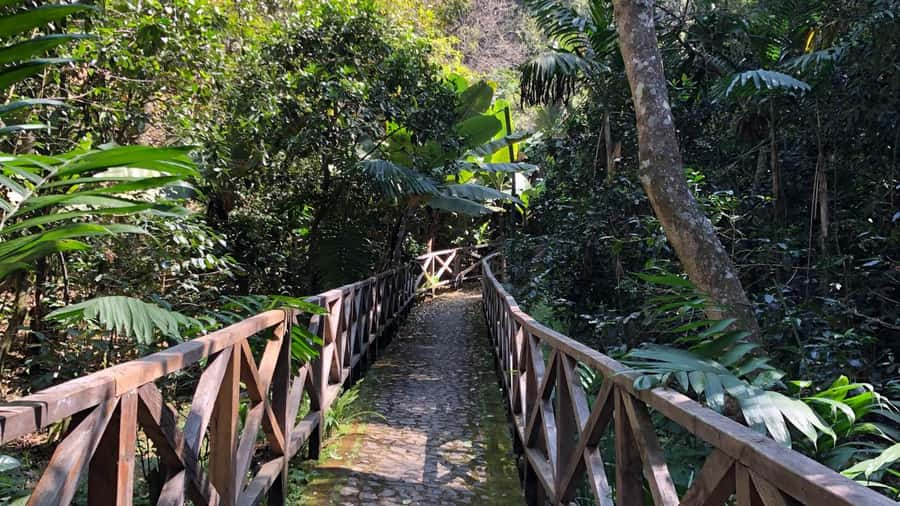
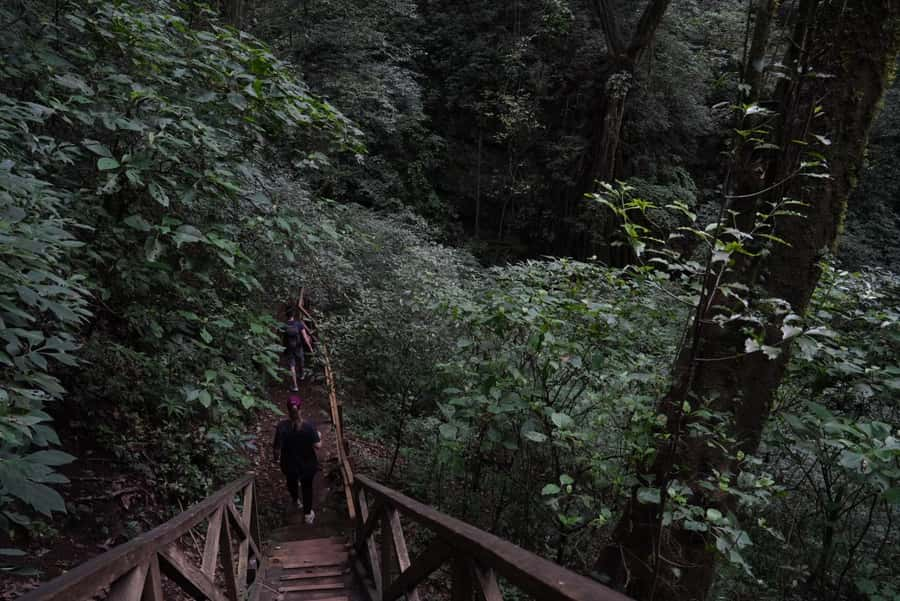
One caution: the stairs are real. If your legs aren’t used to uphill steps, it can feel more demanding than you expect. Wear supportive shoes with good traction and plan to take it slow. This is the kind of hike where your pacing affects your bird time at the same time.
The birds you can hope to see (and how to improve your odds)
This tour is actively chasing both common and rarer sightings. Some of the named birds sound like you’re reading a checklist, but the real skill is learning what kind of bird presence to look for in forest conditions.
Here’s how to think about the species list during your walk:
- Motmots often stand out once you spot their distinctive shape and movement pattern, usually when they’re in view rather than hidden.
- Trogons tend to be about stillness and perch choices—watch where birds choose to stay, not just where they fly.
- Hummingbirds can be quick and easy to miss, which is why scanning patiently and using binoculars helps.
- Quail sightings are the kind of thing that often come from attention to ground-level action and subtle signs rather than big flight displays.
The best practical move: don’t lock into one spot. Scan forward and slightly upward, then widen your view. Birds can show themselves briefly and disappear fast, especially in a forest with changing light. If you keep moving with purpose and pause when the guide signals, you’ll get more chances than if you spend too long fixed on one direction.
Also, mosquitoes are a factor here. The forest setting is exactly what insects love, and bringing insect repellent is one of the smartest choices you can make before you start.
Timing, effort, and what the 3.5–5 hours feels like in practice
The tour is listed as 210 minutes (about 3.5 hours), and the guided outing is also described as running about five hours. In practice, that often means you’ll be on the move for a good chunk of the day, with birdwatching taking time and the hike adding more effort as you gain elevation.
If you like structured days, this one works because it has a clear flow:
1) birdwatching time with binocular use
2) hiking upward through pine-oak forest
3) summit views and a final chance to take in the valley volcano scenery
You’re not just walking for exercise. You’re walking for sightings. That’s why the time feels focused rather than wandering.
Price and value: what $95 includes and where your money goes
At $95 per person, the cost isn’t “cheap,” but it’s not just paying for transport and a trail pass either. The included pieces matter:
- Transportation
- Entrance and a guided experience
- A bilingual guide fluent in English and Spanish
- Binoculars
That’s the core value. In birding, equipment and expertise carry a lot of weight. Binoculars reduce friction, and a skilled guide reduces wasted time spotting the wrong things or missing what’s right in front of you.
Is it worth it if you mainly want hiking? Maybe. But you’ll get the most value if you want both the forest walk and the bird-finding help. This tour shines when you care about wildlife and you’re comfortable treating the hike as part of the birding experience, not just the route between view points.
The only real mismatch risk is if you expect a long guaranteed list of rare species regardless of forest conditions. Nature doesn’t follow schedules, and bird activity can vary. If you keep expectations realistic—some excellent finds, some quiet stretches—you’ll likely feel like you got your money’s worth.
What to bring (and how to make the stairs easier on you)
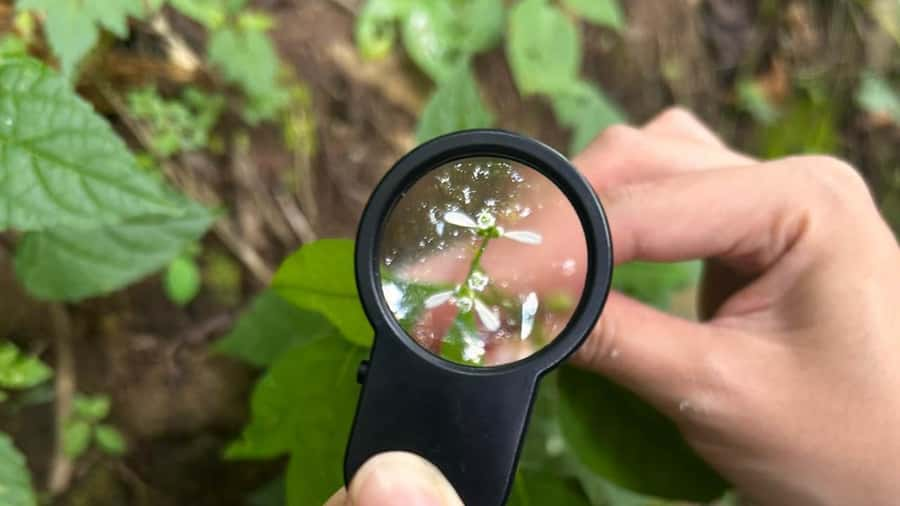
For this tour, I’d pack like you’re going for a forest hike, not a city walk. Bring:
- Comfortable shoes (you’ll want traction and ankle support)
- Hat
- Camera
- Sunscreen
- Insect repellent
It also helps to dress for changing forest shade. Pine-oak areas can shift from cooler, shaded walking to warmer sun exposure as you climb.
And plan around the stairs. If you have knee sensitivity, this tour is a tough match. Even fit people can feel it after a lot of uphill steps. The safest strategy is to take slow pauses, keep your footing steady, and let your breathing regulate your pace so you don’t rush the birding.
You should also follow basic site rules: no smoking and no littering.
Should you book this Antigua birdwatching and scenic hike?
Book it if:
- You want a birdwatching-focused hike near Antigua Guatemala, not just a viewpoint walk
- You’ll actually use binoculars and enjoy slow scanning
- You like pine-oak forest settings and want volcano views from higher ground
- You’re happy to work a bit uphill for the payoff
Skip it (or choose a different option) if:
- Stairs and knee strain are a problem for you
- You need an easy, flat route
- You’re expecting birds to show up on cue rather than as part of nature’s changing rhythm
If you’re the right match, this is a smart way to spend half a day in the Antigua area with a bilingual guide like Monica, learn bird species by actually spotting them, and end with panoramic volcano scenery.
FAQ
How long is the tour?
The activity is listed as 210 minutes, and the guided tour is described as running about 5 hours.
Where is pickup?
Pickup is from Antigua Guatemala.
What’s included in the price?
The tour includes transportation, entrance and guide, a bilingual tour leader fluent in English and Spanish, and binoculars.
What birds might I see?
The tour description names species such as the Northern Emerald-Toucanet, Collared Trogon, Rufous Sabrewing, Blue-throated Motmot, and Singing Quail.
Are binoculars provided?
Yes. Binoculars are included.
Is this tour suitable for people with mobility impairments?
No. It is listed as not suitable for people with mobility impairments.
What should I bring?
Bring comfortable shoes, a hat, a camera, sunscreen, and insect repellent.
What is not allowed during the tour?
Smoking and littering are not allowed.
Is the guide available in English and Spanish?
Yes. The tour leader is bilingual: English and Spanish.
Is free cancellation available?
Yes. You can cancel up to 24 hours in advance for a full refund.