REVIEW · ANTIGUA GUATEMALA
From Antigua: Adventure, 2-Day Hiking to Acatenango Volcano
Book on GetYourGuide →Operated by Volcano Expeditions · Bookable on GetYourGuide
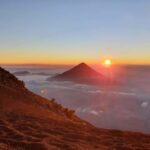
Acatenango is a hike with a fireworks show. On this 2-day climb, you get a brutal-but-doable trek from near Antigua, an overnight high-camp, and that unreal payoff of El Fuego erupting while you’re staring out at mountain views. The best part for many people is the early push for the Acatenango sunrise (and if you skip the top, the base camp still delivers serious scenery).
The catch is that this is not an easy stroll. The trail is steep, the altitude can hit fast, and the cold at the top is real—so you’ll want intermediate hiking skills and solid fitness. If you’re not in the condition for a long uphill with loose gravel, this can feel miserable before it feels magical.
In This Review
- Key points I’d circle before you go
- Acatenango in two days: what $54 buys you (and what it doesn’t)
- From Antigua to La Soledad: the day starts early for a reason
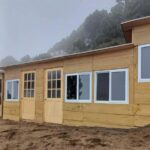
- The base camp arrival: cabins, domes, and the El Fuego glow
- Dinner, hot chocolate, and the quiet work of staying warm
- Sunrise on Acatenango: the early climb and the real choice
- The optional Fire Volcano push: worth it for the right reasons
- Gear you’ll actually use: shoes, poles, socks, water, and light
- Guides and pacing: how groups survive the steep parts
- Value check: how to decide on entrance fees and the extra Fire Volcano option
- Who this hike fits (and who should think twice)
- Should you book Volcano Expeditions for Acatenango?
- FAQ
- How much does the Acatenango 2-day hike cost?
- What’s the entrance fee to the volcano?
- Is the Fire Volcano extra included?
- How long is the hike to base camp on day one?
- What do I sleep on at base camp?
- Are meals included, and can they handle dietary needs?
- Do I need to bring water?
- What language are the guides?
- Is the sunrise hike optional?
- Who is this not suitable for?
Key points I’d circle before you go
- Steep 4.5–6 hour climb from La Soledad to base camp, depending on your group pace
- Overnight dome accommodation with sleeping bag and mat, right near the views of El Fuego
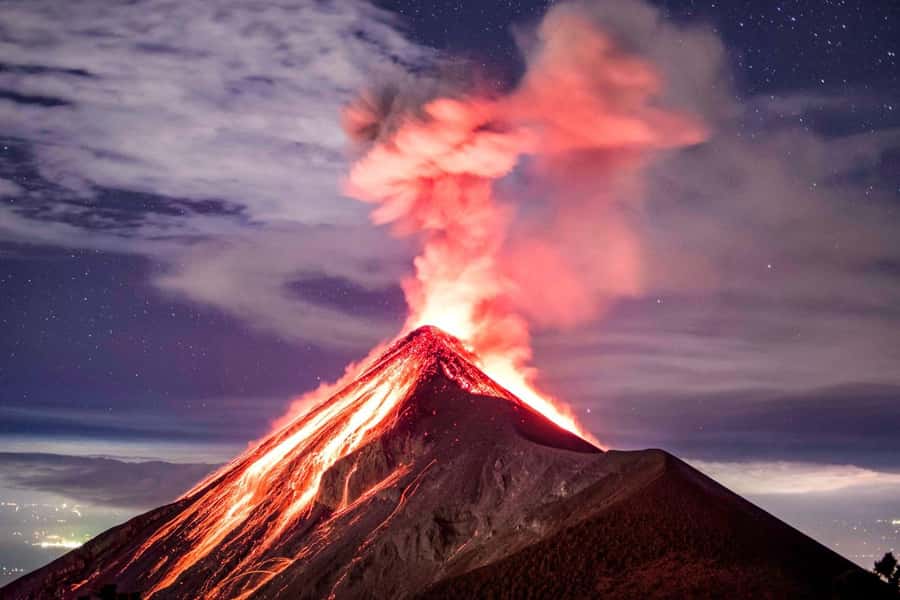
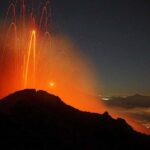
- Eruptions right from camp during the night (timing varies, but the show is the whole reason to go)
- Sunrise summit or wait option, so you can match the plan to your energy
- Warm gear included, including gloves and a cold hat (plus a jacket, but it’s not waterproof)
- You must bring water and layers, since water isn’t included and it gets cold and windy
Acatenango in two days: what $54 buys you (and what it doesn’t)
At $54 per person for two days, the value is strong—because you’re not just paying for hiking. You’re getting round-trip transport from Antigua, a guide, a place to sleep in a high camp (with sleeping bag and mat), and meals across both days. You also get key cold-weather items like a jacket (not impermeable), gloves, and a hat, plus hot chocolate to warm you up when the sun is still figuring out the schedule.
What’s not included matters. There’s an entrance fee to the volcano (100 quetzales / $13), and there’s an optional extra for getting closer to the Fire Volcano activity (Q200). If you’re trying to budget like an adult, plan on the entrance fee up front and decide about the extra push based on your stamina and how you feel after day one.
One more value note that I think is underrated: the tour is built around sharing time together at altitude, not around luxury. Cabins/domes are basic, meals are simple, and you’ll likely share the sleeping setup with other hikers. That trade turns the trip from a “tour” into a real experience—mud, dust, cold air, and all.
You can also read our reviews of more tours and experiences in Antigua Guatemala.
From Antigua to La Soledad: the day starts early for a reason
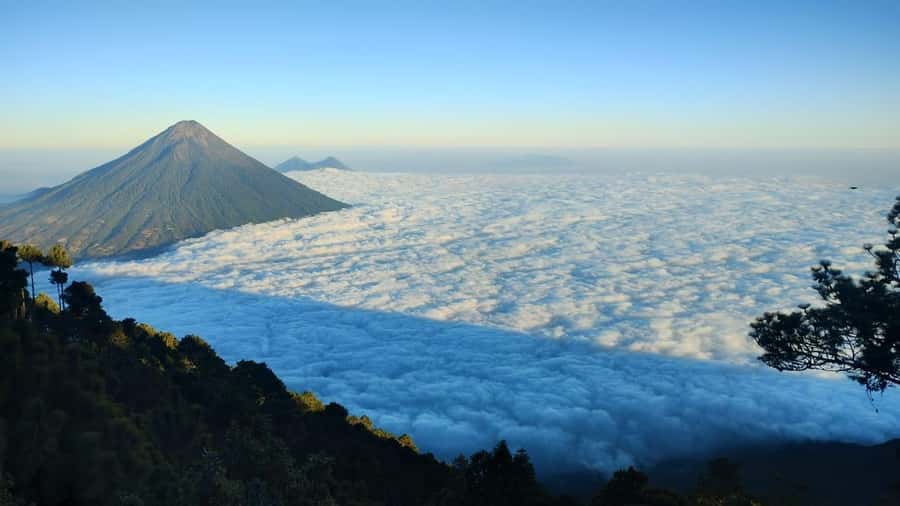
You’ll start with a hotel pickup from Antigua. The route includes a key stop at 8:45 AM at the activity provider’s station, where you’ll get pre-packed food plus warm layers: jackets, gloves, and hats. If you’re missing gear, this is where you can rent a backpack and a flashlight, which is worth knowing because flashlight needs come up later.
Then you head to the village area of La Soledad. After meeting your guides and getting a briefing, you begin hiking toward base camp. This first grind typically takes 4.5 to 6 hours, mostly because the trail is steep and because altitude can slow your breathing even when your legs feel okay.
Here’s the practical thing: this climb isn’t just long—it’s relentlessly up. I like that the plan breaks the day into a clear flow (pickup → briefing → hike → base camp), and I also like that the tour provides key cold gear early, so you’re not hiking blind into the chill.
The base camp arrival: cabins, domes, and the El Fuego glow
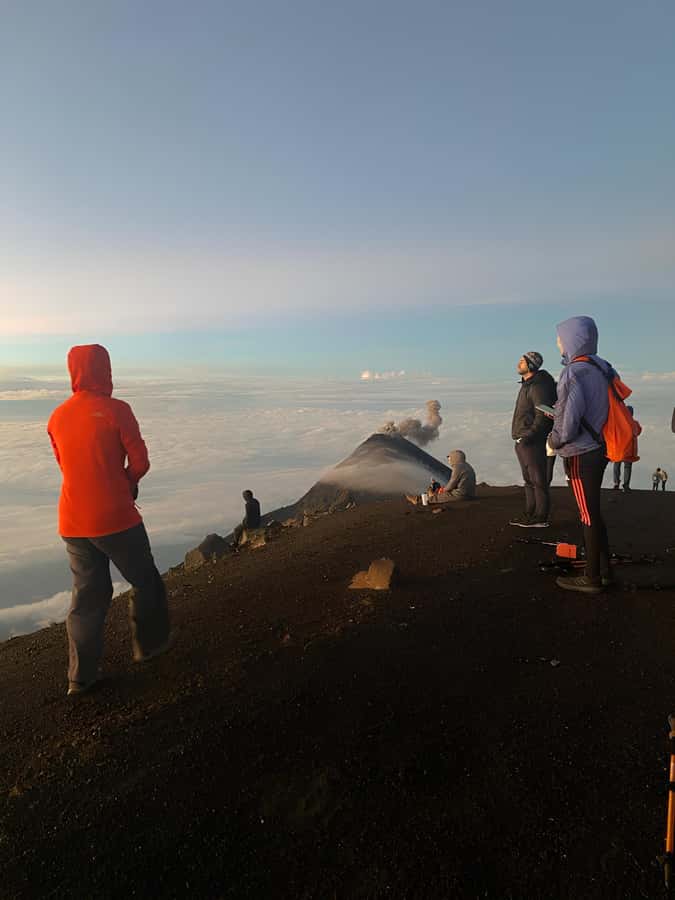
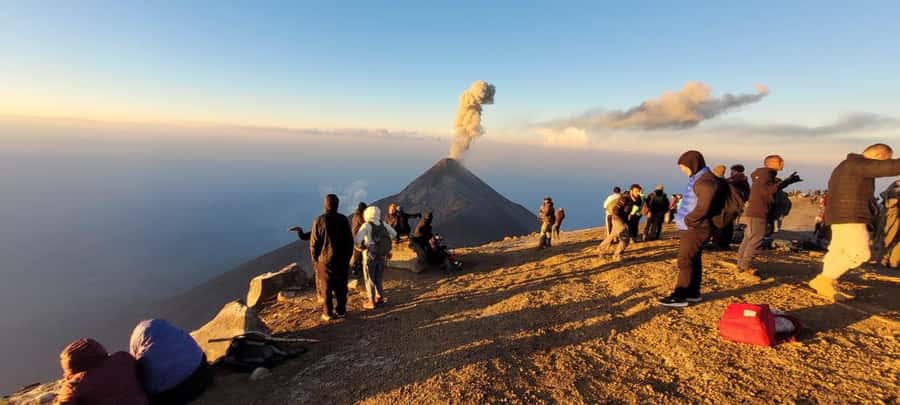
By late afternoon, you reach base camp. Check in, settle into the dome-style accommodation, and take in the peaks around you. This is when the trip shifts from effort to payoff. Even before sunrise, the area can feel otherworldly, with El Fuego activity visible from the high camp.
What you’ll likely notice fast:
- It’s cold, and it can feel colder once you stop moving.
- Wind shows up, so you’ll feel it more than you expect.
- Meals are included, but they’re not the kind of food that makes you forget you walked uphill for hours.
Your first night is also when the volcano show becomes the main event. Some groups report seeing activity multiple times during the night, and people describe the ground shaking from eruptions as you sleep. The timing depends on the volcano and weather, so treat this as a high-probability experience, not a guaranteed firework show every minute.
Comfort is basic. You’ll have a sleeping bag and mat included, but the cabins/domes can be simple and sometimes shared. One person flagged sanitation concerns about sleeping bags and camp setup, and another said sleeping arrangements felt a bit close. So go in expecting “functional” rather than “spa.”
Dinner, hot chocolate, and the quiet work of staying warm
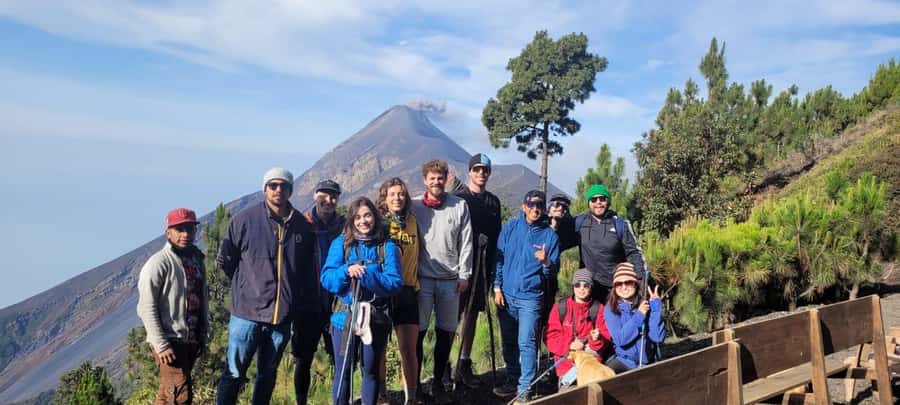
Once you’re settled, you’ll get dinner day one and you can relax in your cabin/dome. A big perk here is that the tour includes hot chocolate. That sounds small until you’re at altitude and the air goes cold while you’re waiting for darkness to finish falling.
Food is included across the two days: lunch day one, dinner day one, and breakfast day two. There are menus for vegetarian, vegan, and gluten-free options, which is a real help on a trek like this. Still, the meals can feel basic, and several hikers recommend bringing extra snacks for the hike—especially protein or energy bars—because simple meals may not refill you the way you want after steep climbing.
Also plan for bathrooms. During day one, there are three bathroom breaks, and you’ll need your own toilet paper. That’s not glamorous, but it’s one of those details that decides whether your day feels smooth or stressful.
Sunrise on Acatenango: the early climb and the real choice
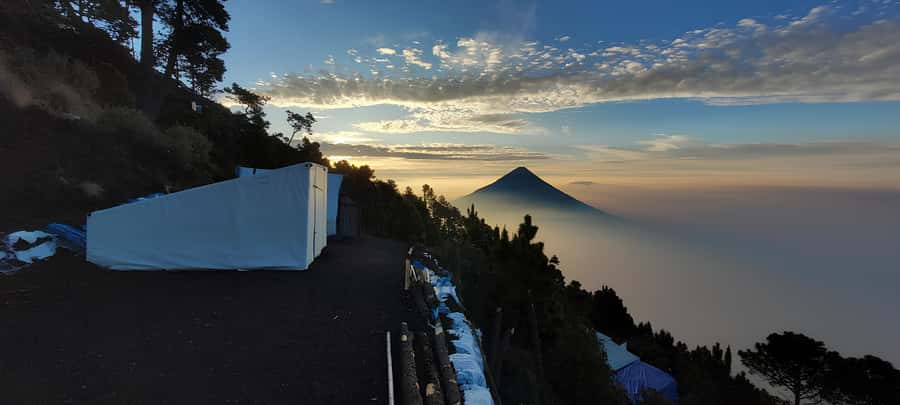
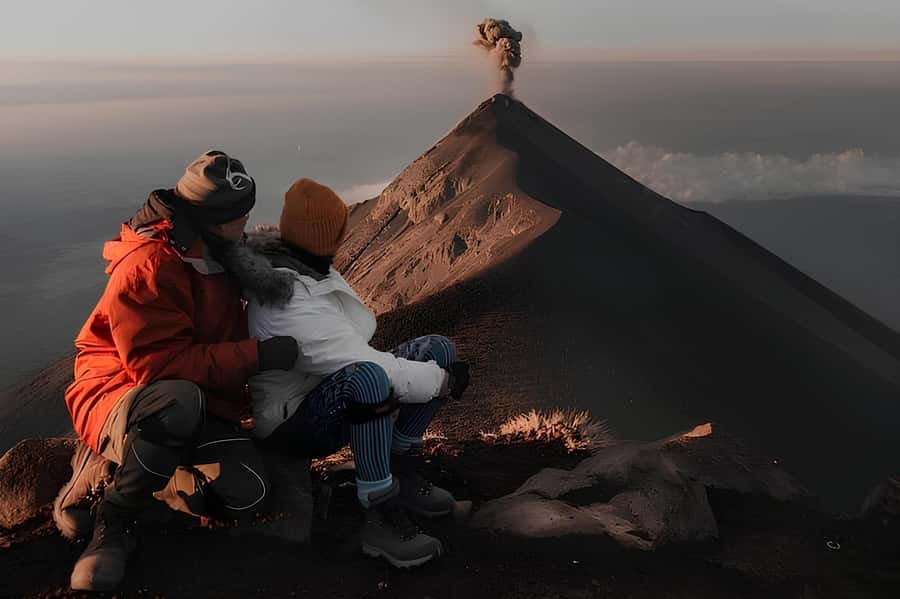
Day two is built around sunrise. You’ll rise early and (optionally) hike up Acatenango in time to see the sun over the clouds. Those who don’t want to climb can wait at camp, which is a smart feature. It means you can still get part of the experience even if your legs are cooked or you want to preserve energy for the descent.
The sunrise climb is where many hikers feel the altitude. Even people with previous hiking experience describe the top as freezing and windy, and the uphill can feel steep on a cold, low-energy start. Some also mention that their lungs and throat felt strained from the effort and elevation.
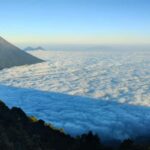
If you’re thinking of skipping sunrise, don’t automatically assume you’ll miss everything. Base camp can still offer amazing views, and people who skipped extra summit work often felt they got plenty out of the main plan.
If you do climb: bring a flashlight (especially if your timing lines up with early morning darkness for any part of the route). For the optional Fire Volcano plan later, headlamps matter even more—some hikers specifically mention that not having lights for the night route can be dangerous because the trail is hard to see.
The optional Fire Volcano push: worth it for the right reasons
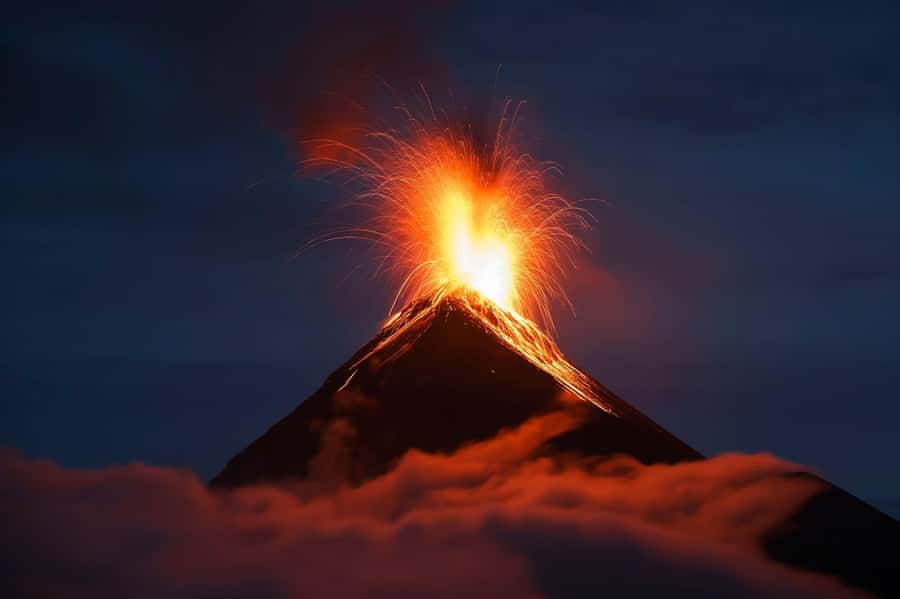
This tour doesn’t include the extra Fire Volcano activity (that part is Q200). The idea is simple: you can move closer to see the eruptions more intensely.
Is it worth it? Often, yes—people describe getting closer to the eruptions as a highlight. But you need to manage your expectations about difficulty. Adding an extra hike at night means more climbing, more fatigue, colder conditions, and more need for secure footing.
Also, this isn’t just a fun add-on if you’re already spent. Several hikers point out that if you’re not prepared for the physical challenge of multiple climbs and the return effort, it can feel brutal. So I’d frame the decision like this: only add it if day one left you with enough energy for another demanding push.
Gear you’ll actually use: shoes, poles, socks, water, and light
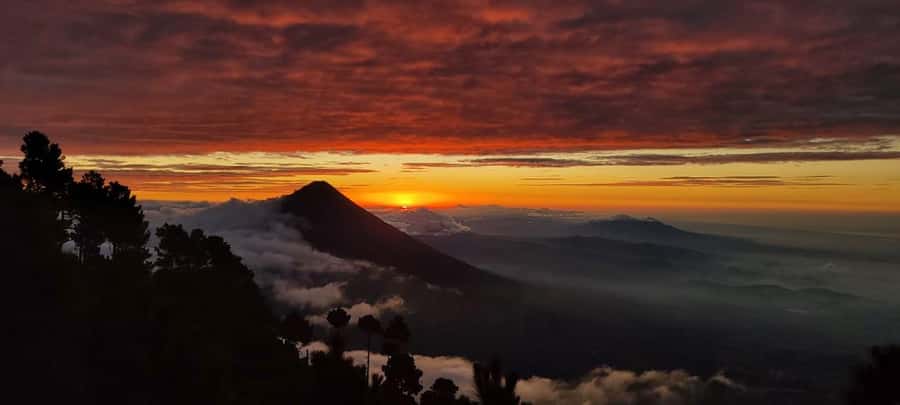
This is where most “I regret not packing” stories are born. The tour gives you warm layers, but you still need the basics.
Here’s what the tour explicitly calls for:
- Warm clothing
- Sunglasses
- Camera
- Hiking shoes
- Sunscreen
- Hiking socks
- Water
- Cash
- Pillow and toiletries
- Flashlight
- Waterproof bag
- Trekking gear
- A 45 to 55 liter backpack is recommended for the hike
You also need water. The tour says you should bring 3 liters for the hike. A number of hikers mention carrying more (like 4 liters) depending on pace, weather, and how quickly you drink at altitude. Either way: don’t plan to rely on luck. Water isn’t included.
Shoes and traction matter a lot. Reviews repeatedly mention loose gravel and volcanic dust. If your footwear slips, you’ll work twice as hard. Trail runners can work for some people if traction is excellent, but the common thread is grip.
Poles can help. The tour includes gloves and a jacket, but it also notes that if you don’t have trekking poles, you can rent them for Q50. Many hikers recommend poles strongly, especially for steep sections.
And socks? Bring extra pairs. Multiple people recommend it because wet or worn socks can ruin your comfort fast when you’re walking for hours and sleeping in cold air.
Guides and pacing: how groups survive the steep parts
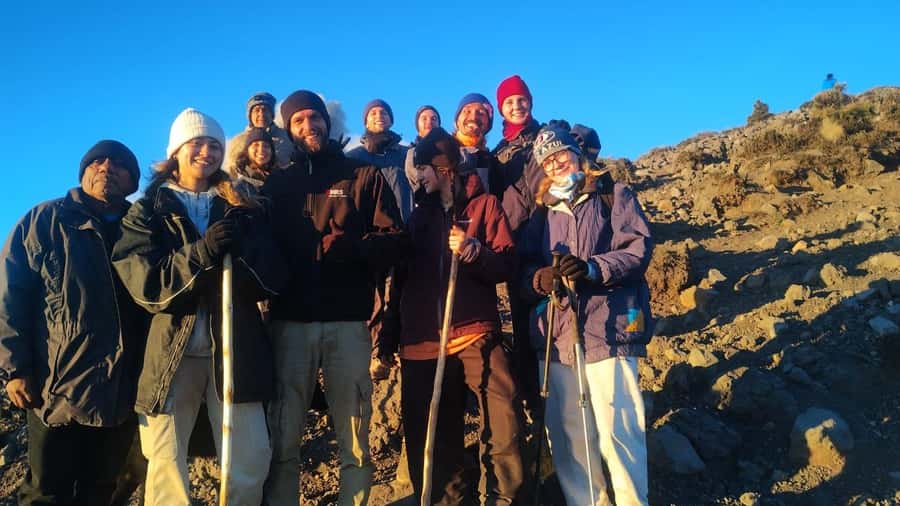
One of the most praised elements is the guide support. People describe guides as helpful, encouraging, and attentive—often making sure hikers didn’t get left behind. In some groups, there were multiple guides splitting faster and slower paces, which helps a lot when altitude turns “easy” into “hard.”
Guide communication can be a wrinkle. The tour guide language is Spanish, and several hikers note that English isn’t spoken much (or at all). That means you’ll want to be comfortable following instructions even if you don’t catch every word. The good news: the route is described as standardized across operators, so you’re not guessing every step.
Names that come up from recent groups include Roberto, Robin, Santiago, Luis, Saul, Esbin, and Ronald. You might not get the exact same team, but the key pattern is the same: skilled guides who manage pace and safety can make the climb feel manageable even when it’s tough.
Some people do note moments where guides felt less patient with slower hikers, usually attributed to language barriers or group timing. So if you need extra time, start the trip with patience and speak up early when you’re struggling.
Value check: how to decide on entrance fees and the extra Fire Volcano option
Let’s do the math the practical way.
Included in the price:
- Round-trip transport from Antigua
- Dome accommodation + sleeping bag + mat
- Guide and hike support
- Lunch, dinner, and breakfast (plus hot chocolate)
- Cold-weather basics: gloves, cold hat, jacket (not waterproof)
- Gloves and cold hat; luggage storage
Not included:
- Volcano entrance fee: 100 quetzales / $13
- Water
- Extra Fire Volcano hike: Q200
So your true baseline cost is closer to $54 + ~$13 once you arrive at the entrance. Then, decide about the Fire Volcano extra based on your stamina. If you’re a strong hiker and you’re comfortable moving in colder conditions at night, it can be a major highlight. If your legs are already struggling on day one, skipping it is a valid choice and keeps the trip safe and enjoyable.
Also remember the shared nature of the hike. You’ll be hiking at a steady shared pace. If you’re the type who panics when the group moves ahead, choose a mindset that says: you’re here to walk, pause, and finish.
Who this hike fits (and who should think twice)
This climb requires a good level of fitness, agility, and intermediate hiking skills. It’s steep, and the trail is rocky and dusty. If you have heart problems, are pregnant, have mobility impairments, or if you’re over 65, this is not suitable.
Children under 11 also aren’t a fit. And if your fitness level is low, you’ll probably feel it all day.
If you’re the right match, you’ll love it:
- You enjoy big vertical effort and don’t mind stopping often.
- You want a serious nature experience with minimal distractions.
- You can handle basic accommodations and simple meals in exchange for rare views.
This is also a good fit for people who like a group structure but still want that raw feeling of being on the mountain. The overnight camp under the stars is part of the appeal, even if the cabins are basic.
Should you book Volcano Expeditions for Acatenango?
If you want an iconic Guatemala volcano experience without paying luxury prices, I think this booking is a strong option. The plan is well built: transport from Antigua, a high-camp overnight, eruptions visible from your campsite, and an early sunrise option that doesn’t force everyone to summit the hardest part again.
I’d hesitate only if you know steep hikes and altitude cold are not your thing. This is a challenging hike. Some parts are hard even for seasoned hikers, and the biggest “why did I book this” regrets usually come from underestimating the steep grade, loose gravel footing, and the cold.
If you’re ready for effort in exchange for jaw-dropping volcanic spectacle, book it. And if you want flexibility, note that you can cancel up to 24 hours in advance for a full refund, and you can reserve and pay later.
FAQ
How much does the Acatenango 2-day hike cost?
The price is $54 per person for the 2-day experience.
What’s the entrance fee to the volcano?
The entrance fee is 100 quetzales (about $13) and it is not included in the $54.
Is the Fire Volcano extra included?
No. The extra Fire Volcano activity is listed separately as Q200.
How long is the hike to base camp on day one?
The hike from La Soledad to base camp takes about 4.5 to 6 hours, depending on the group pace.
What do I sleep on at base camp?
You get dome accommodation, a sleeping bag, and a mat.
Are meals included, and can they handle dietary needs?
Yes. Included meals are lunch on day one, dinner on day one, and breakfast on day two, plus hot chocolate. Menus include normal, vegetarian, vegan, and gluten-free options.
Do I need to bring water?
Yes. Water is not included, and you should bring about 3 liters for the hike.
What language are the guides?
The live tour guide language is Spanish.
Is the sunrise hike optional?
Yes. If you do not want to climb at sunrise, you can wait at the camp.
Who is this not suitable for?
It is not suitable for children under 11 years, pregnant women, people with mobility impairments, people with heart problems, people over 65, and people with low level of fitness.