REVIEW · ANTIGUA GUATEMALA
Antigua: 2-Day Acatenango Volcano Hike w/Local Guide & Meals
Book on GetYourGuide →Operated by Pachamama Tours · Bookable on GetYourGuide
Acatenango gives you the kind of volcano drama you can’t fake. This 2-day hike from Antigua is built around Fuego Volcano night views, solid logistics, and included meals that keep you moving when your legs start negotiating. I like that you don’t have to figure out the basics alone because you’ll get a local guide, essential cold-weather gear, and round-trip van transport.
I also really value the overnight setup. Instead of sleeping rough, you’ll stay in basecamp-style lodging with sleeping bags, a pillow, and warm cabins designed so you can watch eruptions without turning the whole night into survival mode. The one catch: the Acatenango route is listed as intermediate, but it can feel high difficulty for some, and it’s not suitable if altitude issues or mobility limitations are on your list.
There are also a couple extra costs to plan for beyond the headline price. Entrance fees are charged separately, and the popular option to hike Fuego is an extra add-on. If you budget loosely, you’ll feel it on day one.
In This Review
- Key things to know before you go
- Why Acatenango’s Fuego Views Are the Main Event
- Antigua Timing: Getting to Pachamama Tours by 7:30 AM
- Day 1: The La Soledad Trail, Lunch Breaks, and Basecamp Night
- Day 2: The 4 AM Summit Push and Sunrise Views
- Meals and Packing: How Not to Freeze or Run Out of Energy
- Price and Extras: Is $98 Good Value?
- Guides, Group Flow, and Trail Reality
- Who Should Book This Acatenango Hike (and Who Should Skip It)
- Should You Book Pachamama Tours for Acatenango?
- FAQ
- What’s included in the 2-day hike package?
- Where do we meet, and when?
- How difficult is the Acatenango hike?
- What time does day two start, and when do we get back?
- What extra costs should I expect?
- What should I bring?
Key things to know before you go
- Fuego at night, sunrise at 4 AM: you’re aiming for the best show-times the volcano can offer
- English support + Spanish guide: local guide is Spanish-speaking, with beginner to intermediate English
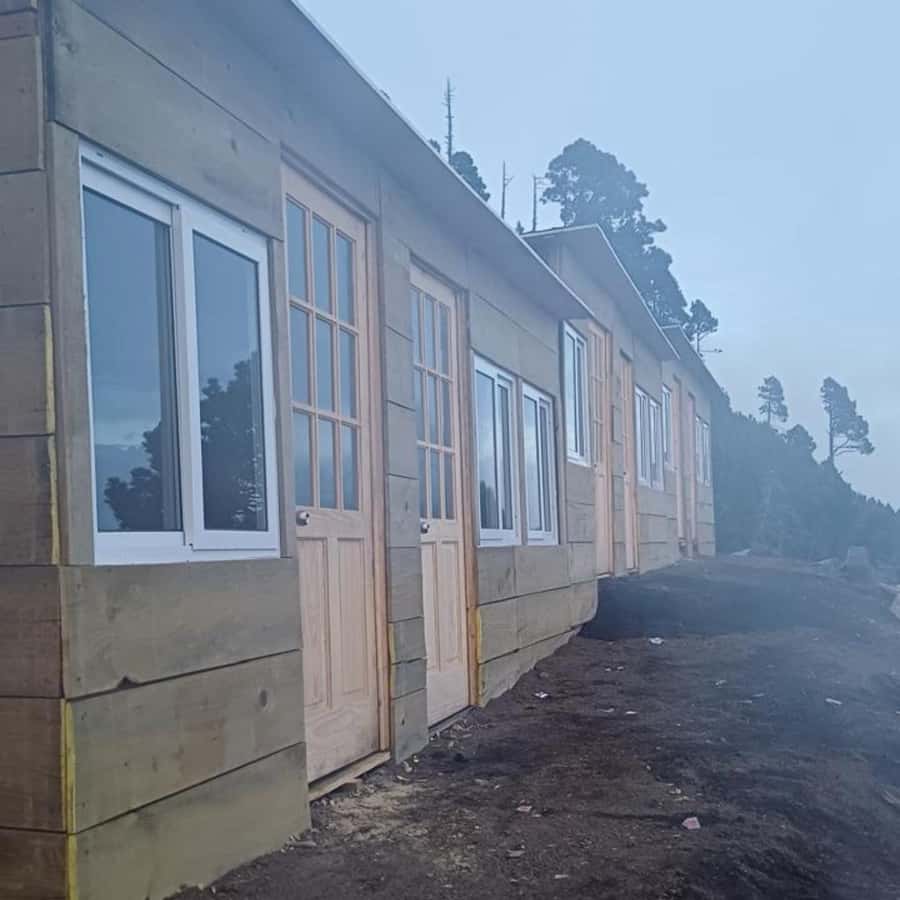
- Heat-to-cold comfort at basecamp: insulated wooden cabins, sleeping bag, pillow, and glass doors
- Gear is included: hat, jacket, and gloves, plus you can buy extras like porters if needed
- Real trail time: 6–8 hours to basecamp on day one, plus an early summit push on day two
- Budget for park fees and extras: entrance fees and the optional Fuego hike cost more
Why Acatenango’s Fuego Views Are the Main Event
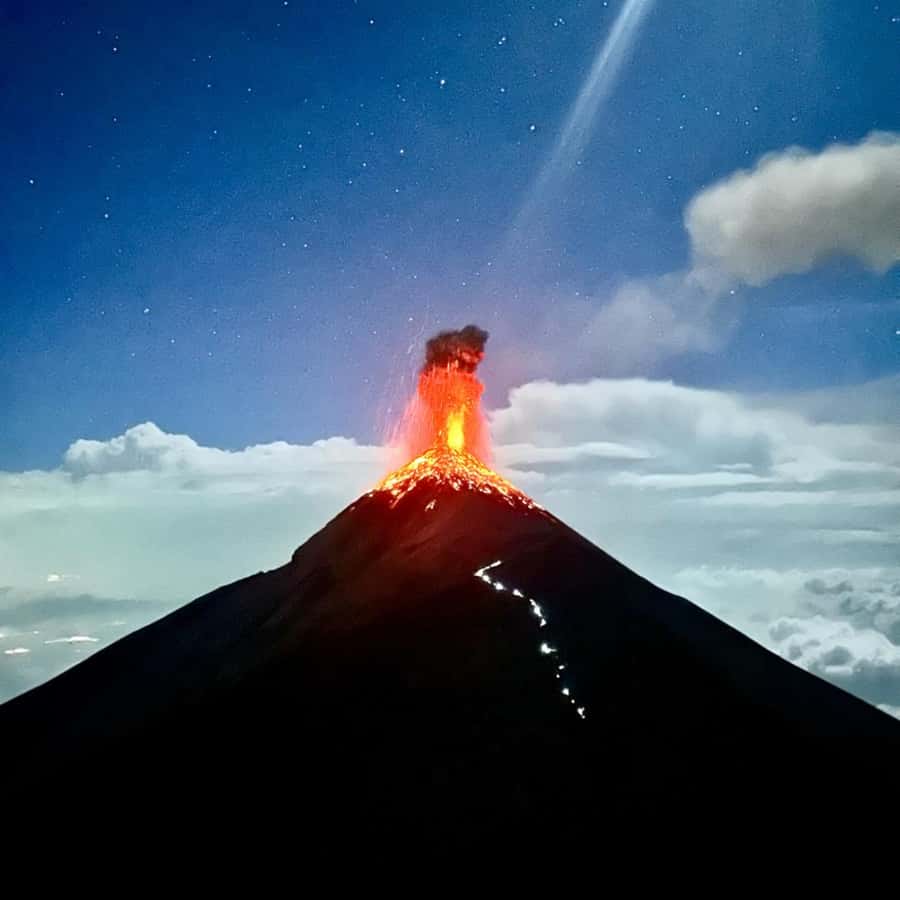
This tour is all about seeing Fuego Volcano in two very different moods: roaring at night and calming into sunrise light the next morning. Acatenango is the big climb, but the payoff is watching Fuego from below when the sky turns dark and the eruption glow becomes the only thing that matters.
What I like most is that the experience is designed around those moments. The day one timing gets you to basecamp with enough time to settle in, eat, and then enjoy the eruption view as night sets. Then day two starts early so you can chase that sunrise without losing daylight to a late start. It’s a smart rhythm: earn the views, then actually enjoy them.
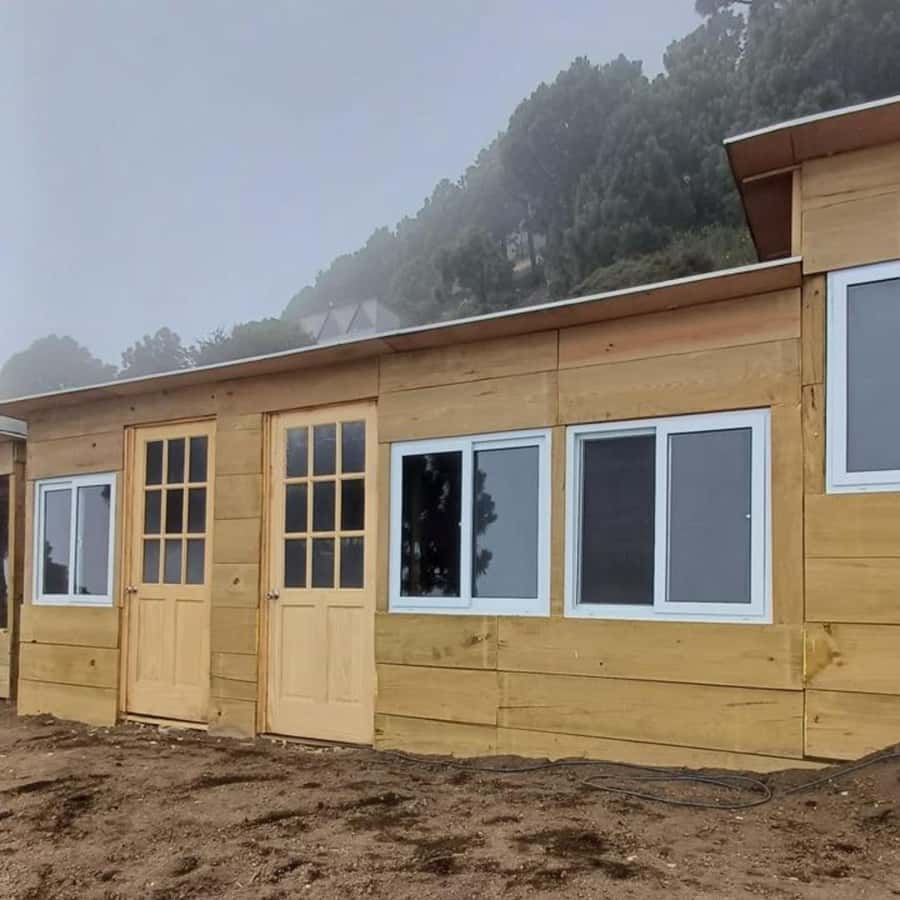
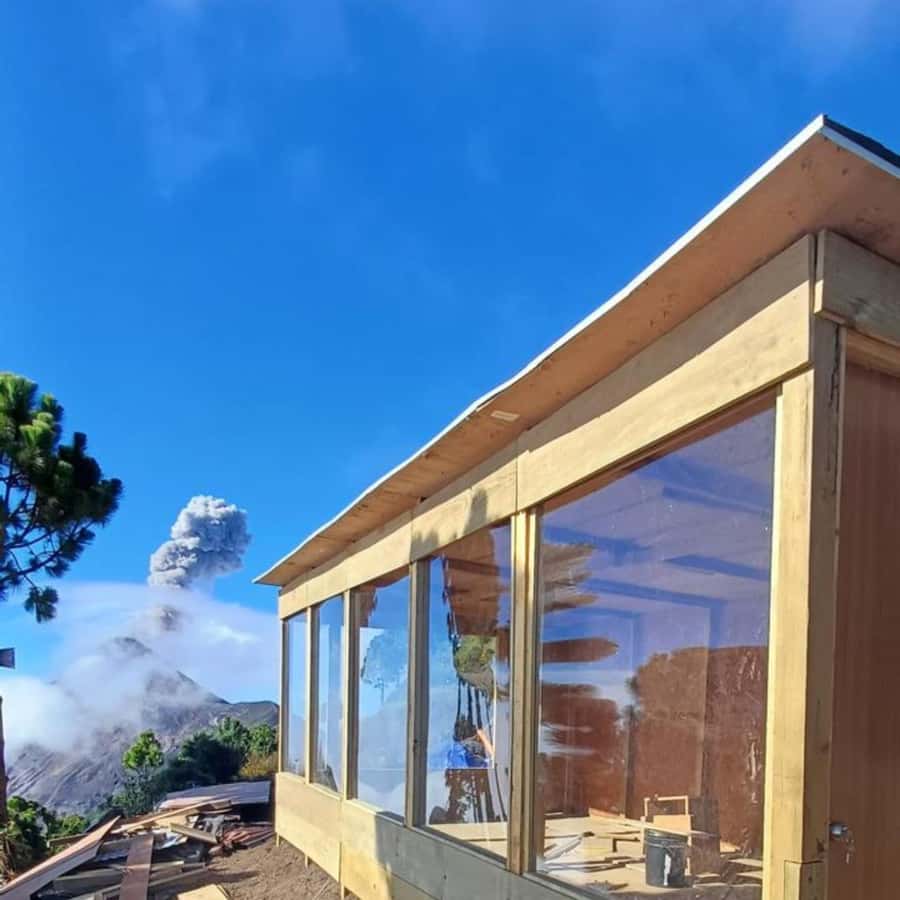
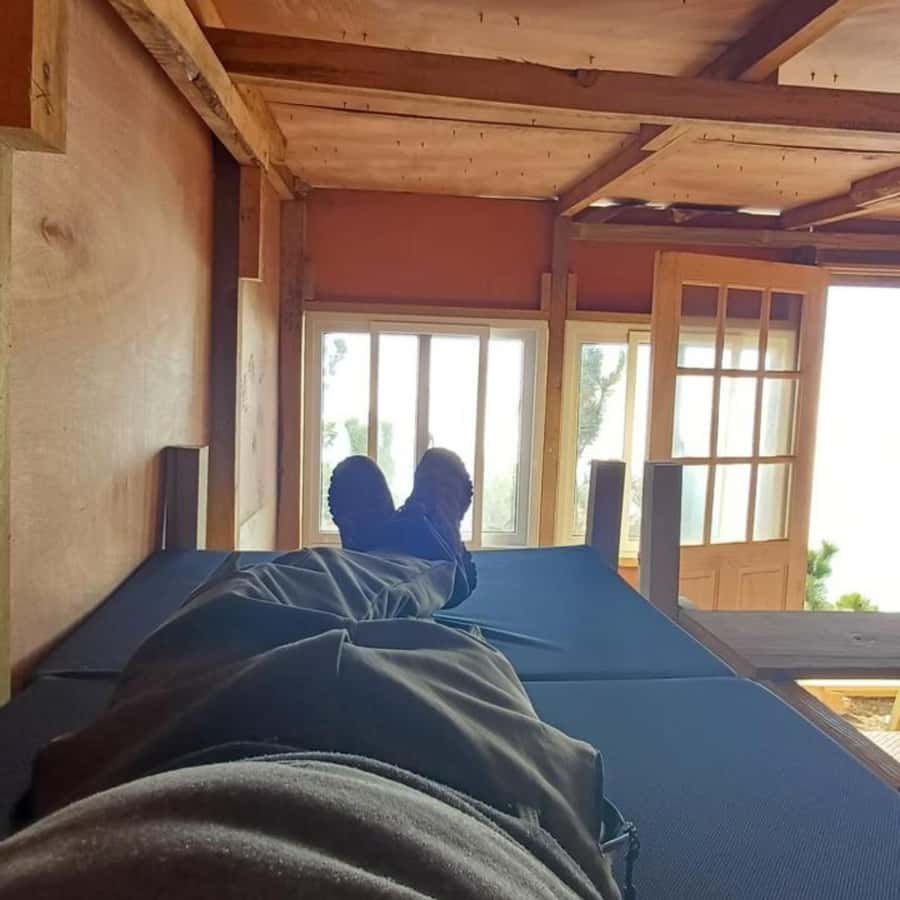
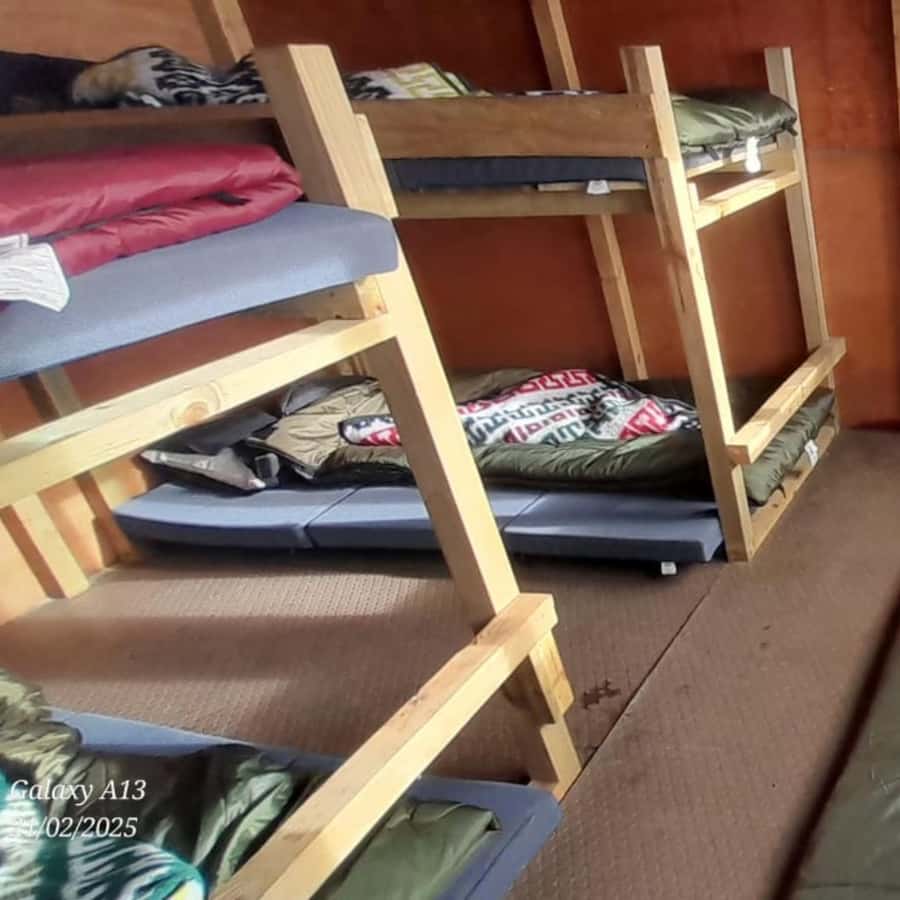
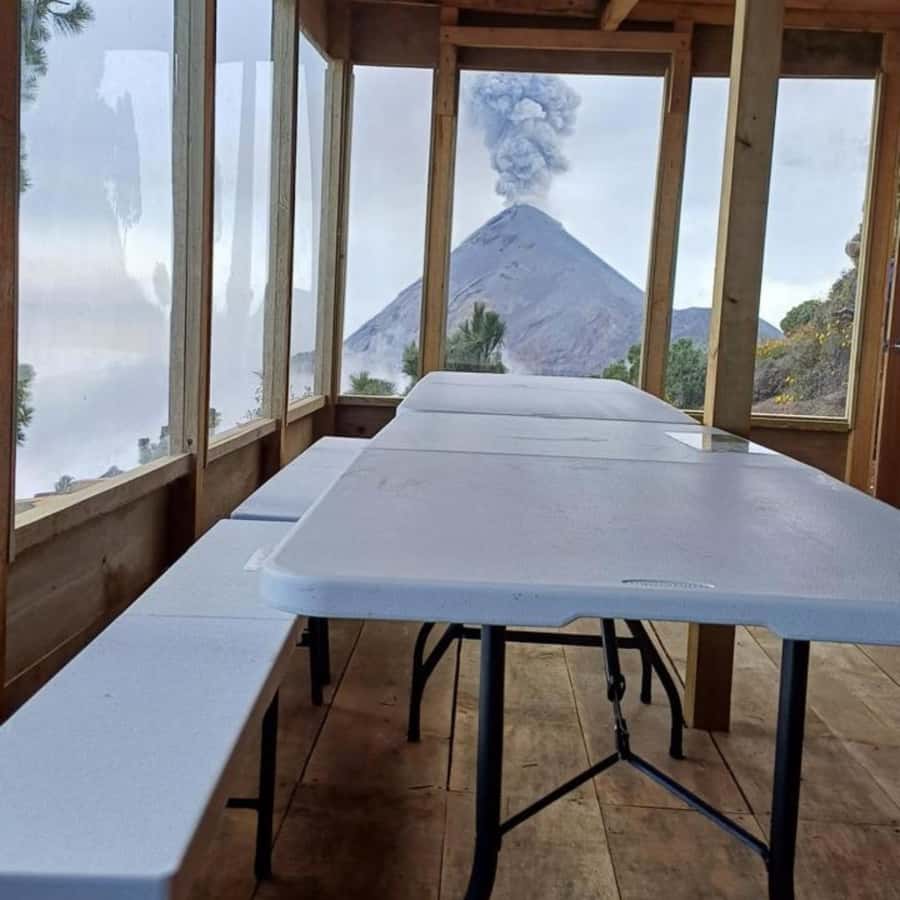
The accommodations help too. Many volcano trips advertise views and then leave you shivering outside. Here, the basecamp lodging is described as newly built wooden cabins with insulation and sleeping bags. You’ll also have glass doors so you can stay warm while watching the eruptions, not sprinting between “wonderful photo” and “frozen hands.”
One more practical point: the tour is clearly pitched as intermediate hiking with potential high difficulty for some. That’s not a scare tactic. It’s just you getting a reality check early, before you show up in sneakers and optimism.
You can also read our reviews of more tours and experiences in Antigua Guatemala.
Antigua Timing: Getting to Pachamama Tours by 7:30 AM
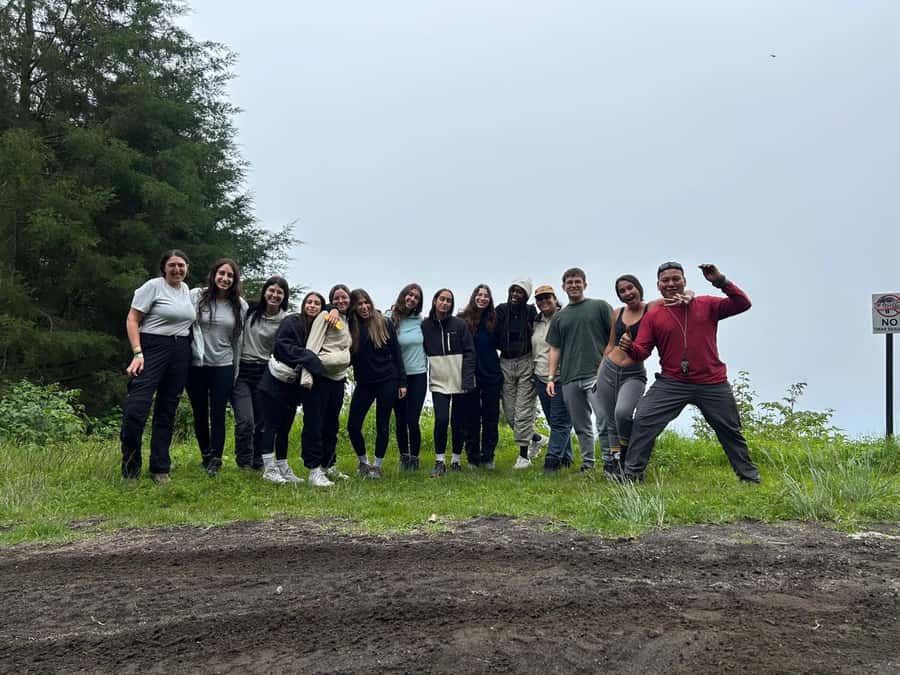
Your day starts early in Antigua. If you’re not staying the night before with the hostel, you need to arrive at Pachamama Tours by 7:30 AM. This early meeting time matters because you’re not just meeting a van. You’re syncing a group for one shared ride and a one-direction push up to the trailhead.
If you are staying with them, you get the night before included in the plan. The hostel setup includes male or female dorms (confirm your stay 48 hours in advance), plus free coffee, a terrace with city views, and a fully equipped kitchen. That kitchen piece is small but useful. You can top off snacks and water plans before the hike day begins.
From Pachamama Tours, the shared minibus ride to La Soledad takes about 45–60 minutes. That’s long enough to feel like a proper transition, but not so long that you’re stuck on the road wondering whether you missed something. Either way, being prompt helps the whole group keep moving.
The guide is listed as Spanish, and the guide is also described as having beginner to intermediate English. So if you don’t speak Spanish, you can still manage, but don’t expect a full-on bilingual lecture. Bring a few basics and ask questions during breaks.
Day 1: The La Soledad Trail, Lunch Breaks, and Basecamp Night
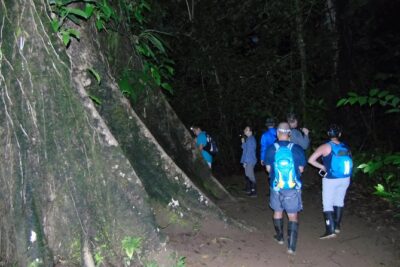
Day one is the long one. After you reach La Soledad, the hike up to basecamp takes about 6 to 8 hours. You’ll have scenic breaks along the way, including a lunch stop. This is where your hiking pace becomes your comfort.
A small detail I think is worth your attention: pack for practical stops. The plan specifically hints to bring essentials like toilet paper. That’s one of those “it’s not glamorous, but it saves your mood” tips. If you’re used to city routines, don’t assume trail conveniences.
At basecamp, the focus shifts fast from effort to atmosphere. You’ll arrive, eat dinner, and then settle in for eruption viewing at night. Expect hot chocolate and a shot of Guatemalan rum gathered around the campfire before you call it for the night. It’s tourist-friendly, but it doesn’t feel childish. It’s a controlled way to enjoy something that usually happens outside, cold and windy.
Then you sleep. The cabins at basecamp are described as insulated with sleeping bags and pillow, and you can view eruptions through the glass doors while staying warm. Each cabin has a max capacity of 5 people, which usually means fewer chaos moments than giant bunk rooms.
Also note the water approach. You’ll have 4 liters of water included as recommended 3–4 liters, and each hiker is required to provide one liter of water to the guide upon reaching basecamp. In practice, this means you should come with the ability to carry and measure your portion so you don’t improvise in the dark.
If you want to add more climbing, the plan mentions an optional Fuego Volcano hike, plus snacks, extra gear, and porters available for purchase. If you’re considering it, ask early what pace and logistics look like so you can judge whether your energy matches the ambition.
Day 2: The 4 AM Summit Push and Sunrise Views
Day two starts around 4:00 AM with a short summit hike. The goal isn’t a long second ascent. It’s getting to a viewpoint for sunrise and the best morning light.
You’ll spend about 45 minutes soaking in the views, then descend back toward basecamp for a hot breakfast. This is a real benefit. After an early wake-up and another uphill segment, breakfast that’s actually warm can make you feel human again.
Once breakfast is done, you start the descent back to La Soledad and then ride back toward Antigua. The plan says you’ll return by 12 PM. That timing matters because it gives you the rest of the day in Antigua without feeling like you’ve been drained until nightfall.
If you’re someone who hates waiting, this itinerary is built for you. You climb, you watch, you eat, you descend, and you’re back on the map before the day turns into a long blur.
Meals and Packing: How Not to Freeze or Run Out of Energy
The included meals are a big part of the value here: lunch, dinner, and breakfast, plus hot chocolate and a shot of whiskey during the evening at basecamp. You also get toilet facilities and storage for your luggage, which helps keep the pre-hike chaos down.
Still, you shouldn’t treat the food as magical. The plan encourages you to bring extra snacks because Acatenango can be demanding and extra calories help you keep a steady pace. Practical, high-energy choices like nuts, protein bars, dried fruit, or chocolate are mentioned. I like that logic: quick calories when you feel “fine” are better than trying to recover when your stamina drops.
For clothing and comfort, layering is your best friend. Temperatures can swing as you climb and as night arrives. You’ll also want sturdy hiking shoes with good traction since the ground under early morning conditions can be slippery.
Here’s what you should plan to bring based on what’s recommended:
- Layered clothing for shifting temperatures
- Sun protection (hat, sunscreen)
- Insect repellent
- Toiletries and any personal medication
- Snacks you like, plus anything you know helps you feel steady
And the basics matter: the tour provides hat, jacket, and gloves, but you’re still responsible for your own personal essentials. Also consider a flashlight. It’s listed as not included and costs extra (45 Quetzales), so if you’re sensitive to low light, add it to your prep list.
Finally: avoid underpacking toilet needs. The tour calls out bringing toilet paper for the lunch/trail situation. You’ll thank yourself later.
Price and Extras: Is $98 Good Value?
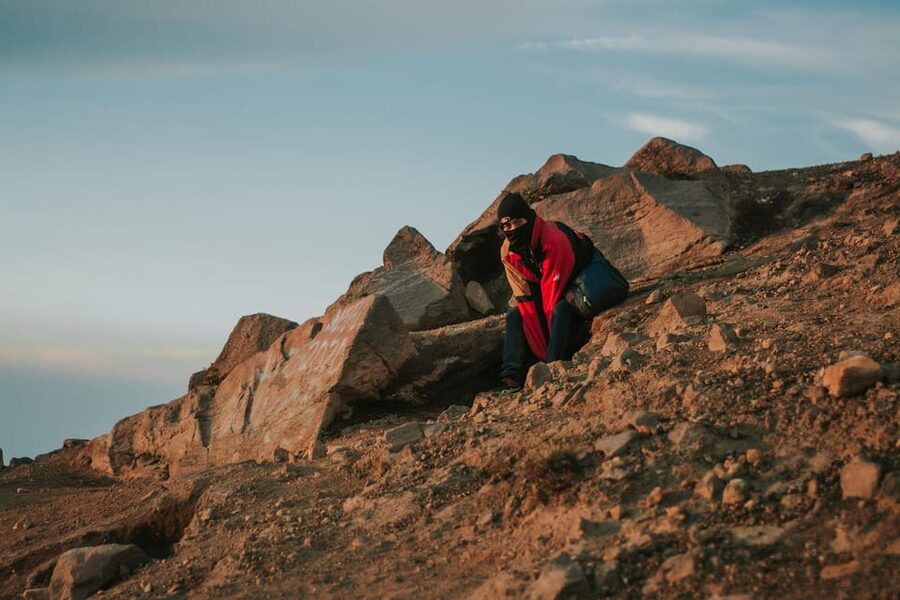
At $98 per person for a 2-day Acatenango experience, the price looks low compared with other volcano trips—mainly because this one includes a lot of core items. You’re getting round-trip van transport, a local guide, basecamp access with dormitory-style lodging, three meals, hot drinks, and cold-weather gear like a hat, jacket, and gloves. You also get a sleeping bag and pillow, plus storage for your luggage.
That’s the heart of the value: most of your “hidden costs” are covered. Lodging (at both the hostel night and basecamp), meals, and guide time are where cheap tours often get thin. Here, they’re spelled out clearly.
Now the reality check: entrance fees and optional upgrades can raise your total. Entrance fees are 50 Quetzales each, and there are two of them. So budget at least 100 Quetzales for those park costs. The optional hike to Fuego Volcano costs an extra 250 Quetzales. Flashlight (45 Quetzales) and a wooden hiking pole (15 Quetzales) are also listed as not included.
If you’re the type who hates surprises, do the math before you go:
- Start with the base price ($98)
- Add park entrance fees (two charges)
- Decide early whether you want the Fuego add-on
- Add small items you might need (flashlight, pole)
It’s still a strong value if you budget for the extras and come ready to hike. It can feel less “cheap” if you add Fuego and then forget the park fees.
Guides, Group Flow, and Trail Reality
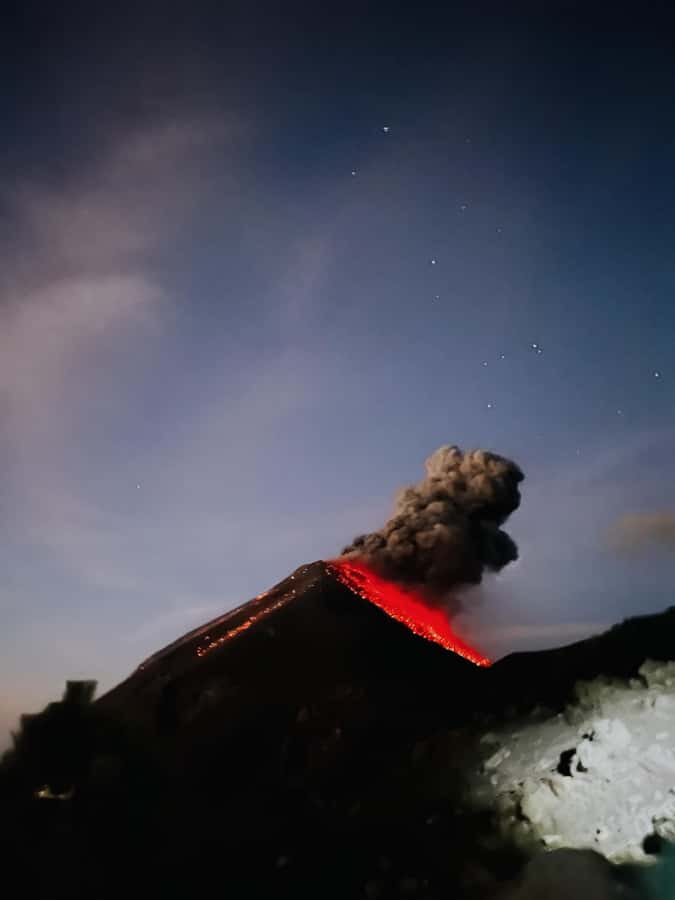
This hike lives and dies by pacing. On an active volcano trek, you’ll share trail space with other groups, and conditions can cause slowdowns. One practical consideration: when you meet groups coming from the opposite direction, narrow sections can bottleneck. You’ll do better if you expect this and stay patient rather than frustrated.
On the people side, the guides are a major part of the experience. Names like Willy and Kevin come up as strong guide examples, and the common thread is straightforward warmth and competence. That matters because the guide isn’t only leading. They’re also managing gear distribution, briefing you before the hike, and keeping the group on a safe schedule.
The guide briefing includes gear and a detailed start plan. They also handle the basecamp portion and the early morning summit push. With that structure, you can focus on breathing, foot placement, and not thinking too hard.
Who Should Book This Acatenango Hike (and Who Should Skip It)
This is for active hikers who want a real challenge and can handle early starts. The route is described as intermediate, but it can feel high difficulty for some. If you’ve done solid day hikes with elevation before, you’ll probably find this matches your fitness. If you’re brand-new to serious climbing, you may end up miserable even if you technically can finish.
It’s also not suitable for:
- People with mobility impairments
- People with altitude sickness
- People with recent surgeries
- Babies under 1 year
And if you’re traveling during Holy Week, note that dorm lodging is not available then. That’s a planning detail that affects whether you can fit the overnight portion.
Best fit:
- You want Fuego Volcano views without paying for separate transport and lodging chaos
- You like having a plan for meals, gear, and sleeping arrangements
- You’re comfortable being outdoors and waking up very early
If you want a relaxed vacation pace, this isn’t it.
Should You Book Pachamama Tours for Acatenango?
Book it if you want the volcano experience with the important stuff handled for you: guide support, meals, basecamp sleeping, and a schedule built around night eruptions and sunrise. The setup is especially good value if you’re coming to Guatemala and don’t want to piece together logistics.
Skip or consider another option if:
- You’re worried about altitude or have a history of altitude problems
- You hate early mornings and long uphill days
- You’re on a tight budget and don’t want to add entrance fees and optional upgrades
If you do book, your best move is simple: pack smart, carry extra snacks, and treat the early hours as part of the price of admission. Do that, and you’ll get one of the most memorable volcano viewing experiences in Guatemala.
FAQ
What’s included in the 2-day hike package?
You get shared dorm accommodation at the hostel before the hike, round-trip van transportation, a local guide, base camp access with dormitory-style lodging, hat/jacket/gloves, sleeping bag and pillow, toilet facilities, guided hikes, and three meals (lunch, dinner, breakfast). Hot chocolate plus a shot of Guatemalan rum are included too, along with water.
Where do we meet, and when?
You meet at Pachamama Tours by 7:30 AM. If you’re not staying at their hostel the night before, you arrive directly on the day of the hike. The activity ends back at the meeting point.
How difficult is the Acatenango hike?
It’s listed as intermediate, but it can feel high difficulty for some people. The hike to basecamp takes about 6 to 8 hours on day one, plus an early summit hike on day two.
What time does day two start, and when do we get back?
Day two wake-up is at 4 AM for a short summit hike and sunrise views. After descending and breakfast, you return to La Soledad and are back in Antigua by around 12 PM.
What extra costs should I expect?
Entrance fees are not included: 50 Quetzales each, with two entrance fees. The optional hike to Fuego Volcano costs 250 Quetzales extra. Flashlight and wooden hiking pole are also not included (45 Quetzales and 15 Quetzales respectively).
What should I bring?
Bring sturdy hiking shoes, layered clothing, sun protection (hat and sunscreen), insect repellent, toiletries, personal medication, and snacks (recommended). You may also want a flashlight if you think you’ll need it, since it’s not included.