REVIEW · SIGIRIYA
Night Hike to see Elusive & Rare Loris in Sigiriya
Book on Viator →Operated by Back of Beyond Sri Lanka · Bookable on Viator
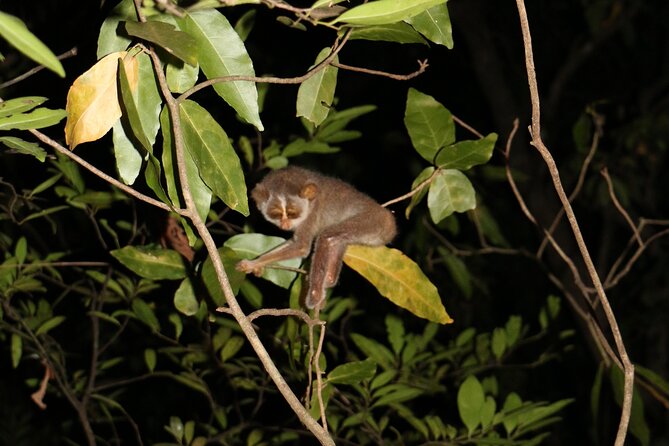
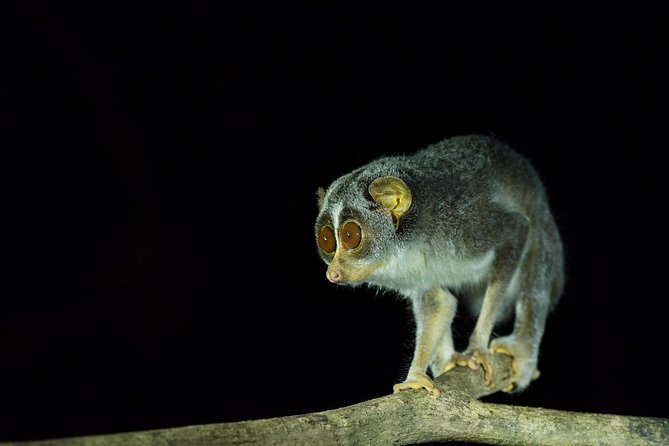
Grey slender loris spotting starts after dark. This 90-minute night walk in Pidurangala gives you a shot at the endangered, nocturnal grey slender loris on a guided jungle trail. I love the small group (max 5) feel, and I love that you’re led by a naturalist-trained guide from start to finish. One thing to plan for: sightings aren’t guaranteed, and the best moments can pass fast in true night conditions.
The setup is very practical. You meet at Rocko’s Vegetarian Cafe in Pidurangala (pickup is also offered), then you get proper night gear like head torches, plus help using infrared-style lighting to reduce disturbance while guides track loris with skill.
If you choose the dinner option, the night feels like a full evening plan, not a quick drop-off and dash. Just remember: expect darkness, insects, and a pace that prioritizes animal welfare over nonstop searching.
In This Review
- Key highlights to look for
- Why the Grey Slender Loris Night Walk in Pidurangala is Special
- The 90-Minute Flow: Talk, Torches, Then a Guided Hunt
- Inside the Tree House Intro: learning what you’re actually looking for
- Walking the Jungle Trail with Infrared Lighting
- What Else You Might See in the Dark (and why it matters)
- Photo and Comfort Tips for a Buggy Night
- Price and Value: what you get for $29 in Sigiriya
- Who This Tour Fits Best
- When You Should Skip It
- Should You Book This Loris Night Hike?
- FAQ
- Where do I meet for the night hike?
- How long is the experience?
- Is pickup available?
- What is the group size?
- Will I see grey slender loris for sure?
- Do I get lighting or equipment for the night?
Key highlights to look for
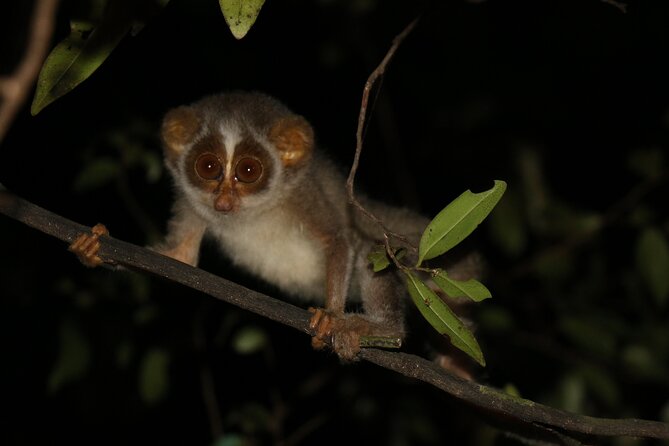
- Endangered grey slender loris in the wild during a guided night walk in Pidurangala
- Tree house-style intro talk before you head out with torches and lanterns
- Infrared lighting approach to help locate loris with less disruption
- Max 5 travelers for a calm, guided pace and easier spotting for each person
- Bonus wildlife sightings like moths, crickets, lizards, and owls
- Dinner add-on at the start property for a complete evening plan
Why the Grey Slender Loris Night Walk in Pidurangala is Special
This isn’t a zoo-style animal show. You’re out in the forest at night, working with the animal’s schedule. The grey slender loris is endangered and nocturnal, which means it hides in plain sight during the hours when most people are tucked into bed. That single fact flips the whole experience: you’re not “watching wildlife,” you’re learning how to look responsibly in the dark.
What makes it especially appealing value-wise is that the walk is built around your chances. You start with a short introduction, then you follow a prepared night trail in the Back of Beyond Pidurangala gardens. That matters because “trying to find loris” on your own usually turns into wandering, shining lights, and spooking animals. Here, the guide is there to read the environment and adjust your approach.
I also like the honesty in the concept. Even when conditions are right, a loris might freeze, move silently, or simply be out of range. The best nights can still feel like “brief close-up moments,” not a steady, guaranteed show. If you can handle that, this is a great way to experience Sri Lanka’s night ecology up close.
You can also read our reviews of more tours and experiences in Sigiriya.
The 90-Minute Flow: Talk, Torches, Then a Guided Hunt
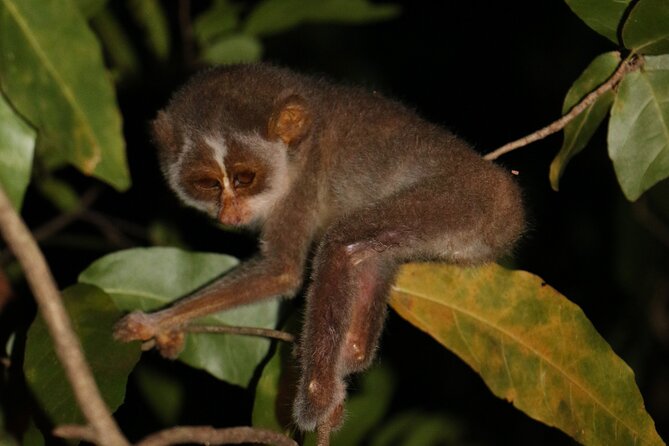
The total time is about 1 hour 30 minutes, and it feels intentionally short. That’s good for two reasons. First, it keeps you focused on the best hunting hours for the animals. Second, it limits how long you’ll be walking in dark conditions with insects and uneven ground.
Typically, the evening starts around 7 pm and wraps up after about 90 minutes. The exact start time can vary, but you’re clearly set up for an evening sortie rather than a late-night trudge.
You can expect three phases:
- Meet and settle in at Rocko’s Vegetarian Cafe (Pidurangala area). If pickup is offered for your schedule, you’ll likely be picked up near your accommodation.
- A short intro to grey slender loris and the forest at night, including what to look for and how to behave around nocturnal animals.
- The night walk with head torches/lanterns and guide-led tracking, with pauses when something is spotted or when the group needs to see the same animal.
Then you return to the meeting point. If you choose the dinner add-on, the evening can end with a meal at the same base area, which is a nice way to avoid scrambling for food after you’re already tired and bug-bit.
Inside the Tree House Intro: learning what you’re actually looking for
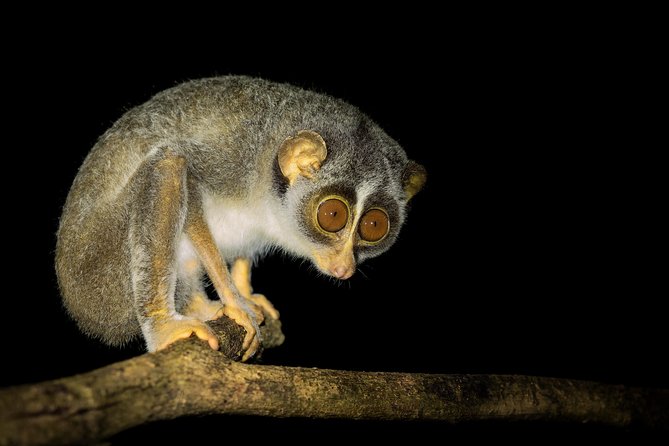
Before anyone turns on the head torches, you get a quick presentation focused on the grey slender loris. The point isn’t just facts for fun. It sets expectations for what you will realistically see and how to interpret movement in the dark.
A standout detail from the experience vibe is the setting of the intro: a tree house-style spot that puts you mentally in the right place. You start learning before you walk, so when the guides start calling out shapes and eye-reflections, you’re not just guessing.
This is also where you learn practical behavior for night wildlife encounters—how to keep lights steady, how to avoid crowding, and how to give the animal space. That’s a big deal because lorises are delicate, and the guides are trying to maximize sightings without turning the forest into a spotlight show.
If you’re an animal lover, this intro also helps you enjoy the “in-between.” Even if you don’t see loris constantly, you’re trained to notice the night sounds and smaller creatures—crickets, moths, lizards, and other cues that tell you the ecosystem is alive even when the main star is hidden.
Walking the Jungle Trail with Infrared Lighting
Once you’re out on the trail, you’ll notice the approach is controlled. Instead of blasting the forest with bright white beams, the guides use an infrared-style lighting approach and the loris-eye-reflection trick the guides can spot. This isn’t about theatrics. It’s about finding without stressing.
You’ll also hear guidance in real time. The guides work the undergrowth skillfully, and they adjust positions so that everyone in the small group gets a fair view when luck hits. In the best moments, you can see loris close up, and sometimes you’ll get more than one sighting.
A realistic expectation: views can be quick. One moment you’re tracking, the next you’re standing still while the guide finds the exact spot where the animal is facing you. That’s why the group size matters—guides can rotate positions without turning the group into a block of moving flashlight beams.
The trail happens in and around Pidurangala’s Back of Beyond gardens, so you’re not wandering “generic jungle” with no plan. The environment is still wild (and dark), but the route has been arranged to maximize your chances.
What Else You Might See in the Dark (and why it matters)
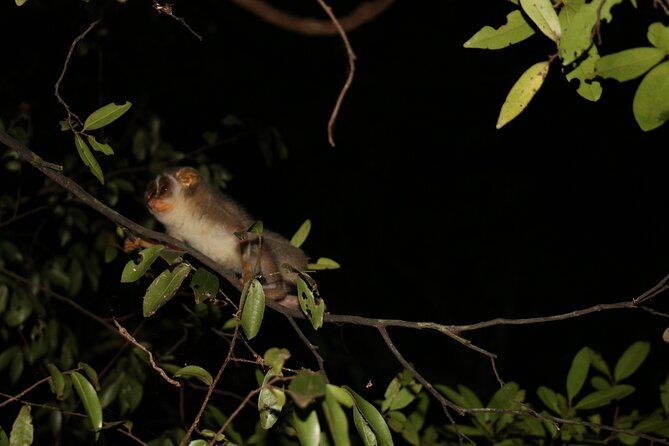
Even though loris spotting is the headline, the night walk is actually about learning the whole nighttime community. And that’s where the experience can surprise you.
On good nights, people have reported seeing a mix of nocturnal wildlife like:
- Moths
- Crickets
- Lizards
- Owls (including nesting activity)
- Other small mammals such as mouse deer
- Occasional additional animals in the same general night habitat, including civets
Why this matters: loris sightings can’t be forced. But if you’re paying attention to everything else the guides point out—small movement, wing flickers, eye-shines—you still get that feeling of being in the right place at the right time. It turns the evening into a living nature walk, not a single-spot event.
There’s also a conservation angle in how this is run. People describe it as a proper organization focused on conservation rather than a casual gimmick. You’ll feel that in the low-disturbance lighting, the way you stand back, and the focus on learning rather than just chasing.
Photo and Comfort Tips for a Buggy Night
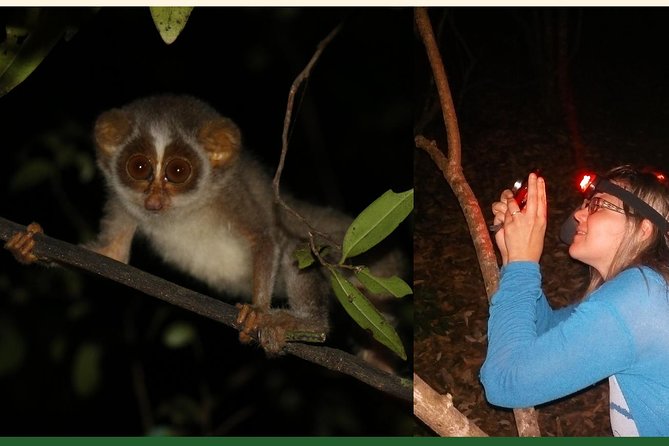
This is a night hike. That sounds obvious, but it affects what you should bring and how you should plan.
From the vibe people report, here are the realistic expectations:
- Expect lots of bugs. They’re part of the night atmosphere, and they’ll find exposed skin if you don’t protect yourself.
- Your guide will help with night finding, and you’ll likely get head torches, but photography can still be tricky.
- Low light means quick moments. Your best shots might be hard to frame, and sometimes phone cameras struggle to focus where the animal actually is.
A smart approach is to treat photos like a bonus, not the mission. If you can, bring a small power bank, wipe your lens often (humidity and dust happen), and be ready to shoot without moving closer once the guide signals a sighting.
Also, remember you’re walking in the forest under low light. Wear shoes you’re happy to get scuffed. Keep your hands free so you can follow guide instructions quickly.
If it helps, think of the walk like a guided nature class you’re doing outdoors at night. The best reward isn’t only the photo—it’s understanding why that animal looks the way it does in the dark and how to read the forest signals around it.
Price and Value: what you get for $29 in Sigiriya
At $29 per person, this lands in the “reasonable activity cost” zone for Sigiriya-area experiences, especially when you factor in what you’re paying for: a naturalist-trained guide, controlled nighttime lighting, and a small-group setup with a private feel.
Here’s the value breakdown that matters:
- Guide time and tracking skill: Finding an endangered nocturnal primate isn’t casual. The guide’s ability to locate loris and manage group positioning is central to your odds.
- Night equipment and method: Head torches and infrared-style assistance are part of the experience, and they’re also about animal welfare.
- Structured trail: You aren’t just wandering the dark hoping. You’re on a route designed for night viewing.
- Optional dinner: If you pick the dinner add-on, you reduce hassle after the hike because food is handled at the start area.
Where the price can feel less “great” is the uncertainty. Since sightings aren’t guaranteed, you’re not paying for a guaranteed moment of loris in front of your camera. You’re paying for the best odds and the best way to try.
If you go in with patience, respect the process, and accept that “short view” can still be genuinely memorable, the value becomes strong.
Who This Tour Fits Best
This is a strong match if you want any of the following:
- You love Sri Lanka’s animals and want to see what the forest looks like after dark.
- You enjoy guided nature learning more than “pure sightseeing.”
- You’re comfortable with bugs, low light, and pauses where you stand still and let the guide work.
- You like small-group experiences. With a maximum of 5 travelers, the guide can help everyone see.
Solo travelers often like this too because the group is small and the structure keeps you from feeling lost. Families can do it as long as everyone is okay walking at night for about 90 minutes and staying alert.
If you’re traveling with a strict schedule, note that it’s a short evening window. It’s easier to fit than long safaris, but you’ll still want to plan your day so you don’t rush your arrival and stress yourself right before the hike.
When You Should Skip It
Skip it if you’re expecting a daytime style experience where animals are constantly visible. Even on the best nights, loris are elusive. There are also a few practical reasons you might not enjoy it:
- You hate insects and don’t plan to protect yourself.
- You need bright, comfortable walking conditions.
- You want predictable, long-lasting views for photography.
Also, consider weather. The activity is described as requiring good weather. If rain or poor conditions interfere, you should be ready for an alternative date or a full refund option as provided by the operator.
Should You Book This Loris Night Hike?
If you’re willing to trade certainty for a real shot at something rare, I’d say yes. For $29, the guide-led approach, small group size, and focus on low-disturbance wildlife viewing make this one of the more thoughtful night activities around Sigiriya.
Book it if you:
- want an endangered species encounter with an expert approach,
- like learning in the moment,
- and can handle a night hike with bugs and low light.
Skip it if your idea of value means guaranteed sightings and easy photography. If that’s you, you’ll likely feel disappointed. But if your goal is to experience the jungle’s night life the right way, this is exactly the kind of evening I’d plan.
FAQ
Where do I meet for the night hike?
You meet at Rocko’s Vegetarian Cafe, Pidurangala, on Pidurangala Road, Sigiriya 21120, Sri Lanka. The activity ends back at the meeting point.
How long is the experience?
It runs for about 1 hour 30 minutes.
Is pickup available?
Pickup is offered (depending on your booking details).
What is the group size?
The tour has a maximum of 5 travelers.
Will I see grey slender loris for sure?
No. Loris are rare and nocturnal, so sightings can be quick and sightings aren’t guaranteed every time. Guides do their best to help the whole group see them when conditions allow.
Do I get lighting or equipment for the night?
Yes. You’ll be given night lighting such as head torches, and the guides use lighting methods intended to help locate loris without disturbing them.