REVIEW · SIGIRIYA
Night Hike to see Elusive & Rare Loris in Sigiriya
Book on GetYourGuide →Operated by Back of Beyond · Bookable on GetYourGuide
Spotting a loris after dark is special. This small-group night hike around Pidurangala, near Sigiriya, sends you into the jungle with an English-speaking naturalist guide to search for rare, nocturnal lorises. The whole experience is built around careful watching, not rushing.
I like the odds: a 90% success rate and a money-back promise if you don’t spot a loris. I also like the practical side, with necessary gear provided and an expert guide who explains what you’re seeing as you walk.
The one caution is simple: this is wildlife viewing. If it rains, or if the night is unusually bright, lorises may stay deeper in the trees and you might not get the close, easy views you hoped for.
In This Review
- Key highlights at a glance
- Loris Night Hike in Sigiriya: The Real Appeal
- Why Pidurangala after dark feels different from doing Sigiriya in the daytime
- The short itinerary: from Rocko’s Vegetarian Cafe into the trees
- How the guide improves your odds of seeing lorises
- What you’ll actually experience during the hunt
- Gear and clothing: what matters for comfort and safety
- Group size and pacing: why max 8 is a big deal here
- Ethics and conservation: what the Back of Beyond angle means for your value
- Price in context: is $64 per group up to 2 worth it?
- When to expect setbacks: weather, moon, and what to do about it
- Who should book this night loris hike
- Should you book this night hike to see lorises in Sigiriya?
- FAQ
- Where does the night hike start?
- How long is the experience?
- How many people are in the group?
- Will we see lorises for sure?
- What language is the guide?
- What should I wear?
- What else might we see besides lorises?
Key highlights at a glance
- 90%+ success rate for spotting lorises on the walk
- Money-back guarantee if you don’t spot a loris
- Small group (max 8) with an English live guide
- All the key gear provided, plus clear clothing rules for the jungle
- Exclusive exploration in the Pidurangala wild jungle after dark
Loris Night Hike in Sigiriya: The Real Appeal
This is one of those rare Sri Lanka experiences that doesn’t feel like a checklist. You’re not touring famous ruins under the sun. You’re walking through the dark trees near Sigiriya, looking for a small primate that’s famous for being hard to see.
What makes it compelling is the focus. The route is centered on lorises, and the guide’s job is to help you find them the right way: quietly, patiently, and with respect for the animal. Even if you’ve never tried night wildlife spotting before, the structure makes it feel manageable instead of random.
And yes, the setting matters. You’re based near Pidurangala, a nearby jungle area that gives you that true after-dark feel. Between the calls you can hear and the slow pace of scanning branches, the night takes on a different texture.
You can also read our reviews of more tours and experiences in Sigiriya.
Why Pidurangala after dark feels different from doing Sigiriya in the daytime
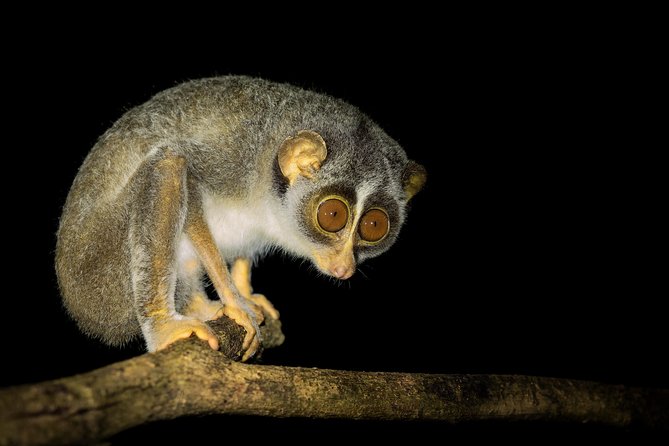
Daytime Sigiriya is about scale, views, and history. Nighttime Pidurangala is about attention. It’s a different skill set: watching small shapes in the canopy, noticing movement, and listening for life that doesn’t announce itself.
That’s why the tour’s “find the loris” promise is meaningful. Lorises are nocturnal, and that means they’re active on a schedule most people never see. When the guide finds signs of activity and gets you positioned correctly, the whole jungle suddenly becomes a living room with seats in the trees.
You’ll also get a stronger sense of how the ecosystem works at night. The guide shares details about nocturnal wildlife and the jungle ecosystem as you go, so it’s not just “look there.” It’s “this is why it’s there, and how it behaves.”
The short itinerary: from Rocko’s Vegetarian Cafe into the trees
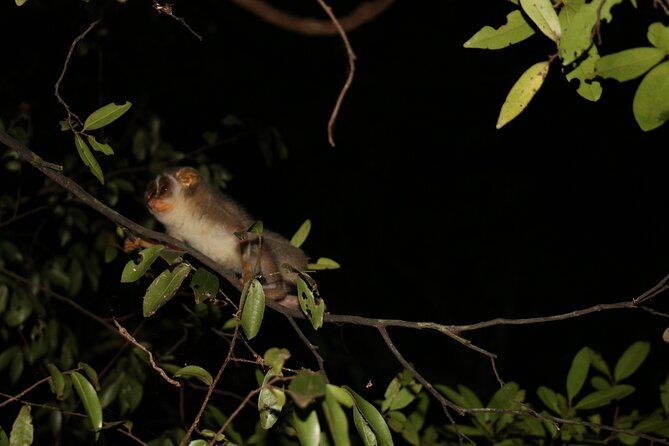
The tour starts at ROCKO’S Vegetarian Cafe in Pidurangala. It’s a straightforward meeting point that’s easy to locate using the provided map link, and it also means you can grab a drink before heading into the dark.
From there, you’ll head into Pidurangala for a guided walk/hike. The total time is listed as 1.5 hours, while the Pidurangala portion is described as around 2 hours of guided walking/hiking. Either way, the experience is light on formal stops and heavy on the guided movement you do at night.
You’ll return to ROCKO’S Vegetarian Cafe at the end. That matters more than it sounds. Night walks can get long quickly if you’re constantly lost or waiting around. Here, the format keeps things tight, which helps the guide stay focused on spotting instead of logistics.
How the guide improves your odds of seeing lorises
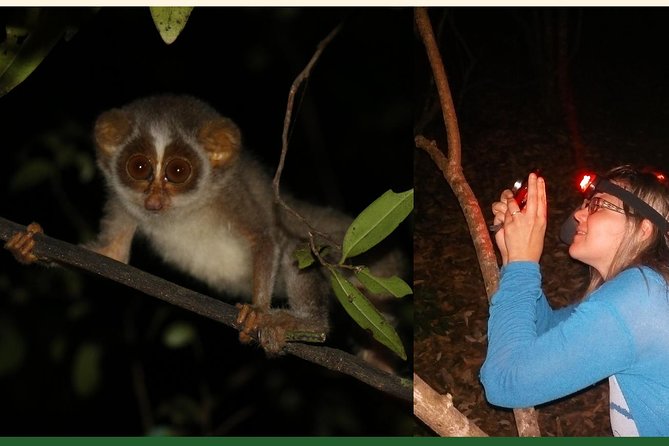
Seeing lorises is never guaranteed in the way a train arriving on time is guaranteed. That’s true for every night tour, anywhere. The good news: this tour is built around reducing uncertainty.
Here’s what you can count on from the tour design:
- a naturalist guide who explains what to look for and what you’re likely to see
- a high chance of seeing loris, stated as over 90% success
- a strong emphasis on respecting the animals and their habitat
In practical terms, the guide is doing what you’d want an expert to do: scanning the right spots, adjusting your position, and reading the clues in the trees. One review notes head lamps are provided, which also helps you see what you need to see (without flooding the area with harsh light).
Also, conditions matter. If it’s raining, lorises may tuck away until the weather improves. In one case, a group was delayed due to rain and elephants on the road, and the guide worked to run an additional tour so they could still try. That tells you the operator takes spotting seriously.
What you’ll actually experience during the hunt
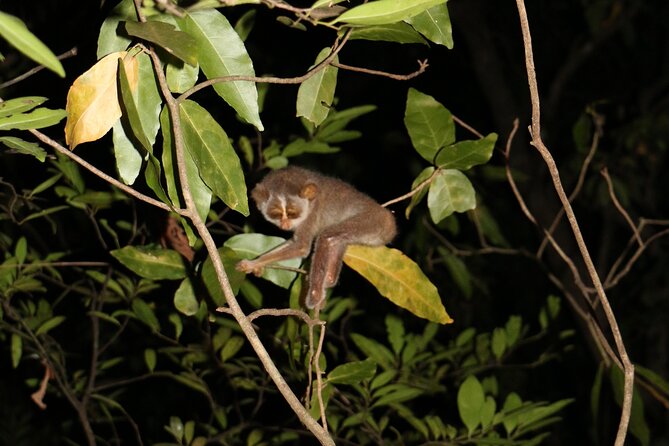
This isn’t a long march with one dramatic moment at the end. It’s a walking search with frequent pauses and careful looking.
Before you go, you should expect a short intro about lorises and other nocturnal wildlife. Some past groups were given an explanation and then started tracking. This helps you recognize what you’re seeing in the trees instead of just aiming your headlamp at random branches.
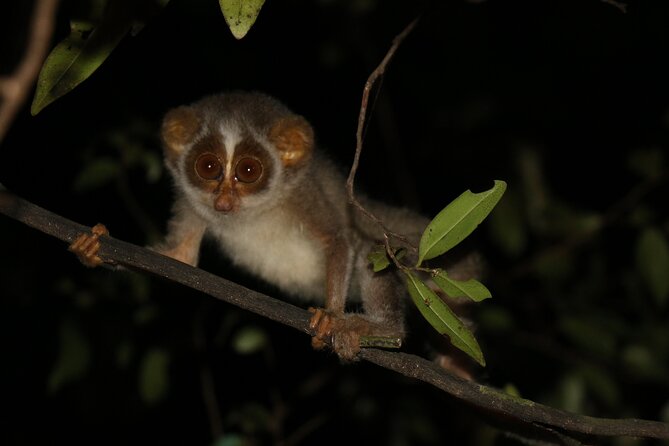
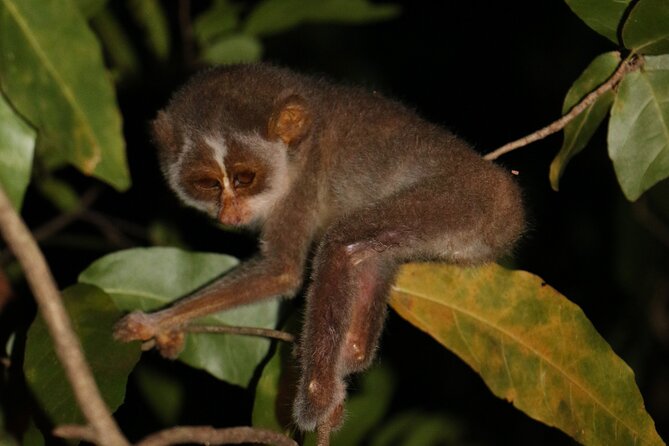
Once the walk begins, your job is to move quietly and watch where the guide points. The loris itself is the star: a primate with large eyes and gentle movements. It’s also nocturnal, meaning your best chances come after dark when it’s active.
And while the tour is focused on lorises, you might notice other night life too. Examples reported include sleepy birds, bioluminescent insects, and occasional reptiles and small mammals (like a kangaroo lizard, gecko, and mouse deer). Don’t treat that as a promise, but it’s a reminder that night jungle spotting can feel like a multi-species scavenger hunt.
Gear and clothing: what matters for comfort and safety
The tour is short, but it’s still a jungle walk after dark. So clothing is not optional detail. It’s how you finish the hike without regret.
Bring:
- Long-sleeved shirt
- Long pants
- Closed-toe shoes
If you forget any of those, you’ll feel it. The trails are in the jungle, and at night you want fewer skin-exposed edges to scratches, insects, and rough plants.
The good part: the tour provides necessary gear. Some groups specifically mention head lamps. That’s a big help because it gives you light when you need it and keeps you from relying on your phone flashlight (which is usually too bright and too directional for wildlife watching).
Also plan for the reality of night air. Even in warm regions, evenings can feel cooler once you slow down and wait. Light layers under your long sleeves can help, but the tour’s clothing rules are already your baseline.
Group size and pacing: why max 8 is a big deal here
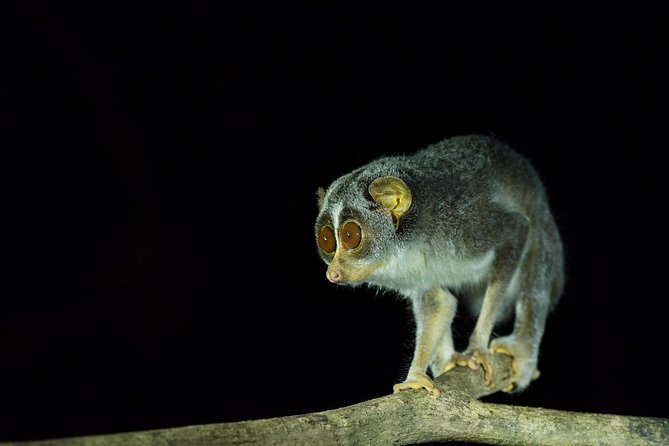
This hike is limited to 8 participants, and that changes the whole feel. In a big group, the guide can’t position everyone well, and the light from headlamps becomes a chaos factor.
A smaller group helps with spotting. It’s easier for the guide to communicate quickly, easier for you to keep quiet, and easier to get the best angles when a loris appears. If the group is even smaller on your date, you’re likely to feel more like you’re on an intimate safari than in a packaged crowd event.
The pacing is also designed for attention. You’re not meant to sprint or constantly talk. You’ll likely spend time scanning and waiting for movement that can be subtle. That can feel slow in a normal walk. Here, it’s the point.
Ethics and conservation: what the Back of Beyond angle means for your value
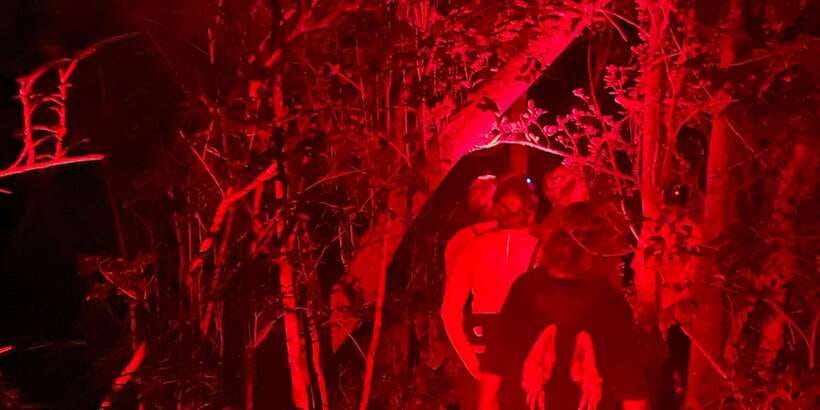
The provider is Back of Beyond, and the experience is presented as more than just a wildlife show. Past guests describe the organization as conservation-focused, with an intro that frames why lorises matter and what actions help protect them.
That shows up in two ways:
- The tour teaches you about lorises and nocturnal wildlife, so your sighting connects to the bigger story.
- There’s an emphasis on ethical observation and habitat protection, not harassing or forcing animals into view.
Money-back guarantee and high success rate might sound like sales tactics, but they can also reflect a serious operational goal: bring you out at the right time, guide you well, and keep the experience honest.
In other words, you’re not paying only for “seeing.” You’re paying for a responsible night search that tries to produce both a sighting and a real understanding.
Price in context: is $64 per group up to 2 worth it?
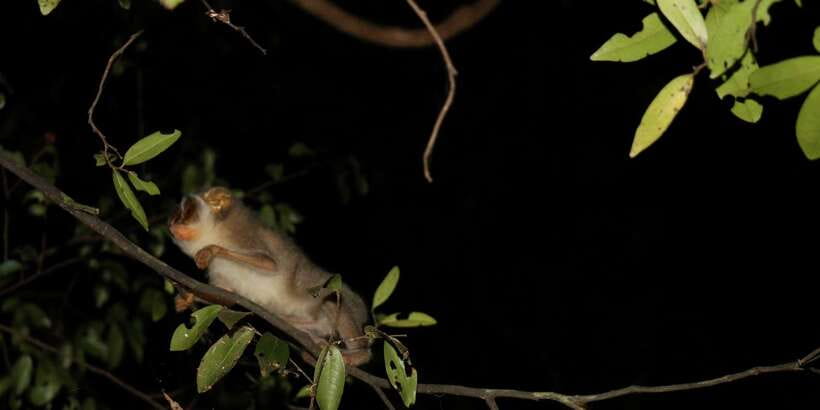
The price is $64 per group up to 2, with a listed duration of about 1.5 hours. That makes it feel like a “small splurge” compared with budget tours.
Here’s how I’d judge the value:
- Low group size (max 8) means better guidance and better chances.
- A stated 90%+ success rate reduces your risk of paying for nothing.
- A money-back guarantee if no loris is seen removes the biggest disappointment factor.
- You’re paying for a naturalist-led search, plus gear support and a structured experience in Pidurangala.
If you’re coming with a partner or friend, the up-to-2 group pricing can be fair for a specialized activity. If you’re traveling solo and paying full solo cost, it may feel pricier, but the guarantee and high success rate make it easier to justify.
Also consider opportunity cost: if you’re deciding between doing another daytime attraction in Sigiriya and this night hike, you’re choosing a fundamentally different kind of experience. This one is about seeing an elusive animal in its active hours.
When to expect setbacks: weather, moon, and what to do about it
Night wildlife depends on conditions. The two biggest variables you can’t fully control are rain and moon brightness.
Rain can push lorises to hide deeper, which reduces sighting clarity. One account includes a rain storm delaying the start, then making the animals harder to spot until the rain eased. That’s not a failure. It’s how the jungle works.
Full moon is another factor that can affect sightings. With more ambient light, lorises may retreat farther into the trees. So if your plan lines up with a bright moon night, keep your expectations flexible. You might still see lorises, but the closeness and visibility could be harder.
What you can control is preparation: wear the correct clothing, arrive on time, and stay patient. This tour’s best moments often come after quiet waiting and careful positioning, not during the first few minutes.
Who should book this night loris hike
I’d point you toward this tour if:
- you want a rare wildlife experience instead of another daytime sightseeing loop
- you like animal behavior and want the guide’s explanation, not just photos
- you’re comfortable walking at night and following instructions for jungle conditions
- you’re traveling with a partner and can take advantage of the up-to-2 group pricing
I’d think twice if:
- you dislike waiting quietly for long periods
- you’re expecting guaranteed close-up photos regardless of weather
- you want a very fast, high-energy tour with frequent stops for amenities (this is a night hike focused on the hunt)
Should you book this night hike to see lorises in Sigiriya?
If your priority is lorises and you want an ethical, guided night experience, I think this is a strong choice. The biggest reasons are the 90% success rate and the money-back guarantee, both of which tackle your main worry: paying for the hope of a sighting.
Book it if you’re willing to dress right for the jungle and be patient in the dark. Skip it or reschedule if you know you’ll be miserable in rain and you hate the idea of waiting. Otherwise, this is the kind of Sri Lanka night that sticks with you long after your Sigiriya day photos fade.
FAQ
Where does the night hike start?
The meeting point is ROCKO’S Vegetarian Cafe, Pidurangala, and the tour returns you there at the end.
How long is the experience?
The duration is listed as 1.5 hours, and the Pidurangala portion is described as guided walk/hiking time.
How many people are in the group?
The group is small, limited to up to 8 participants.
Will we see lorises for sure?
There is a stated over 90% success rate of spotting lorises, and there is a money-back guarantee if you don’t spot a loris.
What language is the guide?
The live tour guide is English.
What should I wear?
Bring long-sleeved shirts, long pants, and closed-toe shoes. The tour goes through jungle trails.
What else might we see besides lorises?
The focus is lorises, but guides may also help you notice other nocturnal wildlife such as sleepy birds, bioluminescent insects, reptiles, and small mammals, depending on what’s active that night.