REVIEW · SICILY
Etna North: Guided trekking to Summit volcano craters
Book on Viator →Operated by Ashàra Etna & Stromboli Guides · Bookable on Viator
Etna craters feel oddly reachable. This guided trek on Sicily’s Mount Etna North side gets you onto a crater rim most visitors only see from far away, with helmets and trekking boots included for a safer, more comfortable climb. You’ll also spend time near the active-feeling summit terrain, with geothermal features and big views across the island.
I especially like that the route targets elevations most people don’t reach, including a walk up to the main crater rim around 3,320 meters, and then a descent through volcanic ground that stays visually interesting the whole way. The one watch-out: timing can slip if the group has to wait for others, which can shorten the total excursion length.
In This Review
- Key things that make this Etna North crater hike special
- Etna North: Why Piano Provenzana is the smart start
- The 4×4 ride to 2,825 m: less slog, more summit time
- Walking from Piano delle Concazze to the main rim at 3,320 m
- What you see near the summit: steam vents, bombs, and sulfur sparkles
- The descent through fine ash and slag (and why the views help)
- Guides, safety gear, and the pace reality check
- Who should skip this?
- Price and value: what you pay now vs. what you pay on the spot
- When Etna changes the plan: restrictions, gas, and weather
- Quick tips so your day feels smooth
- Should you book this Etna North summit crater trek?
- FAQ
- How long is the Etna North summit crater trekking experience?
- What does the tour price include?
- Is the 4×4 ride included in the price?
- Where does the tour start, and where does it end?
- What time does the tour begin?
- Is the guide language English?
- What fitness level do I need?
- Is this tour recommended for people with asthma or heart problems?
- What happens if the weather is bad?
- Can I cancel and get a full refund?
Key things that make this Etna North crater hike special
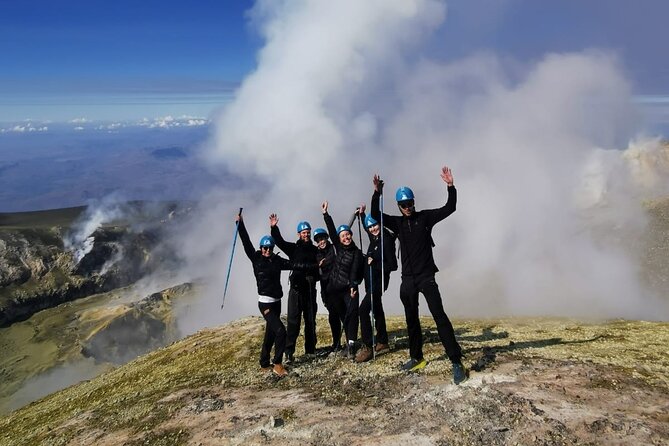
- Crater-rim walking at summit elevation: You’ll reach the main rim and face views toward the Northeast crater.
- Geothermal details on the move: Steam vents, lava fields, sulfur notes, and volcanic bombs show up as you climb.
- Gear included for real safety: Boots, helmet, and walking sticks help you handle the ground and wind.
- Small-group feel: Up to 20 travelers, so the guide can actually manage people on uneven terrain.
- North-side access can change day to day: Restrictions or conditions can reroute you, but the operator aims to keep the experience going.
Etna North: Why Piano Provenzana is the smart start
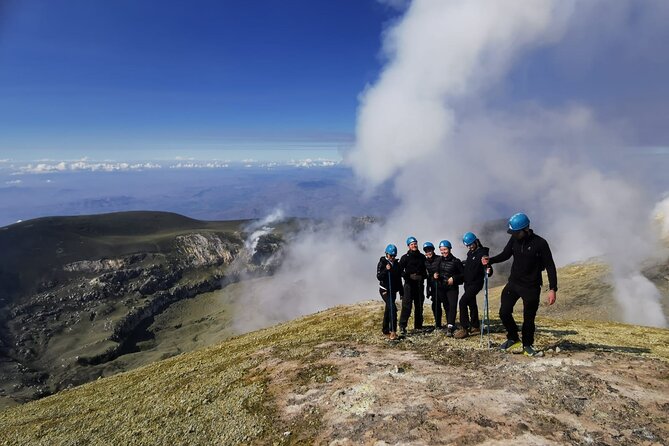
Mount Etna isn’t just one peak. On the North side, this hike starts you at Piano Provenzana (about 1,800 m), then uses a special 4×4 to move you up before you start the real walking. That matters because it lets you spend more time at summit elevations, and less time stuck at lower altitude while the clock runs.
It also sets the tone. You’re not easing into the volcano. You’re already surrounded by Etna’s stark, active geography early in the day, with the guide ready to explain what you’re seeing as you go. The climb is designed for safe conditions, using the slope that currently allows the ascent.
You can also read our reviews of more tours and experiences in Sicily.
The 4×4 ride to 2,825 m: less slog, more summit time
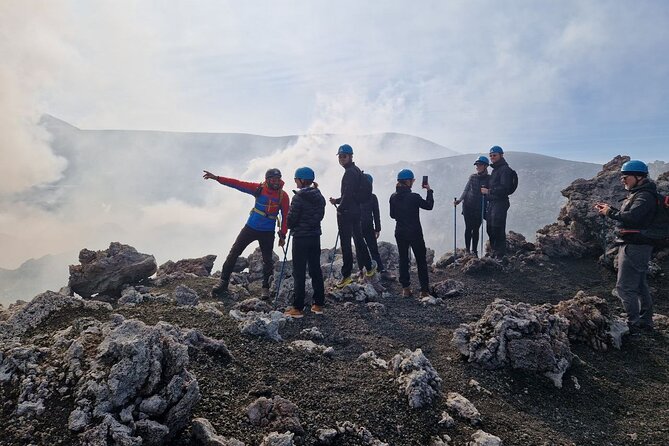
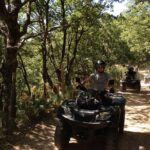
Before you walk, you’ll meet at Piano Provenzana – Etna nord (via Provenzana, 95015 Linguaglossa, CT). Departures start at 8:00 am, and the first leg is a 40-minute 4×4 transfer to around Piano delle Concazze (about 2,825 m).
Two practical notes here:
- The transfer is not included in your listed price. You pay the 4×4 tickets on the spot (60€ per person, in cash).
- Because you’re going so high so quickly, you’ll feel the altitude early. This is normal for Etna North summit hikes, but it’s also why pace control and guide leadership matter so much.
Walking from Piano delle Concazze to the main rim at 3,320 m
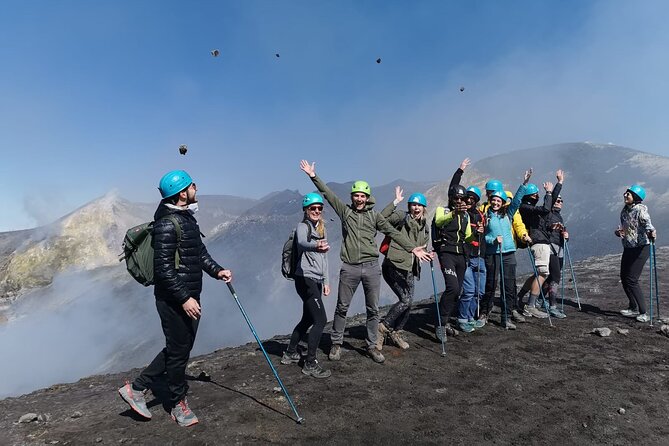
From Piano Provenzana / Etna Nord, the hike begins toward the summit area via the slope that allows the climb safely that day. You’ll first reach around 2,825 m near Piano delle Concazze, then the ascent to the main crater rim takes about 2 hours.
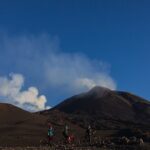
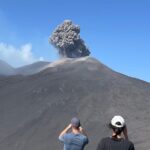
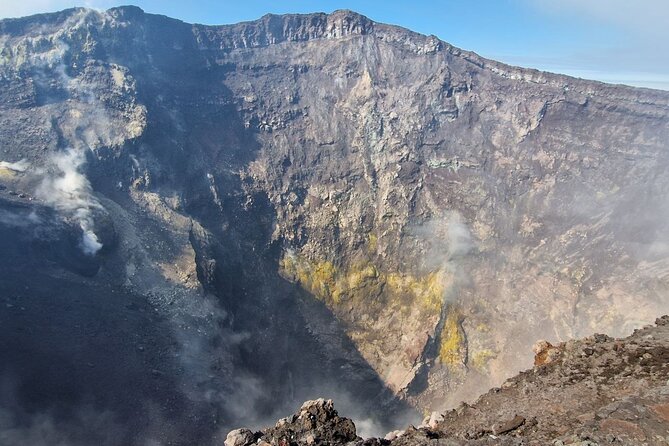
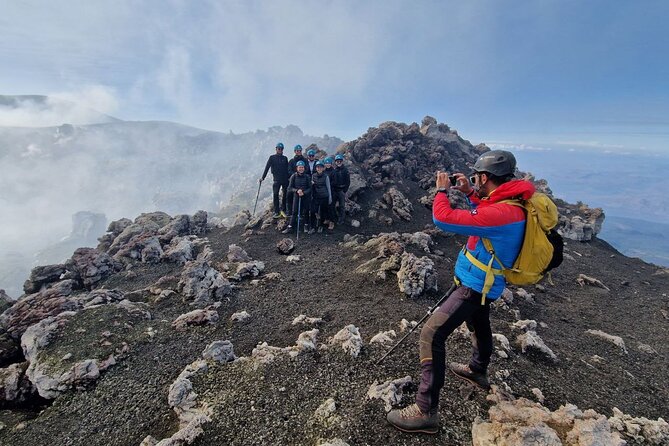
This is where you get the experience most people come for: crater-edge walking. You’ll go up to around 3,320 m and walk along the edge of the Central Crater. The guide helps you look safely into what’s below and around you, including:
- a view toward the Northeast Crater
- a sightline to the Southeast Crater, known for recent and impressive eruptions
If you like volcano watching that feels real and close, this section delivers. It’s not a “look for photos” walk. It’s a guided approach that turns the terrain into a story you can see and understand.
What you see near the summit: steam vents, bombs, and sulfur sparkles
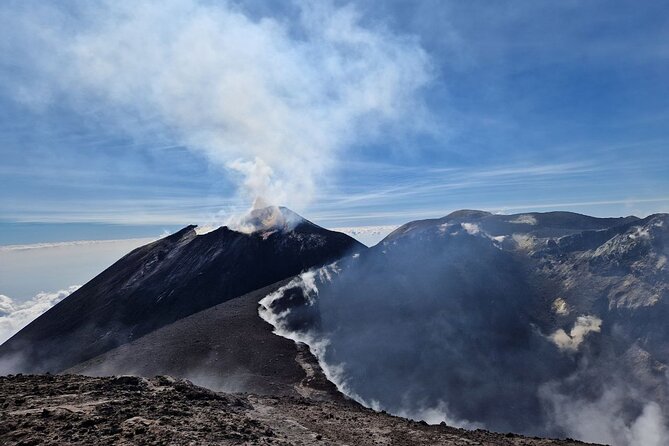
Once you’ve done the crater rim portion, the experience shifts from “reach the view” to “make sense of what you’re standing on.”
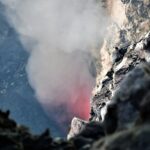
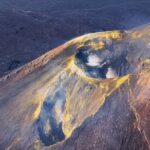
At the top, you’ll take in a uniquely volcanic environment with gas emissions, volcanic bombs, and that weird sparkle on the ground caused by sublimation of different elements, including sulfur. Those details are more than scenery. They explain why Etna can look calm and still feel alive.
You’ll also get breaks where the guide talks through:
- how Etna’s formations form over time
- what the current features can mean
- why certain areas are safer or more accessible on a given day
People tend to remember two things here: the smell and the textures. The ground can look like it’s made for science class, but your guide turns it into something you can experience with your eyes.
The descent through fine ash and slag (and why the views help)
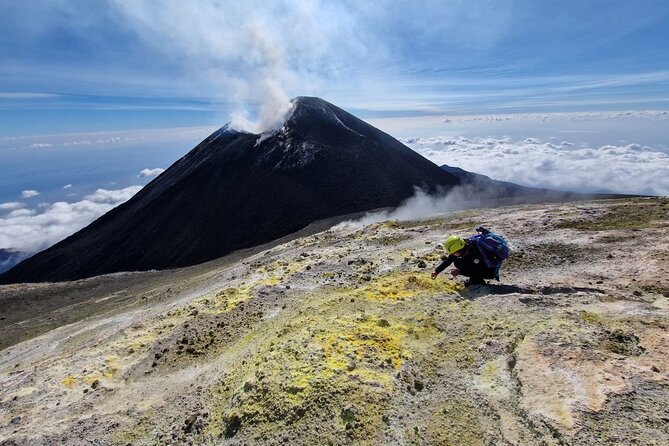
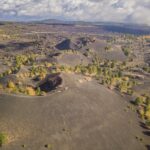
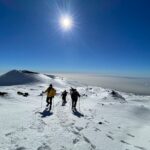
The descent takes about 2 hours back down to around 2,825 m, and it’s not just the reverse of the climb. The path includes fine volcanic ash and slag, so you’ll want the walking sticks and good foot placement.
The payoff is that the descent stays panoramic. As you come down, you’ll get views across the Sicilian coast, which gives your brain a break from focusing only on the ground under your boots. Breaks are also part of the plan, so you’re not just sliding downhill until you’re exhausted.
Guides, safety gear, and the pace reality check
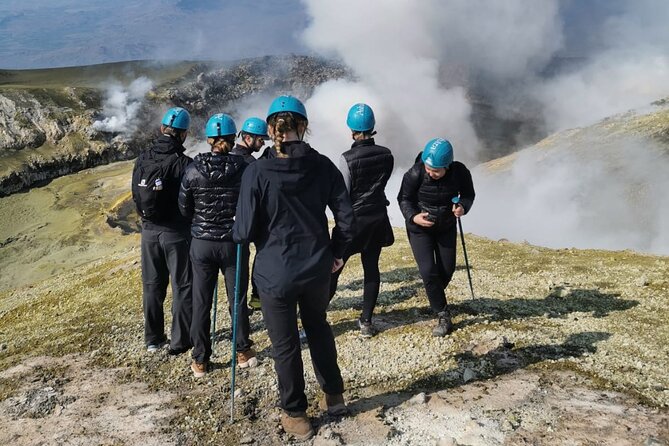
This hike is guided with an insurance-covered volcanological/alpine guide, plus gear that’s meant for the terrain: hiking boots, a helmet, and walking sticks. That’s not a “nice touch.” It’s the difference between feeling nervous and feeling supported.
In day-to-day practice, guide quality is everything on Etna. Past groups have been led by guides including Antonio and Massimo, both known for clear English and keeping people safe and engaged. Another guide name that came up is Giuseppe, and on a snowy day the pace and snow-handling approach became a key factor for one group’s outcome.
So here’s your practical takeaway: go in ready to follow instructions and match the group pace. Etna terrain punishes stubbornness. If you need extra time, say so early, and hope your guide can adjust safely.
Who should skip this?
This tour asks for moderate physical fitness. It is not recommended for people with asthma or heart problems. If you’re on the edge physically or health-wise, you’ll be happier choosing something lower and less exposed.
Price and value: what you pay now vs. what you pay on the spot
The listed price is $78.10 per person, and the experience includes:
- hiking boots
- helmet
- walking sticks
- insurance plus the volcanological/alpine guide
But plan for one extra cost: 4×4 tickets cost 60€ per person, paid in cash on site. That means the real all-in number is higher than the headline price.
Is it worth it? In my view, yes if you want summit crater access without hiking up from the base road. The 4×4 transfer plus guide plus gear inclusion is what turns this into a “real summit day” rather than a long endurance hike with complicated logistics. If you’d rather self-guide or you’re trying to minimize cash-on-arrival costs, you might compare other Etna options.
When Etna changes the plan: restrictions, gas, and weather
Etna is dramatic in every sense, and conditions can shift fast. The operator notes the experience requires good weather. If the day gets canceled due to poor weather, you’ll be offered a different date or a full refund.
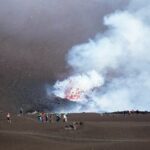
There’s also the reality of volcanic access. On some days, rules around volcanic activity or gas emissions can limit whether the summit craters are reachable. In cases like that, the operator may run an alternative plan so you still get a meaningful hike rather than going home empty-handed.
Quick tips so your day feels smooth
You don’t need special mountaineering gear here. You do need to be ready for altitude, wind, and uneven volcanic ground.
Here’s what I’d do if it were my calendar day:
- Wear the provided boots (and bring your best socks). Blisters can ruin a summit plan.
- Use the walking sticks. They matter on ash and slag.
- Pace yourself from the moment you step out of the 4×4. The altitude comes fast.
- Bring a flexible mindset. If the guide decides conditions aren’t safe for everyone, you’ll follow the decision.
And if you’re the type who gets anxious in exposed spots: this tour includes walking on the edge of the Central Crater, so it helps to be mentally prepared for heights.
Should you book this Etna North summit crater trek?
Book it if you want a guided, close-up crater experience on Etna that goes higher than most day trips, and you appreciate safety structure: helmets, boots, sticks, and a volcanology guide leading the show.
Skip it if you:
- have asthma or heart issues
- can’t handle altitude and uneven terrain
- know you’ll get stressed if weather or restrictions shift the route
If you’re healthy enough and you like volcanoes enough to accept that the day’s rules may change, this is a strong choice. The combination of summit rim access, smart guide storytelling, and the gear included for real footing is exactly what makes the North-side craters feel worth the effort.
FAQ
How long is the Etna North summit crater trekking experience?
It runs about 5 hours on average.
What does the tour price include?
The experience includes hiking boots, a helmet, walking sticks, and insurance with a volcanological/alpine guide.
Is the 4×4 ride included in the price?
No. 4×4 tickets are not included. You pay 60€ per person in cash on the spot.
Where does the tour start, and where does it end?
It starts at Piano Provenzana – Etna nord (via Provenzana, 95015 Linguaglossa, CT, Italy) and returns back to the same meeting point.
What time does the tour begin?
The start time is 8:00 am.
Is the guide language English?
Yes. The tour is offered in English.
What fitness level do I need?
You should have moderate physical fitness.
Is this tour recommended for people with asthma or heart problems?
No. It is not recommended for people with asthma or heart problems.
What happens if the weather is bad?
The experience requires good weather. If canceled due to poor weather, you’ll be offered another date or a full refund.
Can I cancel and get a full refund?
Yes. Free cancellation is available if you cancel at least 24 hours before the experience’s start time.