REVIEW · SICILY
Etna – Trekking to the summit craters (only guide service) experienced hikers
Book on Viator →Operated by Guide Vulcanologiche Etna Nord · Bookable on Viator
Etna feels closer on the north side. This guided hike gets you from Piano Provenzana to the highest summit craters on Mount Etna, using authorized 4×4 vehicles and a volcanology guide who adjusts the route for safety. I love the Piano Provenzana meeting area on the Etna Nord flank—less crowded and more tied to the volcanic landscape. I also love that you’re not just stopping for views; you’re walking the crater edges with a licensed guide and the gear needed for a high-altitude trek.
The trade-off is real: the return is a long, steep-feeling descent that asks a lot of your knees. You’ll start around 2,960 m, climb to the crater area near the top, then walk back down to roughly 1,800 m (about 7 km of downhill, with a much bigger negative gain than it sounds). If you’re the type who wants an easy stroll, this won’t match.
Still, if you’re a strong hiker and you can handle cold wind and occasional volcanic gases, this is the kind of day that turns Etna from a dot on a map into a place you can read with your own eyes. I’d put it at the “once-in-a-trip” level—especially because the guides keep the experience practical, safety-minded, and focused on what’s actually happening on the volcano.
In This Review
- Key highlights you’ll care about
- Etna Nord Trek: why the north route is worth your limited vacation hours
- From the Chiosco meeting point to the first jump into lava country (Piano Provenzana)
- The Crateri Sommitali drive track: views that come with a geology lesson
- Summit craters trek (about 3,300 m): what the hike feels like in real terms
- Piano Provenzana at the end: your volcano day closes where it started
- What’s included (and what you’ll still want to bring)
- Price and value: $139.13 is not “just a hike”
- Who this Etna summit crater hike is best for (and who should skip it)
- My practical tips to make the day easier
- FAQ
- How long does the Etna summit craters trek last?
- What time does the tour start?
- Is entry to Mount Etna included?
- What gear is included, and what should I bring?
- Is the tour suitable for kids or people with pregnancy?
- Can the route change or get canceled?
- Should you book this Etna summit craters hike?
Key highlights you’ll care about
- Etna Nord instead of the busiest south access, with a more personal group size (max 12)
- Authorized 4×4 + big altitude change, taking you up to about 2,960 m before you hike
- Guides pick the safest crater route based on gas/heat/fractures that vary day to day
- Crater-edge walking up to the main summit zones, typically around 3,200–3,300 m depending on conditions
- Long downhill return that’s often tougher than the climb, so bring strong knees and good footwear
- Licensed volcanology guide plus full trekking kit (poles, helmet, jacket, shoes, extra socks)
Etna Nord Trek: why the north route is worth your limited vacation hours
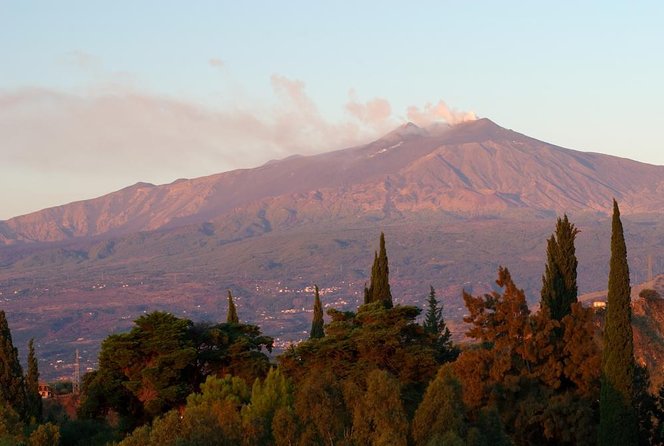
Mount Etna is famous, but the “famous” parts can feel crowded and repetitive. This experience leans into the Etna Nord side of the volcano—where the terrain looks wilder, and your day stays more connected to lava fields, fractures, and crater history rather than souvenir-stops and buses.
The biggest reason I think it works: your guides treat the volcano as an active system, not a fixed hiking trail. You’re guided throughout—during the 4×4 drive and on foot—so you’re constantly learning what you’re seeing, not just collecting photos.
You also get a built-in rhythm that helps people who aren’t hardcore mountain athletes: drive up, hike once at altitude, then descend. It’s still demanding, but it’s structured for safety and pacing.
You can also read our reviews of more tours and experiences in Sicily.
From the Chiosco meeting point to the first jump into lava country (Piano Provenzana)
Your day starts at 7:45 a.m. with a meeting point at CHIOSCO BAR MARENEVE DI FERRARO Etna nord – Piano Provenzana, Via Provenzana, 95015 Linguaglossa CT. The tour runs about 5 hours 30 minutes on average, though many hikers end up taking closer to 6-ish hours depending on conditions and route adjustments.
Piano Provenzana is easy to reach by car. It’s also one of the clearest “here’s the geology” spots on Etna’s north side: this tourist area was destroyed in the October 27, 2002 eruption, and it now sits in a reshaped volcanic landscape. That matters because your surroundings aren’t generic mountain scenery. You’re walking through a place where the volcano’s past is literally built into the ground.
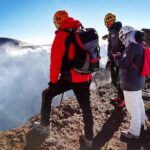
Before departure you can use restrooms and grab something light—coffee/tea and a pastry are available at the café area—then you get a briefing and all the tour gear. The operator provides trekking poles, trekking shoes, helmets, a warm jacket, extra socks, and even an extra backpack. It’s a thoughtful bundle for a high-altitude, windy environment.
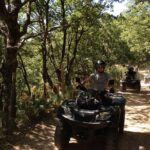
Then the real altitude game begins: you get into authorized 4×4 vehicles with the guides for a panoramic drive up the northern flank, crossing lava fields and lateral craters. The drive climbs to about 2,960 m, where your summit hike starts. You’re dealing with elevation fast, and this vehicle stage helps you spend your energy where it counts: crater walking.
Practical note: the access road is drivable, but in winter you’ll want snow chains or winter tires. Even outside winter, check mountain-weather expectations—Etna can feel like a different planet above the clouds.
The Crateri Sommitali drive track: views that come with a geology lesson
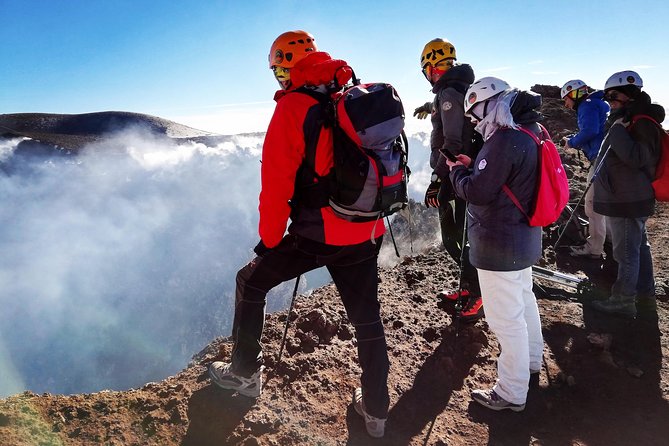
After the first positioning, you’ll head out on an authorized track for the core “Crateri Sommitali” route. The timing is specific: guides meet at 7:45 a.m. at Piano Provenzana and depart around 8:00–8:15 a.m. There’s also an afternoon departure at 1:00 p.m. from May to October, which helps if mornings don’t work with your schedule.
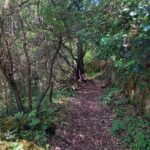
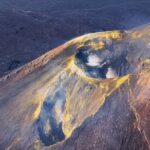
This segment uses a 9.5 km panoramic route on Etna’s north slope—often less touristy, with smaller groups. You’ll climb from about 1,800 m up to 2,960 m before the walking begins, crossing forests, recent lava flows, a lava-flow channel, eruptive fractures, and lateral craters that drop over 40 m deep.
That list sounds technical, but it’s exactly what makes the day feel educational without being boring. You’re seeing landforms that are the volcano’s “vocabulary.” The guides point out what each feature likely means—how lava moved, where breaks formed, and why the terrain at altitude turns from green woodland into stark, high desert-like zones.
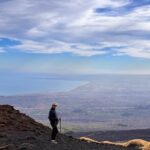
The views are a bonus you don’t have to earn. On rare clear days you can see a wide sweep of Sicily: the Aeolian Islands, the Strait of Messina, Calabria, both Ionian and Tyrrhenian seas, and even the Madonie range if visibility cooperates. Even when clarity isn’t perfect, you’ll still get a sense of how Etna dominates the island.
The key drawback here is simple: the road is unpaved and rugged enough to remind you you’re on a working volcano. It’s part of the charm, but it’s not a smooth ride like a city bus.
Summit craters trek (about 3,300 m): what the hike feels like in real terms
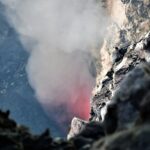
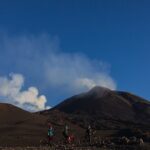
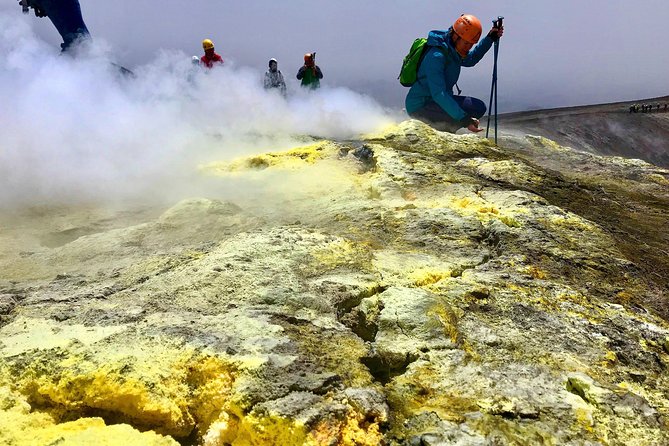
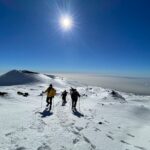
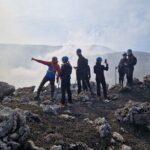
From around 2,960 m, your actual summit hike begins. You climb roughly 5 km with about 550 m of ascent toward the crater area. The goal is to reach the main summit zones and walk near the crater edges, typically involving four major craters: North-East, Voragine, Bocca Nuova, and South-East.
Here’s the part I’d emphasize to you: the route isn’t copied and pasted every day. Because activity varies, guides choose the safest route toward the most active yet secure crater. If gas, heat, or fractures change what’s safe, they shift plans. That adaptability is reassuring.
Altitude reality check:
- You operate from 2,960 m up to about 3,323 m.
- Mild altitude symptoms are possible, especially if you’re not used to high elevation.
- The terrain is often loose and unstable, built from soft scoria and sandy gullies from recent volcanic material.
So yes, it can feel like a physical challenge. The good news is that you’re not hiking blindly. Experienced hikers will still find it tough, but the guides manage pacing and safety.
The return is where many people feel the burn. You descend on foot from around 3,300 m down to about 1,800 m, roughly 7 km with an estimated 1,500 m negative gain. Even if that doesn’t sound dramatic, it’s a big ask for knees and ankles. Expect a descent that can feel harder than the climb because your legs are braking instead of climbing.
The trail description you should picture:
- Soft scoria and sandy gullies through recent lava
- A wider area called Piano delle Concalze
- A crossing of 2.5 km of ski slopes with rougher stony ground
- You finish back at the starting point level around the 1,800 m range
Total distance is roughly 12–13 km, with a duration around 6 hours overall, depending on conditions and route changes.
If you’ve heard guide names like Nikos, Raphael, Daniele, Paolo, Vincenzo, or Poldo associated with top-days on Etna, that matches what you’re likely to get in terms of style: supportive, attentive, and tuned to the volcano’s day-to-day mood.
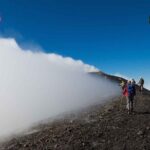
Also, expect cold and wind. More than one guide day described the wind as constant, even whistling at altitude. Dress for it, not for Sicily’s “typical” weather.
Piano Provenzana at the end: your volcano day closes where it started
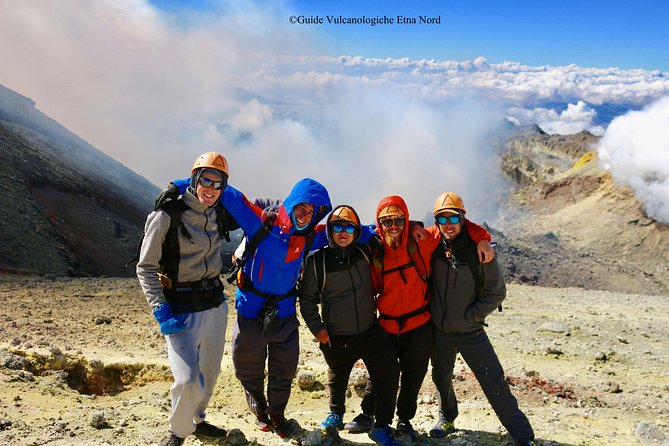
At the end you return back to the meeting area in Piano Provenzana, meaning you don’t need a separate ride back after the hike. This is one of those “small logistics, big relief” moments that makes a summit day feel doable.
Piano Provenzana itself has what you want after a hard descent:
- cafés and bars for food and coffee
- spots to refill water bottles
- souvenir shops if you need something simple to mark the day
Parking exists for cars and camper vans, with blue-lined parking areas. There’s a parking ticket cost mentioned as €5 for the entire day on weekdays and €8 on Sundays and public holidays. If you’re driving yourself, factor this in. If you’re not, plan around whether your day starts and ends here without needing extra transport.
It also helps that Piano Provenzana is reachable on paved public roads. That’s useful because you’re not dealing with a remote trailhead on a dead-end dirt road.
What’s included (and what you’ll still want to bring)
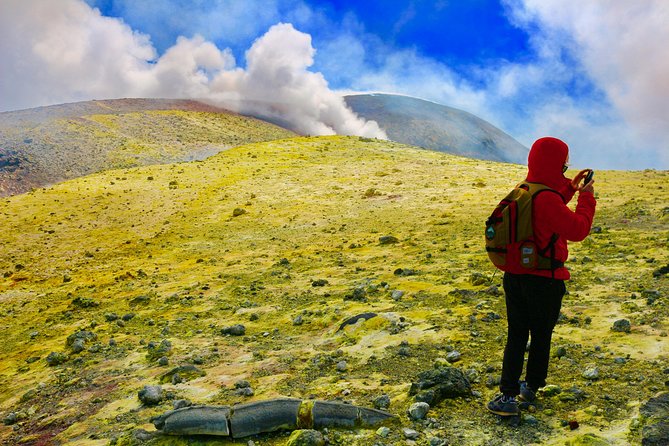
This tour is built for people who don’t want to assemble a high-altitude kit from scratch. Included gear:
- Licensed volcano guide
- Trekking poles
- Trekking shoes
- Helmet
- Warm jacket
- Extra socks
- Extra backpack
- Insurance in case of accidents
- Entry/admission to Mount Etna
But you’ll still want your own clothing choices. Hat and gloves aren’t included (they’re recommended especially in autumn, winter, and spring). You should also bring your own base layers and plan for wind chill.
A few more “don’t ignore this” points from the operating rules:
- The path can cause dizziness for people sensitive to heights or crater-edge walking.
- Avoid contact lenses because exhaled volcanic gases and ash can cause problems.
- Without adequate shoes you’re not covered by insurance, so use the provided footwear if you need it.
- Pregnant women after the third month are not allowed.
- It’s not suitable for children under 12.
- Maximum group size is 12 travelers.
If you’re sensitive to breathing issues or you have hypertension, you should think carefully and consider talking with your doctor first. This is a high-altitude, active-volcano setting, not a gentle nature walk.
Price and value: $139.13 is not “just a hike”
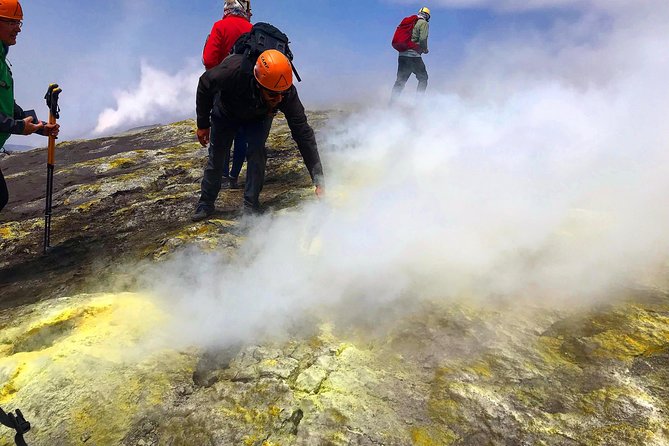
At about $139.13 per person for a 5.5-hour experience (and longer on many real hiking days), the value comes from three places:
1) You’re paying for authorized altitude access. You’re not just starting at 2,000 m and grinding upward. The 4×4 drive takes you close to the summit zones where the real crater walking happens.
2) You’re paying for full guided support and safety decisions. The guides accompany you during both drive and hike, and they adjust the route based on gas, heat, fractures, and what’s safe under current rules.
3) You’re paying for gear and insurance. Poles, helmet, shoes, jacket, extra socks—those items add up quickly if you have to rent them elsewhere. The included insurance is also part of the value equation.
What might add cost:
- Parking if you’re driving: €5 weekdays / €8 Sundays and holidays
- Optional off-road vehicle service from 1,800 m up to 2,825 m (listed as €50 per person, paid on the spot)
- If you return by bus from 2,850 m to 1,800 m, the cost listed is €70 (the description also references €50, but the explicit required fare you should plan around is €70 for that bus option)
If you’re comparing tours, the big question isn’t just the headline price. Ask what’s included for altitude access and safety gear. This one includes a lot, which is why many hikers call it worth the effort.
Who this Etna summit crater hike is best for (and who should skip it)
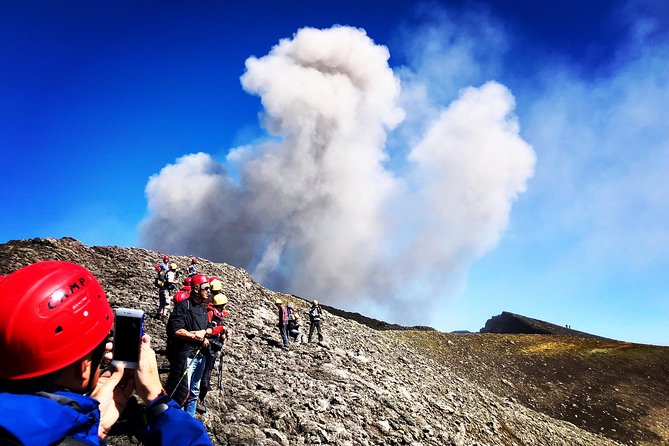
This is an experienced-hiker kind of day. The route climbs into the highest summit zones and then punishes you on the way down. You need:
- strong physical fitness
- strong knees or at least good technique for descending loose volcanic terrain
- comfort walking in wind and cold at altitude
It’s best for you if:
- you want a real crater-edge experience on an active volcano
- you like geology and want a guide to explain what you’re seeing as you go
- you’re okay with the fact that the volcano may shift the plan for safety
Skip it if:
- you want minimal exertion
- you’re not comfortable with loose, sandy, scoria ground
- you have health limitations that make high altitude and active volcanic gases a poor fit (breathing issues and hypertension are explicitly flagged)
My practical tips to make the day easier
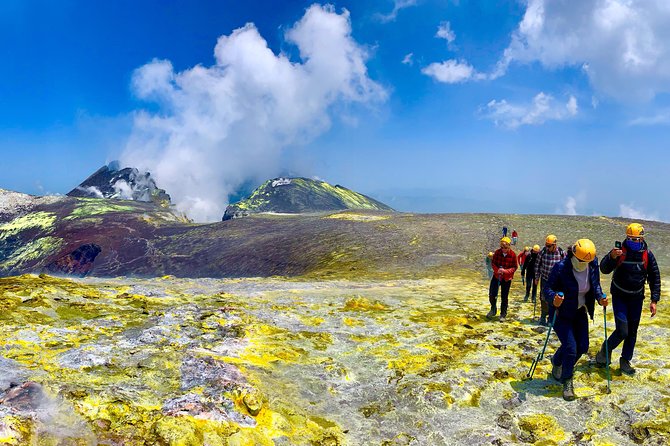
1) Dress like it’s colder than you expect. Wind at 3,000 m is a different temperature story. Even when Sicily feels warm, your summit day can feel biting.
2) Plan for the descent. Strong ankles help, but what helps most is good footwear and steady pacing. Loose volcanic sand can shift underfoot.
3) Bring/choose long pants and long socks. Small bits of lava stones and sand can find their way into shoes. Long coverage reduces the annoyance and helps you keep walking comfortably.
4) Be honest with yourself about stamina. Some routes feel steeper than the numbers suggest because of the loose ground. Go slow early. You’ll feel it later, but you’ll finish better.
5) Respect the guide’s route changes. If they adjust the crater target for gas, heat, or fractures, it’s not a downgrade. It’s how you stay safe on a living volcano.
FAQ
How long does the Etna summit craters trek last?
The experience runs about 5 hours 30 minutes on average, but the hiking and return can take longer depending on conditions and the route chosen by the guides.
What time does the tour start?
The standard start is 7:45 a.m. meeting time at Piano Provenzana, with departure around 8:00–8:15 a.m. There is also an afternoon start at 1:00 p.m. from May to October.
Is entry to Mount Etna included?
Yes. Entry/admission to Mount Etna is included in the tour price.
What gear is included, and what should I bring?
Included gear includes trekking poles, trekking shoes, a helmet, a warm jacket, extra socks, and an extra backpack. Hat and gloves are not included, and they’re recommended in autumn, winter, and spring.
Is the tour suitable for kids or people with pregnancy?
The excursion is not suitable for children under 12, and pregnant women who have passed the third month of pregnancy are not allowed.
Can the route change or get canceled?
Yes. The excursion can vary or be interrupted due to environmental, climatic, or volcanic conditions for safety. The guides follow current ordinances in force published by authorities during volcanic activity.
Should you book this Etna summit craters hike?
If you’re an experienced hiker looking for a true summit-crater day on Etna’s north side, I’d book it. The combination of authorized 4×4 access, licensed guidance, and the chance to walk near multiple main craters makes it a strong value for the effort.
But be honest about the downhill. If your knees aren’t great, or if you dislike loose volcanic terrain at high altitude, choose a lighter Etna option instead. For the right fitness level, this is one of those Sicily experiences that sticks with you because you don’t just see Etna—you move through it.