REVIEW · SICILY
Summit Craters Excursion (3357 m.)
Book on Viator →Operated by Guidetna.it - Volcanological Guides on the Etna · Bookable on Viator
Etna’s crater rim makes Sicily feel real. I love the volcanological guide—they explain what you’re actually stepping on—and I love the small group size (max 20), which keeps the pacing calm and questions answered. One big catch: the experience depends on good weather, and volcanic conditions can affect how high you’ll be able to go.
The value is strong for the price: you get guided trekking plus a free admission ticket for the Etna top portion, and you finish back at the meeting point. You’re paying $101.85 per person for the guided experience, but plan ahead because the 4×4 ride (60€) and lunch are not included.
In This Review
- Key Things You’ll Care About Most
- Etna’s Summit Craters at About 3,357 Meters: What You’re Really Buying
- Volcanological Guides: Why the Explanations Feel Practical (Not Lecture Hall)
- The Etna Route Experience: North-Side Feel, 4×4 Up, Then Crater Walking
- Price and Logistics: $101.85, Plus the 60€ 4×4 and Lunch Gap
- Timing and Pacing: A 5–7 Hour Day on Etna
- What to Bring and How to Prepare for Moderate Fitness
- When Weather Hits or Etna Is Active: The Day-Of Reality
- Who This Etna Summit Craters Trek Fits Best
- Should You Book the Summit Craters Excursion?
- FAQ
- How much does the Summit Craters Excursion cost?
- How long is the Mount Etna summit craters experience?
- Is the tour offered in English?
- What’s included, and what isn’t?
- Do I need moderate physical fitness?
- How many people are in the group?
- What happens if weather conditions are poor?
- Can I cancel for a full refund?
Key Things You’ll Care About Most
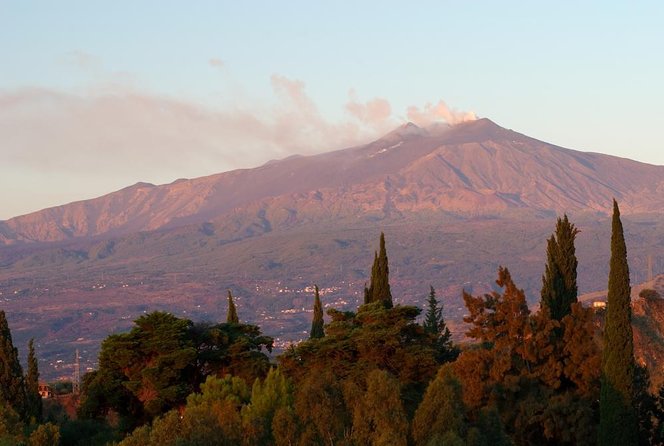
- Volcanological guide-led trekking so you learn as you walk, not after you’re done
- Max 20 people for safer footing and more attention on a steep, uneven route
- Free admission for the Etna summit section, which helps your budget
- Piano Provenzana-style climb and crater walking (your exact reach depends on conditions)
- Crater views + volcanic formations like lava caves and volcanic bombs, when conditions allow
- Weather and activity matter, so your final route can change on the day
Etna’s Summit Craters at About 3,357 Meters: What You’re Really Buying
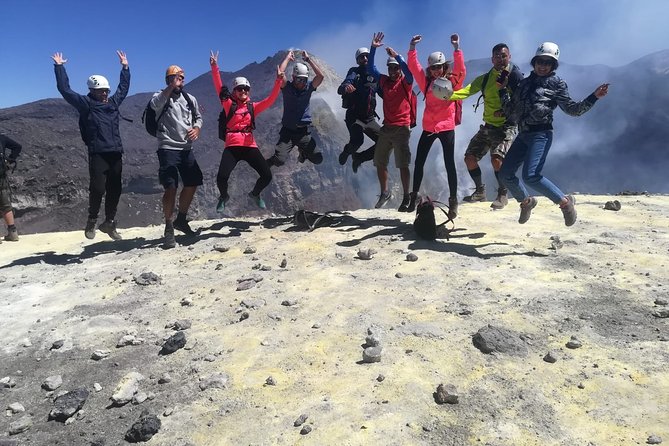
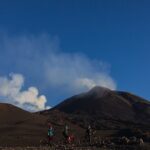
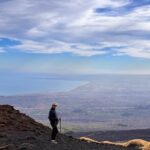
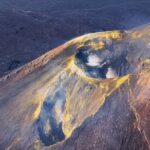
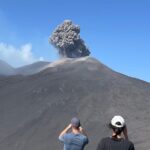
This excursion is built around one simple idea: being close to Etna’s active crater landscape (that’s literal here) in a way a bus stop never can. Even when you don’t reach the absolute highest points, the crater views have that unmistakable wow factor—mouth-like openings, steep edges, and a sense that the mountain is alive and talking back.
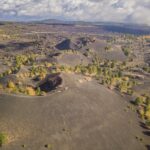
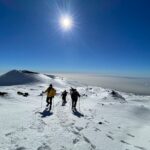
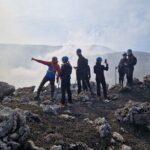
You also get a ride-to-walk format that helps. Many outings move from Piano Provenzana upward by vehicle and then transition into walking—often toward an observatory area around 3,000 meters—before easing back down toward roughly 1,800 meters. One review described the observatory stretch as like being on Mars, and honestly, that tracks with what you feel at high altitude: sharp air, big horizons, and terrain that looks alien compared to what you’re used to.
The other thing you’re paying for is emotion. People describe the summit zone as breath-taking in every sense, and that makes sense when you combine real altitude, volcanic ground underfoot, and close-up crater scale. If you’re the type who likes nature with stakes, you’ll get that here.
You can also read our reviews of more tours and experiences in Sicily.
Volcanological Guides: Why the Explanations Feel Practical (Not Lecture Hall)
A lot of Etna tours sound the same on paper. This one is different because you trek with a volcanological guide, which changes how you experience the mountain.
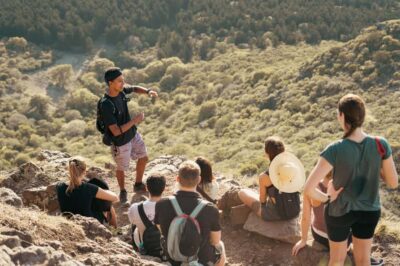
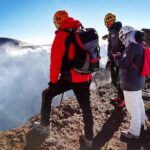
You can expect clear, in-the-moment explanations about what you’re seeing—craters, volcanic formations, and how Etna’s processes shape what’s in front of you. Guides named in past groups include Marco, Daniele, Davide, and Arturo, and the common thread is how they focus on understanding the volcano rather than just pointing.
In real terms, that means your walk gets better as you go:
- You’ll know what a formation is before you move past it.
- You’ll understand why certain viewpoints are chosen.
- You’ll get guidance for moving safely on volcanic paths.
If you’re traveling with kids or just want to keep things fun and understandable, this guide-led approach is a big win. One review specifically praised a guide’s kind, engaging style with an almost eight-year-old.
The Etna Route Experience: North-Side Feel, 4×4 Up, Then Crater Walking
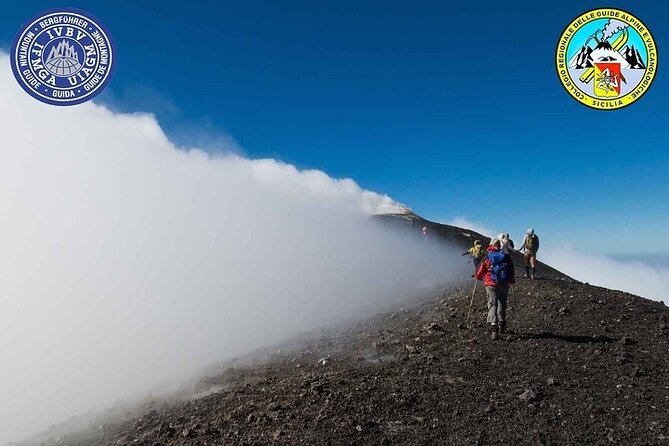
Most of the action happens on Mount Etna itself, but the day has multiple stages that matter for comfort and for what you see.
A common flow goes like this:
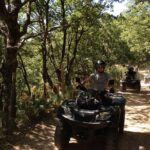
- Climb by 4×4 from Piano Provenzana up toward an observatory around 3,000 meters.
- Walk from the higher point down toward about 1,800 meters.
- Stop for viewpoints and formation spotting along the way.
One review noted that starting on the north side felt less touristy, and that makes sense. When you’re in a small group with a guide, you tend to spend less time waiting and more time actually looking.
What you might see along the crater trek can include:
- craters and volcanic formations
- lava caves
- volcanic bombs (the chunkier fallout evidence)
- plus other crater features the guide points out
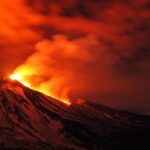
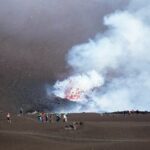
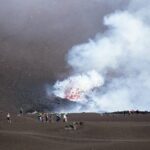
Important reality check: if Etna is active that day, you might not climb to the exact highest crater rim you hoped for. That’s not a bait-and-switch—it’s just the nature of volcanos. The better guides adjust the route while still keeping the experience exciting and informative.
Price and Logistics: $101.85, Plus the 60€ 4×4 and Lunch Gap
Let’s do the math in a way that helps you decide.
You pay $101.85 per person for the guided experience. What that typically covers here:
- Trekking with a volcanological guide
- A free admission ticket for the Etna top portion
What’s not included:
- Lunch
- Private transportation
- Transport with a special 4×4 vehicle (Etna North – Piano Provenzana) for 60€
So the true cost depends on your transport choice. If the 4×4 is part of your plan (and it often is, since it gets you to the observatory-area trail faster), budget the extra 60€ on top of the base price.
Is it good value? For me, it usually is—because you’re paying for guided access to the summit-crater zone with technical explanation, not just a scenic drive. The small group cap (max 20) also suggests you’re not getting shoved into a giant crowd where you can’t ask questions.
Lunch is the one clear omission that can affect comfort. If you’re sensitive to getting hangry on hikes, plan to eat before you go or bring what you need based on your own preferences.
Timing and Pacing: A 5–7 Hour Day on Etna
This excursion runs about 5 to 7 hours. That’s long enough to feel like a real outing, not a quick pop-in. You also end back at the meeting point, so you’re not left juggling transit while your legs are turning into noodles.
The listed start time is 12:00 am. Since that can look odd on booking pages, I’d treat the confirmation message/voucher as the authority for the actual pickup moment. Once you arrive, the tour style is straightforward: briefing first, then guided walking, with time built in for crater views.
Group size matters for pacing here. With up to 20 people, you’re more likely to move as one unit without long waits, and the guide can keep an eye on footing and comfort—especially at higher altitude where you may feel wind and breath a bit more.
Also: the experience is offered in English, which is a plus if you don’t want to “guess” what you’re looking at.
What to Bring and How to Prepare for Moderate Fitness
The tour is marked for people with moderate physical fitness. That usually means you’re walking on uneven terrain at altitude, so the goal is steady effort, not speed.
My practical prep tips:
- Wear sturdy closed shoes with good grip (volcanic ground can be slippery when it’s wet or gritty).
- Bring layers you can adjust—altitude days can change quickly.
- Use a camera or phone if you want crater documentation, but also take time to look without the screen.
- If you need a break, tell the guide early. Small-group trips work better when you don’t try to “tough it out” silently.
Service animals are allowed, and the meeting area is described as near public transportation, so you’re not locked into private car-only travel.
When Weather Hits or Etna Is Active: The Day-Of Reality
This experience needs good weather. That matters for safety and visibility, especially around crater areas where conditions can shift quickly.
If the tour is canceled due to poor weather, you’ll either get offered a different date or a full refund. And even when the tour runs, volcanic activity can influence how far you’ll be able to climb. One review mentioned they could not reach the top because Etna was in activity, but the route they did walk was still exceptional—full of crater features and volcanic formations.
In other words: expect flexibility. If you’re the type who needs a perfect checklist outcome, this may frustrate you. If you’re open to a guided “best available” crater experience, you’ll likely be happy.
Who This Etna Summit Craters Trek Fits Best
This is a great match if you:
- want a guided explanation from people who work in volcanology, not generic sightseeing
- like small groups and a more attentive feel
- enjoy altitude walks and don’t mind changing plans based on conditions
It may be less ideal if you:
- want a fully predictable route with a guaranteed climb to the very top no matter what
- have limited mobility or can’t handle moderate fitness demands on rocky ground
It’s also a strong choice for couples, friends, and families who want a “once you’ve seen it” kind of Etna moment—especially when you can appreciate what the guide is showing you.
Should You Book the Summit Craters Excursion?
I’d book it if you care about understanding the volcano, not just taking photos. The standout value is the combo of volcanological guide trekking and free admission to the summit-crater portion, all in a small group with guides who sound genuinely invested—whether it’s Marco, Daniele, Davide, or Arturo-style energy.
One more decision tip: factor the 60€ 4×4 and the fact that lunch isn’t included. If you plan for those, the rest of the experience tends to make sense—about 5 to 7 hours, guided pacing, and crater views that feel like you’re standing at the edge of a living system.
If you want, tell me your travel month and whether you’re planning the 4×4 ride—and I’ll help you budget and pick the smartest approach for your day on Etna.
FAQ
How much does the Summit Craters Excursion cost?
It costs $101.85 per person.
How long is the Mount Etna summit craters experience?
Plan for about 5 to 7 hours.
Is the tour offered in English?
Yes, the tour is offered in English.
What’s included, and what isn’t?
Included: trekking with a volcanological guide, and admission ticket free for the top Etna portion. Not included: lunch, private transportation, and transport with a special 4×4 vehicle (Etna North – Piano Provenzana) for 60€.
Do I need moderate physical fitness?
Yes. The activity is listed for travelers with moderate physical fitness.
How many people are in the group?
The tour has a maximum of 20 travelers.
What happens if weather conditions are poor?
This experience requires good weather. If it’s canceled due to poor weather, you’ll be offered a different date or a full refund.
Can I cancel for a full refund?
Yes. You can cancel up to 24 hours in advance for a full refund. If you cancel less than 24 hours before the start time, the amount paid is not refunded.