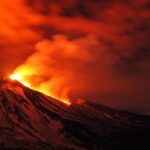
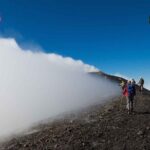
Etna feels more like another planet. This guided summit-craters hike starts with a cable-car jump and a climb to Bocca Nuova, then continues through the Central Crater area toward the 360° viewpoint (when weather allows). I like the fact that you’re not just dropped off: guides manage the pace, keep you together on a real active volcano, and issue boots and a helmet before you step onto ash-and-scorcia slopes.
One big consideration: the round-trip cable car and jeep to about 2900m are not included in the base price, so your final total will be higher than the $84.69 you see at booking.
In This Review
- Key Things To Know Before You Go
- Getting To the Volcano: Cable Car and 4×4 Up to 2900m
- The Gear Setup That Actually Matters on Etna
- Bocca Nuova at 3250m: The Moment You Realize You’re on an Active Volcano
- Voragine and the North East Crater: Short Climb, Big View
- Valle del Bove Descent: Ash, Scoria, and Recovery Mode
- When Etna Says No: How High You Go Can Change
- Wind, Gas, and Cold: Your Packing List for a Crater Day
- Price and Value: What You Pay vs What You Still Need To Pay
- Guides, Pacing, and Safety on a Real Active Volcano
- Who Should Book This Etna Summit Craters Hike?
- Should You Book Etna’s Summit Craters Hike?
- FAQ
- How long is the Etna Summit Craters hike?
- What time does the tour start?
- Where do I meet for the tour?
- What language is the tour offered in?
- How many people are in the group?
- Is this hike suitable for beginners?
- What if I have asthma?
- What’s included in the price?
- What transport costs are not included?
- What happens if the weather is poor?
Key Things To Know Before You Go
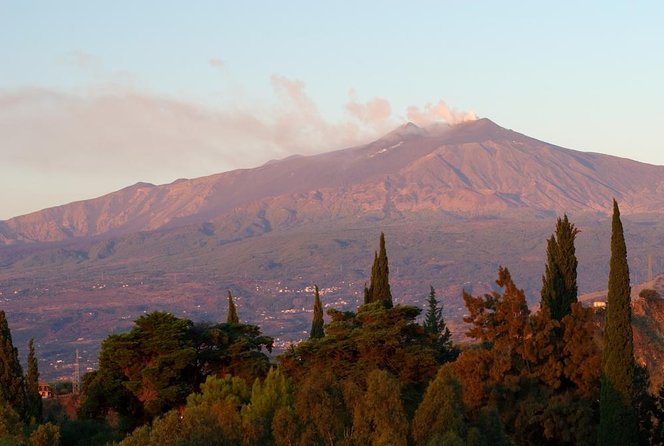
- Crater access is the point: you’re aiming for Bocca Nuova and the Central Crater zone, not just a casual walk.
- Short group size (max 15): smaller groups make pace and safety easier for the guides.
- Gear is provided: boots, jacket/layer, and a helmet are part of the deal.
- It’s windy and cold up high: plan for rough weather up top, even on a decent day.
- Pack for gas: a mask or buff is a smart idea if emissions are strong.
- Top access can change: regulations and weather can limit how high you reach.
Getting To the Volcano: Cable Car and 4×4 Up to 2900m
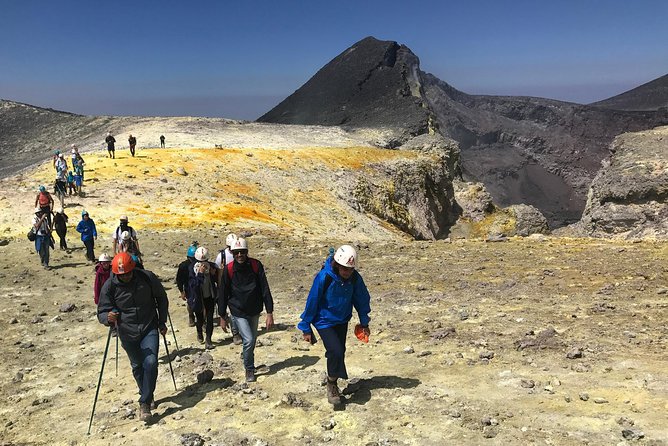
You start in Nicolosi, at La Terrazza Dell’Etna Etna Sud (Piazza Vittorio Emanuele). The morning start time is 9:00am, which I appreciate because it leaves your afternoon more flexible once you’re done with the crater circuit.
The ride up is part of what makes this outing work. You’ll take a cable car and then a 4×4/minibus up to roughly 2900m, in the Torre del Filosofo area. Then you begin walking uphill for about 1.5 hours to reach the edge of the Central Crater.
That order matters. Starting high reduces the grind, but you still get the payoff: you don’t just see Etna from far away—you arrive already near the action and then move into the crater terrain on foot.
You can also read our reviews of more tours and experiences in Sicily.
The Gear Setup That Actually Matters on Etna
This isn’t a shoes-and-guessing situation. The tour includes trekking boots, a jacket/layer (listed as felapt), and a helmet. That’s a practical inclusion because Etna hiking involves loose volcanic material and sharp-edged surfaces where you really want stable footing.
One detail I’d treat seriously: altitude plus wind can make conditions feel colder than you expect. Multiple guides are praised for keeping people safe, but you still need to show up ready. I strongly suggest you bring layers you can adjust, and wear clothing that won’t turn into a distraction the moment the wind picks up.
Food and water are also on you. There’s no mention of a meal being provided, and the full hike time can stretch beyond expectations. I’d plan on bringing enough water for the whole outing and enough to eat like you actually hiked.
Bocca Nuova at 3250m: The Moment You Realize You’re on an Active Volcano
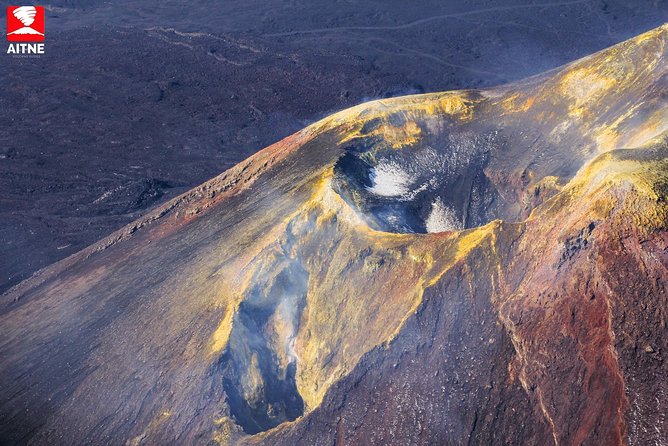
From the 2900m drop-off, the uphill walk takes you to the crater edge. This is where the day “clicks” into place.
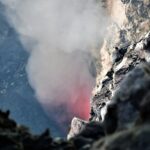
You’ll be viewing Bocca Nuova at 3250m. It’s specifically highlighted as opening in 1968, and it’s often described as one of the most impressive crater stops. When you stand near the edge, you’re not looking at a museum display. You’re standing in a living volcanic system, and the scale really hits.
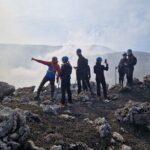
From here, you’ll move around the Bocca Nuova area toward the Central Crater zone. Even when visibility is mixed (clouds, steam, or wind-driven shifting weather), the guides can help you understand what you’re looking at—crater layout, volcanic activity cues, and how the terrain connects.
The tradeoff: the edge and surrounding slopes can feel exposed, especially if you’re sensitive to heights. On tough days, the guides’ pacing and safety behavior become a big part of why people rate this so highly.
Voragine and the North East Crater: Short Climb, Big View
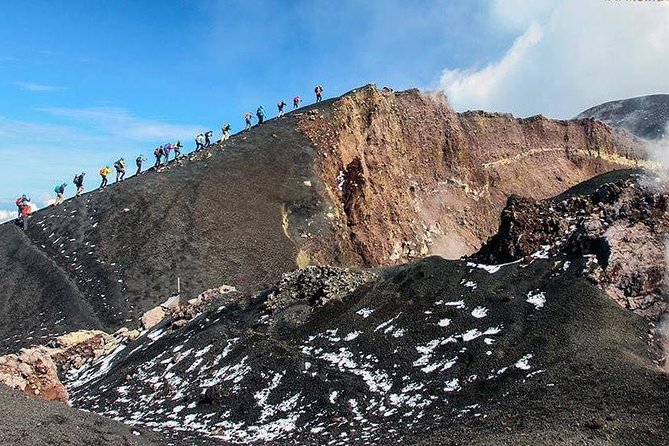
After you circle Bocca Nuova, you’ll be near the Voragine, described as the heart of the Central Crater. This area sets up the next move: a steep but short climb to the North East Crater.
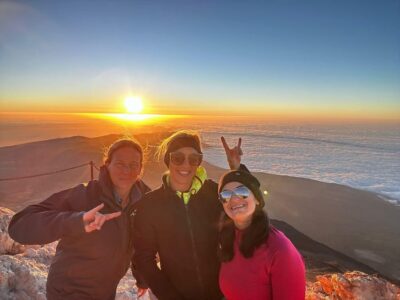
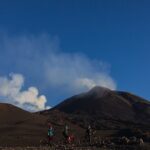
You’re headed for the North East Crater at about 3329m, formed in 1911. That “short but steep” climb is the part that tests your legs most. The upside is immediate: once you reach the top, you can often do a slow 360° scan—steam, lava fields, and the crater network below you.
On a clear day, the Aeolian Islands may be visible to the north. Even if you can’t see far, the crater geometry and the way Etna changes with steam and wind still make the viewpoint worth the effort.
Important reality check: access to the very top can change. Sometimes rules push groups to stop around 3000m instead of reaching higher points. Either way, you’re still doing a serious crater hike, just with a moving target.
Valle del Bove Descent: Ash, Scoria, and Recovery Mode
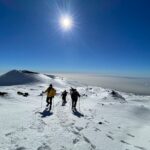
Once you’ve finished the crater-top portion, the return route becomes a long descent. Expect it to be steep, but generally described as an easier slope to manage compared to the earlier climb—though it’s still tiring because you’re walking volcanic ash and scoria.
You’ll pass through the volcanic amphitheater of the Valle del Bove, described as a caldera around 8km long and 4km wide. This part of the route helps you appreciate Etna’s “bigger picture.” It’s not just craters stacked on craters—you’re moving through a huge volcanic basin.
The descent carries you back toward the cable car station at about 2500m. Practically, this means your calves and knees do the work, not your lungs. But don’t treat it as easy. Loose material and a steep grade can wear you out fast, especially if your hiking style is more power-sprint than steady rhythm.
When Etna Says No: How High You Go Can Change
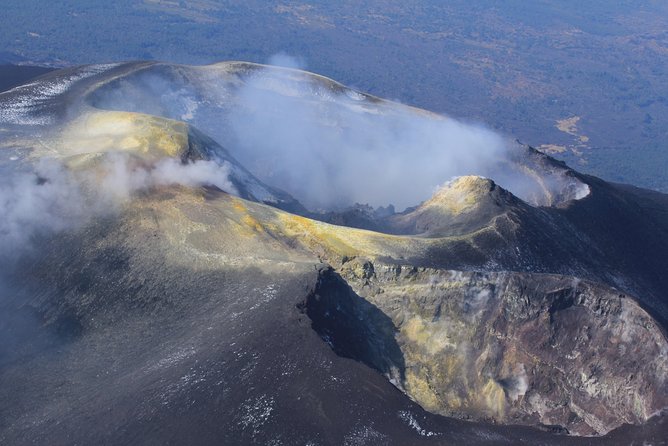
Etna is an active volcano, and rules can shift quickly. Some days may prevent reaching the highest points. In those cases, you might be stopped a little below the summit level—around 3000m—because current ordinances restrict access to the crater.
This can be frustrating if you booked specifically expecting the very highest step. But it’s also one reason to take this with a guided operator rather than trying to improvise. The guides adapt the route according to weather and regulations, aiming to keep the day safe and still worthwhile.
If you’re trying to plan your whole Sicily trip, keep your schedule flexible. A morning crater hike can run long, and the weather can do the same. If you’re the type who gets stressed by change, pack patience with your water bottle.
Wind, Gas, and Cold: Your Packing List for a Crater Day
Conditions can shift minute to minute. Wind is a recurring theme, and several hikers describe it as strong enough that you may want extra protection on exposed sections.
Gas emissions are another real-world factor. Past groups found gas could be strong enough to affect breathing and make your throat feel it. The most practical fix is bringing your own protection—at least a buff or mask. Some advice includes bringing an FFP2-style mask due to emissions near the summit area.
Don’t forget warmth. Even if Sicily feels warm at street level, upper Etna hiking can feel cold and windy. A hoodie and a warmer jacket layer are mentioned as helpful. The guides provide a jacket/layer, but I still like the idea of having your own inside layers so you can adjust quickly.
Finally: if you have asthma problems, this tour is explicitly not recommended. Altitude and emissions are not a combo you should gamble with.
Price and Value: What You Pay vs What You Still Need To Pay
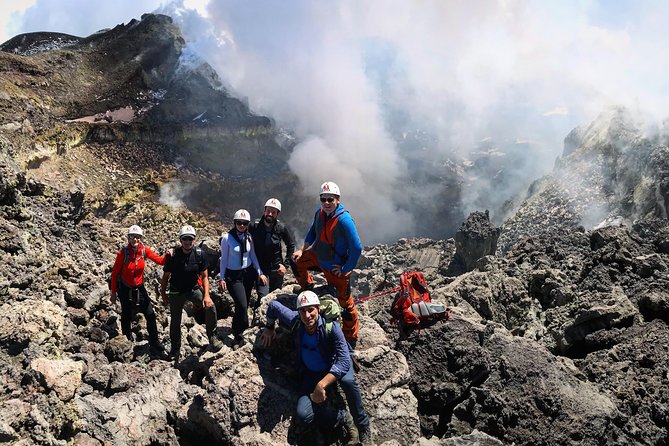
On paper, the tour price is $84.69 per person, roughly 5 hours. But the base price excludes a major chunk of the day: the round-trip cable car and jeep up to 2900m.
This is the part that can surprise people. Based on reported experiences, the extra cost for the cable car and jeep has landed around the 60–78 Euro range per person. In other words, you should budget extra for that ride just to reach the main hike start altitude.
Also note the payment style. One traveler was surprised that cash was required for that additional transport. I’d treat this as a “bring cash just in case” situation, even if you hope to pay another way.
So is it good value? For me, the answer is yes if you want crater access with a guide. You’re not paying just for walking—you’re paying for the ability to reach specific crater zones, with equipment and someone managing risk on an active volcano. If your goal is only casual views and you’re trying to keep costs tight, you may want a less specialized option.
Guides, Pacing, and Safety on a Real Active Volcano
The guide experience seems to be the main reason people land at very high ratings. Names that come up include Marco, Vincenzo, Simone, Fabio, Nino, Giuseppe, Davide, Massimo, and Mario. That variety matters because it suggests the operation runs across different personalities and group needs, not one fixed method.
What consistently gets praised: guides manage the pace so it’s doable, keep people safe, and stay attentive even when conditions get rough. One person described Marco as making sure the pace worked for everyone on a windy day. Another highlighted guides for being patient with groups that found parts of the climb very demanding.
Group size also helps. With a maximum of 15 travelers, you’re less likely to feel lost or stranded. It’s still a hard day. Guides can support you, but they can’t erase altitude, wind, or the physical demands of steep volcanic terrain.
One more practical note: this hike is sometimes described as not suitable for children under 12. If you’re traveling with younger kids, treat this as an adult-focused physical outing and plan accordingly.
Who Should Book This Etna Summit Craters Hike?
Book it if you:
- Want crater-to-crater walking and a real summit crater viewpoint, not just roadside views
- Can handle moderate-to-strenuous hiking over 5–6 hours with steep sections
- Appreciate guided safety in an active-volcano environment
- Are okay with weather uncertainty and possible route changes
Rethink it if you:
- Have asthma or significant breathing sensitivity
- Know you can’t handle windy, exposed terrain
- Want an easy family stroll, especially with kids under 12
- Are budgeting tightly and don’t want to add the cable car and jeep cost
If you’re a seasoned hiker, you’ll likely enjoy the terrain challenge. If you’re newer, you might still make it with a sensible pace, but you should go in honestly: this is not a casual hike.
Should You Book Etna’s Summit Craters Hike?
I’d book it if your priority is standing at Etna’s crater edges and seeing the active volcanic system up close, with equipment and a guide that keeps the group safe. The payoff is the combination of Bocca Nuova, the Voragine zone, and the North East Crater viewpoint—especially when the day is clear enough for broader views.
Before you book, do three things:
1) Budget for the extra transport up to 2900m (often a meaningful add-on).
2) Pack for wind and emissions, including a mask or buff and warm layers.
3) Be realistic about the hike effort and possible altitude restrictions on the day.
If you can do those, this is one of the most memorable ways to experience Etna without turning your day into a stressful guesswork exercise.
FAQ
How long is the Etna Summit Craters hike?
It’s listed at about 5 hours.
What time does the tour start?
The start time is 9:00am.
Where do I meet for the tour?
The meeting point is La Terrazza Dell’Etna Etna Sud, Piazza Vittorio Emanuele, 95030 Nicolosi CT, Italy.
What language is the tour offered in?
It’s offered in English.
How many people are in the group?
The tour has a maximum of 15 travelers.
Is this hike suitable for beginners?
It requires moderate physical fitness. It’s not meant for people who expect an easy walk.
What if I have asthma?
It’s not recommended for travelers with asthma problems.
What’s included in the price?
The price includes the guide and hiking equipment: trekking boots, jacket/layer, and a helmet. It also includes the guiding portion of the hike.
What transport costs are not included?
The round-trip cable car and the jeep up to about 2900m are excluded.
What happens if the weather is poor?
The experience requires good weather. If it’s canceled due to poor weather, you’ll be offered a different date or a full refund.