REVIEW · SICILY
Hike near the summit craters up to the maximum safe altitude currently foreseen
Book on Viator →Operated by Guide Vulcanologiche Etna Nord · Bookable on Viator
Etna at 3,000 meters feels unreal. This hike is built around the maximum safe altitude allowed by summit rules, starting with a cable car jump to 2,500 m and then walking over lava terrain to views of the South-East Crater. I also like how the authorized vulcanological guides turn a hard physical climb into a clear geology lesson, with guide Filippo (a PhD geologist) repeatedly praised for both knowledge and encouragement.
One drawback to plan for: you pay extra on site for the cableway tickets (round trip is 52€ per person), and the hike is real altitude work on uneven volcanic ground.
In This Review
- Key things that make this Etna hike worth your time
- The plan: reaching Etna’s summit areas without taking reckless risks
- Timing and where you start: 8:30 am in Nicolosi area
- Cable car up to 2,500 m: why this matters for your legs
- The hike numbers you should expect: 6.5 km and ~500 m up
- Trekking over lava fields and crater terrain toward 3,000 m
- At the 3,000 m limit: seeing the South-East Crater from a safe distance
- The best kind of geology tour: short stops, real explanations, and motivation
- Descent: older craters, lava tunnels, and back to the cable car
- What’s included versus what costs extra on the day
- Gear you should bring (even if the tour provides a lot)
- Who this hike fits best (and who should think twice)
- Booking smart: when to reserve and what to expect from real volcanic conditions
- Should you book this Etna summit-craters hike?
- FAQ
- How high does the hike go on Mount Etna?
- How long is the tour and what kind of effort is it?
- Is the cable car included in the price?
- What gear is included with the tour?
- Is this hike safe for people with health conditions?
- Are contact lenses recommended?
- What happens if volcanic or weather conditions change?
- What if I need to cancel?
Key things that make this Etna hike worth your time
- Maximum safe altitude at 3,000 m: you go as high as the rules currently allow.
- Small group size (up to 15): easier pacing and more attention from the guide.
- Guides with serious geology background: Filippo (PhD geologist) is one of the names people talk about.
- Crater-rim walking can cause dizziness if you’re sensitive to heights or uneven edges.
- Descent isn’t just “downhill”: lava tunnels and older craters can be highlights.
- Gear is handled for you: poles, helmet, warm jacket, extra socks, and trekking shoes are included.
The plan: reaching Etna’s summit areas without taking reckless risks
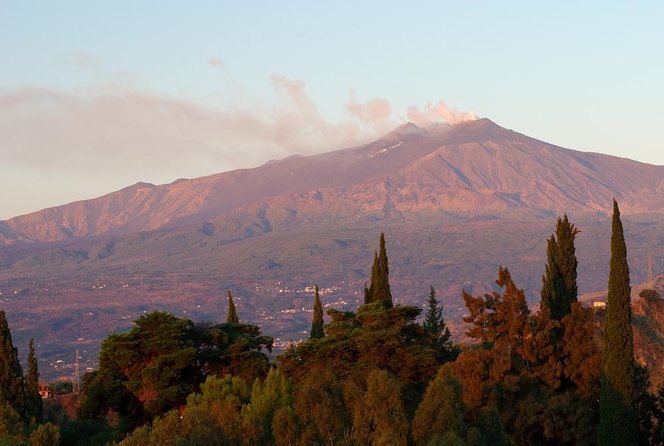
This isn’t a free-for-all climb. The route is designed around what the volcano and authorities will allow at that moment, and the big headline is the highest altitude currently foreseen: 3,000 meters. You still get real summit-area views, especially toward the South-East Crater, but the itinerary stays within safety limits.
That matters because Etna is active and changeable. Even if you show up dreaming of one specific cone, you’re traveling in a place where access can be closed due to heat, instability, or collapse risk when magma is shallow. The good news is that the hike’s purpose stays intact: you see the active parts from regulated distances, then you continue through crater rims and older volcanic features while staying safe.
You can also read our reviews of more tours and experiences in Sicily.
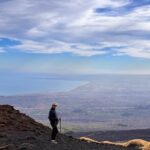
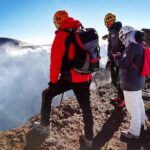
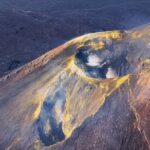
Timing and where you start: 8:30 am in Nicolosi area
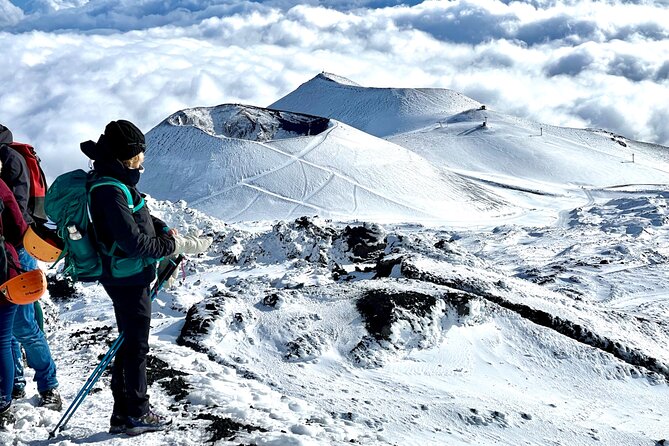
You meet at EsagonalPiazzale Funivia Etna, Sud, 95030 Nicolosi CT, Italy. The start time is 8:30 am, and the full outing runs about 5 hours (roughly).
Because you’re starting early, you’ll usually have calmer conditions for visibility and temperature at altitude. It also helps you avoid feeling rushed during the cable-car portion and the main uphill segments.
Cable car up to 2,500 m: why this matters for your legs
The day is set up with a big altitude jump before the walking begins. After check-in and tickets with your guide, you take the cable car up to 2,500 m, where the trek starts.
That’s a practical choice. It shortens the time you spend climbing from low altitude, and it lets you focus your energy on the crater-zone walk where the views and geology lessons happen. In at least one real-world scenario, maintenance has meant the usual cable-car ride wasn’t available, and the hike still went forward in a reduced form. Translation: the experience is designed to work even when the volcano area gets picky.
The hike numbers you should expect: 6.5 km and ~500 m up
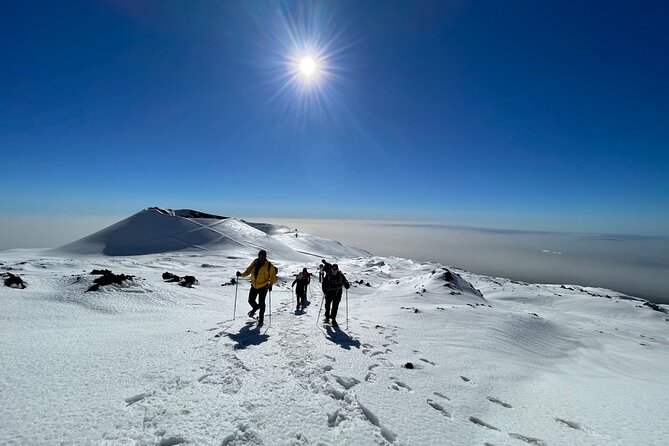
You’re looking at about 6.5 km of total distance with roughly 500 m of total gain (it can vary). The difficulty is marked E, which is for hikers used to high altitude rather than flat-country walkers.
So what does that mean for you? Expect steady uphill effort and long stretches at altitude where breathing can feel different. The terrain is volcanic and can be uneven and unstable, so your feet matter as much as your fitness.
Trekking over lava fields and crater terrain toward 3,000 m
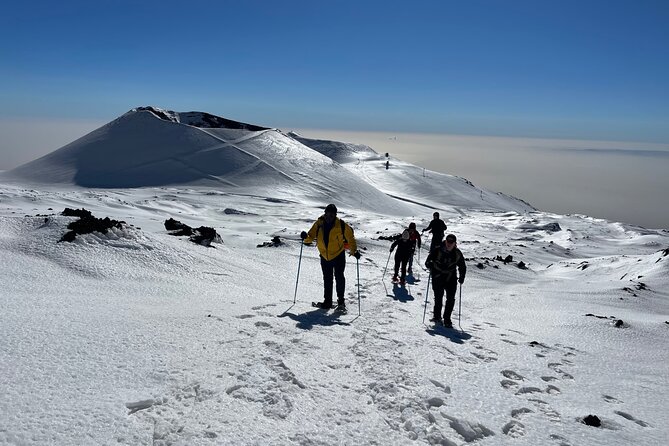
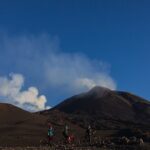
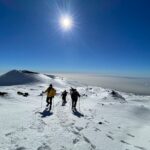
After the cable car, the route climbs from 2,500 m to 3,000 m. Along the way you walk past and above classic Etna features: lava fields, crater edges, lava channels, and hot fumaroles.
This is the part where the guide’s job becomes more than explanation. The ground can shift. You’re wearing trekking shoes for a reason, and helmets are provided for a reason too. You’ll feel how close this is to an active system, even when you’re not directly on an active cone.
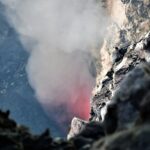
The route specifically aims at the base area of the South-East Crater, which is described as the most active cone. Access to the cone itself can be closed when conditions are extreme, but the route still gives you regulated summit views from the right distance.
At the 3,000 m limit: seeing the South-East Crater from a safe distance
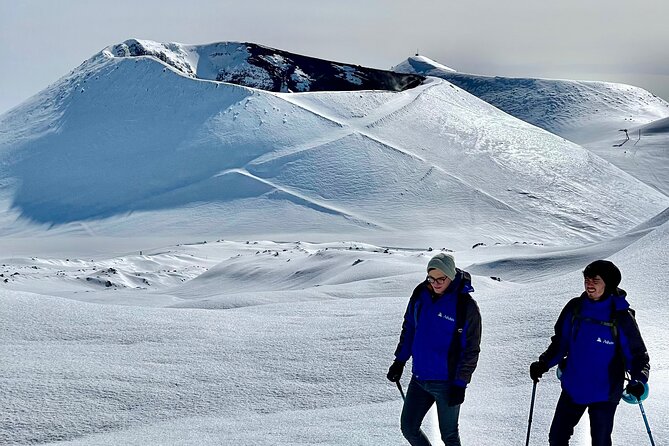
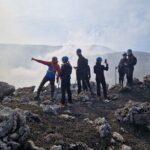
Once you reach the maximum altitude allowed by summit ordinances (3,000 m), you’re in the zone most people come to Etna for. You get strong sightlines toward the South-East Crater and the kinds of volcanic activity tied to recent eruptions.
Just don’t confuse “not walking on the cone” with “not seeing anything.” When direct access is restricted, the guides shift the experience to viewing points that still show what’s happening—without putting you where the heat and instability risks are highest. If you’re sensitive to heights, note that the route includes ascending and walking along crater rims, and that can cause dizziness in some people.
The best kind of geology tour: short stops, real explanations, and motivation
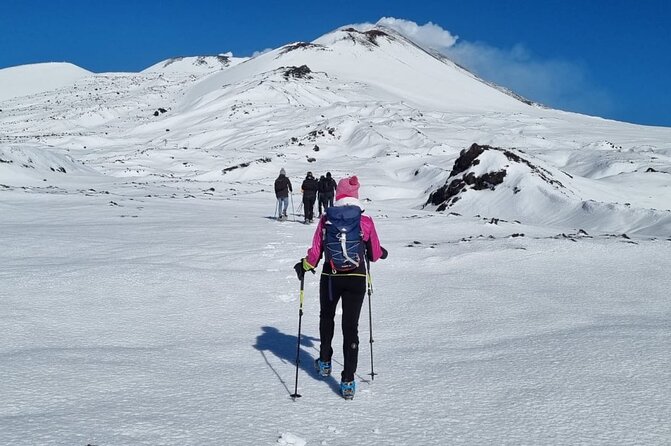
If you like learning while you move, this hike is built for you. The authorized vulcanological guides lead you through the terrain and connect what you’re seeing to how Etna works.
What I’d call out from guides’ reputations: Filippo (a PhD geologist) is repeatedly praised for adding depth without making it a lecture. Other names you may meet include Podlo, Vincenzo, and Daniele—each highlighted for being friendly, professional, and good at keeping the group moving when the altitude starts to bite.
Also, you’ll notice the guides handle pacing with real-world judgment. The itinerary may be adjusted or even suspended if environmental, weather, or volcanic conditions change. That isn’t a disappointment; it’s part of traveling with an active volcano on a schedule.
Descent: older craters, lava tunnels, and back to the cable car
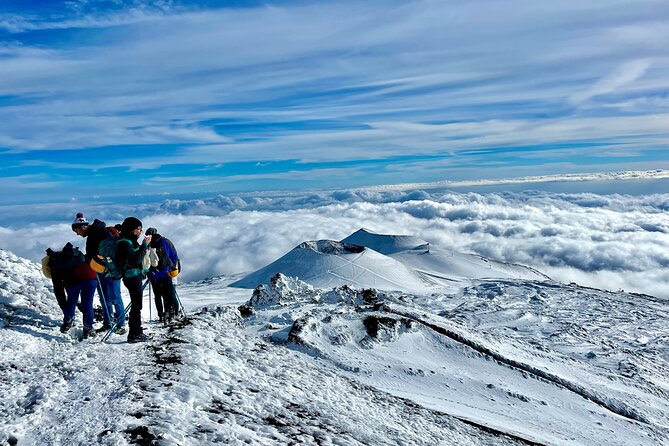
After the main summit-area segment, descent begins on foot from 3,000 m back down to the cable-car station. Then you take the cable car back to the start.
Here’s the key detail: the downhill portion isn’t just about getting your legs to stop hurting. People highlight things like walking around a 2002 crater and trekking through an old lava tunnel. Those are the kinds of moments that make the whole day feel like a coherent hike, not two separate activities stitched together.
If the usual summit access is restricted, the guide may shift the plan to nearby crater terrain and lava caves. The goal remains the same: maximum allowed altitude and summit-area views, plus a walk that still feels special.
What’s included versus what costs extra on the day
This is where the value math matters.
Included in the 66.38$ per person price (as advertised):
- Authorized vulcanological guide
- Trekking poles, trekking shoes, helmets
- Warm jacket, extra socks, extra backpack
- Accident insurance
- Entry/admission to Mount Etna
Not included (you pay on site or by your own choices):
- Cableway tickets (round trip): 52€ per person
- Parking ticket
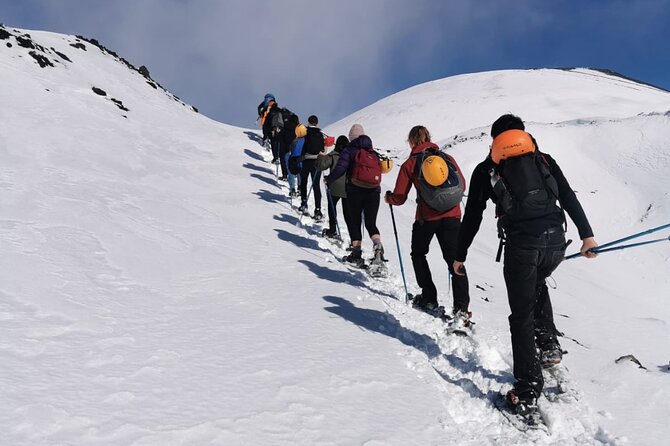
- Snowshoe rental if deep snow: 15€ per person (paid to your guide)
- Transport from your accommodation
- Hat and gloves
So what’s the honest value? If you were to rent gear and pay for guided safety and admission separately, you’d likely spend more. The surprise for many people is the cable car cost, so plan your budget as if the “real total” is the hike price plus that 52€ cableway add-on.
Gear you should bring (even if the tour provides a lot)
The tour provides a lot: boots, poles, helmet, warm jacket, extra socks, and even an extra backpack. But you still need to protect yourself where it counts.
From the tour notes, you should bring gloves and a hat (not included). And pack for cold and thinner air. The air gets scarce up high, and even on a sunny day it can feel sharper on exposed crater edges.
Also, avoid contact lenses if you can. Volcanic gases and ash can irritate eyes easily. If you wear lenses anyway, the guidance is to use them with sunglasses.
Who this hike fits best (and who should think twice)
This is suitable for people with moderate physical fitness, but it’s not a casual stroll. The climb reaches 3,000 m, the hike is rated E, and the terrain is uneven volcanic ground. If you do little physical activity, you should skip this one.
It also comes with health considerations. It’s not recommended for people with specific medical issues such as cardiovascular or respiratory conditions or hypertension. If you have any concerns, share them with the guide. That’s not small talk; it’s how the group stays safe.
Dizziness is another real factor. Because you walk along crater rims, if you’re prone to dizziness or get nervous at heights, you should be cautious.
On the positive side, this is a good choice for kids over 7 who are already accustomed to walking, and service animals are allowed.
Booking smart: when to reserve and what to expect from real volcanic conditions
Tours like this can sell out because Etna is a top Sicily experience. On average, this kind of hike gets booked around 19 days in advance, so reserving earlier gives you more choice.
Also know that the volcano can change the rules midweek. Even when you’ve booked “the summit crater hike,” your guide can adjust the route or suspend the plan if conditions shift. The good version of this tour is that it still delivers the spirit of the hike—views from safe distances and a guided walk across meaningful terrain.
Should you book this Etna summit-craters hike?
If you want one Sicily day that feels truly special, this is a strong candidate. I’d book it if you like guided learning, want a controlled route to the highest safe altitude (3,000 m), and you’re comfortable with altitude effort and crater-edge terrain.
Skip it if you’re not ready for high elevation walking, have relevant medical limitations, or you know crater rims and dizziness are a problem for you. And build your budget thinking about the 52€ cableway tickets plus any winter add-ons like snowshoes.
If you’re the type who enjoys both the hike and the geology story behind it—say, you want to look at a fumarole and understand what you’re seeing—this is exactly the kind of Etna day that pays off.
FAQ
How high does the hike go on Mount Etna?
The hike climbs to 3,000 m, which is the maximum altitude allowed by summit ordinances currently in force.
How long is the tour and what kind of effort is it?
Plan on about 5 hours total. Expect roughly 6.5 km of walking and around 500 m of elevation gain, with difficulty marked E for hikers used to high altitude.
Is the cable car included in the price?
No. Cableway tickets are not included. You pay 52€ per person on site for a round trip.
What gear is included with the tour?
You receive trekking poles, trekking shoes, and a helmet, plus a warm jacket, extra socks, and an extra backpack. Accident insurance is included too.
Is this hike safe for people with health conditions?
The hike is suitable for people in good physical health and is not recommended for those with cardiovascular, respiratory issues, or hypertension. You should share any health concerns with the guide.
Are contact lenses recommended?
No. Contact lenses are not recommended due to volcanic gases and ash that can irritate eyes. Sunglasses are advised if you wear lenses.
What happens if volcanic or weather conditions change?
The itinerary can be adjusted by the guides’ discretion or suspended if environmental, weather, or volcanic conditions create risk. The tour operates according to current safety limits.
What if I need to cancel?
You can cancel for a full refund if you cancel at least 24 hours before the start time. If you cancel less than 24 hours before, the amount you paid is not refunded. Weather cancellations can lead to a different date or a full refund.