REVIEW · SICILY
Etna: Trekking to the summit craters at 3,340 meters
Book on Viator →Operated by Sicilying SRL · Bookable on Viator
Etna’s summit craters are real, not postcard. This half-day trek is built around a volcanologist guide plus a walk toward the active crater area, with photo-worthy views over the summit zone. What I like most is how you get real interpretation from the science side, and how the climb brings you close to the crater terrain you see only from far away in pictures. One thing to plan for: you may still need to pay on site for the cable car and 4×4 to reach the trail route (€82 per person), so check your budget early.
If you’re basing yourself in Catania, the timing is one of the best parts. You’ll get hotel pickup from Catania around 7:30 AM, then start trekking later in the morning (around 9:00 AM), aiming to reach roughly 3,400 m. It’s small-group style, with a maximum of 20 people, which usually means you’re not stuck following a huge line uphill.
Before you go, think about your comfort level with altitude and wind. At these heights you can feel colder and more exposed, and the ground can be uneven, so pack for a real hike day even if it’s only about 6 hours total.
In This Review
- Key highlights at a glance
- The summit crater hike: what makes this one feel special
- Catania pickup and the day rhythm (7:30 AM pickup to crater time)
- Gear you don’t have to hunt down: helmet, poles, and a windbreaker
- Valle del Bove stop: the famous viewpoint and why it’s worth a breather
- Cratere Centrale and Crateri Barbagallo: what you’re walking toward
- The 2001 eruption crater direction: seeing an active system up close
- Price and what you’ll really spend on summit day
- How hard is it? Altitude, wind, and pacing that actually helps
- Weather reality: why good conditions matter here
- Small group size: why max 20 is a big deal
- Should you book the Etna summit craters trek?
- FAQ
- What’s the duration of the Etna trekking experience?
- Where does the tour start and end?
- Is pickup offered from Catania?
- What time does the trekking start?
- How high do you reach?
- What’s included in the price?
- What extra costs should I expect?
- What language is the tour offered in?
- Is the experience dependent on weather?
Key highlights at a glance
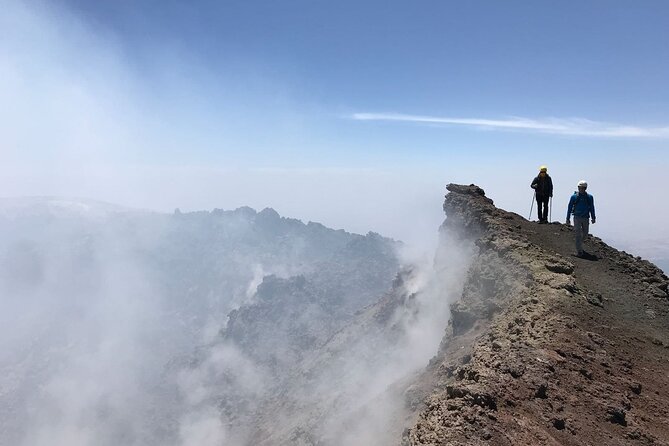
- Volcanologist-led crater talk: You’re not just hiking; you’re getting expert explanations of what you’re seeing.
- Included climbing gear: Windbreaker jacket, trekking poles, and a protective helmet are part of the deal.
- Valle del Bove photo stop: A dedicated break (about 30 minutes) with free admission for a famous volcano-history viewpoint.
- Cratere Centrale and Crateri Barbagallo: You’ll cover multiple summit-zone stops, not a single overlook.
- Climb toward the 2001 eruption area: You’ll walk in the direction of a crater that erupted in 2001.
- Small group size: Up to 20 people, which helps keep the pace human.
The summit crater hike: what makes this one feel special
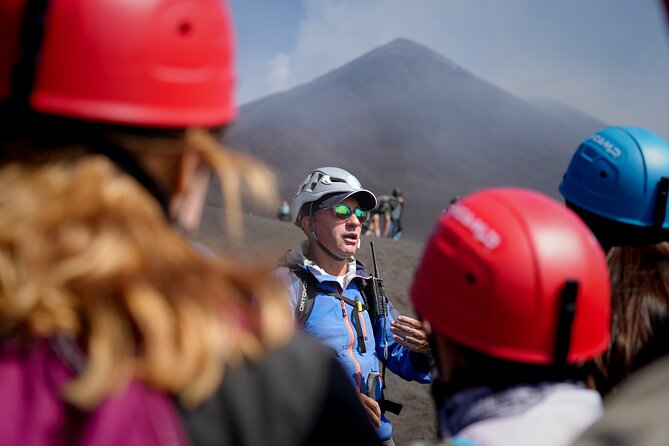
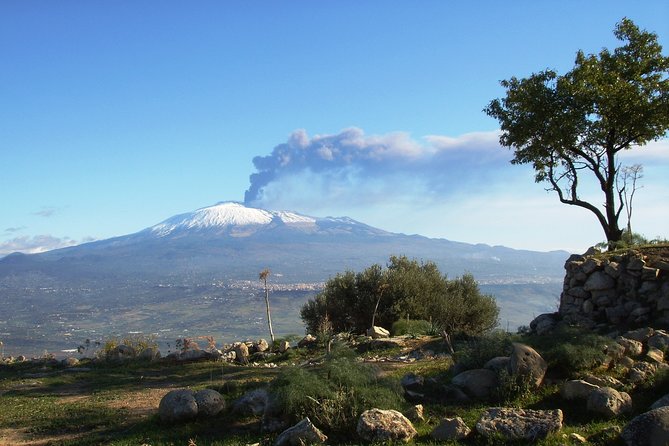
Etna is the kind of volcano where your brain keeps trying to label what you’re standing on. This trek leans into that feeling by giving you guided context along the way, not just a route. You’ll walk through the mountain toward crater zones at around the low-3,000s meter range and ultimately reach roughly 3,400 m during the main trekking period.
The experience is also designed for real sightlines. Instead of rushing through the high point, you get a photo break overlooking the summit craters, so you can actually look, not just snap and run. If you’re the type who enjoys watching the terrain change with elevation, you’ll appreciate the staged stops: Valle del Bove first, then the summit crater approach area.
One practical point I’d keep in mind: volcano days depend heavily on conditions. Even when a plan is well-run, weather can change what’s safe and comfortable, which is why this tour ties strongly to good weather.
You can also read our reviews of more tours and experiences in Sicily.
Catania pickup and the day rhythm (7:30 AM pickup to crater time)
This works best if you like mornings that start early and end before dinner. Pickup is from your Catania accommodation around 7:30 AM, then the trek begins around 9:00 AM. That morning schedule matters because Etna can turn windy and cold at altitude, and starting earlier helps you make the most of the window when conditions are manageable.
The tour runs about 6 hours total, and it finishes back at the original meeting point in the Belpasso area (Monte Gebel, SP92, 19, 95032). If you’re trying to build a tight itinerary in Sicily, this timing is helpful: it’s a half-day that still lets you plan evening time in Catania or nearby.
The pace also tends to feel adjustable. One Etna hike experience highlighted the way the guide managed safety and adapted the pace to the group, which is exactly what you want on a steep, high-altitude walk. At this elevation, even small pace changes can make the difference between stress and enjoyment.
Gear you don’t have to hunt down: helmet, poles, and a windbreaker
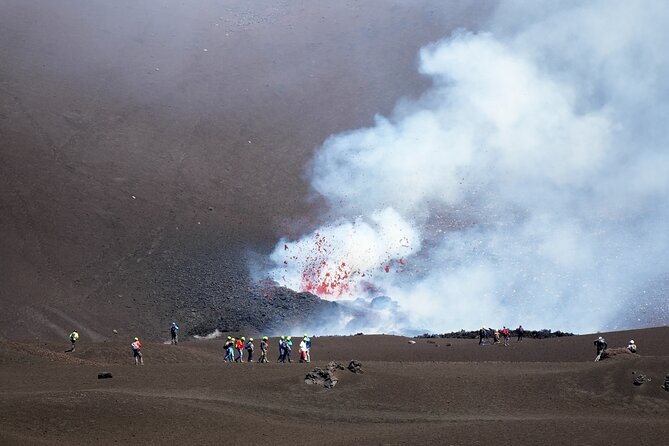
One smart value play here is the included equipment. You get:
- a windbreaker jacket
- trekking poles
- a protective helmet
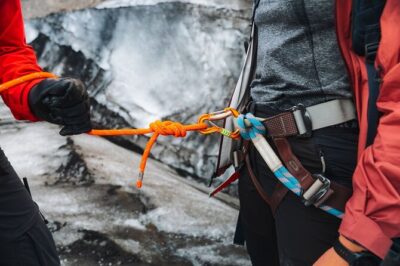
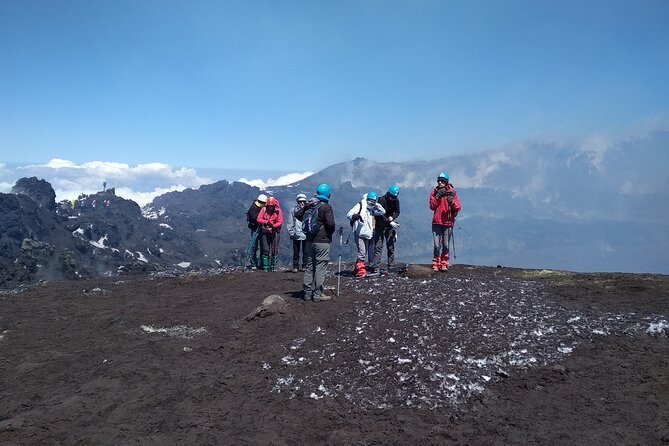
That matters more than you might think. On Etna, wind can cut fast once you’re above the lower slopes, and keeping your hands steady helps your footing on rougher ground. Poles take a lot of load off knees, especially when you’re climbing toward crater areas and later moving back down.
The helmet is another “quietly important” item. You’re walking around volcanic terrain where the guide needs to manage safety, and having the right head protection keeps you focused on the views instead of worrying about what to do with your gear.
You’ll also have insurance included, which adds peace of mind on a volcano day. This isn’t just a photo hike; it’s a real active-environment outing.
Valle del Bove stop: the famous viewpoint and why it’s worth a breather
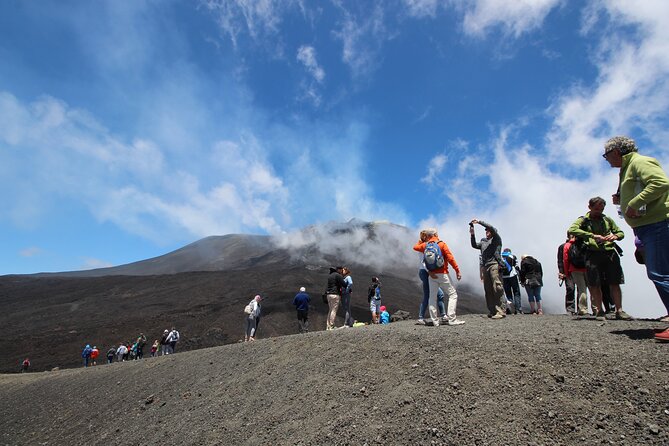
The Valle del Bove stop gives you a foundation for what you’ll see later at the summit. You’ll spend about 30 minutes here, and admission for this stop is listed as free. Short and focused is often the right approach at Etna: it’s enough time to look, take a breath, and orient yourself to the volcanic terrain.
Here’s what makes Valle del Bove meaningful for your understanding. You’re moving through a volcanic area shaped by massive geological events, and a good guide will help you connect what you see in the distance to how the volcano’s behavior has changed over time. Even if you don’t consider yourself a geology person, the explanations turn the scenery into something you can follow.
A short drawback: this stop is brief. If you’re the type who likes long wandering photo sessions, you may want extra time for Valle del Bove when you’re planning your overall day. But as a segment within a 6-hour summit trek, it keeps the day moving toward the craters.
Cratere Centrale and Crateri Barbagallo: what you’re walking toward
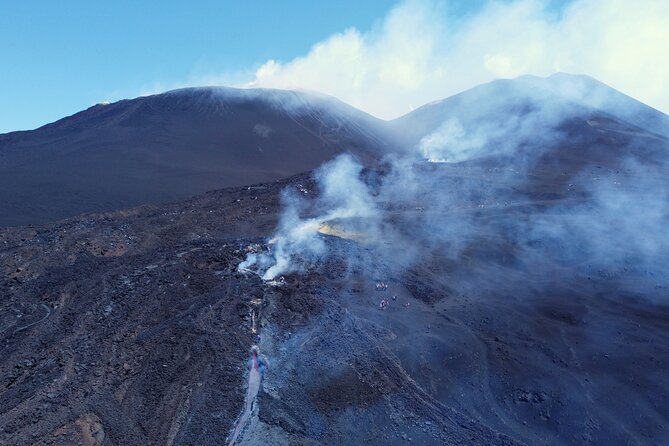
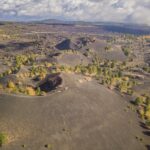
The main summit-zone portion is structured around multiple key areas, including Cratere Centrale and Crateri Barbagallo. Instead of a single point-to-point view, you’re getting a more complete look at the summit crater terrain. That’s helpful because Etna’s high zone can look similar from far away, but up close you start noticing differences in the ground texture, the slope angles, and the crater-related features.
If you like your photos to show context, this multi-stop approach helps. You’ll be able to line up what you’re seeing from one area to the next, and you’ll get a clearer sense of how the active parts of the volcano sit relative to the surrounding terrain.
Also, this is where a volcanologist guide adds real value. Walking on volcanic ground is one thing. Understanding why the ground looks the way it does—what the eruptions did, what the crater features suggest—turns it into a smarter experience you can remember later, not just an exhausting photo session.
The 2001 eruption crater direction: seeing an active system up close
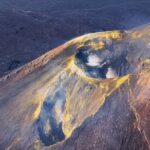
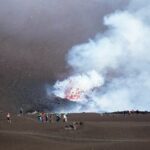
A big named highlight is climbing toward a crater associated with the 2001 eruption. Even if you only know Etna as a world-famous volcano, the idea of approaching an area tied to a specific eruption gives the hike a clear narrative thread.
This doesn’t mean you’ll be standing inside a crater or doing anything extreme. It means your walk is oriented toward the summit zones where you can observe the effects of past activity—and see how the mountain still behaves like a live system.
The “feel” of Etna at this altitude is what people remember: the way the terrain changes, the way sound carries, the way your sense of scale shifts once you’re higher than you expected. One Etna hike experience described it as stepping onto another planet, and I get why. At the crater scale, your usual landmarks stop working the way they do at sea level.
Price and what you’ll really spend on summit day
The listed price is $78.10 per person, and that covers the guided trekking experience with a lot of practical value included: volcanological guidance, windbreaker jacket, trekking poles, helmet, and insurance.
But the on-site add-on is the part to budget for. You’re not including the round-trip cable car ticket and the 4×4 vehicle, which you pay on site for €82 per person. That means your real day cost can be higher than the base price once you factor this in.
Here’s how I’d think about value: you’re paying once for professional guidance and safety gear, then paying separately for the transport needed to access the starting zone for the hike. If you skip the transport add-on, you likely don’t get the crater-approach hike you came for. So plan for the full amount early rather than hoping you’ll only pay the listed rate.
Also, lunch isn’t included. That’s normal on mountain days, but I’d plan either a simple lunch stop before you go or time your meals around the hike schedule.
How hard is it? Altitude, wind, and pacing that actually helps
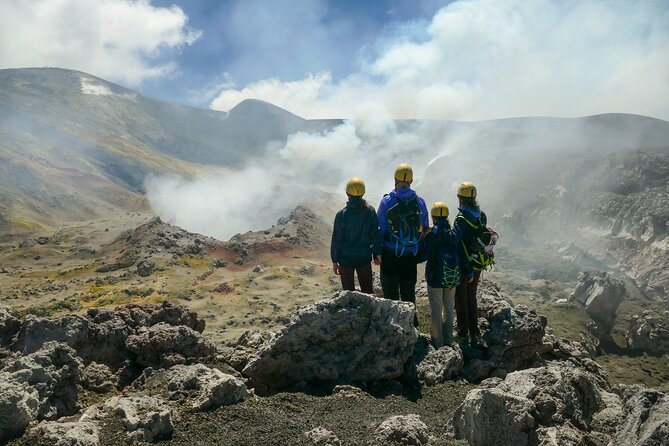
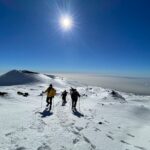
This is a trekking outing, not a stroll. You’ll be walking at high elevation with a goal altitude around 3,400 m during the summit trek window. That alone changes the experience. Even people who are fit can feel winded at altitude, and you may notice your breathing more than your leg burn.
The good news: the experience is set up for a group format with a volcanologist guide who manages safety and likely adjusts the pace. One Etna guide was praised for ensuring safety and tailoring pacing to group needs, and that’s exactly the right skill on a steep day.
For you, the biggest decision is whether you’re comfortable with:
- uneven volcanic terrain
- possible cold or windy conditions
- a steady uphill effort
If you’re healthy and used to hiking, you’ll likely be fine. The tour info also notes that most people can participate, which suggests it’s not limited to elite athletes. Still, be honest with yourself about altitude sensitivity. If you get sick at height easily, consider how you’ll handle the summit push.
Weather reality: why good conditions matter here
Volcano tours run on conditions. This one requires good weather, and if it’s canceled due to poor weather, you’ll be offered a different date or a full refund.
So when you’re planning your Sicily trip, try to avoid stacking this as your absolute last activity with no backup. A weather delay can happen, and it’s easier if you have flexibility.
Wind is another hidden factor. Even if the sky looks fine, wind can make the higher parts feel much colder. That’s why I’m glad the windbreaker jacket is included. It gives you one less item to manage, and it helps you stay comfortable enough to enjoy the crater stops.
Small group size: why max 20 is a big deal
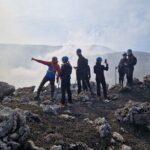
A maximum group size of 20 travelers is one of the underappreciated perks. It keeps the hike from becoming a long queue. It also makes it more likely that the guide can notice who’s struggling, explain what you’re seeing without repeating endlessly, and manage safety around uneven ground.
This matters most near the summit-zone areas, where everyone wants photos and everyone wants to look. A smaller group reduces frustration and makes the experience feel more personal without turning it into a private expedition.
Should you book the Etna summit craters trek?
If your dream is a guided, science-informed hike on a real volcano, this is a strong booking choice. The price is reasonable for what you get, especially with gear included and a volcanologist guide leading the crater approach. You’ll also get key viewpoints that help you understand the volcano’s structure, not just a single overlook.
I’d book it if:
- you want summit craters experience, not just a viewpoint
- you appreciate guided explanations from a volcanologist
- you like hiking enough to handle altitude and uneven terrain
I’d think twice if:
- you hate unpredictable weather (because the tour can shift dates or cancel)
- you strongly dislike paying on site for transport, since the cable car + 4×4 add €82 per person
- you need a long, slow sightseeing pace (Valle del Bove is short, about 30 minutes)
FAQ
What’s the duration of the Etna trekking experience?
It lasts about 6 hours.
Where does the tour start and end?
It starts at Monte Gebel SP92, 19, 95032 Belpasso CT, Italy, and it ends back at the same meeting point.
Is pickup offered from Catania?
Yes. Pickup from your accommodation in Catania is around 7:30 AM.
What time does the trekking start?
The trekking tour starts at around 9:00 AM.
How high do you reach?
The trekking reaches about 3,400 m (the itinerary references visiting Mount Etna reaching 3300 m and the trekking reaching 3400 m).
What’s included in the price?
Included are a volcanological guide, windbreaker jacket, trekking poles, protective helmet, and insurance.
What extra costs should I expect?
Lunch is not included. Also, the round-trip cable car ticket and the 4×4 vehicle are paid on site for €82 per person.
What language is the tour offered in?
The tour is offered in English.
Is the experience dependent on weather?
Yes. It requires good weather. If canceled due to poor weather, you’ll get a different date or a full refund.