REVIEW · HEALY
Denali: 5-Hour Guided Wilderness Hiking Tour
Book on GetYourGuide →Operated by Denali Backcountry Guides · Bookable on GetYourGuide
Denali’s air gets thin fast. This naturalist-led wilderness hike takes you from forest to alpine tundra, aiming for panoramic Alaska Range views above the tree line. I like that the guide teaches you why the scenery works—the glaciers, the plants, the wildlife signs—while you’re earning the views.
I also like the practical setup: small groups of up to 7 and hotel pickup/drop-off make the whole thing feel smooth from the first van door to the last muddy step. Even in warm or snowy shoulder weather, the included rain gear and overboots help you hike without constant gear panic.
The main consideration is that this hike is truly strenuous: plan on 5–7 miles and about 1,500 feet of climbing, usually uphill for most of the middle of the route. If you’re dealing with back issues, heart trouble, or limited mobility, this may not be a good match.
In This Review
- Key things that make this Denali hike worth your time
- A Strenuous Denali Wilderness Hike With a Naturalist’s Point of View
- Hotel Pickup to State-Managed Wilderness: Where You Start Matters
- The Big Climb: 5–7 Miles, 1,500 Feet, and the Payoff Views
- What Your Naturalist Guide Actually Teaches on the Way Up
- Off-Trail Steps and Weather Reality in Denali
- A smart packing mindset (based on the provided list)
- Included Gear and Hotel Convenience: Where the $160 Price Makes Sense
- Who This Denali Hike Fits Best (and Who Should Pass)
- The Small-Group Difference: Paying Attention Without Feeling Rushed
- Practical Tips to Get the Most From Your 4–5 Hours
- Should You Book This Denali 5-Hour Wilderness Hike?
- FAQ
- How long is the Denali guided wilderness hiking tour?
- How much does it cost?
- What’s included in the price?
- Is food or water included?
- How strenuous is the hike?
- Where does the hike take place?
- What should I bring?
- Can I cancel and get a full refund?
Key things that make this Denali hike worth your time
- Naturalist narration on glacier shapes and how the area was formed
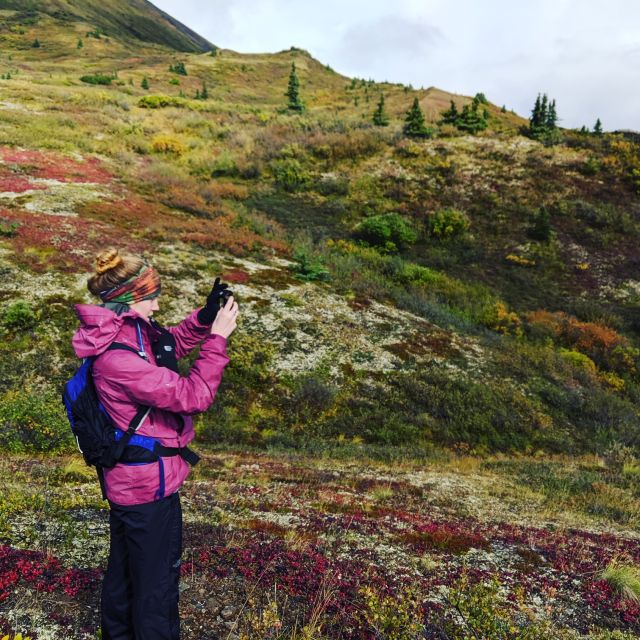
- Climb from lush forest to alpine tundra with frequent viewpoint rewards
- Above-the-tree-line Alaska Range panoramas when conditions cooperate
- Hotel pickup and drop-off in Denali, with a small-group pace (max 7)
- Included rain gear and overboots for wet, cool, or changeable weather
- Guides adjust to the group’s ability, with options to take it easier at times
A Strenuous Denali Wilderness Hike With a Naturalist’s Point of View
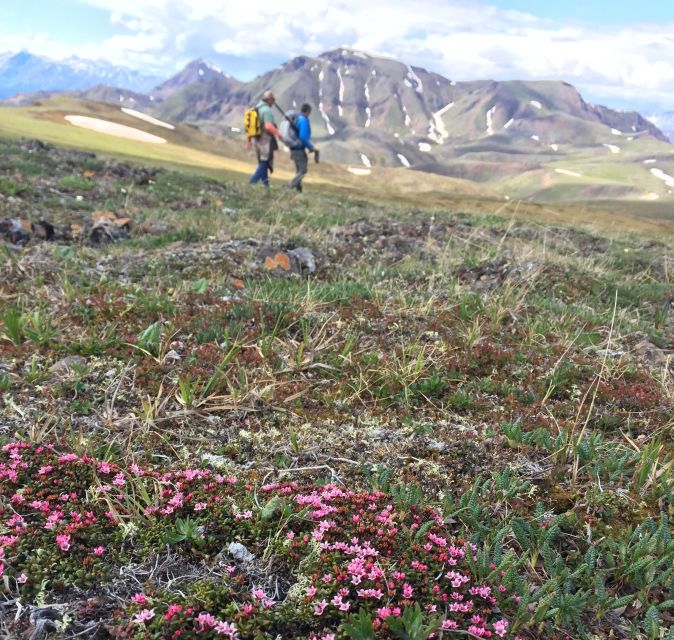
This isn’t a flat stroll with photo stops. The whole point is effort matched with education. You’ll hike 4–5 hours, typically covering 5 to 7 miles and gaining about 1,500 feet. Expect a lot of uphill time—often described as steep at the start—plus off-trail sections depending on the route and weather.
That physical demand matters because it shapes what you’ll actually see. As you climb, the air cools, the vegetation shifts, and the terrain becomes more “readable” in a geological way. The guide’s job is to help you notice those changes instead of just surviving the climb.
If you enjoy learning while you move—plants, birds, animal signs, and how glaciers shaped the ground—this tour leans hard in that direction. The narration is a big part of the value, not a bonus.
Hotel Pickup to State-Managed Wilderness: Where You Start Matters
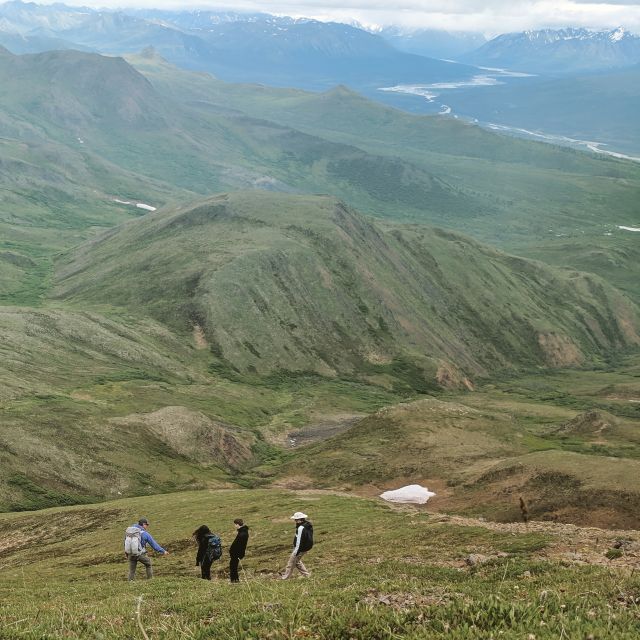
You’ll meet your guide just outside the front lobby at select Denali hotels. The van is driven by a guide with a Walk Denali or Denali Backcountry Guides decal. Stops listed include Denali Princess Wilderness Lodge, Holland America Denali Lodge, Denali Bluffs Hotel, Grande Denali Lodge, Denali Park Village, Grizzly Bear Resort, and Denali Cabins.
Why I think this matters: in Denali, getting to the start point can be the whole day if you do it yourself. Here, you trade some independence for time and convenience. You also avoid the stress of figuring out where to park, how to dress for the first hour, and what route makes sense given that trail conditions can change.
Also, this hike usually runs just outside the park boundaries in state-managed wilderness. That can mean you’re still in serious Denali territory—without being pinned to a single visitor-area route.
The Big Climb: 5–7 Miles, 1,500 Feet, and the Payoff Views
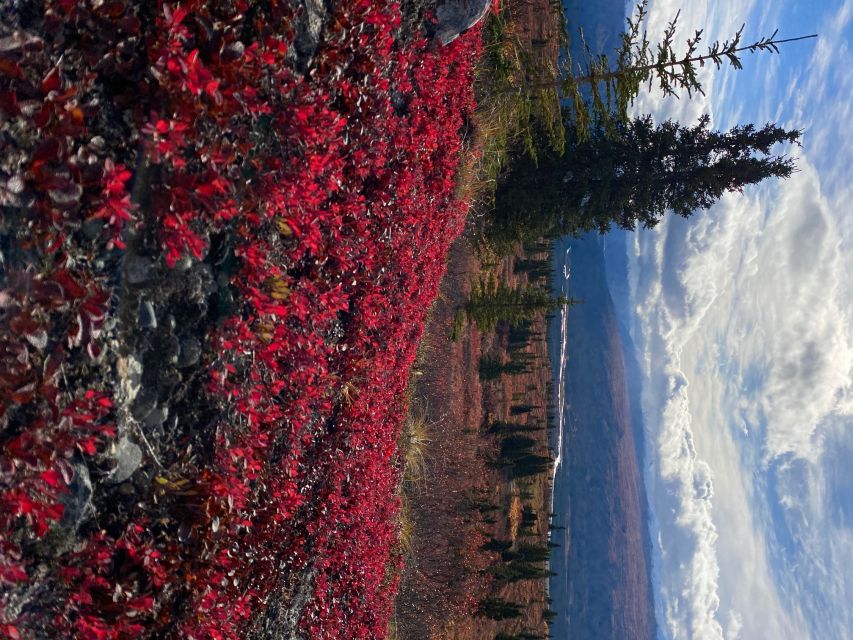
The route is designed to get you above the tree line. That’s where the Alaska Range views become the main event—wide, dramatic, and different from what you see from lower elevations.
From the info provided, the hike generally involves:
- moving from forest upward
- transitioning to alpine tundra
- stopping for viewpoints when the weather allows
This “vertical shift” isn’t just scenic. It’s the way you experience Denali’s altitude zones up close. Trees thin out. The ground can feel different underfoot. Wind often rises. The guide will usually connect what you’re seeing to climate, plant adaptations, and glacial history.
From the named hikes mentioned in the provided feedback (like Coyote Ridge, Antler Ridge, and routes described as Mia Tao), the common thread is a climb that rewards you with big sightlines—especially later in the hike when you’re higher and the landscape opens up.
What Your Naturalist Guide Actually Teaches on the Way Up
A good guide changes a hike from exercise to interpretation. In this tour, that shows up in the topics you’ll hear about as you hike.
Expect narration on:
- glacier topology (how glaciers carved and shaped the land)
- geography and terrain
- varied flora across elevations
- Alaskan history in a way that fits what you’re walking through
- wildlife and what to look for (including animal activity signs)
Names of guides who were highlighted in the provided feedback include Xavier, Connor, Javier, Andy, Alex, Johan, Courtney, Lauren, Liz, Andy Nielson, and Alex again, plus Cheryl-era guide references. The repeated pattern is the same: guides were described as upbeat, attentive to the group’s abilities, and very focused on turning the terrain into a story you can see.
There’s also a practical angle. Several comments mention guides adjusting pace for the group and offering easier options. That matters because this is a tour that can feel intimidating on paper.
If you’re fit but not sure you can handle steep uphill for hours, you’ll feel better if you choose a group day where the guide can read your pace and keep things safe.
Off-Trail Steps and Weather Reality in Denali
“Trail hike” can mean different things. Here, you should be ready for a mix of:
- uneven ground
- off-trail hiking at times
- changing routes due to trail and weather conditions
The tour is designed to be strenuous, and routes may vary. That means you can’t rely on a single mental picture of a perfect, wide path.
What you can rely on is the gear support: rain gear and overboots are included. Trekking poles are available on request, which is a big help for uphill grip and downhill control—especially if you’re heading into rocky or wet sections.
Still, you should plan on bringing your own essentials and comfort items. The tour provides some help, but it doesn’t replace the need for good footwear and real hiking clothes.
A smart packing mindset (based on the provided list)
Bring:
- hiking shoes
- weather-appropriate clothing
- hiking pants
- water and snacks (not provided)
- sunglasses, sunscreen, sun hat
- camera and binoculars (helpful for spotting details when views open up)
You’ll also want:
- a calm, flexible attitude about route changes
- the mindset that the first part may feel like you’re working hard for less view—and then the views show up when you’re higher
Included Gear and Hotel Convenience: Where the $160 Price Makes Sense
At $160 per person for about 4–5 hours, this hike isn’t cheap. But you’re not just buying a guide’s time on a trail.
You’re getting:
- a professional naturalist guide
- pickup and drop-off from listed Denali hotels
- rain gear and overboots included
- trekking poles if you request them
That added value can matter a lot if you’re traveling without a car or you don’t want to gamble on buying or renting wet-weather hiking gear. It also reduces the number of moving parts in your day—one less logistics headache means more energy for the hike itself.
What’s not included is equally important:
- food and water are not provided
So your real budget should include snacks you can eat while moving and water you can carry comfortably.
Also, cancellation flexibility is available (full refund up to 24 hours in advance), which is useful in a place where weather can shift fast. You’ll still want to dress like conditions might change even if they start nice.
Who This Denali Hike Fits Best (and Who Should Pass)
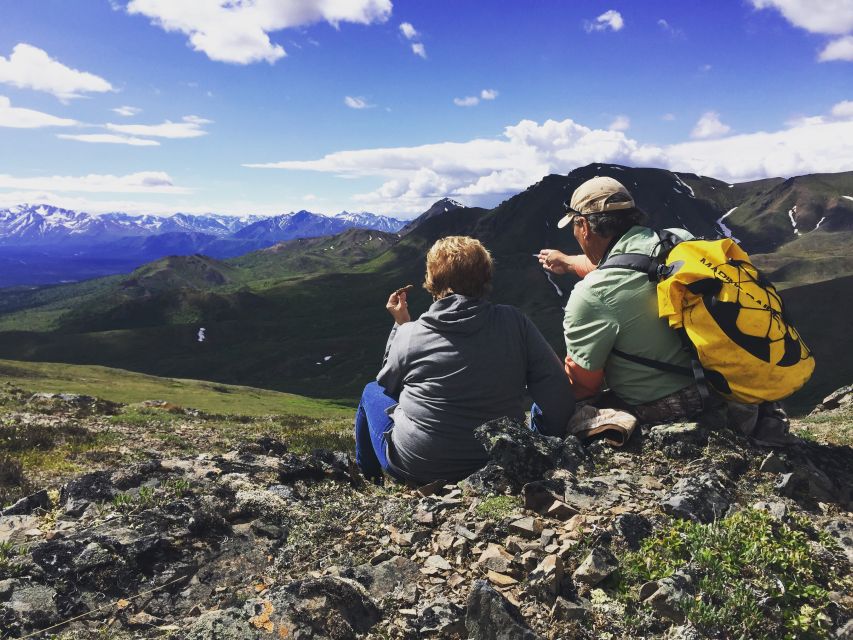
This tour is best for people who like a challenge and want education tied directly to what they’re stepping on.
It is not suitable for:
- children under 15
- people with back problems
- people with mobility impairments
- wheelchair users
- people with heart problems
If you’re generally healthy, steady on your feet, and comfortable with steep climbs, you’ll likely love the experience. Multiple provided comments describe the hike as challenging but rewarding, with guides helping the group match their pace.
I’d especially recommend it if you:
- care about botany, wildlife signs, and terrain-based stories
- want the Alaska Range views that show up after real climbing
- prefer a small group format (max 7) over big tours
The Small-Group Difference: Paying Attention Without Feeling Rushed
Small groups are a big deal on strenuous hikes. With a cap of 7 participants, your guide can:
- watch footing more closely
- explain what matters without repeating the same basics 30 times
- adjust the pace to the group’s skill level
In the provided feedback, guides like Andy, Xavier, Connor, Javier, and Johan were repeatedly described as patient and tuned-in to the group. That’s exactly what you want when the trail gets steep and the weather can shift.
It also helps that you get pickup from multiple hotels, so you’re not stuck waiting around with strangers for an hour while a van plays musical chairs.
Practical Tips to Get the Most From Your 4–5 Hours
Here’s how to make this day work for you:
- Start strong mentally, not physically. Expect uphill time early on, with the payoff views later.
- Bring snacks that travel well. Think energy bars or bite-size foods you can eat without stopping forever.
- Pack for wet and cold even if it looks sunny. Included rain gear and overboots help, but you still choose layers.
- Don’t forget binoculars if you like wildlife details. Even when you don’t see animals clearly, the guide can point out signs.
- Be ready for routes to vary. Off-trail hiking can change based on trail and weather conditions.
- Ask your guide for pace options if you need them. Some guides were described as offering easier choices when asked.
Should You Book This Denali 5-Hour Wilderness Hike?
Book it if you want a naturalist-guided, strenuous Denali day where the learning isn’t an afterthought. The combination of hotel pickup, included wet-weather gear, and an experienced guide focused on glacier formations, plants, and wildlife signs makes this a strong value—especially if you hate logistics and you like earning views.
Skip it if steep elevation gain will be a deal-breaker, if you need mobility accommodations, or if you’re not comfortable with a hike that can be rough and off-trail at times.
If you’re on the fence, choose it if you’re excited by the idea of going above the tree line and understanding what shaped the ground beneath your boots.
FAQ
How long is the Denali guided wilderness hiking tour?
The duration is typically 4 to 5 hours.
How much does it cost?
It costs $160 per person.
What’s included in the price?
The tour includes a professional guide, pickup and drop-off from specific Denali hotels, rain gear and overboots, and trekking poles on request.
Is food or water included?
No. Food and water are not included, so you’ll need to bring your own snacks and water.
How strenuous is the hike?
It’s designed to be strenuous, with about 1,500 feet of climbing and 5 to 7 miles of hiking. You should be prepared to hike uphill for 3–4 hours.
Where does the hike take place?
The hike is usually just outside the park boundaries in state-managed wilderness, and trail routes can vary due to trail and weather conditions.
What should I bring?
You should bring sunglasses, a sun hat, sunscreen, a camera, binoculars, hiking shoes, weather-appropriate clothing, hiking pants, snacks, and water.
Can I cancel and get a full refund?
Yes. You can cancel up to 24 hours in advance for a full refund.