REVIEW · PARO
8 Days Classic Bhutan tour with easy hikes
Book on Viator →Operated by Bhutan Travel Club · Bookable on Viator
Bhutan is quieter than you expect. This 8-day classic trip packs easy hikes with major cultural stops, all handled by a private team from Paro. I also like that it’s genuinely all-inclusive on the ground, so you spend your energy on monasteries and viewpoints instead of spreadsheets. One thing to weigh: the days around Dochula and Tiger’s Nest sit at real elevation, so plan for slower walking and bring layers.
You’ll start at Paro International Airport (pickup at 8:30am) and move through Thimphu, Punakha, and Phobjikha before ending back in Paro. The route is built around short-to-moderate hikes, with a couple of options depending on your comfort level. If you’re a first-timer, it’s an efficient way to see Bhutan’s main “wow” moments without turning the whole trip into a training plan.
In This Review
- Key Points You’ll Appreciate Before You Go
- Paro Arrival And The First Himalayan Glimpse
- Thimphu Essentials: Chorten, Buddha Dordenma, And Craft Culture
- Dochula Pass And The Choice-Based Easy Hikes
- Punakha Dzong, Paddy-Field Chorten, And Time With Nuns
- Phobjikha Valley: Gangtey Monastery And The Black-Necked Crane Area
- Back To Paro With Kyichu Lhakhang, The Museum, And Rinpung Dzong
- Tiger’s Nest Day: The Long Walk To Paro Taktsang
- Value And Inclusions: What You Pay For (And What You Don’t)
- Fitness Reality Check For Easy Hikes
- Who This Tour Fits Best
- Should You Book This 8-Day Classic Bhutan Tour?
- FAQ
- Is airfare to Bhutan included?
- What does the tour price include?
- Where does the tour start and when?
- Is this tour private or a shared group?
- How long are the hiking days, and are they really easy?
- Do I need to pay for the Bhutan visa?
- Are the Sustainable Development Fund or Daily Tourism Tax included?
- What happens if weather is poor?
- Can I cancel for a refund?
Key Points You’ll Appreciate Before You Go
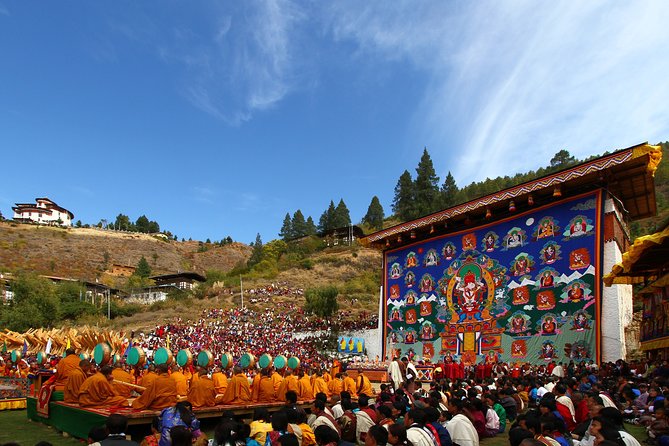
- Private car and English-speaking driver/leader so you’re not stuck waiting around for the slowest bus.
- All meals plus hotel stays (3-4 star), which makes the trip feel financially predictable once you arrive.
- Easy hike structure with options like Trans Bhutan Trail segments and smaller monastery walks.
- Tiger’s Nest day is long, so it’s better to treat Day 7 as your main exertion day.
- Phobjikha adds wildlife context through the Black-necked Crane area in winter months.
- Well-tuned logistics (pickup, bottled water in the car, mobile ticket) that cut down on day-to-day friction.
Paro Arrival And The First Himalayan Glimpse
Your Bhutan trip starts with a flight approach that brings you close to the Himalayas. The best part of flying into Bhutan is that the mountains feel like they’re already part of your day, not just a distant photo backdrop. After landing, you get met and routed into the first stretch toward Thimphu.
One early stop is Tachogang Lhakhang Bridge, followed by an in-route visit to the Tamchog Lhakang monastery. This is a good way to break the day up: you’re not just traveling, you’re learning how Bhutanese religious sites sit right alongside ordinary roads and daily life. You’ll then continue by car into Thimphu, with the route paced so you’re not exhausted before the real sights begin.
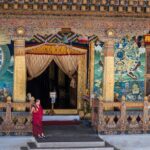
Even your evening in Thimphu is designed to help you settle in. You check into your hotel, then (if you have time) you can visit the Memorial Chorten (Stupa) built in memory of the third king of Bhutan. The Memorial Chorten is one of those places where you feel the rhythm of Bhutan—quiet, prayerful, and very much alive.
Practical tip: on arrival day, keep one layer handy even if the sun is warm. Weather can shift quickly in the mountains.
You can also read our reviews of more tours and experiences in Paro.
Thimphu Essentials: Chorten, Buddha Dordenma, And Craft Culture
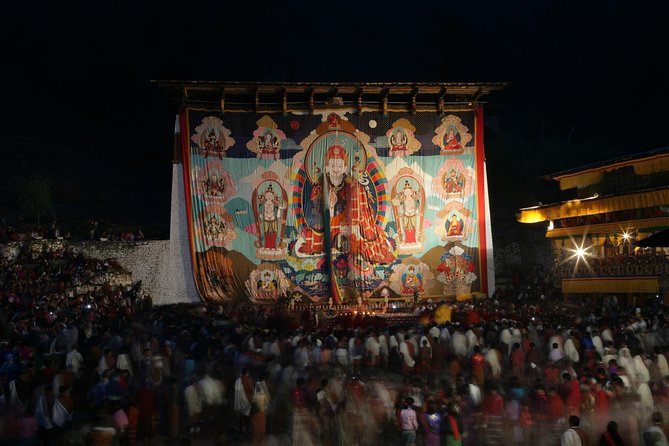
Thimphu is where many people first learn how Bhutanese culture works in daily life. Instead of only hitting palaces and viewpoints, this tour leans into art and crafts—plus a couple of viewpoints that make the city feel open.
Day 2 starts at Kuensel Phodrang with the giant Buddha Dordenma statue (169 feet). The view from there helps you understand Thimphu’s geography: you’re looking over a valley town wrapped in hills. Then you get an easy hike right in the Thimphu area, which is the perfect way to stretch legs without committing to a full-on trek.
From there, you move into cultural learning that doesn’t feel like a lecture. You’ll stop at the National Folk Heritage Museum, which helps explain how Bhutan’s urban life expresses itself through food habits, daily customs, and folk traditions. Lunch is planned out at a local spot in town—simple, practical, and timed so you can keep going.
Then it’s arts and training:
- National Institute for Zorig Chusum, featuring Bhutan’s traditional 13 arts and crafts
- Royal Textile Academy, built around intricate textiles and the skill behind them
If you love shopping but hate tourist traps, the day ends with Thimphu’s Weekend Market and Crafts Bazaar area. Weekend timing matters here, because the market becomes livelier then. You’ll also pass through the Centennial Market and Kajabazaar streets where handicrafts and textiles are a big deal.
Small drawback to consider: Thimphu days can feel “busy” because it’s many short stops. If you’re the type who needs lots of recovery time, you’ll want to pace yourself at lunch and let your feet do less talking.
Dochula Pass And The Choice-Based Easy Hikes
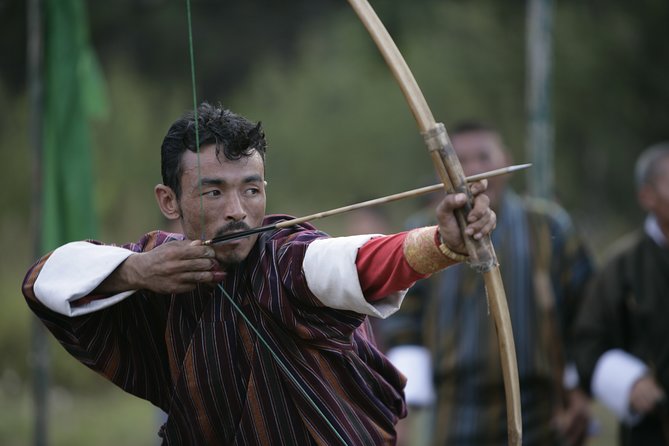
Day 3 is one of the most scenic parts of the trip. You start at Dochula Pass (3140m), with classic Himalayan views and prayer flags fluttering against the peaks. This altitude is why the air can feel crisp and why you’ll want to move slowly—especially if you’re not used to mountain walking.
From there, you get real flexibility. The tour offers easy hike options, including:
- A recommended route through rhododendron forests and alpine vegetation (Lungtsezelkha hike), with the chance to see yaks
- A gentler option on the Trans Bhutan Trail section from Lamperi Botanical Park down toward Talo village
That matters because “easy” can mean different things. On this itinerary, easy isn’t code for fast. It means you’ll usually be able to enjoy the walk, stop often, and still make it through the day without feeling like you’re being chased by time.
You’ll also visit Druk Wangyel Chortens, plus Druk Wangyel-related stops designed for quieter spiritual moments rather than a checklist feel.
The day finishes in Lobesa’s rice valley with Chimi Lhakhang, also known as the fertility monastery tied to a famous historic figure nicknamed the Divine Madman. It’s one of those Bhutan stops that feels quirky in the best way—serious in purpose, memorable in vibe.
Bring: a light rain layer. Prayer flags look great, but weather can be unpredictable around passes.
Punakha Dzong, Paddy-Field Chorten, And Time With Nuns
Punakha is where Bhutan’s “iconic fortress” moment lands. Day 4 starts at Khamsum Yulley Namgyal Chorten, reached via a short scenic hike through paddy fields (about 45 minutes to the hilltop). This isn’t just a walk; it’s a view transfer—from flat farmland patterns up into a sacred viewpoint where the surroundings feel larger than you expected.
Then comes Punakha Dzong, often described as one of Bhutan’s most beautiful fortresses, located at the confluence of two rivers. You’ll spend time at the dzong and learn how it functions as winter residence for monastic leadership and also as an administrative headquarters.
Another strong stop is Sangchhen Dorji Lhuendrup nunnery, perched atop a ridge among pine trees, overlooking Punakha and Wangduephodrang valleys. You’ll have time to interact with the nuns, and it’s specifically noted that they enjoy speaking English with visitors. That’s a big part of why these nunnery moments feel different from typical tourism.
Consideration: this day mixes a short hike, fortress sightseeing, and ridge viewpoints. If you’re sensitive to uphill walking, you’ll want to keep a steady pace and not skip breaks.
Phobjikha Valley: Gangtey Monastery And The Black-Necked Crane Area
Day 5 shifts the tone. You’ll travel toward Phobjikha (Gangtey) through a scenic route along the Dang Chuu River, climbing through bamboo and oak forests. Just before crossing Pele La (Pass), you take a side road into the valley—so the journey itself feels like a gradual reveal.
Phobjikha is known for the Black-necked crane season (visiting from the Tibetan plateau in winter months). You’ll also visit the Black Necked Crane Center to learn about these endangered cranes and how they fit into local folklore and pride.
In the afternoon, you head to Gangtey Monastery (Gantey Gompa). You can spend time with monks living and working around the monastic school. There’s also an option to do a meditation session inside the temple, with basic instructions from your guide.
This is the kind of day that can become your favorite—not because it’s packed with sights, but because it gives you quiet time in the middle of a busy trip. If you tend to feel overloaded by museums, Phobjikha is a reset.
Practical tip: plan for cooler conditions in the valley, especially if you’re traveling during the crane season time window.
Back To Paro With Kyichu Lhakhang, The Museum, And Rinpung Dzong
Day 6 brings you back toward Paro via Dochula Pass, which is a smart choice. You get to reuse one of the most dramatic viewpoints in a new light, without wasting an extra day on transport.
In Paro, Kyichu Lhakhang comes first. It’s believed to be one of Bhutan’s oldest Buddhist temples, built in the 8th century. Stops like this give you perspective: the monastery isn’t just old, it’s part of Bhutan’s continuing religious landscape.
Then you visit the National Museum, timed to help you connect stories you’ve heard to real objects and artifacts. After that, you’ll see Rinpung Dzong (Fortress of the Heap of Jewels), built in 1644 by Zhabdrung.
If you like history that feels human instead of distant, the dzong stories help. Fortresses in Bhutan weren’t just defensive—they were administrative and spiritual anchors. This is why the architecture keeps showing up throughout the itinerary.
One small pacing note: this day has fewer “walking hours” than earlier hike-heavy days, but it includes multiple religious sites. You might want to keep your energy for the next big day.
Tiger’s Nest Day: The Long Walk To Paro Taktsang
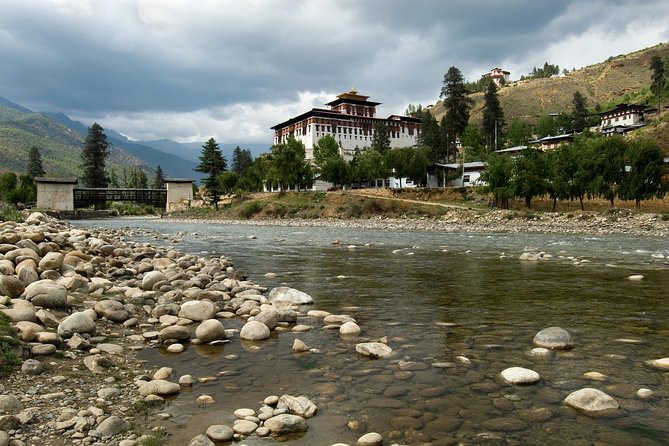
Day 7 is your headline day: Paro Taktsang, also known as Tiger’s Nest Monastery. It’s the unmissable cliffside stop that often becomes the moment people remember most clearly.
The excursion is planned for about 7 hours. That’s your signal that this is the long day, even though the tour is called an easy-hike trip overall. You’ll also make a stop at Drugyel Dzong on the way back—its ruins reflect the strategic watchtower and fortress role it played in repelling Tibetan invasions in the 1600s.
How to handle a long monastery day: treat it like a climb, not a race. Take your time on the ascent, pause whenever your breathing changes, and don’t overcommit to photos if the view is still coming.
Also, because this is Bhutan, the spiritual pauses matter as much as the final destination. The experience isn’t only about reaching the monastery—it’s about how you feel on the way there.
If you’re short on energy: consider using the easiest hike options on earlier days so you arrive at Day 7 with decent stamina.
Value And Inclusions: What You Pay For (And What You Don’t)
At $2,438 for the 8-day package, the key question is what you avoid paying for yourself. The itinerary is designed as a true all-inclusive-style tour on the ground:
- 3-4 star hotel accommodations for the trip duration
- All breakfasts (7), lunches (7), and dinners (7)
- All transfers by excellent car, plus bottled drinking water in the vehicle
- English-speaking tour leader and driver
- Entry and permit coverage, including monument fees worth USD 300
- Private transportation, plus pickup offered (starting from Paro International Airport)
That bundle matters because Bhutan travel has lots of small line items. When they’re handled up front, you can budget mentally with less anxiety.
What’s not included is also clear, and you should plan for it:
- Airfare to and from Bhutan
- Visa fee (USD 40 one time fee)
- Sustainable Development Fund / Daily Tourism Tax
- Travel and medical insurance
- Tips and gratuity, plus personal expenses like laundry and shopping
If you’re weighing value, ask yourself one practical thing: do you want a “walk-up-and-figure-it-out” trip, or do you want someone to keep the whole rhythm moving? This tour’s strength is that it protects your time.
Quick budgeting mindset: treat $2,438 as the on-the-ground package cost, then add your visa and taxes, plus flights.
Fitness Reality Check For Easy Hikes
This trip is described as easy hikes, and the schedule supports that. But your definition of easy still needs to match mountain reality.
Here’s what you can infer from the day plan:
- Several walks are around 1 to 3 hours (like viewpoint hikes and monastery access routes)
- You also get optional routes with different difficulty levels, especially around Dochula and Lamperi
- Day 7 is the big exception: the Tiger’s Nest excursion is about 7 hours
If you’re traveling with knee issues or you get winded at altitude, you’ll want to go slower than you think you need to. Bring good footwear and walk with intention. The tour’s private car support helps you recover between sights, but it can’t eliminate the uphill portions.
My advice: plan for gradual pacing, not marathon energy. You’ll enjoy the stops more when you arrive calm, not puffed.
Who This Tour Fits Best
This is a strong pick if you:
- Want a first Bhutan trip without building a logistics plan
- Like culture with real learning moments (museums, textile training, monasteries)
- Prefer short hikes with options, rather than all-day treks every day
- Want comfort and predictability: hotels, meals, entry fees, and transfers included
It’s also a good match for families and couples because the schedule moves daily, but it’s not built around extreme physical demands. One more plus: the operator’s team culture (based on past guest experiences) includes flexibility around practical needs like diets and personal scheduling.
If you’re an ultra-fast hiker who wants big elevation gains daily, you might find the pace gentler than you prefer. But for most people—this is the kind of trip that feels doable and meaningful.
Should You Book This 8-Day Classic Bhutan Tour?
If you want Bhutan with less stress and more culture-per-day, I’d lean yes. The tour’s best value is the “everything handled” design: hotels, meals, permits, a private car with bottled water, and a guide who explains what you’re looking at.
Book it if:
- You’re excited by Thimphu crafts and museums, Punakha’s dzong, and the serenity of monasteries
- You want easy hikes with options, plus one major highlight day (Tiger’s Nest)
Think twice if:
- You’re not comfortable with long days of walking, especially the 7-hour Tiger’s Nest plan
- You’d rather spend extra days doing fewer stops and resting more
My final nudge: if you show up ready for altitude and steady walking, this tour has the structure that makes Bhutan feel approachable. It’s not trying to be the hardest trip in Bhutan. It’s trying to be the best-organized one.
FAQ
Is airfare to Bhutan included?
No. Airfare to and from Bhutan isn’t included in the tour price.
What does the tour price include?
The package includes all accommodations in 3-4 star hotels, all meals (7 breakfasts, 7 lunches, 7 dinners), monument fees worth USD 300, all necessary permit fees, private transportation in an excellent car with bottled water, and an English-speaking tour leader and driver.
Where does the tour start and when?
The tour starts at Paro International Airport (Airport Road Paro) with pickup offered at 8:30am.
Is this tour private or a shared group?
It’s a private tour/activity, and only your group participates, even though group discounts may apply.
How long are the hiking days, and are they really easy?
The tour is designed for easy hikes, and most travelers can participate. You’ll have a mix of shorter walking segments and one longer excursion day for Tiger’s Nest (about 7 hours).
Do I need to pay for the Bhutan visa?
Yes. The visa fee of USD 40 one time fee is not included.
Are the Sustainable Development Fund or Daily Tourism Tax included?
No. Sustainable Development Fund / Daily Tourism Tax isn’t included.
What happens if weather is poor?
This experience requires good weather. If it’s canceled due to poor weather, you’ll be offered a different date or a full refund.
Can I cancel for a refund?
Yes. You can cancel up to 6 days in advance for a full refund, with partial refunds available if you cancel 2–6 full days before the start time. Changes within 2 days of the start aren’t accepted.