REVIEW · PARO
Best of Bhutan Tour( Culture- Hikes- Short Trek- Monastic Stay)
Book on Viator →Operated by Bhutan Best InBound Tour · Bookable on Viator
Bhutan feels close on this short trip. You get a focused taste of the country’s spirituality and everyday life, with Tiger’s Nest as the headline hike and a local farm-family dinner that turns culture into something you can actually picture. I also liked how the trip runs with real people in your corner, including guides such as Tandin Dorji and drivers like Pema, who make the long drives feel less like transport and more like a guided introduction.
The one potential drawback is physical effort. Some days are longer on foot than you might expect for a “short” trek, including a big climb to Dodedrak and the steady ascent involved in reaching Tiger’s Nest, so plan on being active.
In This Review
- Key Things I’d Highlight Before You Go
- 5 Days From Paro: How This Tour’s Pace Really Works
- Day 1: Tachogang Bridge, Simtokha Dzong, and Thimphu’s Weekend Energy
- Day 2: Pangrizampa Astrology College and the Long Climb to Dodedrak
- Day 3: Morning Prayer at Dodedrak, Dochu La Shrines, and Punakha Dzong
- Day 4: The Tiger’s Nest Morning Hike From Paro
- Day 5: Back to Paro and Airport Drop-Off
- What You’re Really Paying For: Value Behind the Price
- Getting Around Bhutan: Private Transport With a Real Guide
- Monastery Stay Style: What to Expect and How to Prepare
- What to Pack for These Short Treks (Without Overthinking It)
- Should You Book This Bhutan Best of Bhutan Tour?
- FAQ
- Where does the tour start and end?
- How long is the tour and what kind of trip is it?
- What level of fitness do I need?
- Does the tour include transportation and a guide?
- Are meals included?
- Is the visa and Bhutan fees included in the price?
Key Things I’d Highlight Before You Go
- Tiger’s Nest with an early start gives you the best shot at clear views and a calmer feel on the trail
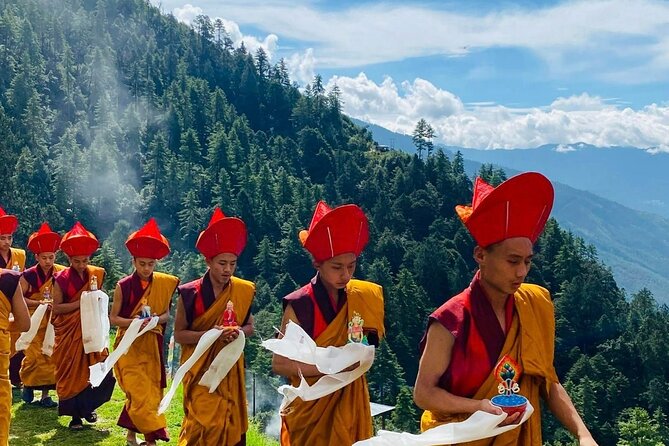
- Dodeydra’s morning prayer is the kind of spiritual moment that’s hard to recreate later with photos
- Quick hikes tied to real locations (bridge, dzongs, temples, monasteries) instead of long bus-only days
- A local farm-family dinner where you’re not just watching culture—you’re sharing it
- Private transport and a guide means you’re not guessing your way through Bhutan’s sacred rules and rhythms
5 Days From Paro: How This Tour’s Pace Really Works
This is a compact Bhutan circuit built around Paro as your base, even though you’ll spend time around Thimphu and Punakha. The rhythm is simple: drive, walk, pause at meaningful places, then repeat with enough structure that you don’t waste daylight searching for the right path.
What makes the pacing work for most people is that the hikes are varied. Some are short and gentle (like temple walks), while others ask for stamina, including longer monastery approaches and a full Tiger’s Nest morning outing. If you’re the type who gets impatient waiting around, you’ll probably appreciate how the schedule stays active.
You can also read our reviews of more tours and experiences in Paro.
Day 1: Tachogang Bridge, Simtokha Dzong, and Thimphu’s Weekend Energy
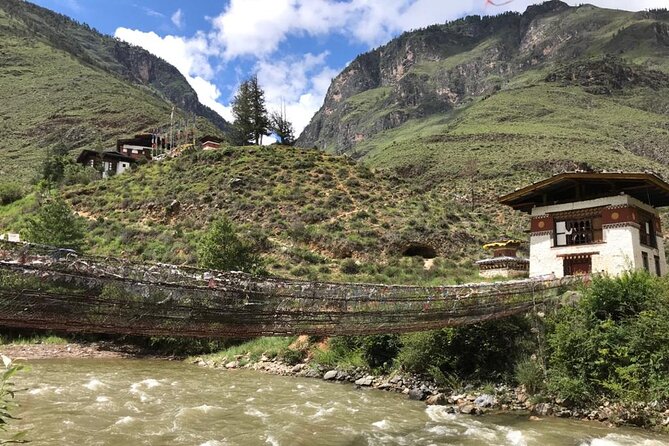
Day 1 starts with the kind of Bhutan moment that feels quiet but instantly memorable: a walk across the Tachogang Lhakhang Bridge over the Paro River, lined with prayer flags. It’s not a headline attraction with big crowds the whole time; it’s more of a “slow step” experience, heading toward a temple and letting the scenery and chants do the work.
After that, you visit Simtokha Dzong, the oldest fortress in Bhutan, perched on a ridge about five miles from Thimphu. This place is strategically placed to overlook the Thimphu Valley, and that view is part of why it mattered historically. The dzong’s central tower has a twelve-sided form, a detail worth noticing instead of rushing past.
Then comes Buddha Dordenma at Kuensel Phodrang, the tall sitting Buddha statue (51.5 meters). The admission is free, but the size is the point—you’ll feel small in a way that’s supposed to be slightly humbling, not scary.
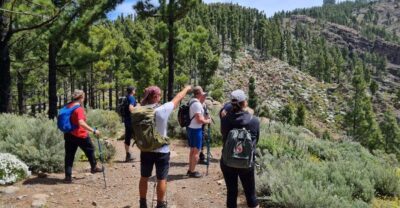
The day stays balanced with a relaxed hike to Wangdi-tse Monastery through pine forest and local apple farms. If you like walking where daily life is visible—trees, gardens, homes—this is one of your best “Bhutan at human scale” moments. You end with the Centenary Farmers Market, a lively weekend market that runs Thursday through Sunday, where you can browse regional vendors and incense and spices.
Consideration: the first day is a lot of stops in one push. It’s not hard-core trekking nonstop, but it’s still an active intro, so I’d treat Day 1 like a “get your legs ready” day.
Day 2: Pangrizampa Astrology College and the Long Climb to Dodedrak
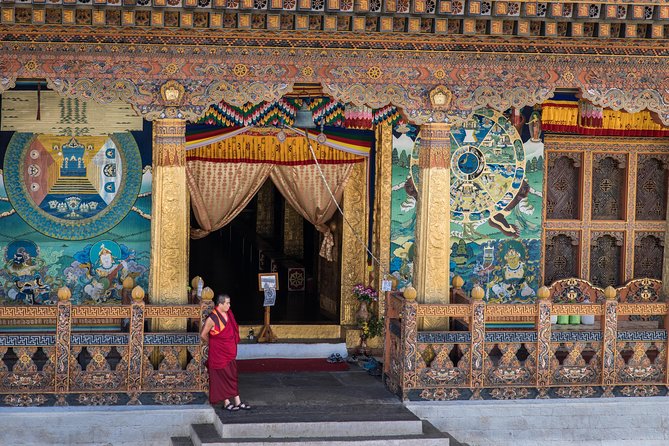
Day 2 is where the trip starts asking more from your shoes. You drive through the countryside toward Pangri Zampa Monastery, including time at the Buddhist College of astrology and the temple of the 21 Tara Devi. This is one of the more interesting culture stops because it connects spiritual life with specific traditions like astrology—less generic sightseeing, more meaningful practice.
Then you head to Dodedrak Buddhist Monastery via a hike up to the sacred hilltop. This one is long—about four hours in the schedule—and it comes with views, but also with that “keep going” mindset as the incline takes over. This is a day for steady pacing, not sprinting ahead for photos.
My practical advice: if you’re someone who gets winded easily, don’t try to match a faster pace. The goal is to arrive without losing your breath so you can actually enjoy the quiet once you get there.
Day 3: Morning Prayer at Dodedrak, Dochu La Shrines, and Punakha Dzong
The big difference on Day 3 is that it starts earlier, so you can experience monastery life at the start of the day. You participate in morning prayer with the monks assembled at Dodedrak. Even if you don’t understand every ritual detail, you’ll feel the rhythm—bells, voices, and a calm structure to the morning that tourism can’t fake.
After prayer, you pause at Dochula Pass on the way to Punakha, at 3,100 meters, marked with 108 Buddhist shrines. If the skies are clear, the high Himalayan peaks toward the north east become visible, and this stop turns into a classic Bhutan “look up and breathe” moment. If skies are cloudy, you still get the shrines and the pause, just with less view.
Next is Chimi Lhakhang Temple, reached via a short walk from Sopsokha Village (about five minutes walk according to the schedule). It’s an easy add-on physically, but culturally it matters because you’re walking through the kind of religious storytelling you see in the paintings along the route.
Then you finish the day at Punakha Dzong, a massive structure where two rivers meet, and a key religious seat that served as Bhutan’s capital until 1955. Punakha Dzong also functions as a winter residence for the central monk body, so this isn’t only a monument—it’s tied to living tradition.
One thing to plan for: Punakha is a long day in terms of “places visited.” You’ll likely want a proper break in the evening so the walking doesn’t catch up with you.
Day 4: The Tiger’s Nest Morning Hike From Paro
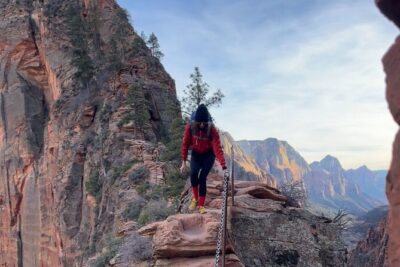
Tiger’s Nest, or Paro Taktsang, is the moment most people come for, and this tour places it on Day 4 with an early morning drive to Paro. Once you start hiking up, the monastery sits on a cliff at about 3,120 meters, and reaching it feels like walking into a postcard that’s finally real.
The scheduled hike time is about four hours. That’s enough time to feel the climb, but it also means you’re not just doing a quick photo sprint and moving on. When you arrive, you get the payoff: the monastery perched above you, and the sense that the site has been calling pilgrims long before the trail had a name on a brochure.
Weather matters here. Bhutan as a country relies on good conditions, and this tour is described as requiring good weather. If conditions are poor, you’ll be offered a different date or a full refund, so don’t book this expecting perfect visibility every day.
Day 5: Back to Paro and Airport Drop-Off
Day 5 is pleasantly simple: you end in Paro and the team drives you to the airport. There’s no last frantic scramble to fit another temple on your final morning, and that’s a real quality-of-life advantage for a short trip.
If you’re the type who hates being rushed at check-out, I’d call this a smart ending. It lets you focus on Bhutan instead of turning the whole trip into logistics.
What You’re Really Paying For: Value Behind the Price
The price is listed at $1,370.00 per person for a 5-day trip with private transportation and guide support. That number is only part of the story because the package includes a lot of Bhutan-specific items.
Included costs cover Bhutan SDF of USD 100 per person and per night, plus Bhutan visa, accommodation, private transportation, guide, taxes, fees, and charges. Meals are also handled: breakfast for all five days, lunch for four days, and dinner for four days. That matters because it removes a big chunk of decision-making from your trip budget.
There’s also a single supplement of USD 300 if you’re traveling alone. If you’re solo, that’s worth factoring into your total before you fall in love with the itinerary. Alcohol and other beverages are not included, which is typical, but it means you should plan to budget for drinks separately if that’s part of how you travel.
My take: this pricing is trying to give you a guided, structured Bhutan experience without the extra stress of arranging visas, transport, and day-by-day logistics yourself. If you want a calm, supported trip with active walking days, it’s likely to feel like good value.
Getting Around Bhutan: Private Transport With a Real Guide
This is a private tour/activity, meaning you travel with your group only—no mixing with strangers mid-day. You also get pickup offered and mobile ticket support, and the meeting point is Paro International Airport Airport Road Paro.
What stood out from the guide-and-driver feedback is how personal the experience felt. I saw named examples like Tandin Dorji as the guide and Pema as the driver, both going beyond the scheduled routine to make the experience smoother. Another note I saw mentioned a guide and driver with the name Tandin Wangchuk, which hints at a consistent, familiar team vibe once you’re in the hands of this operator.
Why this matters: Bhutan travel isn’t just about reaching sites. It’s about moving at the right time, understanding local expectations around sacred spaces, and handling route changes when weather shifts. Private support makes that easier.
Monastery Stay Style: What to Expect and How to Prepare
This trip is built around sacred monasteries and includes a monastic element you’ll feel most strongly on Day 3 with morning prayer at Dodedrak. You’re not just visiting buildings; you’re timing your day to match monastery life.
The experience is also positioned as a monastery stay and home stay style visit, and the feedback I read emphasized that unique combination. Since the schedule details focus on temple time and hikes, I’d treat the lodging component as part of what makes the “stays” feel different from a normal hotel-based tour.
Preparation tip: pack for simple routines—layers, comfortable walking shoes, and a mindset that some days will be quieter and more structured than a typical sightseeing day.
What to Pack for These Short Treks (Without Overthinking It)
Because the tour includes hikes that can stretch from one hour to a longer four-hour climb, you’ll want shoes that are comfortable for sustained walking on uneven ground. Bhutan’s weather can change quickly, and the tour is flagged as requiring good weather, especially for the Tiger’s Nest day.
Bring practical layers for early mornings. Day 3 morning prayer can mean cooler start times, and Day 4 is an early push too. Also, carry water, and plan to take slow breaks—this isn’t a “look good at the summit” kind of hike. It’s a climb meant for arriving and paying attention.
Should You Book This Bhutan Best of Bhutan Tour?
Book it if you want a short Bhutan trip that mixes meaningful sacred stops with walks that don’t feel like a punishment. The most compelling parts for me are the morning prayer experience at Dodedrak and the chance to do Tiger’s Nest as a true hike, not a rushed stop. The farm-family dinner angle also sounds like the kind of cultural contact that’s hard to recreate when you’re only doing viewpoints.
Don’t book it if you’re not comfortable with moderate fitness and longer uphill walking days. Dodedrak’s hike alone is a half-day effort, and Tiger’s Nest also takes real stamina. And if you can’t be flexible with weather—especially for the Tiger’s Nest morning—then you might prefer a trip with fewer weather-sensitive activities.
If you want Bhutan that feels personal, structured, and active, this one fits the bill.
FAQ
Where does the tour start and end?
It starts at Paro International Airport on Airport Road in Paro, Bhutan. The tour ends back at the same meeting point.
How long is the tour and what kind of trip is it?
It’s an approximately 5-day private tour/activity. You travel with only your group.
What level of fitness do I need?
You should have a moderate physical fitness level, since the trip includes hikes and at least one longer climb.
Does the tour include transportation and a guide?
Yes. Bhutan Best Inbound Tour includes private transportation and a guide.
Are meals included?
Yes. Breakfast is included for all 5 days, with lunch included for 4 days and dinner included for 4 days.
Is the visa and Bhutan fees included in the price?
Yes. The package includes Bhutan visa, plus Bhutan SDF (USD 100 per person per night) and other taxes, fees, and charges. Alcohol and other beverages are not included.