REVIEW · ADDIS ABABA
Addis Ababa Monasteries, Wildlife, & Hike Day Trip
Book on GetYourGuide →Operated by Aman Ethiopia Tour & Travel · Bookable on GetYourGuide
Monasteries, bridge views, and monkeys in one day. I love the way this trip packages Debre Libanos (museum + church) with a famous old bridge, all without wasting time. I also like the practical value: you get an English-speaking guide, entrances, water, Ethiopian coffee, and lunch for a set $81.
One thing to consider: there’s walking and uneven ground at the monastery and bridge areas, so it’s not a good fit if you have back problems or mobility issues (and it’s not set up for wheelchair users).
You’ll start with pickup in Addis, then ride north-west about 105 km (roughly 2.5 hours each way) into the countryside. Guides like Abe, Dagi, and Yihun (with Sis alongside them) are the kind who can turn a simple stop into a story—whether that means Ethiopian religious history or early human history connections—while George handles the drive with patience when traffic gets tricky.
In This Review
- Key highlights I’d plan around
- A full day outside Addis: Debre Libanos to the Portuguese Bridge
- Debre Libanos Monastery: museum, founder’s tomb, and stained glass
- Portuguese Bridge (16th century): a scenic detour with a wildlife chance
- Jemma River gorge lunch: where the day slows down
- The drive from Addis Ababa: 105 km, 2.5 hours, and real countryside
- Guide quality is the real value booster
- Price and what you truly get for $81
- What to bring (and what to expect on the ground)
- Who should book this day trip—and who should skip it
- Should you book this tour?
- FAQ
- How far is Debre Libanos from Addis Ababa?
- What’s included in the tour price?
- Where do we stop for lunch?
- Is there a chance to see gelada (Chelada) monkeys?
- Is the tour good for people with mobility problems?
- What should I bring for the day trip?
Key highlights I’d plan around
- Debre Libanos museum walkthrough with old Bible books, religious crosses, garments, and monastery-used materials
- Stained-glass church windows plus the tomb of monastery founder Saint Tekle Haymanot
- Portuguese Bridge from the 16th century set against dramatic Jemma area scenery
- Gelada (Chelada) monkey chance in the bridge-area region if you’re lucky
- Lunch by the Jemma River gorge, with water and Ethiopian coffee included
- Countryside extras on the return drive: birds, traditional huts, and farm lands
A full day outside Addis: Debre Libanos to the Portuguese Bridge
This is the kind of trip that makes Addis feel like a launchpad, not the whole vacation. You’ll leave the city early enough to see real countryside, hit one major monastery site, then finish with the Portuguese Bridge area and a sit-down lunch by the Jemma River gorge.
The itinerary is paced for a day trip, not a marathon: museum and church first, then the bridge area, then lunch, then the return. It also helps that the day has guided context throughout, so you’re not just sightseeing—you’re learning what you’re looking at.
Debre Libanos Monastery: museum, founder’s tomb, and stained glass
Debre Libanos is one of Ethiopia’s respected monastery sites, founded in the 13th century by Saint Tekle Haymanot. The visit starts with a museum section that focuses on the monastery’s past life: you’ll see ancient Bible books, religious crosses, clothes, and traditional materials that were used within the monastery over time.
What I like about starting here is that it gives you a map for your eyes. When you then move into the church internal areas, details like the founder’s tomb and the stained-glass windows land with more meaning than if you went straight to the church first.
Inside the church, the standout is the tomb of Saint Tekle Haymanot and the stained-glass windows. Even if church architecture isn’t usually your thing, stained glass tends to slow you down, and it fits the monastery’s blend of devotion and history.
Practical tip: wear comfortable shoes. This isn’t described as a soft, flat stroll, and monastery interiors and grounds usually involve some uneven walking and steps.
Portuguese Bridge (16th century): a scenic detour with a wildlife chance
After Debre Libanos, you’ll head to the Portuguese Bridge built during the 16th century. The bridge is the main reason many people remember this day, not just because it’s old, but because you also get big views from the surrounding area while you’re there.
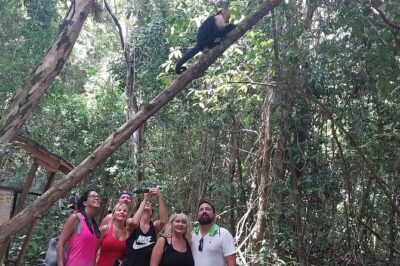
Then comes the wildlife moment. If you’re lucky, you might spot the Ethiopian endemic Gelada monkey (often called Chelada in descriptions). The chance isn’t promised, but it’s built into the visit timing and location, and the payoff can be excellent when you catch them in the right area.
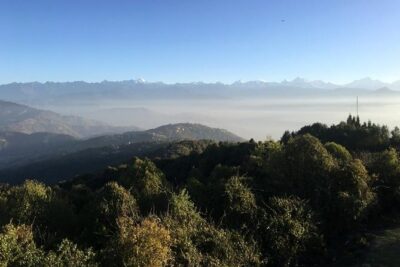
This is also a good stop for photos and just standing still for a minute. A bridge in a rural valley setting changes your sense of distance—you realize how far you’ve traveled from Addis without it feeling like a long, exhausting trip.
Jemma River gorge lunch: where the day slows down
Lunch is served in front of a beautiful Jemma River gorge, which is a nice change from “lunch in a parking lot.” You’ll eat in a spot that gives you constant scenery—enough to make you linger, but not so much that the meal becomes a rushed stop.
Included with lunch is water and Ethiopian coffee. If you’re the type who forgets to plan around caffeine, this is a win: you’re covered for a mid-day break without extra expense.
One review included the fun detail that the group even did some shoulder dancing after lunch. That’s not the main point of the day, but it captures the vibe: it’s not stiff or overly formal. If your guide is in a playful mood, don’t be surprised if you end up grinning more than you expected.
The drive from Addis Ababa: 105 km, 2.5 hours, and real countryside
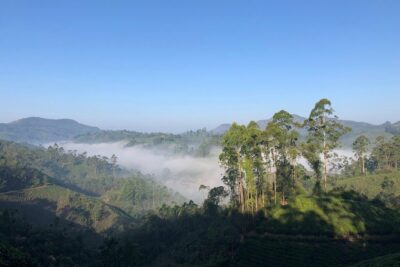
Getting there takes about two and a half hours of scenic driving, covering 105 km north-west of Addis Ababa. On the ride, you may spot birds, traditional Ethiopian huts, and farm lands—small glimpses that make the day feel more grounded than a straight-to-the-sights tour.
A detail worth noting: there’s traffic to manage, especially on the way out and back. George, one of the drivers, was praised for being patient and handling challenging traffic well—so you can focus on the view instead of white-knuckling the route.
What this means for you: you should treat the day as a “window out of Addis” experience. If you’re hoping for a fast, stop-every-10-minutes sightseeing day, this won’t match that. If you want one high-impact monastery visit plus an iconic bridge stop, it fits nicely.
Guide quality is the real value booster
This is a guided day trip, and the guides are a big part of why people feel it’s worth it. You’ll have a professional English-speaking guide, and several guides stood out for doing more than reciting facts.
Abe was praised for connecting early human history with Ethiopian religious history—so you walk away with ideas, not just dates. Yihun and Sis got specific about the sites with fun anecdotes that kept the day from feeling like a lecture. Dagi and George were also highlighted for balancing thoughtful guiding with smooth driving.
For you, that matters because it turns Debre Libanos from a pretty church-and-museum stop into a story you can actually follow. It also makes the Portuguese Bridge area better, since the guide can point out what you’re likely seeing and why that place mattered when it was built.
Price and what you truly get for $81
At $81 per person, the big question is whether this is a “cheap but rushed” day or a “fair price with the right inclusions.” Here, the pricing looks reasonable because several costs are folded in: all entrance fees, a professional English-speaking guide, car with a professional driver, water, Ethiopian coffee, and lunch.
You’re also getting two structured main locations—Debre Libanos and the Portuguese Bridge—plus the Jemma River gorge meal. With included entrances and guide time, you’re not doing the math for each site while you’re on the move.
Could it be more expensive if everything were separate? Almost certainly. The value is that you pay once and then spend the day focused on the sights. Several comments pointed to the quality of the experience for the price and said it felt well-paced.
So my advice: if you want a low-stress day with real cultural stops and a chance at Gelada monkeys, this price level makes sense. If you’re trying to minimize all costs and you’re comfortable arranging your own transport, you could theoretically DIY parts—but you’d lose the guided interpretation that makes these stops click.
What to bring (and what to expect on the ground)
The essentials are straightforward:
- Passport or ID card
- Comfortable shoes
- Comfortable clothes
Plan your footwear assuming some walking on monastery and bridge grounds. The trip isn’t described as suitable for wheelchair users, and it specifically mentions it’s not suitable for people with back problems or mobility impairments, so I’d treat the route as “active enough” that you should move carefully.
Also expect a full day. The core structure is driving, then museum and church, then Portuguese Bridge, then lunch, then return. You’ll feel the day start to end, but it won’t feel like a long overnight trip either.
Who should book this day trip—and who should skip it
This works best for you if:
- You want a balanced day with culture, a historical site, and a wildlife chance
- You like guides who explain what you’re seeing (not just the quickest photo stops)
- You’re short on time in Addis but still want a real taste of Ethiopia beyond the city
You might skip it if:
- You have back issues or mobility limitations, since the trip isn’t suitable and includes walking on uneven ground
- You need wheelchair accessibility, because it isn’t set up for that
If you’re traveling as a couple, with friends, or solo, it also makes sense because the day structure is clear and the inclusions reduce decision fatigue. You show up, you get picked up, you follow the plan, and you end with a meal and a view.
Should you book this tour?
If you want one day that feels like you actually left Addis—Debre Libanos first, Portuguese Bridge next, lunch at the Jemma gorge in between—then yes, I’d book it. The strong point is the combination: historical monastery context, stained-glass beauty, an iconic 16th-century bridge, and a genuine shot at seeing gelada monkeys.
I’d especially recommend it if you care about storytelling and context. The guides named across the experience didn’t just guide you around; they explained the connections so you could understand why these places matter.
Just be honest with yourself about walking comfort. If you can handle some uneven ground, this is a strong value day at $81 with included entrances, coffee, and lunch.
FAQ
How far is Debre Libanos from Addis Ababa?
It’s about 105 km north-west of Addis Ababa, and the drive takes around two and a half hours.
What’s included in the tour price?
The tour includes hotel or airport pickup in Addis Ababa, a professional English-speaking guide, a car with a professional driver, all entrance fees, water and Ethiopian coffee, and lunch.
Where do we stop for lunch?
Lunch is served in front of the Jemma River gorge after the Portuguese Bridge visit.
Is there a chance to see gelada (Chelada) monkeys?
Yes, there’s a chance to see the Ethiopian endemic gelada monkey around the Portuguese Bridge area, if you’re lucky.
Is the tour good for people with mobility problems?
No. It’s listed as not suitable for people with back problems, mobility impairments, or wheelchair users.
What should I bring for the day trip?
Bring your passport or ID card, comfortable shoes, and comfortable clothes.