REVIEW · MENDOZA
Andes Day Hiking Tour Experience
Book on Viator →Operated by Andes Vertical · Bookable on Viator
A summit day in Mendoza can change your pace. I love the Lomas Blancas high-altitude challenge and the bilingual guide that helps you make sense of what you’re seeing. Just know the ascent feels “moderate,” but the downhill can be a knee-and-slip test on loose gravel.
This is a full 8-hour outing that starts at 9:00am and stays group-friendly (up to 8 hikers). You get round-trip private transport from your hotel in Mendoza town, plus trekking poles, so you’re not scrambling for gear or directions.
The altitude is the big consideration: you’ll be up around 3,650 meters, so you’ll want a moderate fitness level and smart pacing. If you’re hoping for an easy walk with lots of lounging, this won’t be it.
In This Review
- Key highlights worth knowing
- Andes Day Hiking Tour: How the day actually plays out
- Getting started in Mendoza: 9:00am pickup and private transport
- Trek prep: what you should bring (and what not to bring)
- The hike to Lomas Blancas: the climb, the rhythm, the payoff
- A note on altitude pace
- Nature education on the trail: flora, fauna, and real-world context
- The downhill reality: why your knees should get an opinion
- When the group pace splits: how the guide handles it
- Weather, layers, and what views you’re really buying
- Small group energy: max 8 hikers and a real sense of day-trip teamwork
- Price and value: is $190 worth a summit day?
- Who should book this (and who might reconsider)
- Should you book the Andes Lomas Blancas day hike?
- FAQ
- FAQ
- How long is the Andes day hiking tour?
- Where does the tour take place?
- What time does the tour start?
- Is hotel pickup included?
- Are walking poles included?
- Is lunch included?
- What kind of fitness level do I need?
- How big is the group?
- What should I pack for the hike?
Key highlights worth knowing
- Lomas Blancas summit day in the Cordon de la Plata for an Andes “big view” hit in one go
- Private round-trip transport from your Mendoza hotel, with a small-group feel (max 8)
- Bilingual guide support, including nature talk on local flora and fauna
- Walking poles included, which matter on uneven ground
- Wildlife spotting is part of the day (guanacos, and even a llama in one account)
- Summit views + valley views, including the Poterillos area in good conditions
Andes Day Hiking Tour: How the day actually plays out
This is a classic “summit-with-confidence” Mendoza outing: you’re picked up in town, driven out toward the mountains, then you hike your way up to Mt Lomas Blancas (3,650m / 11,975 ft) in the Cordon de la Plata range. The goal is simple—get you to a real high point of the Andes in one day, without needing multi-day logistics.
I like that the tour feels purposeful rather than long-and-lazy. Your guide keeps you moving, breaks up the effort with practical rests, and helps you focus on the trail and the scenery at the same time.
The part to respect is the descent. One review nailed it: the going down can be tough on knees and balance because the trail can be loose and gravelly. If your knees hate steep stairs, bring that same caution here—and take your time.
Getting started in Mendoza: 9:00am pickup and private transport
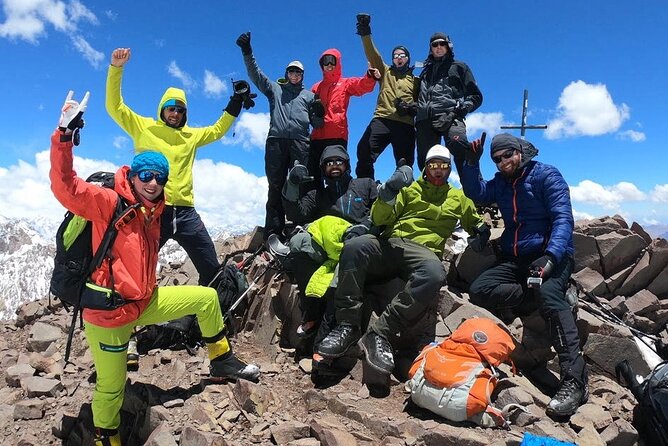
The day begins at 9:00am, and you’ll have round-trip private transportation from your hotel in Mendoza town. That matters more than it sounds. It reduces stress in a place where you don’t want to waste half a morning figuring out roads and meeting points.
Your group is small (maximum 8 travelers), which usually means you’ll spend more of the day hiking and less time waiting around. One account specifically praised punctual pickup and smooth communication, which is exactly what you want before a mountain day.
You also get walking poles included. If you’ve never used poles on steep terrain, you’ll appreciate them right away—especially on the downhill where they help take pressure off your knees.
Trek prep: what you should bring (and what not to bring)
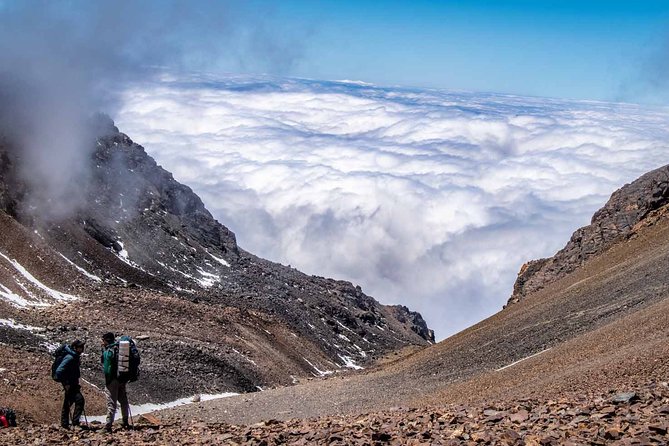
You don’t need to overpack, but you do need the basics. The tour recommendation list is clear: bring a fleece jacket, a waterproof or windproof jacket, trekking pants, a sun hat, and a wool or fleece hat. Sun and wind at altitude can surprise you, even when the day looks calm from town.
Footwear matters because the hike can involve stream crossings. In one account, the advice was straightforward: don’t wear trainers for this kind of terrain. Bring trekking boots or sturdy hiking footwear with grip.
Hydration and capacity are also part of the recipe:
- Bring 2 liters of water
- Keep your backpack to a maximum of 20K (20 liters max)
And yes, sunglasses with 100% UV protection are worth it. At elevation, brightness and glare can turn “fine” into “miserable” faster than you expect.
The hike to Lomas Blancas: the climb, the rhythm, the payoff
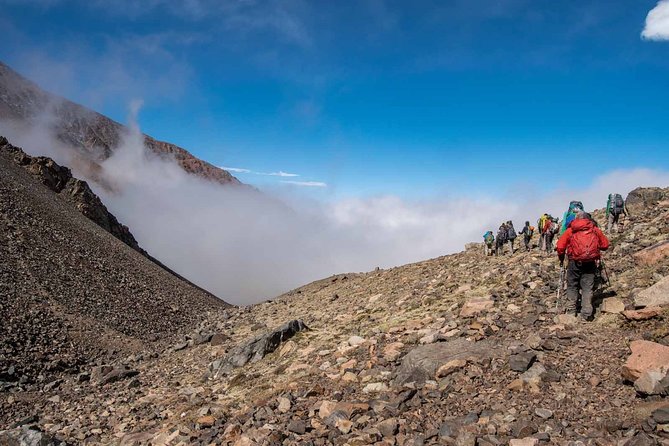
The heart of the experience is your full-day trek to Mt Lomas Blancas in the Cordon del Plata. The height is the headline: 3,650 meters is not a gentle stroll, even if the hike is described as moderate-to-difficult depending on pace and conditions.
Going up tends to feel steady rather than technical. Reviews described it as moderate with no precipices, which helps you relax and focus on rhythm. In plain terms: keep a consistent pace, breathe, and let the mountain do its thing.
Your guide is part climbing coach, part educator. Expect nature talk on regional flora and fauna as you go, and keep your eyes open for wildlife. One account reported spotting guanacos while moving through the area—proof that you’re not just trudging through rocks; the landscape is alive.
Along the climb, you’ll take photos and have brief stops for water or small snacks. One review also noted how the guide reminded the group not to stop too long, because the goal is reaching the summit. That’s useful guidance if you’re someone who naturally lingers at every view.
A note on altitude pace
One standout story involved a 59-year-old hiker with little high-altitude trekking experience, and the group still made the summit. The takeaway: you don’t need to be an elite athlete, but you do need to pace yourself and listen to your body. If you feel behind, say something early rather than waiting until you’re exhausted.
Nature education on the trail: flora, fauna, and real-world context
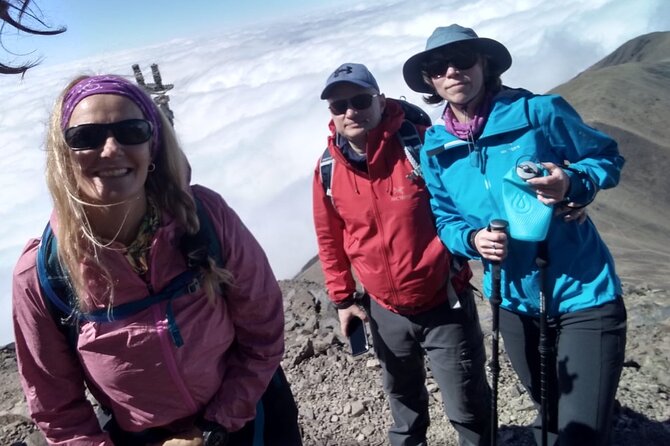
The tour isn’t just about putting a checkmark on a peak. You’re on a mountain day that’s also a field lesson in the Andes.
Guides are set up to explain what you’re walking through—particularly flora and fauna in the regional ecosystem. That makes the hike more satisfying because you start recognizing patterns rather than only seeing “mountains.”
Wildlife sightings add extra meaning. In one account, besides guanacos, the hiker also saw a llama that wandered in after napping, plus grazing cows and impressive birds. Even if you don’t see the same animals, you’ll likely notice how pastoral the area can feel at moments, with life moving around you while you hike.
The downhill reality: why your knees should get an opinion
If the ascent is the test, the descent is the aftermath. Multiple details in feedback point to the same issue: descending can be tough on knees, and footing can get slippery when the trail turns into loose, gravelly stones.
This is where walking poles pay for themselves. Use them like a “fourth limb,” plant them early, and shorten your steps. Don’t try to win the downhill. You’re not racing; you’re returning safely while your legs are already fatigued.
If you have knee sensitivity, consider leaning into a slower pace from the start. You’ll feel it less at the bottom because you’ll arrive with more “usable” energy.
When the group pace splits: how the guide handles it
On this kind of mountain hike, groups rarely move at exactly one speed. One review described a professional moment where the guide recognized that two hikers were already struggling and suggested a plan: the faster hikers would continue toward the peak while the slower hikers waited on a plateau. The guide could still keep an eye on them, and then the plan came together so everyone stayed content and safe.
That’s a good sign. It suggests the tour can adapt without turning chaotic. It also highlights your role: if you’re struggling, speak up early. Guides can only help if they understand where you’re at.
At the same time, not every experience will feel identical. One review mentioned the guide occasionally lapsed in providing extra help on the more difficult stretches. I’d read that as a reminder to take responsibility for your own pace, especially on the roughest bits. If you need more check-ins, ask for them.
Weather, layers, and what views you’re really buying
The Andes can be bright and sharp even when conditions feel comfortable. One account praised perfect weather—sunny, not too hot—but still recommended layers, which is sound advice. Pack for temperature swings: start cool, warm up as you climb, then cool down when you stop near higher points.
The payoff is dramatic views of peaks and valleys from the summit area. You’ll also get wide-open scenery on the way to the starting point as the drive approaches the trail. One reviewer said even the drive scenery would have been worth it, which is a nice reality check: you’re enjoying more than just the summit photo.
Some routes offer views that include the Poterillos dam in the valley. You can’t guarantee it without conditions, but it’s a good example of the kind of “big picture” geography you may see during descent and from scenic points along the way.
Small group energy: max 8 hikers and a real sense of day-trip teamwork
This isn’t a huge bus-and-trample kind of tour. With a maximum of 8 travelers, the hike tends to feel like a shared effort rather than an assembly line.
A review also noted they picked up additional people on the way, keeping the group small overall (with just four hikers plus the guide in that account). That supports the idea that your day won’t feel crowded even if the van isn’t empty at departure.
Guides can shape that vibe. One guide highlighted was Augustine, described as friendly, chatty, and responsible, with interesting facts shared along the drive and hike. Another name that came up was Cristina, who was praised for conducting the trek well even with wind.
Price and value: is $190 worth a summit day?
At $190 per person, the key value question is: what’s included, and what does that replace for you?
You’re getting:
- Round-trip private transportation from your Mendoza hotel
- A professional bilingual guide
- Walking poles
- Admission ticket included
- About 8 hours in the mountains
You’re not getting:
- Lunch
- Personal gear (obviously)
- Insurance or medical/evacuation coverage
For many people, $190 makes sense because it buys you three real things: convenience (pickup/return), safety structure (guided route and pace management), and gear help (poles). It’s also not a “multi-day trek” price, so you can do a peak day without committing to days of lodging and meals.
If you already know exactly what trail you want and you’re comfortable organizing transport and guide instruction yourself, you could argue for doing it independently. But if you want an easier-to-plan, one-day Andes summit with a guide who explains the environment, this feels like reasonable value.
Who should book this (and who might reconsider)
This tour fits best if you:
- Want a day-trip Andes summit rather than a multi-day expedition
- Are comfortable with moderate physical fitness
- Want guidance on pacing and mountain trail realities
- Enjoy learning about the environment (flora/fauna) while hiking
It might not be the best fit if you:
- Want a flat or easy hike with minimal downhill strain
- Have major knee issues without a plan for careful descent
- Expect lunch to be provided or don’t want to handle food on your own
Because the hike reaches around 3,650m, it’s also a good idea to be honest about altitude experience. You don’t need to be fearless, but you do need to be sensible.
Should you book the Andes Lomas Blancas day hike?
I’d book it if you want a guided, no-fuss Andes summit day with private pickup, a small group, and a real sense of achievement from climbing to Lomas Blancas. The guide team and the practical mountain setup (including poles) make it easier to focus on the hike and the views.
I’d hesitate only if your knees are your weak link or you strongly dislike steep downhill on loose gravel. In that case, you can still go—but plan your footwear, poles use, and pacing carefully, and don’t treat the descent like an afterthought.
FAQ
FAQ
How long is the Andes day hiking tour?
It’s about 8 hours total.
Where does the tour take place?
The hike is in the Mendoza area in Argentina, on Mt Lomas Blancas in the Cordon de la Plata mountain range.
What time does the tour start?
The start time is 9:00am.
Is hotel pickup included?
Yes. You get round-trip private transportation from your hotel in Mendoza town.
Are walking poles included?
Yes. Walking poles are included with the tour.
Is lunch included?
No, lunch isn’t included.
What kind of fitness level do I need?
The tour recommends a moderate physical fitness level.
How big is the group?
The maximum group size is 8 travelers.
What should I pack for the hike?
Bring fleece plus waterproof/windproof layers, trekking pants, a sun hat and wool/fleece hat, UV sunglasses, trekking boots or hiking footwear, a 2-liter water bottle, and a backpack up to 20K.