REVIEW · GIFU PREFECTURE
Magome & Tsumago Nakasendo Trail Day Hike with Government-Licensed Guide
Book on Viator →Operated by Japan Guide Agency · Bookable on Viator
Two villages, one old road. The Magome & Tsumago Nakasendo Trail day hike feels like stepping onto a working page of history, guided by a licensed local who helps you read what you’re seeing. I like that it’s paced for real people, not just fast hikers, and that the route is short enough to fit into a travel day.
I especially like the easy 8 km walk plus time to actually look around in both towns. You get about two hours in Magome-juku and about two hours in Tsumago-juku, and those key historic village stops are free to enter.
The main consideration is simple: transport costs aren’t included, and you’re asked to bring cash for public transit fares. It’s not hard, but you do need to plan it.
In This Review
- Key things to know before you go
- Entering Magome-juku: stone paths, shops, and valley views
- The Nakasendo Trail stretch: an easy hike that still feels like a journey
- Tsumago-juku: flat streets, preserved houses, and the quiet feel
- How the guides turn a walk into real understanding
- Food stops that feel natural, not forced
- Price and what $155.22 really buys you
- Timing, transport, and how to avoid a day that feels rushed
- When to go: winter is out, and the rest is your choice
- Who should book this Magome to Tsumago hike?
- Should you book it?
Key things to know before you go
- Licensed English-speaking guide who explains what matters, before and during the walk
- Easy route length (about 8 km / 5 miles) that still feels like a real hike
- Two full village blocks with time for views, shops, and historic buildings
- Cash required for public transportation because transit costs add up
- Private tour for your group only, so you are not squeezed into a big crowd
- Seasonal limits: not available from December through the end of February due to icy conditions
Entering Magome-juku: stone paths, shops, and valley views
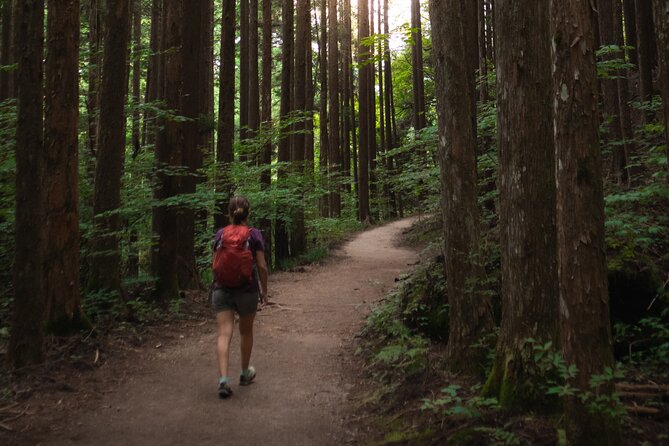
Magome-juku and Tsumago-juku are two of the best-known post towns on the Nakasendo Trail. What I like about doing them as a guided walk is that your guide helps you notice the details that make each place feel different, even though both served travelers moving along the same old route.
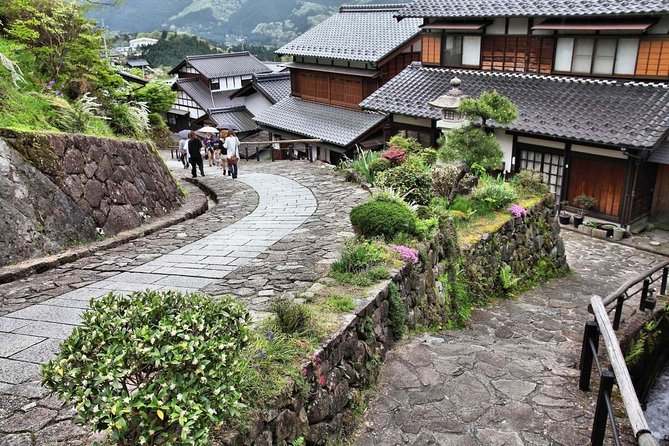
Magome has a broad stone walkway lined with trees, with traditional houses and small craft shops along the way. There’s also a real sense of slope here, which means you’re not just walking on a flat postcard. You gain small bursts of valley views as the village climbs, and those viewpoints can be the payoff on days when you’re tempted to rush.
Plan for two kinds of Magome time. If you want calm and atmosphere, head toward the top of the village for a drink or something to eat and then linger over the scenery. If you’d rather mix more with daily life, go lower down too, where you’re closer to locals and the village energy is more immediate. You’ll also find small museums that cover the town’s history and the artists who lived there, plus exhibits that make sense of how people lived and worked in this area.
A small but practical point: the stone streets can feel a bit uneven. The walk is rated easy overall, but you’ll still do better if you wear shoes with solid grip, especially if the weather is damp.
The Nakasendo Trail stretch: an easy hike that still feels like a journey
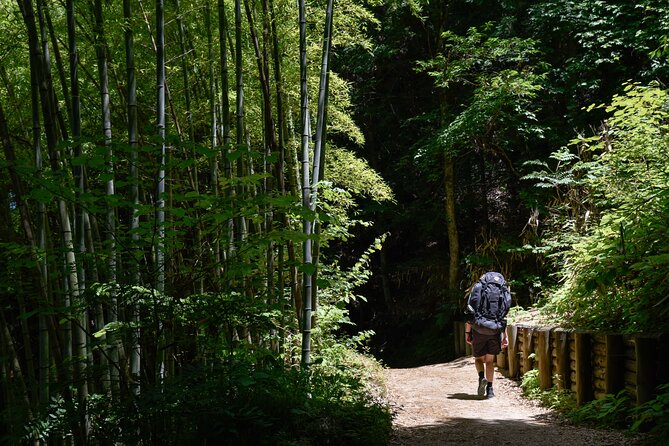
The whole day clocks in around 6 hours (approx.), and the hike itself is about 5 miles (8 km). That’s a sweet spot. You get to move enough to feel satisfied, but you’re not signing up for a “whole day is walking” situation.
The trail portion between the towns is the reason to book this instead of just visiting one village. This section lets you feel the rhythm of the Nakasendo line—going from preserved streets into the open air, then returning to history as you arrive again. In other words, the hike is not filler. It’s the bridge that turns Magome and Tsumago into one continuous story.
Most people can handle an 8 km day, but the real question is how you like to travel. If you prefer breaks and photo stops, this tour style works well because your guide is there to keep things flowing without rushing you. If you’re the type who hates stopping, you might find the slower pace of old-town exploration less fun than a straight hike—but the tradeoff is you don’t miss what’s the point of this route.
One lesson I’d take from past guests: match your pace early. A review pointed out that guides should consider the walking speed of everyone in the group. So if you want extra pauses, say so from the start. It’s your day, and a good guide will adjust.
Tsumago-juku: flat streets, preserved houses, and the quiet feel
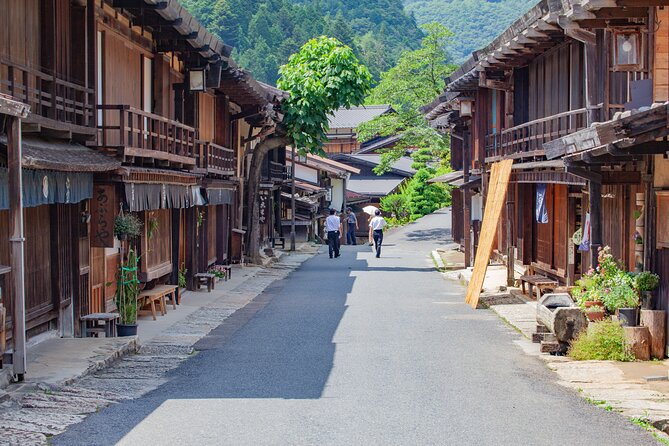
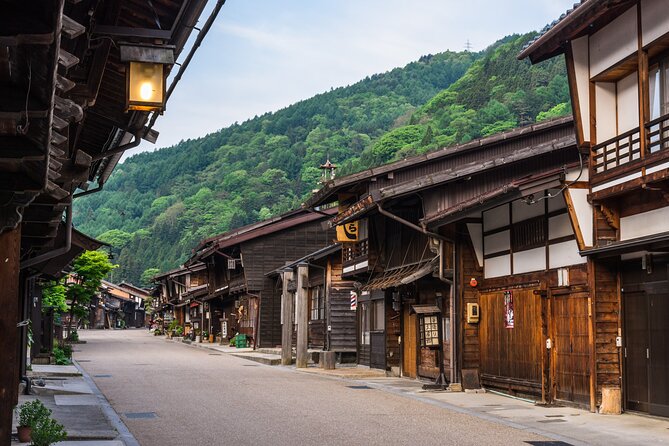
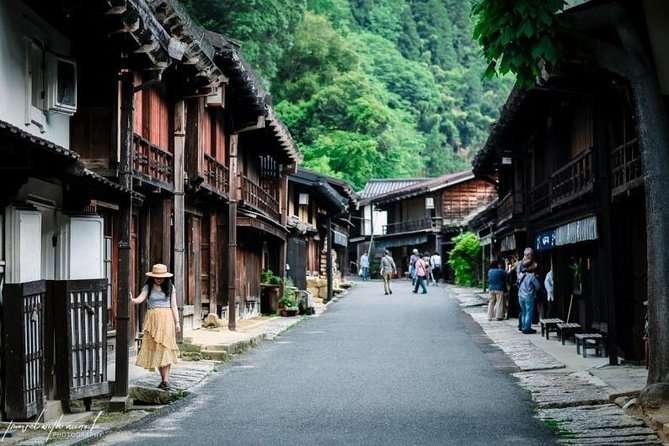
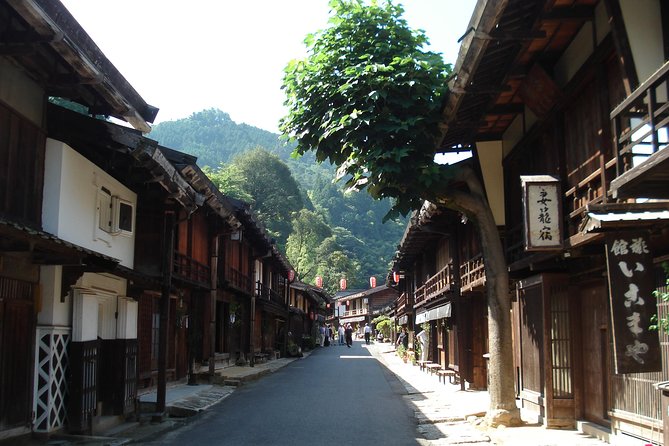
If Magome is the climb and the outlook, Tsumago is the stillness. Tsumago is almost flat, and the town feels charming in a quieter, time-locked way. What really sells it is the way preservation is handled.
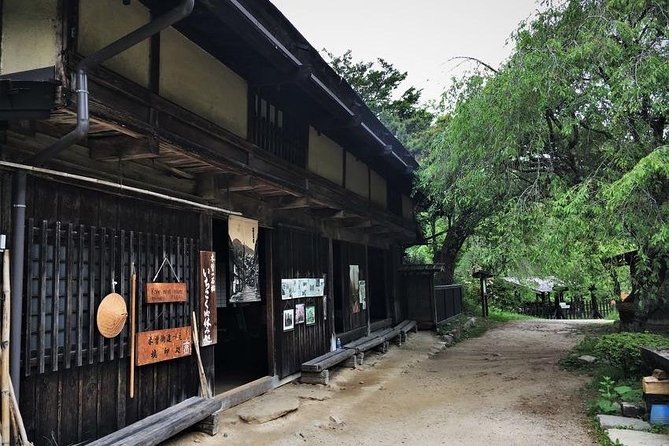
The village keeps unpaved streets and even hides modern wiring with careful planning, so the streets feel older than you expect in the middle of modern Japan. You’ll spot traditional houses, including the inn buildings that mattered to merchants traveling this route.
Two names are worth holding onto as you walk:
- Honjin: the primary inn that welcomed merchants on the Nakasendo
- Wakihonjin: the secondary inn
There’s also the old notice board where official decrees from the Shogun were posted, and a Buddhist temple built during the 16th century. Those landmarks help you understand Tsumago not just as a pretty place, but as a functioning stop that had rules, services, and daily rhythm.
Tsumago can be even more magical at night, when lanterns are lit and the streets feel hushed. You may not catch the full nighttime vibe on a typical day timetable, but the point stands: even in daylight, this town has a calm that’s different from most “theme-history” sites. It feels like you’re walking through preserved everyday space rather than just museum exhibits.
How the guides turn a walk into real understanding
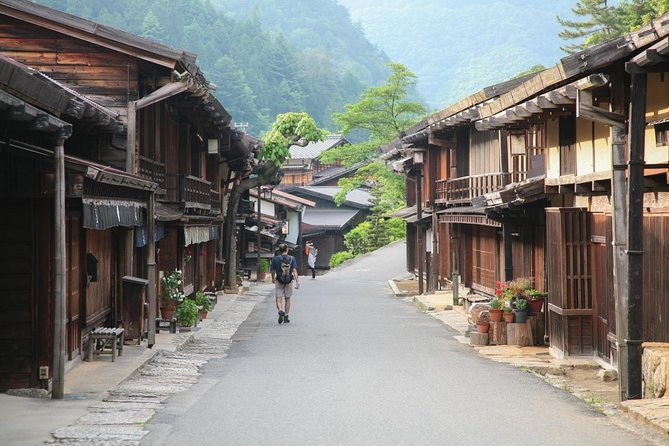
A huge part of the value here is the licensed local English-speaking guide. The best part isn’t just knowing dates. It’s learning why these towns were built the way they were and what travelers needed from them.
In the reviews tied to this experience, guides came up again and again for pre-walk context and on-the-spot explanations. For example, Hiroshi stood out for giving history before the route so you start walking with real understanding. Another guide, Elvis, helped people navigate the hike and experience the countryside more confidently.
Matt (Enomoto Masatake) was praised for being enthusiastic and responsive, including customizing the day. One guest described how he arranged a soba lunch and helped with a visit to the waki-honji (waki-honjin) area, turning downtime into another history moment. Yumi was described as bubbly and patient, explaining key points step by step.
One practical takeaway: this tour works well when you engage. If you ask small questions—What is this building? Why is the street laid out like this? What did travelers do here?—you’ll get more out of it than if you just follow along. That’s true of any guided day, but it matters even more on a route where details hide in plain sight.
Food stops that feel natural, not forced
You won’t see lunch as a fixed included item. What you will see is that the route passes through places where eating makes sense, and your guide can help you plan it.
In reviews, guests mentioned guides arranging a soba lunch stop and also finding a bento meal at an old public tea house. That’s the sweet spot: food that fits the day, with a local feel, without the stress of figuring out what’s open or where to go when you’re on a schedule.
If you like to keep control, you can also eat on your own. In Magome, there are restaurants where you can grab a drink or something to eat while enjoying views. In Tsumago, the town’s preserved atmosphere makes even a simple snack feel like part of the experience.
Either way, do yourself a favor and pace your hunger. Don’t arrive ravenous. You’ll enjoy the history stops more if you snack lightly and save the real meal for a natural break.
Price and what $155.22 really buys you
At $155.22 per person for a roughly six-hour experience, this isn’t a budget “walk with a map” kind of deal. You’re paying for two things: a guide and reduced stress.
First, the guide is government-licensed, locally based, and delivered in English. That matters because the Nakasendo towns reward attention. Without guidance, it’s easy to miss why Honjin and Wakihonjin matter, or to walk past details like notice boards and building styles without understanding their role for travelers on the route.
Second, the tour saves you from sorting out how to move between stops smoothly. The tour is private for your group, so you’re not waiting on a large bus schedule or getting swept into a crowd’s pace. You also get a clear time structure: roughly two hours in each village plus time for the walk.
What’s not included keeps the total from feeling inflated: transport fares, entrance fees (but the main village admissions described here are free), lunch, and personal expenses. The one place you must plan ahead is transit cost. You’ll want cash ready for public transportation, since you’re specifically told to bring it.
If you love history and want the route explained as you go, the price starts to feel like value. If you’re the type who prefers strict self-guided travel with a guidebook only, you might decide to do it independently. But if you’d rather not gamble on navigation and timing, this guided format is a smart trade.
Timing, transport, and how to avoid a day that feels rushed
This is a walking tour, and you meet your guide on foot at a designated meeting point. The good news is it’s near public transportation, so you’re not dealing with complicated car logistics. The not-so-fun news is that transport fees are not included, and you should bring cash for those public transport costs.
Because the experience is about six hours, think of it as a half-day plan with two anchor blocks. You’re not just “checking off towns.” You’re exploring them at a walking pace that lets you stop for views, museums, and quiet street time.
Also, pay attention to seasonal availability. The tour is not offered from December until the end of February due to icy conditions. That matters because it’s not just “winter weather might be bad.” This is an outright seasonal gap, so plan alternative dates or pick another product if your trip falls in that window.
One more timing note that can help: this experience is often booked about 75 days in advance on average. If your dates are fixed, don’t wait until the last minute.
When to go: winter is out, and the rest is your choice
For this route, you’re choosing a season that fits outdoor comfort and old-town atmosphere. The walking is easy, but icy conditions can ruin even a simple stone path, which is why the tour shuts down from December through the end of February.
Past tours also picked up strong seasonal moments. One guest noted seeing cherry blossoms during their walk, which is the kind of bonus that can make the day feel extra special without changing the core value. In autumn, another person mentioned autumn leaves at peak, plus quiet details like dried persimmons hanging in front of houses.
So the best time is really when the air feels good for walking and when you’ll enjoy the village streets visually. Spring and fall are popular for a reason: mild temperatures and strong “wow” scenery around the preserved streets and valley outlooks.
Who should book this Magome to Tsumago hike?
This is a great match if you:
- want a short day hike that still includes real exploration time
- care about Japanese history and want it explained as you walk, not after
- prefer not to figure out transit and navigation on your own
- like the idea of a private tour where your guide can adjust the flow for your group
It’s also a solid choice for couples and solo travelers who want a confident, guided day. Reviews highlighted how guests felt the walk was elevated by the guide, including arranging food stops like soba or bento and building in practical stops without turning the day into a checklist.
If you’re traveling with someone who walks slowly, tell the guide early that you’d like to keep a steady group pace. A review pointed out that guide pacing should consider the last person, and you’ll have a better day if the goal is comfort for everyone.
If you’re only interested in one town or you want to do everything fast, then this may feel like more structure than you need. But if you want the route to make sense as a whole, it’s hard to beat.
Should you book it?
Yes, I’d book it if you want a guided, easy hike that gives you two preserved post towns with actual context and time to enjoy them. The price works best when you value the guide’s explanations and the reduced stress of transit planning.
I’d think twice only if you strongly prefer self-guided travel and you don’t want to handle cash-based public transport costs. Also, if you’re visiting between December and the end of February, don’t plan on this specific hike working in winter conditions.
If you fall into the first group, this is the kind of day that makes you feel like you understood the place, not just walked through it.